Your bike helmet is your best defense on every ride. But do you know how often you should replace it to keep yourself truly safe?
Using an old or damaged helmet can put you at risk, even if it looks fine on the outside. You’ll discover the simple signs that tell you it’s time for a new helmet and why sticking to the right replacement schedule can protect your head when it matters most.
Keep reading to make sure you’re never riding with outdated gear.

Credit: bernhelmets.com
Helmet Lifespan
Bike helmets protect your head in crashes. But helmets do not last forever.
It is important to know when to replace your helmet for safety.
Manufacturer Recommendations
Helmet makers suggest replacing helmets every few years. Most say about five years.
This advice comes from testing and safety standards. Check your helmet’s manual or label.
- Replace helmet after five years from the date made
- Replace if helmet has a crash or hard impact
- Follow specific brand instructions for your helmet model
Material Degradation Over Time
Helmet materials break down with time and use. This weakens protection in crashes.
Sunlight, sweat, and temperature changes cause damage to foam and plastic parts.
- Foam inside can become soft or crumbly
- Plastic shell may crack or fade
- Straps and buckles may lose strength
- Older helmets may fail in an accident
Signs You Need A New Helmet
A bike helmet protects your head during falls or crashes. Over time, helmets can lose their strength. It is important to know when to replace your helmet to stay safe.
Here are key signs that show you need a new helmet. Check your helmet often to find these signs and keep your head protected.
Visible Damage
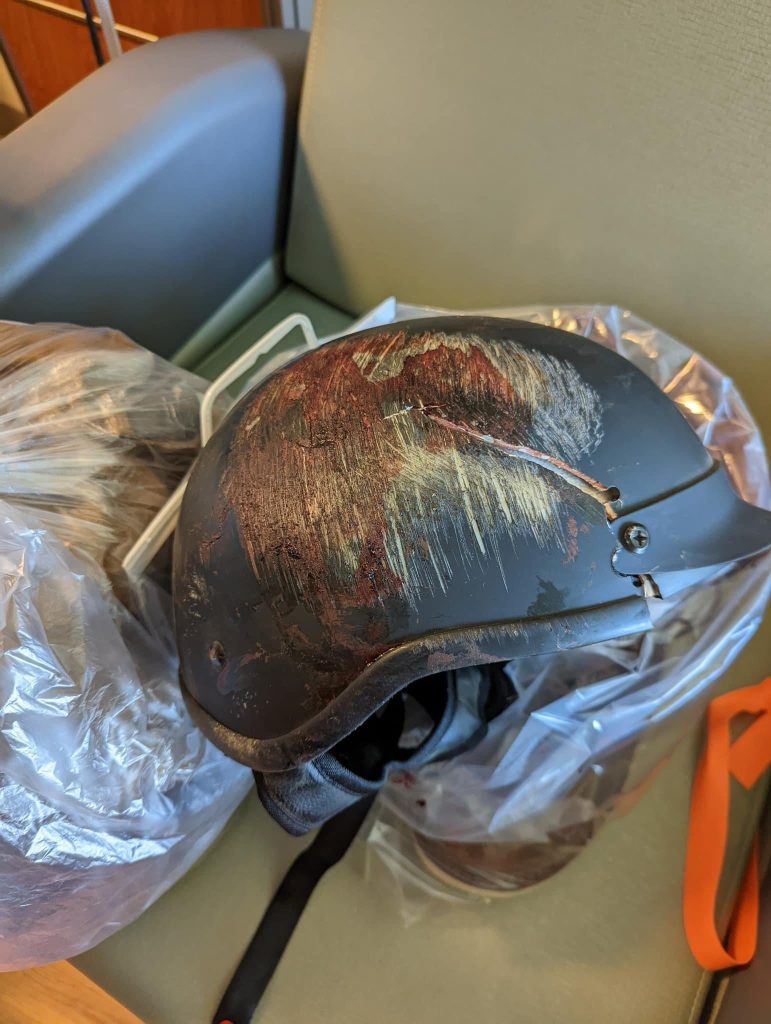
Look closely for cracks, dents, or deep scratches on your helmet. These damages can weaken the helmet’s ability to protect you.
- Cracks on the outer shell
- Dents or crushed foam inside
- Loose or missing parts
- Frayed or torn straps
- Worn out padding
Fit And Comfort Issues
A helmet must fit snugly and feel comfortable. If it feels loose or painful, it may no longer protect well.
| Issue | Possible Cause | Solution |
| Helmet slides on head | Straps stretched or padding worn | Replace helmet or adjust fit system |
| Pressure points cause pain | Helmet shape changed or padding compressed | Choose a new helmet with better fit |
| Straps hard to adjust | Damage or wear on strap buckles | Replace helmet to ensure safety |
After A Crash
You should replace your helmet after any crash, even if it looks fine. The inside foam may have tiny cracks that reduce protection.
- Helmet hit a hard surface
- Helmet shows dents or cracks
- Helmet absorbed impact force
- You feel unsure about its safety
Factors Affecting Helmet Durability
Your bike helmet protects your head during crashes. It is important to know when to replace it.
Many factors affect how long a helmet lasts. These factors weaken the materials inside the helmet.
Exposure To Sunlight And Weather
Sunlight can break down the helmet’s plastic and foam over time. UV rays make the helmet weaker.
Rain, heat, and cold also damage the helmet materials. Wet helmets can lose strength faster.
- Keep helmets out of direct sunlight when not used
- Avoid leaving helmets in hot cars or outside
- Dry helmets well after they get wet
Frequency Of Use
Helmets used every day wear out faster than those used once in a while. The foam inside compresses with use.
Even if the helmet looks fine, old foam may not protect your head well in a crash.
- Replace helmets every 3 to 5 years with regular use
- Check for cracks or dents after any crash
- Replace immediately if helmet has been in an accident
Storage Conditions
Where and how you store your helmet affects its durability. Poor storage can damage the helmet.
Storing helmets near chemicals or heavy items can cause cracks or deform the shape.
- Store helmets in a cool, dry place
- Keep helmets away from chemicals and sharp objects
- Use a helmet bag to protect it during transport

Credit: road.cc
Helmet Standards And Safety
Bike helmets protect your head during falls and crashes. It is important to know when to replace them.
Helmets wear out over time and after impacts. Safety standards help ensure helmets provide good protection.
Certification Labels To Check
Look for certification labels on your helmet. They show the helmet meets safety rules.
Common labels include CPSC, ASTM, and Snell. These labels mean the helmet passed tests for impact protection.
- CPSC:Required in the USA for bike helmets.
- ASTM:Shows compliance with American standards.
- Snell:Indicates a higher level of safety testing.
- EN 1078:European standard for bike helmets.
Advancements In Helmet Technology
Helmet makers improve designs to increase safety. New materials help absorb shock better.
Some helmets now use MIPS technology. It reduces twisting forces during impacts.
- Improved foam layers for better shock absorption
- Lighter materials for comfort without losing protection
- Ventilation designs that keep riders cool
- MIPS liners that reduce rotational forces on the brain
Tips To Extend Helmet Life
Bike helmets protect your head during falls. You should replace them regularly for safety. You can also take care to make them last longer.
Simple habits can keep your helmet strong and clean. This guide shares tips to extend your helmet’s life safely.
Proper Cleaning Methods
Cleaning your helmet removes dirt and sweat that can wear it down. Use gentle cleaning to avoid damage.
Use mild soap and warm water. Avoid strong chemicals and brushes that can harm the helmet’s materials.
- Mix mild soap with water
- Use a soft cloth or sponge
- Wipe the helmet gently inside and out
- Rinse with clean water
- Let it air dry away from sunlight
Safe Storage Practices
Store your helmet in a safe place to avoid damage. Keep it away from heat and heavy items.
Good storage keeps the helmet’s shape and strength intact. Avoid leaving it in a hot car or under heavy objects.
- Store in a cool, dry place
- Keep away from direct sunlight
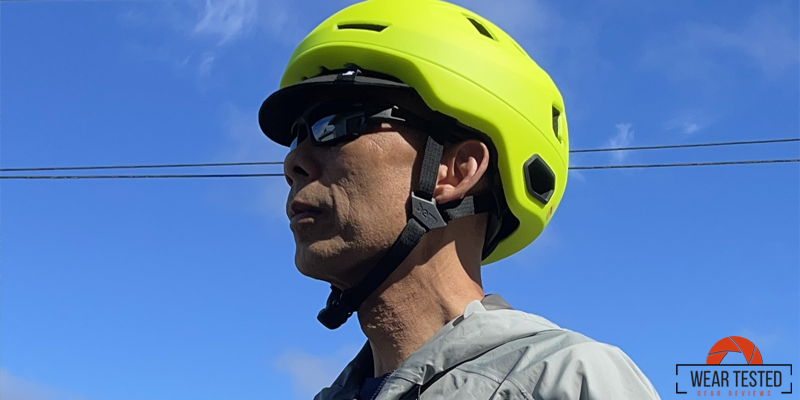
- Use a helmet bag or shelf
- Avoid stacking heavy items on top
- Check straps and padding regularly
Credit: bernhelmets.com
Choosing The Right Replacement Helmet
Replacing your bike helmet is important to stay safe on every ride. Picking the right helmet ensures better protection and comfort.
Use these tips to find a helmet that fits well and has the features you need.
Fit And Comfort Considerations
A helmet should fit snugly without causing pain. A good fit keeps the helmet in place during a fall.
- Measure your head to find the right size.
- Adjust straps to avoid looseness or tightness.
- Look for helmets with padding that you can replace.
- Try the helmet on before buying to check comfort.
- Make sure the helmet does not block your vision.
Features To Look For
| Feature | Benefit |
| Ventilation | Keeps your head cool during rides |
| Adjustable Fit System | Allows easy size changes for comfort |
| Lightweight Design | Reduces neck strain on long trips |
| Reflective Elements | Improves visibility at night |
| Certifications | Ensures the helmet meets safety standards |
Frequently Asked Questions
How Often Should You Replace A Bike Helmet?
You should replace your bike helmet every 3 to 5 years. Helmet materials degrade over time, reducing protection. Replace sooner if damaged or after a crash to ensure maximum safety.
Can A Bike Helmet Be Used After A Crash?
No, always replace your bike helmet after a crash. Impact can cause invisible damage to the helmet’s structure. Using a damaged helmet can compromise your safety during future rides.
Does Helmet Expiration Date Matter?
Yes, helmet expiration dates are important. Manufacturers set expiration dates, usually 3 to 5 years after production. After this period, helmet materials weaken, reducing shock absorption and protective effectiveness.
How To Know If A Bike Helmet Needs Replacement?
Replace your helmet if it shows cracks, dents, or worn straps. Also, replace if it no longer fits properly or if it is past its expiration date. These signs indicate reduced helmet safety.
Conclusion
Bike helmets protect your head during crashes. Replace them every 3 to 5 years. Cracks or dents mean it’s time to change. Old helmets lose strength and safety features. Don’t take risks with an old or damaged helmet. Stay safe by checking your helmet often.
A fresh helmet keeps you protected on every ride. Safety should always come first when cycling. Keep your helmet updated for peace of mind.