How often should you replace the water filter in your refrigerator? If you’re like most people, you rely on your fridge’s water filter every day for clean, fresh-tasting water and ice.
But did you know that using an old or clogged filter can affect not only the taste but also the safety of your water? Knowing the right time to change your filter can save you from unwanted health risks and costly repairs.
Keep reading to find out exactly when and why you should replace your refrigerator’s water filter to keep your water pure and your fridge running smoothly.
Signs It’s Time To Change
Knowing the signs that your refrigerator water filter needs changing is important. Waiting too long can lead to poor water quality and clogged filters. Watch for clear signals from your water and appliance. These signs help keep your water fresh and safe to drink.
Taste And Odor Changes
Water may start to taste strange or have a bad smell. It can become bitter or smell like plastic. These changes happen because the filter can no longer trap impurities. Fresh water should taste clean and smell neutral.
Reduced Water Flow
If water pours out slowly or in small amounts, the filter might be clogged. A blocked filter limits water flow, making it hard to fill cups or ice trays. This means the filter is full of trapped dirt and needs replacement.
Indicator Light Alerts
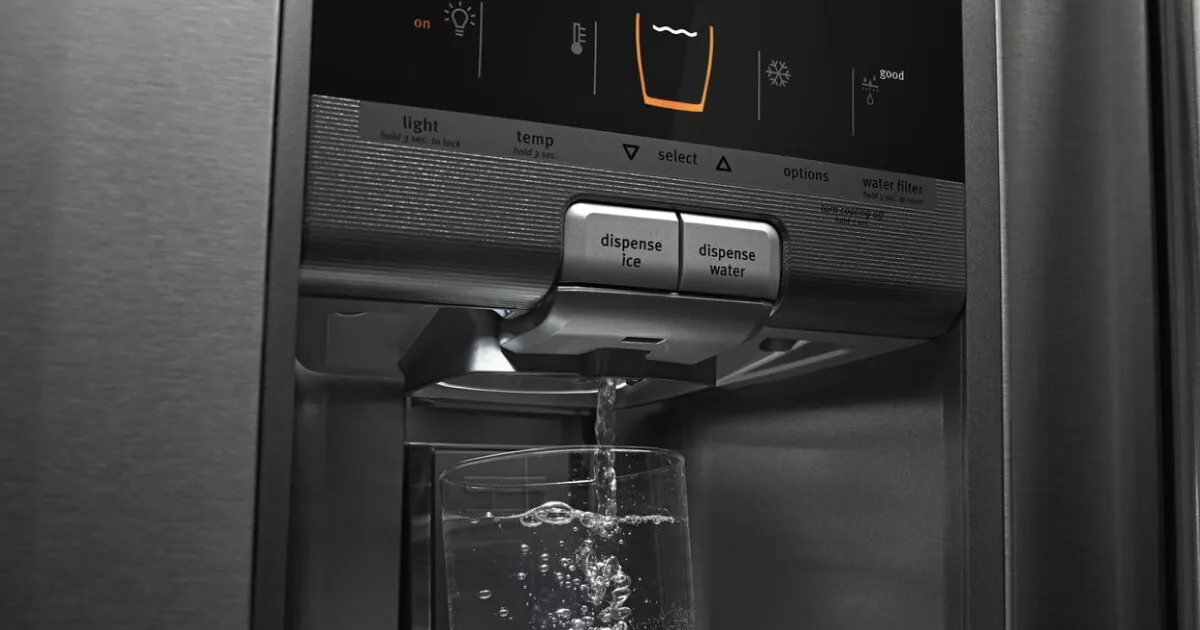
Many refrigerators have a light to show filter status. When this light turns on or changes color, it signals a filter change is due. Ignoring this alert can reduce water quality and strain the appliance.

Credit: ultrafix.com
Factors Affecting Replacement Frequency
Knowing how often to replace your refrigerator’s water filter depends on several important factors. These factors influence how quickly the filter becomes clogged or less effective. Understanding them helps you keep your water tasting fresh and safe without wasting money on unnecessary replacements.
Water Quality Variations
Your local water quality plays a huge role in filter lifespan. If your water contains more sediment, chlorine, or contaminants, the filter will clog faster. For instance, well water users often replace filters more frequently than those with city water.
Have you noticed a change in water taste or flow? That’s a sign your filter might be struggling due to water quality changes. Testing your water can give you a clearer idea of what your filter is facing daily.
Filter Type Differences
Not all water filters are created equal. Some use activated carbon, others use reverse osmosis or a combination of methods. Each type has a different capacity and lifespan, so replacement schedules can vary widely.
For example, a basic carbon filter might last about six months, while a more advanced reverse osmosis filter could last up to a year. Check your filter’s specifications and follow the manufacturer’s recommendations to avoid surprises.
Household Water Usage
Your daily water consumption directly affects how often you need to change the filter. A household that drinks a lot of filtered water or uses the dispenser frequently will wear out filters faster. Think about how many people rely on your fridge’s water system.
If you have a large family or often fill water bottles, expect to replace the filter sooner than a single person or a couple. Tracking your usage can help you create a realistic replacement schedule tailored to your lifestyle.
Recommended Replacement Intervals
Knowing when to replace your refrigerator’s water filter is key to keeping your water clean and tasting fresh. The recommended replacement intervals can vary, but following them ensures your filter works effectively and protects your health. Let’s break down the most reliable guidelines and some exceptions you might encounter.
Manufacturer Guidelines
Most refrigerator brands provide clear instructions on when to change the water filter. These are usually found in the user manual or on the manufacturer’s website. Following these guidelines helps maintain warranty coverage and ensures optimal performance.
For example, brands like Whirlpool and Samsung typically recommend replacing the filter every 6 months. However, some models may suggest different intervals, so checking the specific advice for your refrigerator is crucial.
General Timeframes
If you can’t find manufacturer details, a good rule of thumb is to replace the water filter every 6 months. This timing balances filter lifespan and water quality for most households.
- Heavy use or larger families might require changing filters every 3 to 4 months.
- Light use or smaller households could stretch it to about 9 months.
Regular replacement prevents bacteria buildup and clogged filters. Have you ever noticed a strange taste or slow water flow? That’s often a sign your filter is overdue for a change.
Exceptions And Special Cases
Some situations call for more frequent filter changes. If your water source has high mineral content or contaminants, your filter will wear out faster. Also, if you experience visible sediment or an unusual smell, don’t wait for the scheduled time—replace the filter immediately.
Additionally, if you’ve been away for a long period or haven’t used the water dispenser in weeks, flushing the system and possibly changing the filter is wise. This prevents stale water and potential bacteria growth.

Credit: www.searshomeservices.com
How To Replace The Filter
Replacing the water filter in your refrigerator is simple and quick. It helps keep your water clean and tasting fresh. Knowing how to replace the filter properly saves time and avoids mistakes. Follow these easy steps to change your filter with confidence.
Locating The Filter
Find the water filter inside the refrigerator or at the base. It is often in the upper right corner or behind a grille. Check your refrigerator manual if unsure. The filter looks like a small cartridge or a round cap. Make sure the fridge door is open for easy access.
Step-by-step Replacement
- Turn off the water supply to the fridge to prevent leaks.
- Twist or pull out the old filter gently, depending on the model.
- Remove any protective covers from the new filter before installing.
- Insert the new filter firmly into the slot, aligning it properly.
- Twist or push the filter until it locks in place securely.
- Turn the water supply back on and check for leaks.
- Run water through the dispenser for a few minutes to clear air and debris.
Resetting The Indicator Light
The filter indicator light shows when a replacement is needed. After installing the new filter, reset this light. Most models require pressing and holding a button near the dispenser for several seconds. Some fridges reset the light automatically after water flows. Consult your manual for exact instructions.
Consequences Of Delayed Replacement
Delaying the replacement of your refrigerator’s water filter can lead to several unwanted consequences. It’s more than just an inconvenience; it affects your health, the appliance’s efficiency, and your wallet. Understanding these impacts can help you decide when to swap out that filter before problems arise.
Health Risks
Old filters lose their ability to block contaminants effectively. This means bacteria, chlorine, and other harmful substances can sneak into your drinking water.
Drinking water with these pollutants can cause stomach issues and other health problems. Have you noticed a strange taste or odor in your water lately? That might be a warning sign that your filter is past due for a change.
Appliance Performance Issues
A clogged filter forces your refrigerator to work harder to push water through. This strain can reduce the water flow, making ice cubes smaller or slower to form.
Over time, it can even cause damage to your fridge’s water dispenser system. Ignoring this can turn a simple filter change into an expensive repair job.
Increased Costs
Using an old filter may save you money now but can cost more later. Reduced efficiency means higher energy bills because your fridge runs longer to maintain water flow.
Additionally, frequent repairs or replacing parts damaged by neglect will add up quickly. Wouldn’t it be smarter to invest in timely filter replacements and avoid these extra expenses?
Tips To Extend Filter Life
Extending the life of your refrigerator’s water filter not only saves money but also ensures cleaner, better-tasting water for longer periods. You can take simple steps that reduce the strain on your filter, helping it perform efficiently. Let’s look at practical tips you can apply today to get the most out of your water filter.
Pre-filtration Options
Adding a pre-filter to your water system can catch larger particles before they reach your refrigerator’s filter. This reduces clogging and extends the main filter’s life. Consider installing a sediment filter if your water has visible dirt or rust, especially if you use well water or live in an older home.
Have you noticed a quick drop in your filter’s flow rate? It might be time to check if a pre-filter could help. These simple additions can prevent early blockages and keep your water flowing smoothly.
Regular Maintenance
Routine care of your refrigerator and water lines makes a big difference. Clean the water dispenser area and check for leaks or mineral buildup every few months. Flushing the water lines by running water through them for a few minutes can clear out stagnant water and debris.
Keeping an eye on your filter’s condition is key. If you notice a change in taste or a decrease in water flow, don’t wait—inspect and replace the filter promptly. Your fridge’s manual often has specific advice on maintenance intervals tailored to your model.
Water Softening Solutions
Hard water can shorten your filter’s lifespan by causing mineral buildup. Using a water softener reduces calcium and magnesium content, protecting your filter from getting clogged. If you experience scale buildup on your appliances, softening your water might save your filter and improve overall water quality.
Think about whether your home’s water is hard or soft. If you haven’t tested it yet, a simple water hardness test kit can tell you. Adjusting your water’s hardness could be the secret to stretching your filter’s life and improving your drinking water experience.
Choosing The Right Replacement Filter
Choosing the right replacement filter is key to keeping your refrigerator water clean and fresh. A proper filter ensures safe drinking water and protects your appliance. Selecting the correct filter can save money and prevent damage.
Compatibility Considerations
Not all filters fit every refrigerator model. Check the model number of your fridge before buying. Use filters made for your specific brand and model. Incorrect filters may not fit well or work properly. Always read product descriptions carefully.
Certification And Standards
Look for filters certified by trusted organizations. Certifications show filters meet safety and quality standards. Common certifications include NSF/ANSI standards. Certified filters remove harmful contaminants effectively. Avoid filters without proper testing or approval.
Cost Vs. Quality
Cheap filters might save money upfront but cost more later. Low-quality filters may fail to remove contaminants fully. Invest in mid-range or high-quality filters for better results. Consider filter lifespan and replacement frequency too. Good filters offer value through durability and performance.
Credit: www.maytag.ca
Frequently Asked Questions
How Often To Change Refrigerator Water Filter?
It’s recommended to replace your refrigerator’s water filter every six months. This ensures optimal water quality and appliance performance. Regular replacement prevents contamination and maintains the taste of your water. Always refer to your refrigerator’s manual for specific guidelines.
What Happens If You Don’t Replace It?
Not replacing the filter can lead to impurities in your water. Over time, this can affect the taste and smell. It may also reduce water flow and strain your refrigerator’s system. Regular replacement is crucial for safety and efficiency.
Are All Refrigerator Water Filters The Same?
No, refrigerator water filters vary based on brands and models. Each filter is designed for specific refrigerator systems. Always check your model number and manufacturer guidelines. Using the correct filter ensures proper water filtration and appliance longevity.
Can I Clean And Reuse The Filter?
Refrigerator water filters are not designed for cleaning and reuse. They contain materials that trap contaminants, which can’t be effectively cleaned. Regular replacement is essential for maintaining water quality and system health. Always invest in a new filter for best results.
Conclusion
Replacing your refrigerator water filter regularly keeps water fresh and clean. Most filters need changing every six months. Check your user manual for exact times. Dirty filters can cause bad taste and odors. Clean water helps protect your health and appliance.
Don’t wait too long to swap the filter. It’s a simple step with big benefits. Stay on top of filter changes for better water every day. Easy to do and worth the effort.