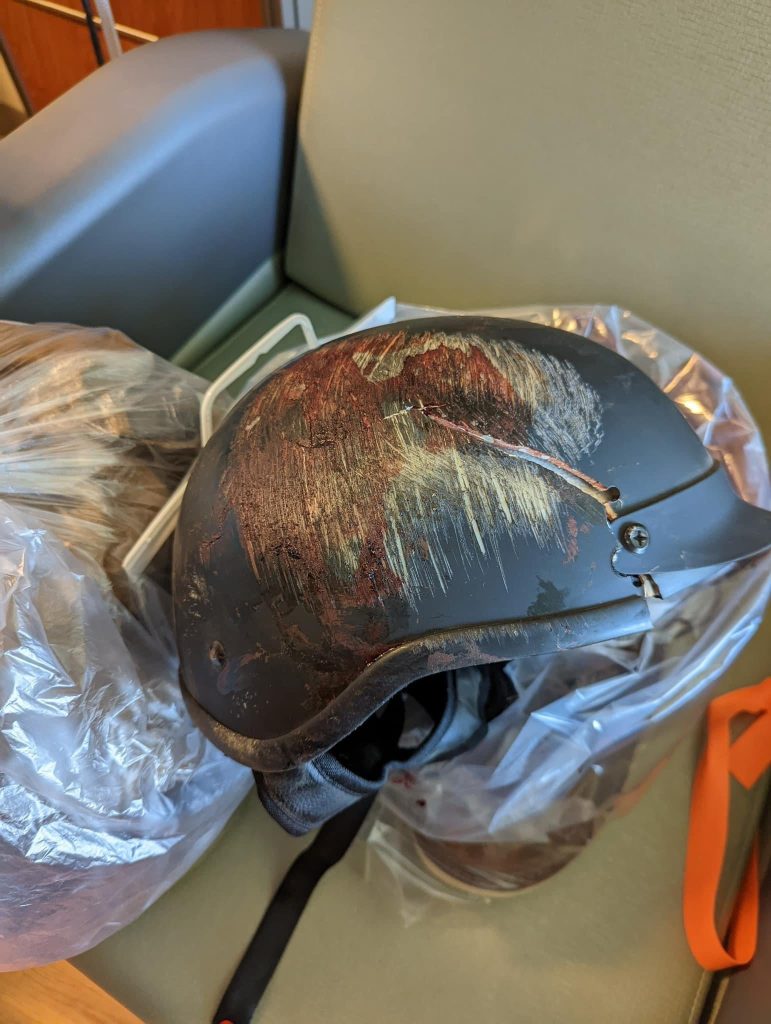
Your bike helmet is your most important safety gear, but do you know when it’s time to replace it? Using an old or damaged helmet can put you at serious risk, even if it looks fine on the outside.
You might be surprised to learn that helmets don’t last forever, and knowing the right time to get a new one can protect you from injury. Keep reading to discover exactly how often you should replace your bike helmet—and why waiting too long could cost you more than just money.
Your safety depends on it.
Helmet Lifespan
Your bike helmet protects your head during crashes. It does not last forever.
Knowing when to replace your helmet keeps you safe on every ride.
Typical Replacement Timeline
Most bike helmets should be replaced every five years. Some need to be replaced sooner.
- Check the helmet’s manufacturer date.
- Replace if it is over five years old.
- Replace after any crash, even if no damage shows.
- Replace if the foam or straps show wear.
Factors Influencing Wear
Several things can affect how long your helmet lasts.
| Factor | Effect on Helmet |
| Sunlight | Weakens foam and plastic parts |
| Sweat | Breaks down padding and straps |
| Storage | Leaving helmet in hot places damages materials |
| Impacts | Can cause hidden cracks in the helmet shell |

Credit: www.youtube.com
Signs Of Damage
Knowing when to replace your bike helmet is important for safety. Damage can make helmets less effective during crashes. Watch for clear signs of wear and tear.
Check your helmet often to catch damage early. Some parts wear out faster and need more attention.
Cracks And Dents
Look closely for cracks or dents on the outer shell. These breaks weaken the helmet’s ability to protect your head. Even small cracks can be dangerous.
Strap And Buckle Wear
Straps and buckles keep the helmet secure. If they are frayed, stretched, or broken, the helmet may not fit properly. This can cause it to come off in a fall.
- Check straps for tears or thinning fabric.
- Test buckles to see if they fasten tightly.
- Replace any worn or damaged parts immediately.
Foam Compression
The foam inside the helmet absorbs impact. If it is compressed or crushed, it cannot protect you well. This damage is often invisible but very serious.
| Foam Condition | What to Check | Action Needed |
| Normal | Foam looks smooth and firm | No replacement needed |
| Compressed | Foam feels hard or has dents | Replace helmet immediately |
| Cracked | Visible breaks in foam | Do not use helmet |
Impact History
Your bike helmet protects your head during crashes. The helmet’s history of impacts affects its safety.
Even small impacts can damage the helmet’s structure. Knowing when to replace it is important for safety.
Single Impact Effects
A single crash can cause cracks inside the helmet. These cracks reduce the helmet’s ability to absorb shock.
Once a helmet hits the ground hard, it might not protect you in another crash. Always check for visible damage.
- Cracks in the foam liner
- Broken or crushed outer shell
- Loose straps or buckles
- Visible dents or scratches
Multiple Impact Concerns
Some helmets are made for more than one impact. But many are designed for only one strong hit.
Repeated impacts weaken the helmet. The foam loses its ability to absorb force after each hit.
- Foam compression lowers shock absorption
- Hidden internal damage may occur
- Straps and shell get weaker
- Risk of failure increases with each impact

Credit: road.cc
Material Quality
Bike helmets protect your head during accidents. The material quality affects safety and lifespan. Knowing about materials helps you decide when to replace your helmet.
Helmet materials differ in strength and durability. These differences impact how long a helmet stays effective. Let’s look at common helmet materials and their durability.
Types Of Helmet Materials
Most helmets use these materials:
- Expanded Polystyrene Foam (EPS):This foam absorbs impact by crushing during a crash.
- Polycarbonate Shell:A hard outer layer that protects the foam inside.
- In-Mold Construction:Combines the shell and foam for a lighter helmet.
- Carbon Fiber:Lightweight and strong, often used in high-end helmets.
Each material type affects helmet weight, comfort, and protection level.
Durability Differences
| Material | Typical Lifespan | Durability Notes |
|---|---|---|
| Expanded Polystyrene Foam (EPS) | 3 to 5 years | Degrades with sweat and sun exposure; impacts reduce effectiveness. |
| Polycarbonate Shell | 5 to 7 years | Can crack or weaken after impact; protects foam underneath. |
| In-Mold Construction | 3 to 5 years | Lightweight but foam and shell wear similarly over time. |
| Carbon Fiber | 5 to 7 years | Strong and light but can be damaged by crashes or drops. |
Replace your helmet after a hard impact or after the recommended lifespan. Old or damaged materials cannot protect you well.
Storage And Care
Taking good care of your bike helmet keeps it safe and strong. Proper storage and cleaning help the helmet last longer.
Knowing how to store and clean your helmet can protect it from damage. This also helps you know when to replace it.
Proper Storage Tips
Store your helmet in a cool, dry place away from sunlight. Heat and sun can weaken the helmet materials.
Keep the helmet off the ground and avoid stacking heavy items on it. This prevents dents and cracks.
- Avoid leaving your helmet in a hot car or near heaters
- Use a helmet bag or a soft cloth cover for extra protection
- Keep the helmet away from chemicals and sharp objects
- Hang the helmet by its straps or place it on a shelf
Cleaning Guidelines
Clean your helmet regularly to remove dirt, sweat, and oils. Use gentle cleaning methods to avoid damage.
Do not use strong cleaners or solvents. These can break down the helmet’s protective layers.
- Use a soft cloth or sponge with mild soap and warm water
- Remove and wash any removable pads separately by hand
- Air dry the helmet away from direct sunlight or heat
- Check straps and buckles for wear and clean them gently
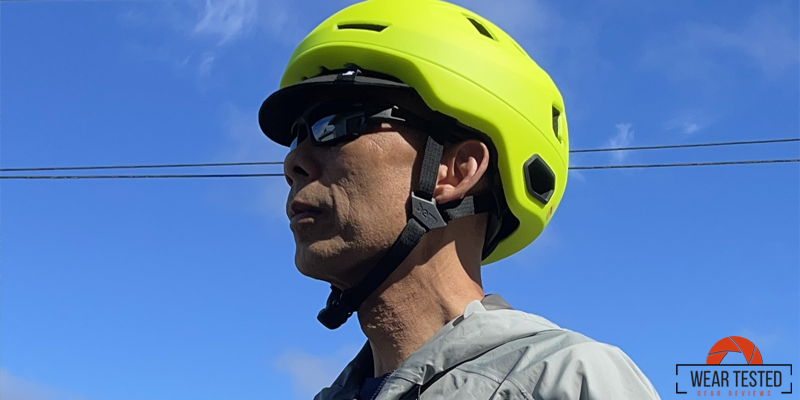
Credit: bernhelmets.com
Manufacturer Recommendations
Bike helmet makers set guidelines for when to replace your helmet. These rules help keep you safe on every ride. Following them can prevent injuries.
Most manufacturers suggest replacing helmets every few years. They also warn to replace helmets after any crash or damage. Understanding these tips is important.
Reading Labels And Manuals
Helmet labels and manuals have key information about replacement times. They often list the helmet’s expiration date or lifespan.
Check the label inside your helmet for dates or codes. The manual usually explains how long the helmet lasts and how to care for it.
- Look for manufacture date or expiry date on the label
- Read care instructions carefully to avoid damage
- Follow replacement advice after crashes or strong impacts
- Keep the manual for future reference
Safety Standards To Note
Safety standards help ensure helmets protect you well. Different countries have different standards for bike helmets.
Look for these common safety marks on your helmet. They show the helmet meets rules for impact protection and fit.
- CPSC (USA) – Consumer Product Safety Commission
- EN 1078 (Europe) – European safety standard
- AS/NZS 2063 (Australia/New Zealand)
- Snell B90/B95 – High safety certification
Replacing your helmet before it fails these standards is important. Follow the manufacturer’s timeline and safety marks for best protection.
Upgrading Your Helmet
Bike helmets protect your head during accidents. Upgrading your helmet ensures better safety and comfort.
New helmets come with improved features. Knowing when to replace your helmet helps keep you safe on every ride.
When To Consider A New Model
Replace your helmet after a crash, even if it looks fine. Damage inside the helmet may not be visible but reduces protection.
- If your helmet is older than five years, consider a new one.
- Look for cracks or dents on the shell.
- Check if the straps or padding are worn out.
- Replace if it no longer fits snugly.
Advancements In Helmet Technology
Helmet makers use new materials and designs for better impact absorption. This reduces the chance of serious injury.
| Feature | Old Helmets | New Helmets |
| Material | Basic foam | Multi-density foam with carbon fiber |
| Ventilation | Limited vents | Advanced airflow systems |
| Fit | Standard straps | Adjustable fit systems |
| Safety Standards | Basic certifications | Meets latest safety tests |
Frequently Asked Questions
How Often Should You Replace A Bike Helmet?
You should replace your bike helmet every 3 to 5 years. Helmets degrade over time due to material aging and wear. Replace sooner if damaged in a crash or exposed to extreme conditions to ensure maximum protection and safety.
Can A Helmet Be Used After A Crash?
No, always replace a helmet after any crash or impact. Even if it looks fine, internal damage can reduce its effectiveness. Using a compromised helmet risks serious injury during future accidents.
What Signs Indicate Helmet Replacement Is Needed?
Look for cracks, dents, or worn straps. Faded or brittle foam and loose fittings also signal replacement. If the helmet no longer fits snugly or comfortably, it’s time to get a new one.
Does Helmet Expiration Date Matter?
Yes, helmets have an expiration date, usually 3 to 5 years from manufacture. Materials weaken over time, reducing protection. Always check the label or manufacturer guidelines and replace helmets accordingly.
Conclusion
Replacing your bike helmet regularly keeps you safe on every ride. Cracks or damage mean it’s time for a new one. Even without visible wear, helmets lose strength over time. Most experts suggest changing helmets every three to five years.
Remember, your helmet is your head’s best protector. Wear it well, and replace it often. Stay safe, enjoy your rides, and protect yourself fully.