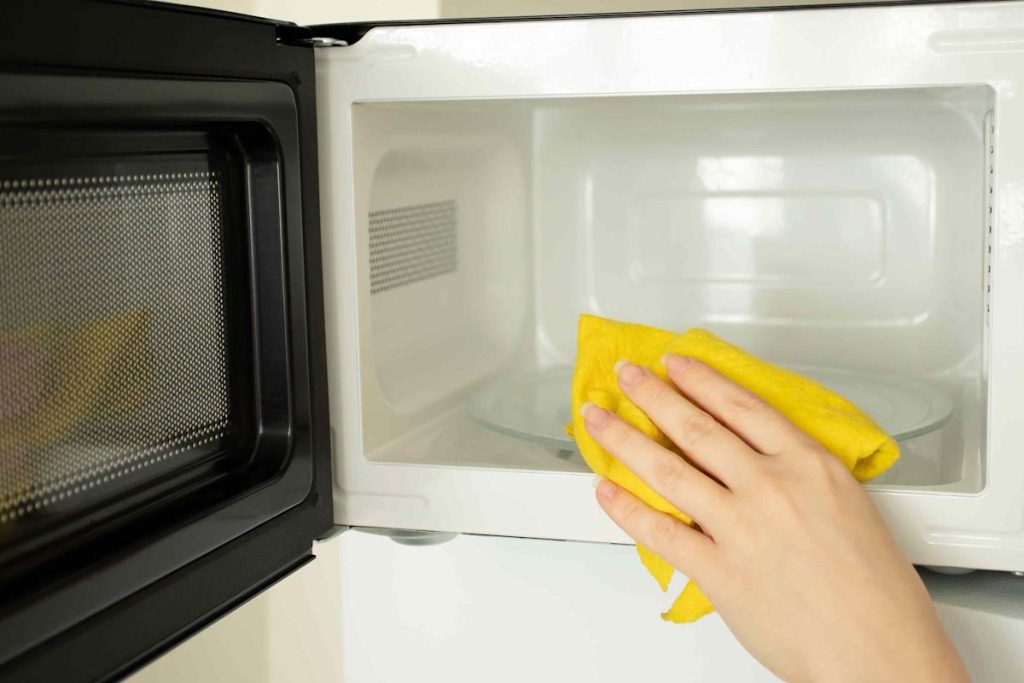
Have you ever wondered just how long your trusty microwave oven will last? You rely on it every day, from reheating leftovers to making popcorn for movie night.
But like any appliance, it doesn’t last forever. So, how often should you replace your microwave oven to ensure it’s working efficiently and safely? We’ll uncover the signs that it’s time for a new microwave and share tips on how to extend its lifespan.
Stick around to find out if your microwave is still up to the task, or if it’s time to say goodbye and upgrade to a newer, more efficient model.

Credit: www.youtube.com
Microwave Lifespan
Understanding the lifespan of a microwave helps you know when to replace it. Microwaves usually last several years, but many factors influence their durability. This section explains typical usage duration and what affects microwave longevity.
Average Usage Duration
Most microwaves work well for about 7 to 10 years. This range depends on how often you use the appliance. Light users may find their microwave lasts beyond 10 years. Heavy users might need a replacement sooner.
Regular maintenance can also extend the microwave’s life. Cleaning the interior and avoiding metal objects inside helps prevent damage. Paying attention to unusual noises or performance drops signals potential issues.
Factors Affecting Longevity
- Frequency of Use:Daily use wears parts faster than occasional use.
- Power Level:Higher power models may have shorter lifespans if used constantly.
- Quality and Brand:Well-known brands often last longer due to better parts.
- Maintenance:Regular cleaning and careful use prevent early breakdowns.
- Environment:Humidity, heat, and dust can affect microwave performance.
- Repairs:Promptly fixing small problems avoids bigger damage.
Signs It’s Time To Replace
Knowing when to replace your microwave oven can save you time, money, and even avoid potential hazards. Microwaves don’t always break down suddenly; often, they show subtle signs that they’re nearing the end of their lifespan. Paying attention to these signals helps you decide if it’s worth repairing or better to invest in a new model.
Performance Issues
Has your microwave started taking longer to heat food or heats unevenly? These are common signs that its internal components might be failing. You might notice cold spots in your meals or that leftovers aren’t reheating thoroughly anymore.
Also, strange noises like buzzing or clicking during operation often indicate mechanical or electrical problems. If you’ve already cleaned the microwave thoroughly and performance hasn’t improved, it may be time to consider replacement.
Physical Damage
Visible cracks, dents, or warping on the door or body of your microwave aren’t just cosmetic issues. Damage to the door seal or hinges can lead to microwave radiation leaks, which is a serious safety concern.
Scratches inside the cavity, especially if the paint is peeling, can expose the metal underneath and cause sparks or fires. If you spot any physical damage that affects the door’s ability to close properly, it’s a clear sign your microwave isn’t safe to use.
Safety Concerns
If your microwave causes sparks or smoke during operation, never ignore these warning signs. These can indicate electrical faults that pose fire risks. Also, if the microwave trips your circuit breaker frequently, it could mean internal wiring problems.
Another safety red flag is a malfunctioning door latch. If the microwave runs with the door open or doesn’t stop when the door opens, it’s hazardous and must be replaced immediately. Your safety should always come first—don’t compromise when you notice these issues.
Health And Safety Risks
Your microwave oven is a staple in the kitchen, but over time, it can develop hidden health and safety risks. These risks might not be obvious at first, but ignoring them can lead to serious problems. Knowing when to replace your microwave helps protect you and your family from potential harm.
Radiation Leakage
Microwaves use radiation to heat food, but the device is designed to contain this radiation safely. Over years of use, the door seals or hinges can wear out, increasing the chance of radiation leakage. This leakage is usually very small but can rise to unsafe levels if the microwave is damaged or very old.
Have you noticed your microwave door doesn’t close as tightly as it used to? That small gap might be more dangerous than you think. Regularly check for cracks, dents, or warping around the door and frame to prevent any radiation from escaping.
Fire Hazards
Old microwaves can become fire hazards, especially if internal components start to fail. Faulty wiring or worn-out parts can cause sparks or overheating, leading to a fire. It’s important to be alert to any unusual smells, smoke, or noises coming from your microwave.
If your microwave makes strange buzzing sounds or the inside light flickers unexpectedly, don’t ignore it. Using a microwave showing these signs increases your risk of a kitchen fire. Replacing it promptly can keep your home safe and give you peace of mind.
Energy Efficiency And Costs
Energy efficiency plays a big role in deciding when to replace your microwave oven. Older microwaves often use more electricity, which can add up on your monthly bills. Understanding the costs and benefits of new models can help you save money and reduce your environmental impact.
Comparing Old Vs New Models
Older microwaves typically consume more power because they lack modern energy-saving features. New models come with improved insulation, smarter sensors, and better power management. These upgrades help them cook food faster while using less energy.
For instance, a microwave from 10 years ago might use around 1000 watts, while a newer energy-efficient model uses closer to 700 watts. That difference might seem small, but over time, it adds up to significant savings.
- Old models often have standby modes that waste electricity.
- New models switch off completely when not in use.
- Advanced sensors adjust cooking time, preventing overuse.
Impact On Electricity Bills
Have you ever checked how much your microwave adds to your electricity bill? If you use your microwave daily, an inefficient model can cost you an extra $10–$15 annually. This might not seem like much, but combined with other appliances, it can increase your overall energy expenses.
Switching to a new microwave could reduce these costs by 20-30%. Imagine saving that amount each year, just by updating your kitchen appliance. Plus, efficient microwaves often heat food faster, saving you time and energy.
Ask yourself: Is holding on to your old microwave worth the extra cost? Sometimes, investing in a new model pays off quicker than you expect.
When To Repair Vs Replace
Deciding whether to repair or replace your microwave oven can be tricky. It often depends on several factors that affect both your budget and convenience. Understanding these can help you make a smart choice that saves you money and avoids frustration.
Cost Of Repairs
One of the first things to consider is how much the repair will cost. If the repair price is close to or exceeds half the price of a new microwave, replacement might be the better option.
Think about small fixes like replacing a turntable motor versus expensive repairs like fixing the magnetron. Sometimes, a minor repair can extend the life of your microwave by years without breaking the bank.
Ask yourself: Is the repair affordable enough to justify keeping an older appliance, or would that money be better spent on a new, more efficient model?
Availability Of Parts
Parts availability plays a big role in your decision. Older microwaves might have parts that are hard to find or discontinued altogether.
If the specific components you need are rare or only available from third-party sellers at high prices, repairs could take longer and cost more than expected.
Have you checked whether replacement parts are easy to buy for your model? If not, a new microwave could save you the hassle and uncertainty of hunting down parts.

Credit: smartapplianceservices.com
Tips For Choosing A New Microwave
Choosing a new microwave can feel overwhelming with so many options available. Focusing on what matters most to your kitchen and lifestyle helps you pick the right one without regret. Here are some key tips to guide your decision and get the best value from your purchase.
Size And Capacity
Think about the space where your microwave will live. Measure the countertop or built-in area carefully to avoid a tight fit or wasted space.
Capacity is just as important. If you often heat large dishes or cook family-sized meals, a model with at least 1.5 cubic feet will serve you better than a compact one.
Have you noticed how smaller microwaves struggle with bigger plates? Choosing the right size saves you frustration and extra cleanup later.
Features To Consider
Modern microwaves offer a variety of features beyond basic heating. Look for options like sensor cooking, which adjusts time automatically based on the food’s moisture level.
Other handy features include pre-programmed settings for popcorn, beverages, or frozen meals, which can save time and effort.
Consider whether you want a turntable or flatbed design—flatbeds provide more usable space and easier cleaning but may cost more.
Budgeting
Set a clear budget before shopping and stick to it. Microwaves range from affordable basic models to high-end versions with smart technology.
Remember that paying a bit more upfront for durability and useful features often saves money over time by avoiding frequent replacements.
Ask yourself: are you paying for features you’ll actually use or just getting dazzled by extras? Prioritize what fits your daily habits best.
Proper Disposal Of Old Microwaves
Proper disposal of old microwaves is crucial once they stop working efficiently or become outdated. Simply throwing them in the trash can harm the environment and waste valuable resources. Taking the time to dispose of your microwave responsibly benefits both your community and the planet.
Recycling Options
Many local recycling centers accept old microwaves for proper processing. You can also check with electronics retailers—some offer take-back programs when you buy a new appliance. Another option is to contact your city’s waste management service to find designated drop-off locations or scheduled collection days for electronic waste.
Before recycling, remove any personal items from inside the microwave. It’s a good idea to wipe it clean to avoid unpleasant odors or pests. Would you consider donating a working microwave to a charity or community center? This helps extend its life and reduces waste.
Environmental Considerations
Microwaves contain metals and electronic components that can pollute soil and water if not disposed of properly. Recycling helps recover materials like copper, steel, and plastic, reducing the need for new raw materials. This lowers energy consumption and greenhouse gas emissions linked to manufacturing.
Improper disposal can also release hazardous substances such as lead and mercury. These toxins pose risks to human health and wildlife. Are you aware of your local regulations on electronic waste? Following them ensures you contribute to a safer environment.

Credit: www.searshomeservices.com
Frequently Asked Questions
How Long Does A Microwave Oven Typically Last?
Microwave ovens usually last between 7 to 10 years. Proper maintenance can extend this lifespan. After this period, efficiency may drop, and repairs might cost more than replacement.
What Signs Indicate It’s Time To Replace A Microwave?
Common signs include uneven heating, strange noises, sparks, or a broken door seal. If repairs are frequent or costly, replacement is a better option.
Can An Old Microwave Affect Food Safety?
Yes, an old microwave may heat food unevenly, risking bacteria growth. Damaged interiors can also cause radiation leaks, compromising safety. Replace old units to ensure proper cooking and safety.
Is It Cost-effective To Repair Or Replace A Microwave?
If repair costs exceed 50% of a new microwave’s price, replacement is wiser. New models are more energy-efficient and offer better features, saving money long-term.
Conclusion
Microwave ovens usually last about 7 to 10 years. Watch for signs like strange noises or uneven heating. These signs mean it might be time to replace it. Regular cleaning helps your microwave work better and last longer. Don’t wait too long to change an old microwave.
A new one saves energy and cooks food safely. Keep these tips in mind to know when to replace your microwave oven. Your kitchen will stay safe and efficient. Simple care and timely replacement make a big difference.