Are you wondering how often you should rotate your tires? You’re not alone.
Many drivers overlook this simple yet crucial maintenance task. But here’s the thing: regularly rotating your tires can save you money and keep you safe on the road. Imagine driving with optimal grip and even tread wear, reducing the risk of unexpected blowouts.
In this post, we’ll dive into the ideal tire rotation schedule and why it’s essential for your car’s health. Stick around, and you’ll discover how a small effort can lead to big benefits for your vehicle and peace of mind for you.
Why Tire Rotation Matters
Rotating your car tires regularly helps them last longer. It also keeps your vehicle running smoothly.
Many drivers do not realize how important tire rotation is for safety and performance.
Impact On Tire Longevity
Front and rear tires wear out at different rates. Rotating tires helps even out the wear. This extends the life of all four tires.
- Prevents uneven tire wear
- Reduces the chance of tire damage
- Saves money by delaying new tire purchases
Effects On Vehicle Performance
Tire rotation keeps your car balanced and stable. It improves handling and fuel efficiency. Uneven tires can cause vibrations and poor control.
| Benefit | Effect |
| Balanced Tires | Smoother ride |
| Even Wear | Better fuel economy |
| Proper Grip | Improved handling |
Safety Considerations
Rotating tires regularly helps maintain good traction. This reduces the risk of accidents, especially on wet or slippery roads.
Key safety points:
- Improves braking distance
- Reduces tire blowout risk
- Enhances vehicle stability

Credit: www.daleearnhardtjrbuickgmc.com
Recommended Rotation Intervals
Rotating your tires helps them wear evenly and last longer. It also improves your car’s performance and safety.
Knowing when to rotate your tires is important. This guide explains the best times to do it.
Manufacturer Guidelines
Car makers often give advice on tire rotation in the owner’s manual. These guidelines are made to keep your car safe and working well.
Following the manufacturer’s advice ensures you do the rotation at the right time. Check the manual for specific instructions for your car model.
Typical Mileage Recommendations
Most experts suggest rotating tires every 5,000 to 8,000 miles. This range works for many cars and driving styles.
- Rotate tires every 6,000 miles for best results
- Use oil change visits as a reminder
- Adjust intervals if you drive on rough roads often
Signs You Need Rotation Sooner
Sometimes tires wear unevenly before the usual rotation time. Watch for signs that mean you should rotate sooner.
- Tires look worn more on one side
- You feel vibrations or shaking while driving
- Car pulls to one side when driving straight
- Noises coming from tires when you drive
Different Rotation Patterns
Tire rotation helps your tires wear evenly. This keeps your car safe and improves tire life.
Different cars need different rotation patterns. The pattern depends on your car’s drive type and tire style.
Front-wheel Drive Patterns
Most front-wheel drive cars use the “forward cross” pattern. The front tires move straight back. The rear tires cross to the front.
- Front left tire goes to rear left
- Front right tire goes to rear right
- Rear left tire moves to front right
- Rear right tire moves to front left
Rear-wheel Drive Patterns
Rear-wheel drive cars often use the “rearward cross” pattern. The rear tires move straight to the front. The front tires cross to the rear.
- Rear left tire goes to front left
- Rear right tire goes to front right
- Front left tire moves to rear right
- Front right tire moves to rear left
All-wheel Drive Patterns
All-wheel drive cars use a “four-wheel” rotation pattern. Tires move diagonally to keep wear even on all wheels.
| Current Position | New Position |
| Front Left | Rear Right |
| Front Right | Rear Left |
| Rear Left | Front Right |
| Rear Right | Front Left |
Directional And Staggered Tires
Directional tires only roll one way. They move front to back on the same side. Staggered tires have different sizes on front and rear.
Rotation rules for these tires:
- Directional tires:Swap front to back on the same side only.
- Staggered tires:Usually no rotation. Some cars allow front-to-back on the same side.
Diy Vs Professional Rotation
Rotating your car tires helps them wear evenly. This keeps your ride safe and smooth.
You can rotate tires yourself or hire a professional. Both have benefits and things to know.
Tools Needed For Diy
Doing a tire rotation at home needs a few tools. Having the right tools makes the job easier.
- Car jack to lift the car
- Jack stands for safety
- Lug wrench to remove tire bolts
- Torque wrench to tighten bolts correctly
- Wheel chocks to stop the car from moving
Step-by-step Rotation Process
Follow these steps to rotate your tires safely and correctly.
- Park on a flat surface and apply wheel chocks.
- Loosen the lug nuts on all tires slightly.
- Use the car jack to lift one corner of the car.
- Place jack stands under the car for support.
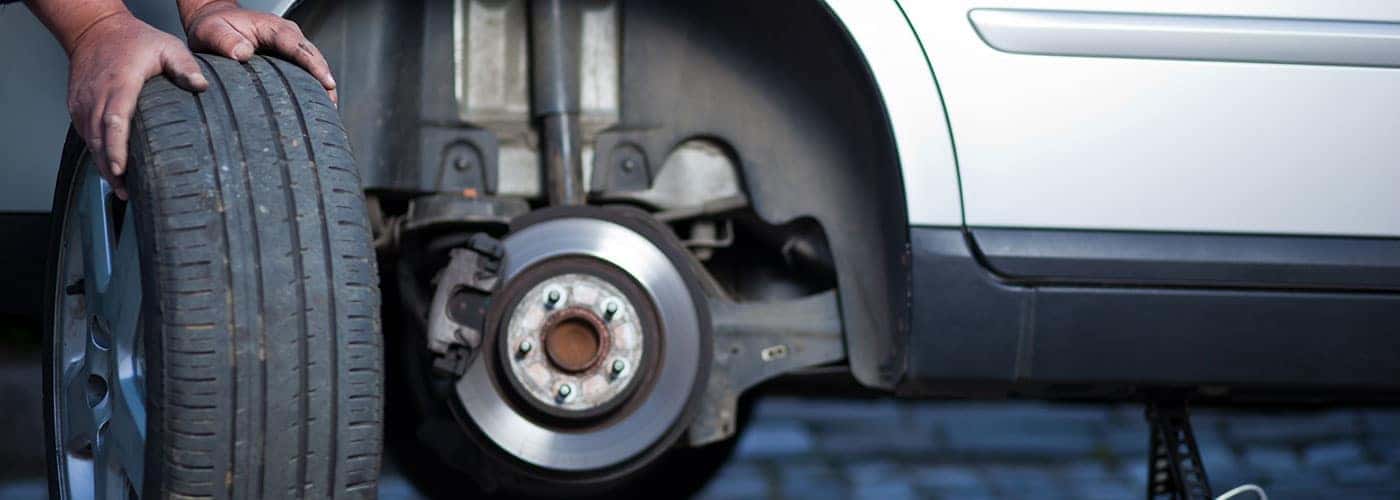
- Remove the loosened lug nuts and take off the tire.
- Move the tire to its new position (front to back or cross pattern).
- Put the tire back on and hand-tighten lug nuts.
- Lower the car and use the torque wrench to tighten bolts to specs.
- Repeat for all tires.
Benefits Of Professional Service
Professionals have tools and skills to do tire rotation faster. They know the best rotation pattern for your car.
They check your tires for damage and balance. This helps catch problems early and keeps your car safe.
Additional Tire Maintenance Tips
Keeping your tires in good shape helps your car run safely and smoothly. Regular checks and care extend tire life.
Here are some simple tips to maintain your tires beyond just rotating them.
Checking Tire Pressure
Check tire pressure at least once a month. Proper pressure improves fuel efficiency and tire wear.
- Use a reliable tire pressure gauge.
- Check pressure when tires are cold.
- Inflate to the car manufacturer’s recommended levels.
- Do not overinflate or underinflate your tires.
Balancing And Alignment
Balancing keeps tires spinning evenly. Alignment ensures tires point straight. Both improve driving comfort.
| Service | Signs You Need It |
| Balancing | Vibrations in steering wheel or seat |
| Alignment | Car pulls to one side or uneven tire wear |
Tread Wear Monitoring
Check your tread depth regularly. Worn treads reduce traction and increase accident risk.
- Use a tread depth gauge or the penny test.
- Look for uneven wear patterns on tires.
- Replace tires if tread is below 2/32 inch.
- Rotate tires often to promote even wear.

Credit: www.worldfordpensacola.com
Credit: www.planethyundai.com
Frequently Asked Questions
How Often Should You Rotate Tires For Even Wear?
Rotate your tires every 5,000 to 7,500 miles to ensure even wear. This helps extend tire life and improves vehicle safety. Check your owner’s manual for specific recommendations based on your car model and tire type.
What Are The Benefits Of Regular Tire Rotation?
Regular tire rotation promotes even tread wear, extends tire lifespan, and improves fuel efficiency. It also ensures safer handling and reduces the risk of tire failure. Consistent rotation saves money on early tire replacement.
Can Improper Tire Rotation Affect Car Performance?
Yes, improper tire rotation can cause uneven tire wear, leading to poor handling and reduced fuel efficiency. It may also increase vibration and noise while driving, compromising safety and comfort.
Does Tire Rotation Differ For Front-wheel And Rear-wheel Drive?
Yes, tire rotation patterns vary by drivetrain. Front-wheel-drive cars often use a forward cross pattern, while rear-wheel-drive vehicles may require a rearward cross. Always follow your vehicle’s manual for correct rotation methods.
Conclusion
Tire rotation keeps your car safe and running smooth. Rotating tires every 5,000 to 8,000 miles helps them wear evenly. Even tire wear means better grip and longer tire life. This simple step can save money on replacements. Check your car manual for the best rotation schedule.
Don’t wait for uneven wear or noises. Regular tire care improves fuel efficiency too. Keep your ride steady and safe by rotating tires often. It’s a small task that makes a big difference.