Are you worried about termites quietly damaging your home in Florida? You’re not alone.
These tiny invaders can cause big problems before you even notice. So, how often should you tent for termites to keep your home safe and sound? Knowing the right timing can save you thousands of dollars and endless stress. You’ll discover exactly when and why tenting is crucial, helping you protect your biggest investment—your home.
Keep reading to find out the simple steps you can take to stay termite-free all year long.
Termite Risks In Florida
Florida has a big problem with termites. These insects cause damage to homes and buildings. Knowing when to tent for termites helps protect your property.
Termites thrive in warm and wet places. Florida’s weather makes it easy for them to live and spread. Homeowners should watch out for signs of termite activity.
Climate Impact On Termites
The warm and humid climate in Florida makes termites very active. They can survive all year long because winters are mild. Rain and moisture help termites build their nests.
- High humidity supports termite survival.
- Warm temperatures speed up termite growth.
- Heavy rains increase wood moisture.
- Flooding can push termites into homes.
Common Termite Species
Florida has several types of termites. Each species causes different damage. Knowing the species helps choose the right treatment.
| Termite Species | Damage Type | Appearance |
| Subterranean | Wood near soil | Light brown, large colonies |
| Drywood | Dry wood inside walls | Smaller, live in wood |
| Dampwood | Wet or rotting wood | Large, prefers moisture |

Credit: cloudpestcontrol.com
Signs Of Termite Infestation
Termites can cause serious damage to homes in Florida. Spotting signs early helps protect your property.
Knowing what to look for makes it easier to find termites before they spread.
Visible Damage Indicators
Termite damage often looks like wood that is hollow or has tunnels inside. You may see wood that sounds hollow when tapped.
Look for small holes or mud tubes on walls and wooden surfaces. These tubes protect termites as they travel.
- Hollow-sounding wood
- Cracked or blistered paint
- Small holes in wood
- Thin mud tubes on walls or foundations
- Damaged or sagging wood structures
Behavioral Signs
Termites leave signs through their actions around your home. Watching for these can help you find an infestation early.
Swarmers, or flying termites, appear in spring or summer. They come out to start new colonies and are a clear sign of termites nearby.
- Presence of winged termites inside or near windows
- Discarded wings on floors or window sills
- Soft or damaged wood that breaks easily
- Frass, which is termite droppings resembling sawdust
- Visible mud tubes or tunnels along walls or foundations
What Is Tent Fumigation
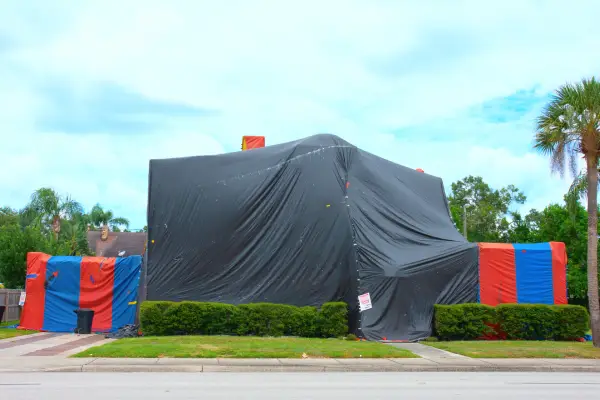
Tent fumigation is a method used to eliminate termites from homes. It involves covering the building with a tent and filling it with gas.
This gas reaches all areas, killing termites. It is effective, but requires careful planning and execution.
Process Overview
The process of tent fumigation includes several steps. Each is important for successful termite removal.
- Cover the building with a tent to seal it.
- Introduce fumigant gas into the structure.
- Allow gas to circulate for a set period.
- Ventilate the building to remove gas.
- Conduct safety checks before re-entry.
Benefits Of Tent Fumigation
Tent fumigation offers several benefits. It is a thorough method for termite control.
Key advantages include:
- Comprehensive pest elimination
- Effective for large infestations
- Reaches hidden areas of the home

Credit: www.heropestsolutions.com
Frequency Of Tent Fumigation
Termites cause serious damage to homes in Florida. Tent fumigation is a common way to kill them. Knowing how often to tent is important for protection.
This guide explains the recommended intervals for tent fumigation. It also covers factors that affect how often you should treat your home.
Recommended Intervals
Most experts suggest tent fumigation every 3 to 5 years. This time frame helps keep termite colonies away and protects your home’s structure.
- If your home is new, the first fumigation may not be needed for several years.
- Older homes or those in high-risk areas might require treatments every 3 years.
- Regular inspections help decide if fumigation is needed sooner.
- Follow local pest control advice for the best schedule.
Factors Influencing Frequency
Several factors change how often you should tent for termites. These include the environment, past termite activity, and home construction.
| Factor | Effect on Fumigation Frequency |
|---|---|
| Climate | Warm, humid weather increases termite risk, needing more frequent fumigation. |
| Previous Infestation | Homes with past termite problems may need treatment every 2 to 3 years. |
| Wood Type | Homes built with wood that termites prefer may need more frequent checks. |
| Landscaping | Plants and mulch near the house can encourage termites, increasing treatment frequency. |
Alternative Termite Treatments
Termites cause serious damage to homes in Florida. Traditional tenting uses fumigants to kill them. Some homeowners look for other options. Alternative termite treatments can be effective and less intrusive.
These treatments often focus on controlling termites around your home. Understanding them helps you decide how often to treat your house.
Liquid Termiticides
Liquid termiticides are chemicals applied to soil around the foundation. They create a barrier to stop termites from entering your home. These treatments do not require tenting.
- Applied by professionals using trenching or rodding methods
- Needs reapplication every 5 to 10 years
- Effective for preventing new termite colonies
- Less disruptive than full tenting
Bait Systems
Bait systems use small stations placed around your property. Termites find the bait and carry poison back to their colony. This method targets the whole colony instead of individual termites.
| Benefits | Considerations |
| Safe for pets and children | Requires regular monitoring by professionals |
| Less chemical use around home | Takes longer to see full results |
| Colony elimination over time | Stations must be maintained every 3 to 6 months |
Cost Considerations
Tent fumigation is a common termite treatment in Florida. Understanding the cost helps homeowners plan better. Prices vary based on home size and location.
Knowing the price range and comparing costs can save money. It also helps you choose the right treatment for your needs.
Price Range For Tent Fumigation
The cost of tent fumigation depends on several factors. These include the size of the home, severity of infestation, and the company hired.
- Small homes (under 1,000 sq ft): $800 – $1,200
- Medium homes (1,000 – 2,500 sq ft): $1,200 – $2,000
- Large homes (over 2,500 sq ft): $2,000 – $3,500
- Additional costs may apply for heavy infestations
- Some companies charge extra for preparation and cleanup
Comparing Treatment Costs
| Treatment Type | Average Cost | Duration | Effectiveness |
| Tent Fumigation | $1,200 – $3,500 | 1-3 days | High |
| Liquid Termiticide | $500 – $1,500 | Few hours | Moderate |
| Bait Systems | $800 – $2,000 | Several months | Moderate to High |
Choosing tent fumigation means higher upfront costs but thorough termite elimination. Other treatments cost less but may take longer or need repeat visits.
Preparing For Tent Fumigation
Tent fumigation is a common way to remove termites in Florida. Proper preparation helps make the process safe and effective.
Homeowners must follow specific steps before the fumigation begins. This guide covers what you need to do to get ready.
Steps Homeowners Should Take
Before tent fumigation starts, clear your home and property of items that could be affected. This helps protect your belongings and allows workers to do their job smoothly.
- Remove all food, plants, and medicines from your house.
- Take out fish tanks or cover them properly.
- Open all cabinets and drawers to let the gas reach every area.
- Turn off all pilot lights on gas appliances.
- Inform neighbors about the fumigation schedule for safety.
- Plan for pets and people to stay away during and after fumigation.
Safety Precautions
Fumigation uses strong chemicals, so safety is very important. Follow all instructions from the pest control company closely.
| Precaution | Reason |
| Evacuate the home | Prevent chemical exposure |
| Seal food and medicines | Avoid contamination |
| Turn off electrical devices | Reduce fire risk |
| Avoid re-entry until cleared | Ensure chemical dissipation |
| Inform emergency contacts | Prepare for any incidents |

Credit: blog.vinyasun.com
Aftercare And Monitoring
After termite tenting in Florida, proper aftercare is key. It helps keep your home safe and termite-free. Regular monitoring can catch problems early.
Knowing what to expect after treatment helps you protect your home. This guide covers post-treatment inspections and ways to prevent future termite issues.
Post-treatment Inspections
Inspections after tenting show if termites are gone. A professional checks your home inside and out. They look for signs of termite activity and damage.
- Schedule an inspection about 6 months after treatment.
- Inspect wood structures, especially near the ground.
- Check for mud tubes and damaged wood.
- Look for new termite droppings or wings.
- Repeat inspections yearly to ensure no return.
Preventive Measures
Prevent termites from coming back with simple steps. Keep your home dry and remove wood near your foundation. These actions make your home less inviting to termites.
| Preventive Action | Why It Helps |
| Fix leaks and moisture issues | Termites need moisture to survive |
| Remove wood piles near home | Eliminates termite food sources |
| Maintain proper ventilation | Reduces humidity inside |
| Use termite-resistant materials | Limits termite damage potential |
| Keep gutters clean | Prevents water buildup near foundation |
Frequently Asked Questions
How Often Should You Tent For Termites In Florida?
In Florida, tenting for termites is recommended every 3 to 5 years. This schedule helps prevent infestations and protects your home from damage. Regular inspections are essential to determine if more frequent treatments are needed.
What Are Signs You Need Termite Tenting Soon?
Common signs include hollow wood, mud tubes, and discarded wings. If you notice these, schedule a termite inspection immediately. Early detection prevents costly repairs and ensures effective tenting treatment.
Can Termite Tenting Be Harmful To Residents?
Yes, termite tenting uses strong chemicals that can be harmful if inhaled. Residents and pets must vacate during treatment. Proper ventilation and safety guidelines ensure a safe return after tenting.
How Long Does Termite Tenting Treatment Last?
Termite tenting treatments typically protect your home for 3 to 5 years. The exact duration depends on the chemical used and environmental factors. Regular inspections help maintain termite protection.
Conclusion
Termite tenting in Florida protects your home from damage. Experts usually recommend tenting every few years. Regular inspections help spot termites early. Waiting too long can cause costly repairs. Stay aware of termite signs around your property. Protecting your home keeps it safe and valuable.
A timely tenting schedule offers peace of mind. Keep your home strong. Don’t let termites take control. Simple steps prevent big problems later.