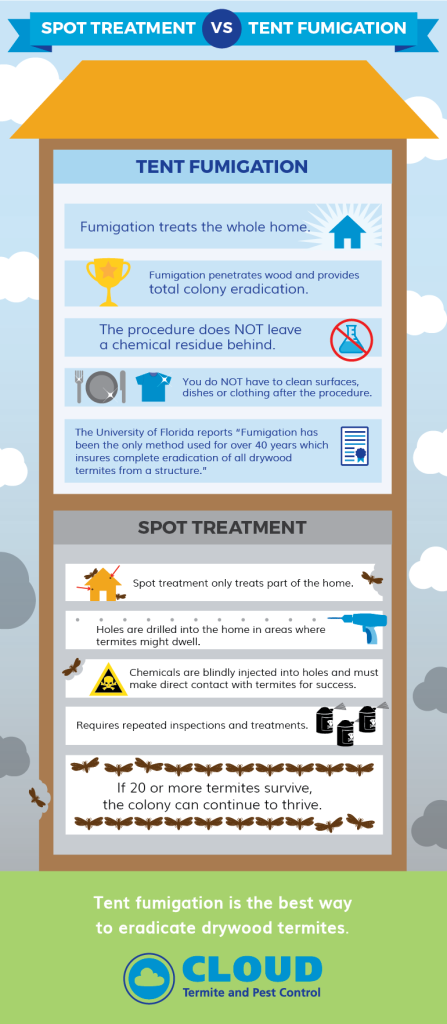
Are you worried about termites invading your Florida home? You’re not alone.
Termites are a common problem in the Sunshine State, and knowing how often you should tent for these pesky invaders is crucial. Imagine the peace of mind you’ll have, knowing your home is safe and sound. In this guide, you’ll discover the optimal frequency for tenting, ensuring your home remains protected.
Stick around, and you’ll learn not only when but why it’s essential to take action. Let’s dive in and uncover the secrets to a termite-free home in Florida.
Termite Threat In Florida
Florida has a high risk of termite damage. Many homes face termite problems yearly.
Tenting helps protect homes by killing termites inside. Knowing how often to tent is key.
Common Termite Species
Florida has several termite species that cause damage. The most common are subterranean termites.
Drywood termites also attack wood in homes but live above ground. Formosan termites are very aggressive and cause large damage.
- Subterranean termites: live underground and build mud tubes
- Drywood termites: live inside dry wood without soil contact
- Formosan termites: invasive and highly destructive
Climate Impact On Termites
Florida’s warm and humid climate helps termites thrive all year. They can stay active even in winter.
Heavy rains and flooding can spread termites to new areas. This increases the risk of infestations.
- Warm weather keeps termites active
- High humidity supports termite survival
- Rain helps termites move and spread
Signs You Need Tent Fumigation
Termites can cause serious damage to homes in Florida. Knowing the signs helps you act fast. Tent fumigation is one way to stop them.
This guide shows key signs that mean you might need to tent your home for termites.
Visible Damage
Termites eat wood from the inside out. You may see hollow wood or small holes. Walls or doors might look warped or cracked. This damage shows termites have been active for some time.
Check places like baseboards, window frames, and wooden beams. Damage here often means a serious infestation.
Swarmers And Mud Tubes
Swarmers are flying termites looking for new places to live. Seeing them inside your home is a red flag. Mud tubes are small tunnels termites build to travel safely outside. They look like dirt paths on walls or foundations.
- Look for small, thin tubes on walls or floors
- Spot winged insects near windows or doors
- Check damp or dark areas where termites like to hide
Previous Infestations
If your home had termites before, watch closely for new signs. Old damage might hide new termite activity. Regular checks are important to catch them early.
| Warning Sign | What It Means |
|---|---|
| Old damaged wood | Past termite activity |
| Fresh mud tubes | Active termite travel paths |
| Flying termites indoors | New colony nearby |
Frequency Of Tent Fumigation
Tent fumigation is a common way to control termites in Florida. Knowing how often to fumigate helps keep your home safe. The frequency depends on several key factors.
Regular checks and treatments can stop termite damage before it gets worse. It is important to follow a schedule that fits your situation.
Recommended Intervals
Most experts suggest tent fumigation every 3 to 5 years. This range helps keep termites away for a long time. Some homes may need treatment more often.
Homes in high-risk areas might require fumigation every 2 to 3 years. If your house is newer and built with termite barriers, you may wait longer between treatments.
Factors Influencing Frequency
Several factors affect how often you should tent for termites. These include your home’s location, construction, and termite history. Weather and nearby landscaping also matter.
- Location near wood or water increases termite risk
- Older homes may have more termite damage
- High humidity and rainfall support termite activity
- Wood mulch and plants close to the house can attract termites
- Previous termite problems require closer monitoring
Professional Inspection Schedules
Termite inspections should happen at least once a year. Professionals look for signs of termite activity and damage. Inspections help decide if fumigation is needed.
Some experts recommend more frequent inspections for homes with past termite issues. Follow their advice to protect your home effectively.
Tent Fumigation Process
Tent fumigation is a common method to kill termites in Florida homes. It uses gas to reach all parts of the house. This process is effective against termites and other pests.
Knowing the steps of tent fumigation can help you prepare and protect your home. This guide explains the preparation, procedure, and care after treatment.
Preparation Steps
Before fumigation, you must prepare your home carefully. This ensures safety and better results. You will need to remove food and plants and arrange for pets to stay elsewhere.
- Remove all food and medicines from the house
- Take out pets and fish tanks
- Cover or remove plants near the home
- Open all drawers and cabinets
- Turn off pilot lights and alarms
Fumigation Procedure
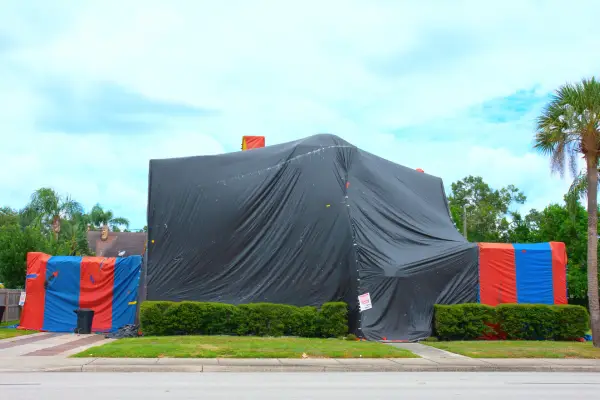
The house is covered with a large tent during the fumigation. A gas is released inside the tent to kill termites. The gas fills all spaces, reaching hidden termite colonies.
The process usually takes 24 to 72 hours. Experts monitor the gas levels to keep the treatment safe and effective. After the time passes, the gas is removed from the home.
- Set up the tent around the entire house
- Release fumigation gas inside the tent
- Keep the house sealed for the required time
- Ventilate the house to remove the gas
- Test for safe gas levels before re-entry
Post-treatment Care
After fumigation, you should clean and inspect your home. This helps remove any residues and checks if termites are gone. Follow safety rules before using the house fully again.
- Air out the house for several hours
- Clean surfaces where food is prepared
- Check for signs of termites returning
- Schedule regular termite inspections
- Keep wood and moisture away from the house
Alternatives To Tent Fumigation
Tent fumigation is a common method to treat termites in Florida. It involves covering the entire home with a tent and releasing gas to kill termites. Some people seek other options that are less disruptive or safer.
This article explores some alternatives to tent fumigation. These methods include liquid treatments, bait systems, and preventive measures.
Liquid Treatments
Liquid treatments use chemicals applied to soil or wood to kill termites. Pest control experts inject these liquids around the foundation of a house. This creates a barrier that termites cannot cross.
Liquid treatments can protect the home for several years. They do not require tenting the house and allow residents to stay inside during application. These treatments work best for mild to moderate termite problems.
Bait Systems
Bait systems use small stations placed in the ground around the home. These stations contain materials that attract termites. The termites eat the bait and carry poison back to their colony.
- Stations are checked regularly by a pest control professional.
- The poison spreads through the termite colony over time.
- Bait systems can take several months to fully control termites.
- They reduce chemical use compared to tent fumigation.
Preventive Measures
Preventive measures help stop termites before they infest a home. These include reducing moisture and removing wood debris near the foundation.
| Preventive Action | Purpose |
|---|---|
| Fix leaks and drainage | Keep soil dry to deter termites |
| Remove wood piles | Eliminate termite food sources |
| Use treated wood | Prevent termite entry through construction |
| Maintain a gap between soil and wood | Stop termites from reaching wood |

Credit: www.heropestsolutions.com
Cost Considerations
Tenting for termites in Florida can vary in cost. Understanding pricing helps you plan for treatment.
Knowing what affects cost can save money and protect your home better.
Typical Pricing
The price for termite tenting depends on home size and damage level. Most homes pay between $1,000 and $3,000.
Smaller homes cost less, while large homes or heavy infestations cost more.
- Small homes: $1,000 to $1,500
- Medium homes: $1,500 to $2,500
- Large homes: $2,500 to $3,000+
Factors Affecting Cost
Several things change the price of termite tenting. The home’s size is one big factor.
Other factors include how bad the termite problem is and how easy it is to access the home.
- Home size and layout
- Extent of termite infestation
- Accessibility of the property
- Local labor and material costs
- Additional repairs if damage is found
Long-term Savings
Regular termite tenting can save money over time. It stops damage that needs costly repairs.
Investing in termite control now protects your home’s value and avoids bigger expenses later.
- Prevents structural damage
- Reduces need for expensive repairs
- Keeps home value stable
- Protects family safety
Choosing A Pest Control Company
Tenting for termites is a serious process. Choosing the right company matters a lot. This choice can affect the safety of your home and family.
Look for a company that knows local termite habits. They must follow Florida rules and standards closely.
Certifications And Experience
Check if the company has proper licenses. These show they meet state requirements. Experience also helps them handle tents safely.
- Licensed by Florida Department of Agriculture
- Certified termite treatment specialists
- Years of local pest control work
- Trained staff with safety knowledge
Customer Reviews
Reading reviews helps you know what others think. Positive feedback shows trust and good service. Watch for comments on punctuality and care.
| Review Source | Average Rating | Common Feedback |
|---|---|---|
| 4.5 / 5 | Friendly staff, thorough service | |
| Yelp | 4.3 / 5 | Reliable, good communication |
| Angie’s List | 4.7 / 5 | Effective termite control, fair pricing |
Service Guarantees
A good company offers clear guarantees. These protect your investment if termites return. Ask about warranty length and coverage.
- Termite-free guarantee period
- Re-treatment options included
- Clear terms on service renewals
- Refund policies for unsatisfactory work
Credit: gorocketpest.com

Credit: blog.vinyasun.com
Frequently Asked Questions
How Often Should You Tent For Termites In Florida?
In Florida, tenting for termites is recommended every 3 to 5 years. This schedule helps control infestations effectively. Regular inspections can identify termite activity early, reducing damage and treatment costs.
What Signs Indicate The Need For Termite Tenting?
Signs include mud tubes, damaged wood, and hollow-sounding structures. If you notice these, schedule termite tenting immediately. Early treatment prevents extensive property damage.
Can Tenting Prevent Future Termite Infestations?
Tenting kills existing termites but does not prevent future infestations. Combine tenting with regular inspections and preventive treatments. This approach offers better long-term termite protection.
Is Termite Tenting Safe For Families And Pets?
Yes, termite tenting is safe when performed by professionals. The house is sealed, and occupants stay elsewhere during treatment. Proper ventilation ensures safety before re-entry.
Conclusion
Regular termite tenting protects your Florida home effectively. Most experts suggest tenting every 3 to 5 years. This schedule helps stop termite damage early. Watch for signs of termites between treatments. Stay vigilant to keep your home safe. A well-planned termite control saves money and stress.
Don’t wait until damage becomes serious. Protect your investment with timely tenting. Simple steps keep termites far away. Your home deserves this kind of care.