
Have you ever wondered if your air conditioner is working the way it should? Knowing how often your air conditioner cycles on and off is key to keeping your home comfortable and your energy bills low.
If it switches too frequently or runs non-stop, it could mean trouble—wasting energy, wearing out parts, or not cooling properly. You’ll learn the ideal cycle times for your AC and how to spot when something’s wrong. Understanding this simple yet important detail can save you money and keep your home feeling just right.
Keep reading to discover what your air conditioner’s cycling pattern says about its health and your comfort.
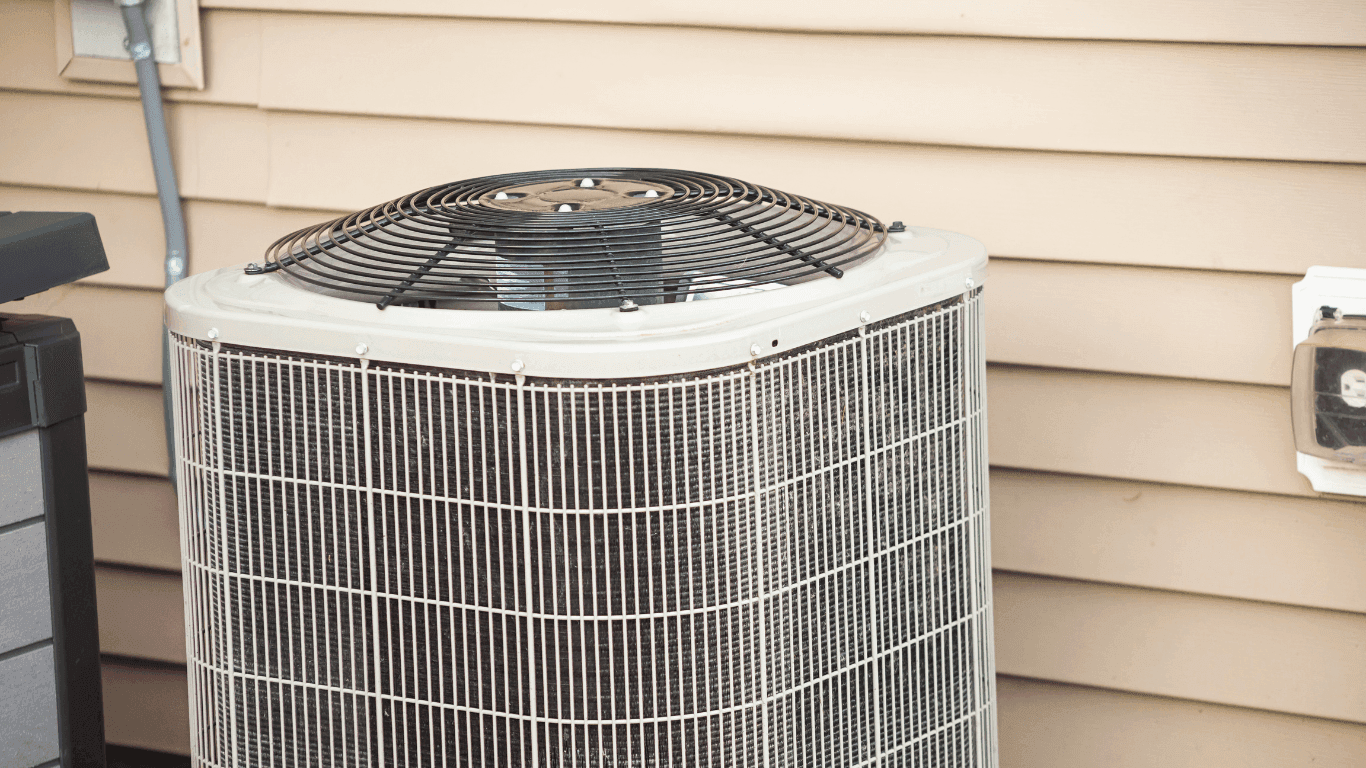
Credit: minthome.com
Ideal Ac Cycling Frequency
Your air conditioner cycles on and off to keep your home cool. The right cycling frequency helps save energy and keeps your AC healthy.
Too short or too long cycles can cause problems. Knowing the ideal cycling time helps your AC work well and last longer.
Typical On And Off Durations
Most air conditioners run their cooling cycle for about 10 to 15 minutes. After this, they turn off for 5 to 10 minutes before starting again.
This cycle repeats to keep your home at a steady temperature. Short cycles might mean the AC is too small or the thermostat is set too high.
- On time: 10 to 15 minutes
- Off time: 5 to 10 minutes
- Full cycle: 15 to 25 minutes total
Factors Affecting Cycle Times
Several things change how long your AC runs and rests. These factors affect energy use and comfort in your home.
Understanding these helps you spot if your AC is working properly or needs service.
- Outdoor temperature: Hotter days mean longer run times
- Home insulation: Better insulation means shorter cycles
- Thermostat setting: Lower temperatures make the AC run more
- AC size: A properly sized unit cycles correctly
- Airflow: Blocked vents cause short cycling
- Dirty filters: Can make the AC run longer or short cycle
Signs Of Abnormal Cycling
Your air conditioner should cycle on and off at normal intervals. This helps keep your home cool and the system healthy.
Abnormal cycling can cause higher energy bills and wear out your AC faster. Watch for signs that your AC is not cycling properly.
Short Cycling Symptoms
Short cycling happens when your AC turns on and off too quickly. This can stop your home from cooling evenly.
It can also cause your AC to use more electricity and damage parts over time.
- The AC runs for just a few minutes at a time
- Rooms feel warm or unevenly cooled
- The compressor switches on and off often
- Higher electricity bills without more use
- Ice forms on the outdoor unit or refrigerant lines
Long Cycling Indicators
Long cycling means your AC runs for too long without stopping. This can overwork the system.
This may cause higher energy use and make the AC parts wear out faster.
- The AC runs for 20 minutes or more without turning off
- Rooms become too cold or very dry
- The AC makes a loud noise while running
- The air filter looks dirty or clogged
- Thermostat settings do not match the room temperature
Impact On Energy Efficiency
Air conditioners cycle on and off to maintain a set temperature. The frequency of these cycles affects how much energy the unit uses. Proper cycling can save energy and reduce electricity bills.
Understanding the energy impact of your air conditioner’s cycling helps improve efficiency. It also extends the life of your system and keeps your home comfortable.
Energy Costs Of Frequent Cycling
Frequent cycling means your air conditioner starts and stops many times in a short period. Each start uses more energy than running steadily. This can raise your energy costs.
- Each startup draws extra power, increasing energy use.
- Short cycles prevent the system from running efficiently.
- Wear and tear increase, possibly leading to costly repairs.
- Inconsistent cooling causes discomfort and wastes power.
Benefits Of Optimal Cycling
Optimal cycling means your air conditioner runs longer cycles and fewer starts. This approach improves energy efficiency and system performance.
| Benefit | Impact |
| Lower Energy Use | Reduces electricity bills by running steadily |
| Better Comfort | Maintains consistent indoor temperature |
| Longer Equipment Life | Less wear from fewer startups |
| Reduced Repairs | Decreases chances of mechanical problems |

Credit: northnjhvac.com
Common Causes Of Cycling Issues
Your air conditioner should run smoothly, cycling on and off at normal intervals. Frequent cycling can cause higher energy bills and wear out parts faster.
Several problems can make your AC cycle too often or too little. Knowing these causes helps you fix the issue or tell a technician what to check.
Thermostat Problems
The thermostat controls when your air conditioner turns on and off. If it is faulty, it may send wrong signals.
Sometimes the thermostat is not placed correctly or has dead batteries. This causes the AC to cycle too much or too little.
- Incorrect thermostat placement
- Dead or weak batteries
- Faulty wiring or sensors
- Old or damaged thermostat
Refrigerant Levels
Refrigerant is the liquid that cools the air inside your AC. Low refrigerant levels make your unit work harder.
If refrigerant leaks or is low, the AC will turn on and off more often to try to keep the temperature steady.
- Leaks in refrigerant lines
- Improper charging of refrigerant
- Old or worn parts causing leaks
Airflow Restrictions
Airflow moves warm air out of your home and cool air in. Blocked airflow makes the AC work harder and cycle often.
Dirty filters, blocked vents, and closed dampers reduce airflow. This causes the AC to turn on and off too much.
- Clogged or dirty air filters
- Blocked or closed vents
- Dirty coils or fans
- Closed or stuck dampers
Maintenance Tips To Improve Cycling
Proper maintenance helps your air conditioner cycle on and off correctly. It keeps your system efficient and extends its life.
Small tasks can reduce wear and avoid costly repairs. Follow these tips to improve your AC’s cycling performance.
Regular Filter Replacement
Dirty filters restrict airflow and cause your AC to work harder. Replace filters every one to three months depending on use.
- Check filters monthly for dust and dirt
- Replace filters if they look clogged or dirty
- Use the filter size recommended by your AC manufacturer
- Consider higher-quality filters for better air cleaning
Professional Tune-ups
Schedule yearly check-ups with a qualified technician. They inspect parts and make adjustments for smooth cycling.
| Service | Purpose |
| Check refrigerant levels | Ensure cooling efficiency |
| Inspect electrical connections | Prevent shorts and failures |
| Test thermostat accuracy | Keep correct temperature control |
| Tighten moving parts | Reduce wear and noise |
Cleaning Coils And Vents
Clean coils and vents improve airflow and heat exchange. This helps your AC cycle less often and cool better.
Follow these cleaning tips:
- Turn off power before cleaning coils
- Use a soft brush or coil cleaner for dirt
- Clear debris from outdoor unit vents
- Keep indoor vents free of dust and blockage
Credit: www.aksharhvac.com
When To Call A Technician
Your air conditioner should cycle on and off regularly to keep your home cool. If it cycles too often or not enough, it may signal a problem.
Knowing when to call a technician can save you money and prevent bigger issues with your AC system.
Persistent Cycling Problems
If your air conditioner turns on and off too frequently, it is called short cycling. This wastes energy and wears out the system.
Persistent cycling problems can mean your AC is too big, there is a thermostat issue, or airflow is blocked.
- AC runs only for a few minutes then shuts off
- System starts and stops many times per hour
- Temperature swings in the room
Signs Of System Damage
Cycling issues can damage your AC parts like the compressor or fan motor. This causes costly repairs.
Look for signs like strange noises, leaks, or poor cooling to know if your system is damaged.
- Hissing or banging sounds during cycles
- Water leaking near the indoor unit
- Air conditioner not cooling well
- Higher energy bills than usual
Frequently Asked Questions
How Often Should An Air Conditioner Cycle?
An air conditioner should cycle every 15 to 20 minutes for optimal efficiency. Frequent cycling wastes energy and strains the system. Proper cycling maintains consistent cooling and prolongs the unit’s lifespan. If cycling is too rapid or slow, it may indicate maintenance issues.
What Causes An Air Conditioner To Cycle Too Frequently?
Frequent cycling often results from dirty filters, low refrigerant, or thermostat issues. These problems force the AC to turn on and off rapidly. Regular maintenance can prevent frequent cycling and improve system performance. Addressing these causes helps maintain energy efficiency and comfort.
Is It Normal For An Air Conditioner To Cycle On And Off?
Yes, it is normal for an air conditioner to cycle on and off. This process helps regulate indoor temperature efficiently. Short cycling or very long cycles may signal system problems. Proper cycling ensures comfort and saves energy in your home.
Can An Air Conditioner Cycle Affect Energy Bills?
Yes, improper cycling can increase energy bills significantly. Short cycling wastes electricity and wears out components faster. Efficient cycling keeps energy consumption balanced and lowers costs. Regular maintenance helps maintain proper cycling and reduces energy expenses.
Conclusion
Air conditioners should cycle on and off regularly to keep rooms cool. Short cycles mean the system works harder and wastes energy. Long cycles may cause uneven cooling and wear out parts. A good cycle lasts about 10 to 15 minutes.
This helps balance comfort and energy use. Check your unit often to ensure it runs properly. Proper cycling saves money and extends your AC’s life. Keep your home cool without overworking your air conditioner. Simple care goes a long way in keeping your AC efficient.