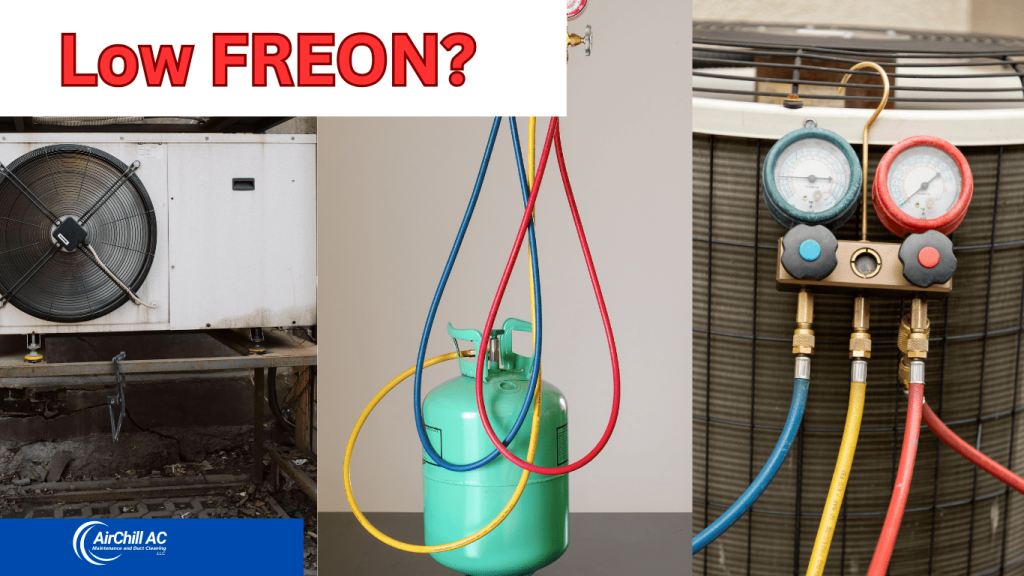
Is your air conditioner not cooling like it used to? You might be wondering how often to add refrigerant to your AC.
Keeping the right amount of refrigerant is key to making sure your system runs smoothly and keeps your home cool. But adding refrigerant too often—or not enough—can cause problems and even damage your unit. You’ll discover the signs that your AC needs more refrigerant, how often you should check it, and why regular maintenance matters.
Keep reading to protect your comfort and save money on costly repairs.

Credit: www.youtube.com
Signs Refrigerant Needs Recharging
Knowing the signs that your air conditioner needs more refrigerant helps keep it working well. Low refrigerant levels reduce cooling power and can damage the system. Spotting these signs early saves money and avoids big repairs.
Reduced Cooling Efficiency
Your AC blows warm or less cold air than usual. It takes longer to cool your room. The fan runs more but the temperature stays high. These are clear signs refrigerant is low. The system struggles to absorb heat and cool the air.
Hissing Or Bubbling Noises
Unusual sounds like hissing or bubbling near the AC unit may mean a refrigerant leak. These noises happen when gas escapes from the pipes. The leak lowers refrigerant levels and affects cooling. Listen carefully around the outdoor and indoor units.
Ice Formation On Ac Components
Ice or frost appears on the evaporator coil or refrigerant lines. This happens because low refrigerant causes the coil to get too cold. Ice blocks airflow and reduces cooling power. Check for ice buildup, especially during hot weather.

Credit: www.lochardplumbingheatingandcooling.com
Factors Affecting Refrigerant Loss
Refrigerant loss in an air conditioning system happens due to several reasons. Understanding these factors helps maintain your AC’s efficiency. It also prevents frequent refrigerant refills, saving time and money. Some causes are easy to fix, while others need professional help. Knowing the common reasons can guide timely repairs and proper maintenance.
Leaks In The System
Leaks are the main cause of refrigerant loss. Small holes or cracks in pipes and joints let refrigerant escape. Leaks often happen at connections and seals. Signs include poor cooling and hissing sounds. Detecting leaks early avoids major damage and costly repairs.
Wear And Tear Over Time
Parts inside the AC wear out with use. Rubber seals and gaskets dry up or crack. Metal components can corrode or weaken. These changes cause slow refrigerant leaks. Regular maintenance checks catch wear before it leads to loss.
Improper Installation
Incorrect installation can cause refrigerant problems. Poorly connected pipes or loose fittings leak refrigerant. Wrong charging levels reduce system efficiency. Hiring skilled technicians ensures correct setup and reduces loss risk.
How Often To Check Refrigerant Levels
Checking refrigerant levels in your AC is crucial for efficient cooling. Low refrigerant can cause poor performance and damage. Regular checks help spot leaks early and keep your system running smoothly. Knowing when to check ensures your AC stays cool all season.
Recommended Maintenance Schedule
Check refrigerant levels at least once a year. Annual inspections catch issues before they worsen. Schedule checks before the cooling season begins. This timing prepares your system for heavy use.
Seasonal Considerations
Monitor refrigerant levels more often during hot months. High temperatures increase AC demand. Check every few months if your climate is very warm. This prevents unexpected breakdowns in peak heat.
After Repairs Or System Adjustments
Always check refrigerant after any AC repair or adjustment. Fixing leaks or replacing parts can affect levels. Confirm proper refrigerant charge to ensure optimal performance. This step avoids future problems and saves money.
Risks Of Adding Refrigerant Too Frequently
Adding refrigerant to your AC might seem like a quick fix when the cooling drops, but doing it too often can lead to serious problems. Many people think topping off the refrigerant regularly is harmless, yet it can create more issues than it solves. Understanding the risks helps you protect your system and avoid costly repairs.
System Overpressure
Adding refrigerant too frequently can cause the system to build excessive pressure. This overpressure stresses the compressor and other parts, increasing the chance of leaks or even system failure.
Think about it: your AC is designed to work within specific pressure limits. Overfilling disrupts this balance, leading to unsafe operating conditions that reduce efficiency and lifespan.
Increased Energy Consumption
Too much refrigerant forces your AC to work harder, which means higher energy bills. When the pressure inside the unit is off, the compressor struggles to maintain the right cooling cycle.
You might notice your electric bill climbing without understanding why. This hidden cost adds up over time and negates any short-term comfort gains from overcharging the system.
Potential Damage To Ac Components
Excess refrigerant can flood the compressor, causing internal damage or even complete breakdown. Other components, like valves and coils, can also suffer from the strain of improper refrigerant levels.
Once damaged, these parts are expensive to replace. Would you want to pay for repairs that could have been avoided by simply checking refrigerant levels less frequently and more accurately?
Steps To Add Refrigerant Safely
Adding refrigerant to your AC requires careful steps to keep the system safe and efficient. Incorrect handling can harm the unit or reduce cooling. Follow these guidelines to ensure the process is smooth and secure.
Gathering Necessary Tools
Start by collecting all needed tools before adding refrigerant. You will need:
- A refrigerant gauge set to measure pressure
- A can of the correct refrigerant type for your AC
- Protective gloves and safety glasses
- A vacuum pump if system evacuation is needed
- A leak detector to check for system leaks
Having these ready helps avoid interruptions and mistakes.
Checking System Pressure
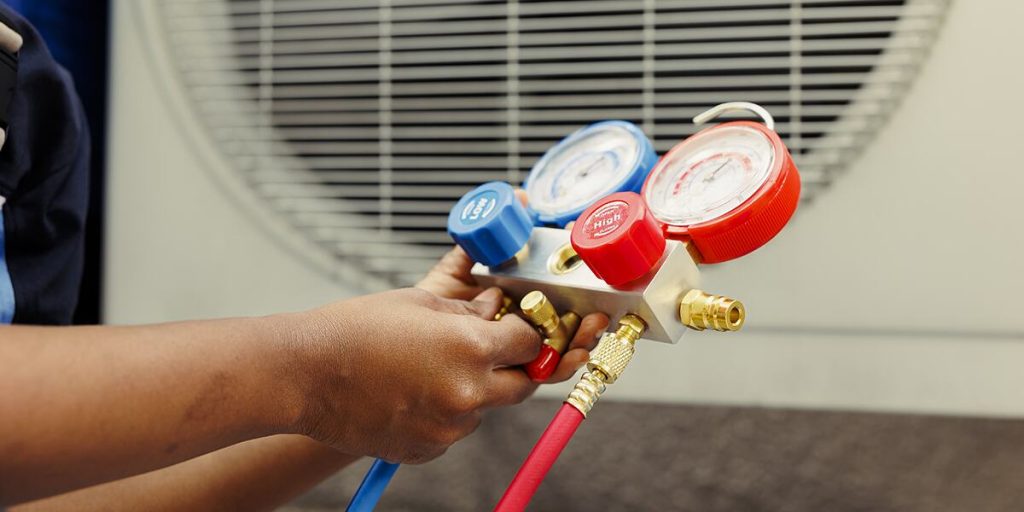
Check the current pressure of the AC system using the gauge set. Connect the gauges to the service ports on the outdoor unit.
Compare the readings with the manufacturer’s specifications. Low pressure often indicates low refrigerant levels.
Do not add refrigerant without confirming a leak-free system. Use the leak detector to find any leaks and fix them first.
Proper Refilling Techniques
Hold the refrigerant can upright to avoid liquid entering the system. Attach the can to the gauge hose securely.
Open the valve slowly to let refrigerant flow into the system. Add refrigerant in small amounts and monitor the pressure.
Stop adding when the pressure reaches the recommended level. Overcharging can damage the compressor and reduce efficiency.
After refilling, check for leaks again and test the AC performance. Proper refilling ensures the system cools effectively and runs smoothly.
When To Call A Professional
Knowing when to call a professional for your AC refrigerant needs is important. Adding refrigerant is not a simple task and can cause damage if done incorrectly. Professionals have the tools and experience to handle issues safely and effectively. They ensure your AC runs smoothly and meets legal standards.
Detecting And Repairing Leaks
Low refrigerant often means a leak in the system. Finding leaks requires special tools and skills. Professionals can locate leaks with precision. They repair leaks properly to stop refrigerant loss. Trying to fix leaks without training can worsen the problem. A professional ensures the system stays sealed and efficient.
Handling Refrigerant Types
Refrigerants come in different types, each with specific handling rules. Professionals know which type your AC uses. They follow safety guidelines to handle refrigerants correctly. Incorrect handling can cause harm to the environment and your health. A professional uses the right refrigerant and amount for your system.
Ensuring System Compliance
AC systems must meet local and federal regulations. Professionals check that refrigerant levels are within legal limits. They keep records of refrigerant use and disposal. This helps avoid fines and protects the environment. Calling a professional guarantees your AC complies with all rules.
Maintaining Optimal Ac Performance
Maintaining optimal AC performance goes beyond just adding refrigerant. It involves a series of simple but crucial tasks that keep your system running smoothly and efficiently. Paying attention to these details can save you money, avoid unexpected breakdowns, and extend the life of your AC unit.
Regular Inspections
Regular inspections help identify small issues before they become costly repairs. Check for unusual noises, leaks, or weak airflow. You don’t have to be an expert—just look for anything that feels off or different from usual.
Have you ever noticed your AC running longer than normal? That might be a sign it’s low on refrigerant or needs a deeper check-up. Catching these signs early can prevent bigger problems.
Cleaning And Replacing Filters
Dirty filters force your AC to work harder, which can cause refrigerant to drop faster. Cleaning or replacing filters every 1-3 months improves airflow and cooling efficiency. It’s a small task that makes a big difference in performance.
Think about how much dust and debris your home collects—now imagine that clogging your AC filter. Keeping filters clean helps your system maintain the right refrigerant pressure and keeps your energy bills lower.
Scheduling Annual Tune-ups
Annual tune-ups by a professional ensure your AC’s refrigerant levels are correct and the system is in good shape. During a tune-up, technicians check for leaks, test pressure, and clean critical parts. This proactive approach helps you avoid surprises during hot weather.
Have you scheduled your last tune-up? If not, it might be time. A yearly check can catch refrigerant issues early, so your AC stays reliable and efficient all season long.
Credit: www.georgiaairrepair.com
Frequently Asked Questions
How Often Should Ac Refrigerant Be Refilled?
AC refrigerant should be refilled only when there is a leak or insufficient cooling. Normally, refrigerant does not deplete over time. If your AC cools poorly, have a professional check for leaks before refilling.
What Signs Indicate Low Ac Refrigerant Levels?
Signs include weak cooling, longer run times, and ice buildup on coils. You might also notice higher energy bills. If these occur, call an HVAC technician to inspect and recharge refrigerant if needed.
Can I Add Refrigerant To My Ac Myself?
Adding refrigerant requires specialized tools and knowledge. Incorrect handling can harm the system or environment. It is safest to hire a licensed HVAC professional for recharging your AC’s refrigerant.
How Does Refrigerant Affect Ac Efficiency?
Proper refrigerant levels ensure optimal cooling and energy efficiency. Low refrigerant reduces cooling capacity and increases power consumption. Maintaining correct levels helps your AC perform well and lowers energy costs.
Conclusion
Regular AC maintenance is key for efficiency. Keep an eye on cooling performance. Notice weak airflow? It might need refrigerant. Always check for leaks first. Too much refrigerant can harm your AC. Trust a professional for precise checks. Annual servicing helps catch issues early.
Proactive care extends your AC’s life. Save money on repairs. Enjoy consistent cooling comfort. Proper refrigerant levels ensure peak operation. Stay cool and efficient.