Your car’s tires are the only part that touches the road, so their condition directly affects your safety. But how often should you really change them?
If you’re unsure, you’re not alone. Worn-out tires can cause accidents, reduce fuel efficiency, and lead to costly repairs. Knowing the right time to replace your tires can save you money and keep you safe on every drive. Keep reading to find out the key signs and expert tips that will help you know exactly when it’s time for new tires.
Credit: www.blackcircles.ca
Signs Tires Need Replacement
Tires wear down over time and lose their ability to grip the road. It is important to know when to replace them. Worn tires can cause accidents and reduce fuel efficiency.
Look for clear signs that your tires are no longer safe. This guide helps you spot those signs early.
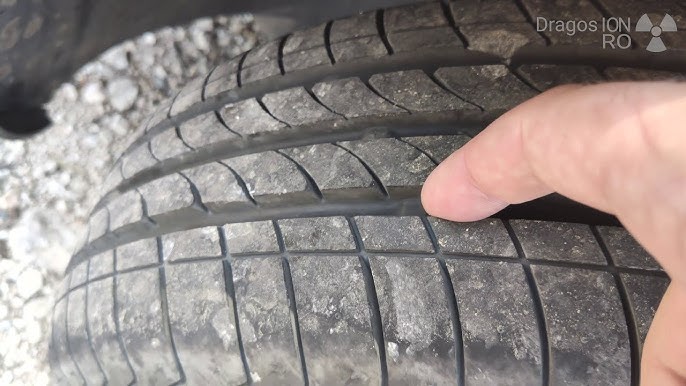
Tread Depth Indicators
Tread depth shows how much rubber is left on your tires. Tires with low tread depth cannot hold the road well in rain or snow.
- Use a tread depth gauge or a coin to check depth.
- Look for built-in tread wear bars, small raised sections between tread grooves.
- If tread is flush with these bars, replace the tires immediately.
Visible Cracks And Bulges
Cracks or bulges on the tire sidewall show damage from impact or aging. These flaws weaken the tire structure and risk blowouts.
| Type of Damage | Possible Cause | Action Needed |
| Small cracks | Sun exposure or dry rot | Inspect regularly, consider replacement |
| Large cracks | Severe aging or damage | Replace tire immediately |
| Bulges or bubbles | Impact damage to inner layers | Replace tire immediately |
Uneven Wear Patterns
Uneven wear means some parts of the tire wear faster than others. This can cause poor handling and shorter tire life.
Common uneven wear patterns include:
- Center wear: Tire pressure too high
- Edge wear: Tire pressure too low
- One-sided wear: Misaligned wheels
- Patchy wear: Suspension problems
Check your tires often and fix alignment or pressure issues early.

Credit: www.dilawri.ca
Recommended Replacement Intervals
Changing your car tires regularly is important for safety. Proper tire maintenance helps avoid accidents.
This guide will help you understand when to replace your tires. Let’s look at some guidelines based on mileage, age, and seasons.
Mileage Guidelines
Tires wear out as you drive. Mileage is a key factor in tire replacement. Most tires last between 25,000 to 50,000 miles.
- Check your tire tread regularly
- Replace tires if tread is less than 2/32 of an inch
- Rotate your tires every 6,000 to 8,000 miles
Age-based Replacement
Tires age even if not used. Rubber degrades over time. Manufacturers recommend replacing tires every 6 to 10 years.
- Check the tire’s manufacture date on the sidewall
- Replace tires if older than 6 years
- Store unused tires in a cool, dry place
Seasonal Tire Considerations
Different seasons need different tires. Winter tires have better grip in snow. Summer tires perform well in hot conditions.
- Use winter tires in snowy regions
- Switch to summer tires when the weather warms up
- All-season tires are a good compromise
Factors Affecting Tire Lifespan
Car tires do not last forever. Their lifespan depends on many factors.
Knowing these factors helps you decide when to change your tires.
Driving Habits
Your driving style affects how fast tires wear out. Hard braking and quick acceleration cause more wear.
- Frequent fast stops increase tire wear.
- Sharp turns can cause uneven tread wear.
- Driving at high speeds heats tires and reduces lifespan.
- Aggressive driving leads to faster tire damage.
Road Conditions
Road quality plays a big role in tire health. Rough or uneven roads cause more damage.
| Road Type | Effect on Tires |
| Smooth asphalt | Less wear |
| Gravel or dirt | More tread damage |
| Potholes and cracks | Risk of tire cuts and punctures |
| Wet or icy roads | Can cause slipping and uneven wear |
Maintenance Practices
Regular tire care extends tire life. Proper maintenance avoids early tire replacement.
- Check tire pressure every month.
- Rotate tires every 5,000 to 8,000 miles.
- Balance and align wheels regularly.
- Inspect tires for cuts and uneven wear.
- Replace tires when tread depth is low.
Checking Tires Regularly
Checking your car tires often keeps you safe on the road. It helps spot problems early. This can save money and prevent accidents.
Regular tire checks also improve fuel efficiency and extend tire life. Here are some key ways to keep your tires in good shape.
Tire Pressure Monitoring
Maintaining the correct tire pressure is very important. Low pressure can cause poor handling and tire damage. High pressure can make the ride uncomfortable and wear tires unevenly.
- Check tire pressure at least once a month.
- Use a reliable pressure gauge for accuracy.
- Check pressure when tires are cold.
- Follow the car manufacturer’s recommended pressure.
Visual Inspections
Look at your tires closely for signs of wear and damage. Visual checks can find cuts, cracks, or uneven tread wear. These may mean you need new tires or alignment.
| What to Check | Signs to Look For |
|---|---|
| Tread Depth | Less than 2/32 inch means replace |
| Sidewall Condition | Cracks, bubbles, or cuts |
| Tire Wear | Uneven or bald spots |
| Foreign Objects | Nails, glass, or stones |
Professional Assessments
Take your car to a tire expert regularly. They can check tire balance, alignment, and overall condition. Professionals spot issues you might miss.
- Have tires inspected twice a year.
- Replace tires if tread is worn or damaged.
- Ask about tire rotation to extend life.
- Check for recalls or defects.
Cost Benefits Of Timely Replacement
Changing car tires on time saves money in the long run. Worn tires affect your car’s performance and safety.
Understanding the cost benefits helps you make smart choices for your vehicle and budget.
Fuel Efficiency Impact
Old tires increase rolling resistance. This makes your engine work harder and burn more fuel.
- New tires help maintain proper grip and pressure.
- They reduce fuel consumption by improving road contact.
- Better fuel efficiency means fewer trips to the gas station.
Avoiding Accident Expenses
Worn tires lose traction and increase stopping distance. This raises the risk of accidents.
| Type of Expense | Potential Cost |
| Vehicle Repair | $1,000 – $5,000 |
| Medical Bills | $500 – $20,000 |
| Legal Fees | $1,000 – $10,000 |
| Insurance Premiums | Higher Rates |
Maximizing Tire Investment
Timely tire replacement extends the life of your tires and vehicle safety. It protects your investment.
Follow this simple checklist to get the most from your tires:
- Check tire pressure monthly
- Rotate tires every 5,000 miles
- Inspect tread depth regularly
- Replace tires before they reach 2/32 inch tread depth
Tips For Extending Tire Life
Car tires wear out over time. Proper care helps them last longer.
Follow simple steps to keep your tires safe and efficient.
Proper Inflation
Check tire pressure monthly. Use the recommended PSI from your car manual.
- Under-inflated tires wear on edges and reduce fuel efficiency.
- Over-inflated tires wear in the center and give a rough ride.
- Use a reliable gauge to check pressure when tires are cold.
- Adjust pressure for heavy loads or long trips.
Regular Rotation
Rotate tires every 5,000 to 8,000 miles to balance wear.
| Position | Rotation Pattern |
| Front Left | Move to Rear Right |
| Front Right | Move to Rear Left |
| Rear Left | Move to Front Right |
| Rear Right | Move to Front Left |
Wheel Alignment
Misaligned wheels cause uneven tire wear and poor handling.
Signs your wheels need alignment:
- Car pulls to one side
- Steering wheel is off-center
- Tires show uneven wear patterns
- Vibrations while driving
Credit: motorist.org
Frequently Asked Questions
How Often Should I Change My Car Tires?
Car tires typically last 3 to 6 years or 25,000 to 50,000 miles. Replace them sooner if tread is worn or damaged.
What Signs Indicate Tire Replacement Is Needed?
Look for tread wear below 2/32 inch, cracks, bulges, or uneven wear. These signs mean it’s time to change tires.
Can Seasonal Changes Affect Tire Replacement Frequency?
Yes, extreme weather can wear tires faster. Winter tires need replacement after heavy snow seasons or when tread is low.
How Does Tire Maintenance Impact Tire Lifespan?
Regular rotation, proper inflation, and alignment extend tire life. Neglecting maintenance can cause uneven wear and early replacement.
Conclusion
Changing car tires regularly keeps you safe on the road. Check your tires often for wear and tear. Most tires last about 3 to 5 years or 25,000 to 50,000 miles. Pay attention to tread depth and sidewall damage. Proper tire care helps your car run smoothly.
Don’t wait for problems to start. Stay aware and replace tires as needed. Safe driving begins with good tires. Keep your wheels ready for every trip.