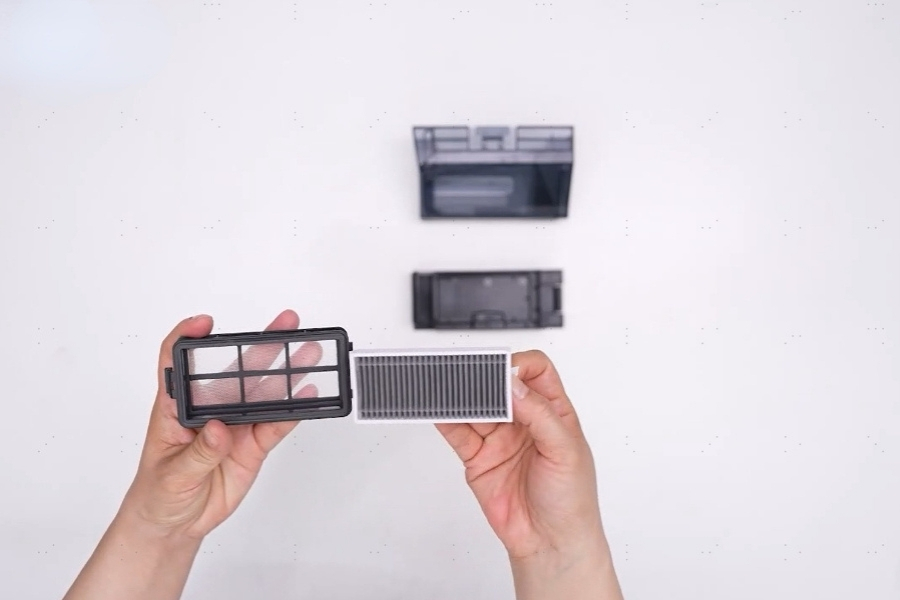
Ever noticed that your vacuum cleaner just isn’t doing its job like it used to? You might think it’s time for a new one, but the solution could be simpler and cheaper than you think.
The key to maintaining a powerful, efficient vacuum might lie in something as straightforward as changing the vacuum filter. But how often should you actually do this? This is where many homeowners get it wrong, and it’s costing them time, energy, and sometimes a hefty repair bill.
Imagine the satisfaction of a spotless floor and the peace of mind knowing your vacuum is working at its best. Understanding how often to change your vacuum filter is crucial, and it can make all the difference in keeping your home clean and your appliance in top shape. Stick around, and you’ll learn not just the “when” but also the “why” behind this essential maintenance task. Let’s dive in and ensure your vacuum cleaner is always ready to tackle the dirt and dust in your home.
Signs To Replace Vacuum Filter
Knowing when to replace your vacuum filter is key to keeping your vacuum running smoothly. Ignoring the signs can lead to poor cleaning performance and even damage to your vacuum. Watch out for these clear indicators that your filter needs changing.
Reduced Suction Power
Have you noticed your vacuum isn’t picking up dirt like it used to? Reduced suction is often the first sign that the filter is clogged. A dirty filter blocks airflow, making your vacuum work harder but clean less effectively.
Try testing the suction by placing your hand near the nozzle. If it feels weaker than before, it’s time to check the filter. Don’t wait until cleaning takes longer or requires multiple passes—replace the filter promptly.
Visible Dirt And Damage
Inspect your vacuum filter regularly. If you see visible dirt buildup, dust clumps, or even tears and holes, it’s a clear signal to replace it. A damaged filter can’t trap dust properly and may allow particles to escape back into your home.
Sometimes filters look clean on the surface but hide deep grime inside. Removing the filter and holding it up to light can reveal clogged areas. If the filter looks worn or damaged, don’t risk it—swap it out.
Unpleasant Odors
Does your vacuum leave behind a bad smell? Filters that are dirty or damp often cause unpleasant odors during cleaning. This can happen if you vacuum up pet hair, food crumbs, or moisture, which get trapped in the filter.
Smell is a strong cue that your filter needs attention. Replacing it not only improves air quality but also prevents mold growth inside your vacuum. Have you noticed strange smells after vacuuming lately? That’s a sign to check your filter now.
Types Of Vacuum Filters
Vacuum filters play a crucial role in keeping your home clean and the air you breathe healthier. Understanding the different types of vacuum filters can help you decide how often to change them. Each filter type traps dust and allergens differently, impacting both the vacuum’s performance and your indoor air quality.
Hepa Filters
HEPA filters are known for capturing tiny particles, including allergens like pollen and pet dander. These filters can trap up to 99.97% of particles as small as 0.3 microns.
Because they work so hard to clean the air, HEPA filters can clog faster than others. If you have allergies or asthma, changing your HEPA filter regularly—often every 6 to 12 months—is key to maintaining clean air.
Foam Filters
Foam filters are flexible and washable, making them a budget-friendly option. They catch larger dust particles and can usually be rinsed out and reused multiple times before needing replacement.
You should clean foam filters every few uses, but replace them when they start to tear or lose their shape. This usually means changing them every 3 to 6 months, depending on how often you vacuum.
Cartridge Filters
Cartridge filters combine layers of different materials to trap dirt and fine dust. They are common in many upright and canister vacuums and often require replacement rather than washing.
Because they collect a lot of debris quickly, replacing cartridge filters every 3 to 6 months keeps your vacuum running smoothly. Waiting too long can reduce suction power and strain the motor.
Recommended Replacement Frequency
Knowing when to change a vacuum filter keeps your machine working well. The filter catches dirt and dust. Over time, it clogs and reduces suction power. Changing it regularly keeps your vacuum strong and your home cleaner.
Based On Vacuum Type
Different vacuums need filter changes at different times. Bagless models often need filter changes every 3 to 6 months. Vacuum cleaners with bags may need less frequent filter changes. Some high-end models use washable filters that last longer but need regular cleaning.
Usage Intensity
How often you use your vacuum affects filter life. Heavy use means more dust and dirt build up. For daily or heavy use, change filters every 1 to 3 months. Light or occasional use allows for changing filters every 6 months or more.
Environment Factors
Dusty or pet-friendly homes need more frequent filter changes. Homes with pets shed hair and dander faster. Dusty or pollen-heavy areas clog filters quickly. Change filters more often to keep air fresh and vacuum strong.

Credit: www.dreametech.com
How To Change Vacuum Filter
Changing the vacuum filter keeps your vacuum cleaner working well. A clean filter improves suction and air quality. Follow simple steps to replace the filter quickly and easily. Regular changes prevent damage and extend your vacuum’s life.
Locating The Filter
Find the filter by checking your vacuum’s manual. Most filters are inside the dust compartment or near the motor. Open the dustbin or cover carefully. Look for a rectangular or circular part made of foam or fabric. Keep the vacuum unplugged before opening.
Removing The Old Filter
Take the old filter out gently. Avoid shaking it too much to stop dust spreading. Some filters have clips or covers holding them in place. Release these parts carefully. Dispose of the used filter in a trash bag to keep dust contained.
Installing The New Filter
Place the new filter in the same spot as the old one. Make sure it fits snugly without gaps. Secure any clips or covers back in place. Close the dust compartment tightly. Your vacuum is now ready to use with better performance.
Maintaining Your Vacuum Filter
Maintaining your vacuum filter is crucial for keeping your vacuum cleaner working well. A clean filter helps your vacuum pick up dirt better and lasts longer. Regular care can prevent clogs and improve air quality in your home.
Proper maintenance also saves money by reducing the need for frequent filter replacements. Small efforts like cleaning and storing the filter correctly make a big difference. Here are some simple tips to keep your vacuum filter in good shape.
Cleaning Tips
- Remove the filter carefully before cleaning.
- Tap the filter gently to remove loose dust.
- Use a soft brush to clean stubborn dirt.
- Rinse the filter with water if washable.
- Let the filter dry completely before reinstalling.
- Never use harsh chemicals or detergents.
Storage Advice
- Store the filter in a dry, cool place.
- Keep it away from direct sunlight.
- Use a clean, sealed bag or container.
- Avoid storing with heavy items that can damage it.
- Check the filter for damage before storing.
Extending Filter Life
- Clean the filter regularly based on use.
- Replace the filter when it shows wear or damage.
- Use the correct filter type for your vacuum model.
- Avoid vacuuming large debris that can clog the filter.
- Keep the vacuum’s dustbin or bag empty to reduce strain on the filter.

Credit: www.bissell.com
Impact Of Filter Condition On Cleaning
The condition of your vacuum filter greatly affects cleaning results. A clean filter traps dust and allergens effectively. A dirty filter clogs airflow, reducing suction power. This leads to less thorough cleaning and poor air quality. Replacing filters regularly keeps your vacuum working at its best. It protects your home and makes cleaning easier.
Air Quality Effects
Filters capture dust, pollen, and tiny particles. A clogged filter lets dust escape back into the air. This lowers indoor air quality and can worsen allergies. Fresh filters improve air purity by trapping more contaminants. Clean air means a healthier home environment for everyone.
Vacuum Performance
Dirty filters block airflow inside the vacuum. This reduces suction power and cleaning efficiency. Floors and carpets stay dirtier after vacuuming. Changing filters restores strong suction and better debris pickup. The vacuum runs smoothly and cleans more deeply with fresh filters.
Energy Efficiency
A clogged filter forces the vacuum motor to work harder. This uses more electricity and strains the motor. New filters allow air to flow freely, saving energy. Efficient vacuums consume less power and last longer. Regular filter changes reduce energy bills and prevent damage.
Cost Considerations For Filters
Thinking about the cost of vacuum filters might not be your first concern, but it directly affects how often you replace them and the overall maintenance budget. Filters come in various price ranges, and understanding these can help you make smarter choices without sacrificing cleaning power. Are you paying too much for a filter that doesn’t last, or too little for one that underperforms?
Filter Prices
Vacuum filter prices vary widely based on brand, type, and quality. Basic foam or cloth filters can cost as little as $5, while high-efficiency HEPA filters might run $20 to $50 each. Keep in mind, cheaper filters might need more frequent replacement, which can add up over time.
Look out for specialty filters designed for pet hair or allergens—they tend to be pricier but can improve air quality significantly. Have you checked if your vacuum requires a specific filter type? Buying the wrong one can lead to poor performance and wasted money.
Buying In Bulk
Purchasing filters in bulk often reduces the per-filter cost significantly. If you find a brand and model that works well for you, buying a pack of 3 or more can save 20-30%. This approach also means you won’t run out unexpectedly, keeping your vacuum ready to perform.
However, be cautious about stockpiling filters that might expire or degrade over time. If your vacuum model changes or you upgrade, those bulk filters might become useless. Ask yourself: how often do you realistically replace filters, and will bulk buying fit your usage pattern?
Balancing Cost And Quality
Choosing a filter isn’t just about the lowest price. A cheap filter may clog quickly, reduce suction, and force you to vacuum longer or more often. Spending a bit more on a higher-quality filter can save time and energy bills in the long run.
Consider what matters most to you: is it allergy control, pet hair removal, or just basic dust capture? Matching the filter quality to your specific needs helps you avoid unnecessary spending. Have you ever switched filters and noticed a real difference in your vacuum’s performance?
Credit: vacuumwars.com
Frequently Asked Questions
How Often Should I Change My Vacuum Filter?
Change your vacuum filter every 3 to 6 months. This prevents dust buildup and maintains suction power. Check the filter monthly if you vacuum frequently or have pets.
What Are Signs My Vacuum Filter Needs Replacement?
If suction decreases or dust escapes, your filter may be clogged. A dirty or torn filter also needs replacement to keep air clean and vacuum efficient.
Can Using A Dirty Vacuum Filter Harm My Vacuum?
Yes, a dirty filter reduces suction and strains the motor. This can cause overheating and shorten your vacuum’s lifespan. Regular filter changes protect your vacuum’s performance.
Does Vacuum Filter Type Affect How Often It Changes?
Yes, HEPA filters may last longer but still need replacing every 6 months. Foam or paper filters usually require more frequent changes. Always follow the manufacturer’s guidelines.
Conclusion
Changing your vacuum filter regularly keeps your cleaner working well. Clogged filters reduce suction and make cleaning harder. Check the filter every month for dirt and dust. Replace it at least every three months or as the manual says. Clean filters help your vacuum last longer and pick up more dirt.
A small effort saves time and keeps your home fresh. Don’t wait until the vacuum stops working properly. Stay ahead by changing the filter often. Your floors will thank you.