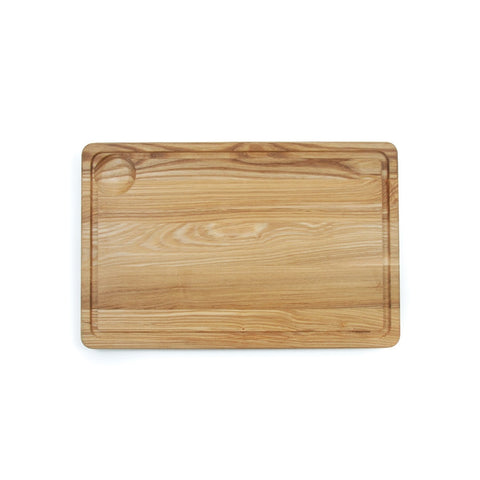
Your wood cutting board is more than just a kitchen tool—it’s an investment that can last for years with the right care. But how often should you oil it to keep it looking great and working well?
If you’ve ever wondered why your board cracks, warps, or stains, the answer often lies in proper maintenance. You’ll discover the simple steps to protect your cutting board, extend its life, and keep it safe for your food. Keep reading to learn exactly how often you need to oil your wood cutting board and why it matters for your kitchen.

Credit: www.amazon.com
Why Oil Matters
Oiling a wood cutting board keeps it safe and clean. It helps the wood last longer and work better in the kitchen.
Without oil, wood can dry out and get damaged. Regular oiling protects the board from everyday wear and tear.
Protecting Wood From Moisture
Wood soaks up water like a sponge. If the board gets wet often, it can swell and weaken.
Oiling creates a shield that stops water from entering the wood. This keeps the board dry and strong.
- Prevents water damage
- Stops mold growth
- Keeps the wood firm and healthy
Preventing Cracks And Warping
Dry wood shrinks and can crack over time. Uneven moisture makes the board bend or warp.
Oiling keeps the wood moist and balanced. It helps the board stay flat and smooth without cracks.
- Maintains wood moisture
- Reduces shrinkage
- Prevents warping and cracking
Enhancing Appearance And Longevity
Oiling gives wood a fresh, rich look. It brings out the natural grain and color of the board.
Regular oiling keeps the board smooth and easy to clean. This makes it last for many years.
- Improves wood color and shine
- Makes cleaning easier
- Extends the board’s life
Signs Your Board Needs Oiling
Wood cutting boards need regular oiling to stay strong and safe. Oiling keeps the wood from drying out and cracking. Watch your board for signs it needs oil.
Check your board often. Look for changes in the surface and how it handles water. These signs show it is time to apply oil.
Dull Or Dry Surface
A healthy wood board looks smooth and shiny. If your board looks dull or feels dry, it needs oil. Dry wood can absorb odors and stains more easily.
- The surface feels rough to touch
- Color looks faded or worn
- Food sticks more than usual
Visible Cracks Or Splits
Cracks or splits in the wood show the board is drying out badly. These breaks let bacteria grow inside the wood. Oiling helps seal and protect the surface.
| Type of Crack | Risk Level | Action Needed |
| Small hairline cracks | Low | Apply oil soon |
| Deep or wide splits | High | Consider replacing board |
| Surface checking (tiny cracks) | Medium | Oil regularly |
Water Absorbing Quickly
When water soaks in fast, the wood is dry and unprotected. A well-oiled board repels water and keeps it on the surface.
Test your board with this simple method:
- Drop a few drops of water on the board.
- Watch if the water beads or soaks in.
- If water soaks quickly, oil the board immediately.
Recommended Oiling Frequency
Oiling a wood cutting board keeps it in good condition. It helps prevent cracks and warping.
The right oiling schedule depends on use and environment. This guide explains when to oil your board.
Factors Affecting Oil Schedule
The oiling frequency depends on how often you use the board. Heavy use needs more frequent oiling.
- Frequency of use: Daily use may need weekly oiling.
- Type of wood: Hardwoods may need less oil than softwoods.
- Cleaning method: Boards washed with water need oiling more often.
- Climate: Dry air can dry out wood faster.
General Guidelines For Use
Follow these simple rules to keep your board safe and lasting longer.
| Usage Level | Oiling Frequency |
| Daily Use | Once a week |
| Weekly Use | Every two weeks |
| Occasional Use | Once a month |
| Rare Use | Every 3 months |
Seasonal Considerations
Season changes affect wood moisture. Dry winter air may need extra oiling.
- Winter: Oil every 1–2 weeks to stop drying.
- Summer: Oil monthly unless very dry.
- Spring and Fall: Oil as needed based on use.

Credit: www.smorhome.com
Choosing The Right Oil
Oiling your wood cutting board keeps it strong and clean. The right oil protects the wood from drying and cracking.
Not all oils are safe or good for your cutting board. Choose oils that keep your food safe and your board healthy.
Food-safe Oils
Use oils that do not spoil or go rancid. Food-safe oils protect your board and your health.
- Mineral oil is colorless and odorless.
- Beeswax mixed with mineral oil adds extra protection.
- Coconut oil is natural but may go rancid over time.
- Walnut oil is safe but can cause allergies in some people.
Avoiding Harmful Chemicals
Avoid oils with additives or chemicals. These can harm your cutting board and your food.
Many cooking oils contain preservatives or flavorings. These can damage the wood or make it unsafe.
- Do not use vegetable or olive oils; they can spoil.
- Stay away from oils with artificial scents or colors.
- Choose pure, natural oils without chemicals.
Benefits Of Mineral Oil Vs. Other Oils
Mineral oil is the best choice for wood cutting boards. It is safe and lasts a long time.
Other oils like coconut or walnut can smell or spoil. Mineral oil does not go bad and does not smell.
- Mineral oil seals the wood and prevents water damage.
- It does not support bacteria growth.
- Mineral oil is easy to apply and absorbs well.
- Other oils may leave sticky or smelly residues.
Step-by-step Oiling Process
Oiling your wood cutting board keeps it strong and stops it from drying out. Doing it right helps your board last longer.
This guide shows you how often to oil and the best way to do it in simple steps.
Cleaning And Drying The Board
Before oiling, clean your board well. Use warm water and mild soap to wash off food and dirt.
Rinse it with water and dry it with a clean towel. Let the board air dry fully so no water stays inside.
Applying Oil Evenly
Use a clean cloth or paper towel to apply food-safe mineral oil. Pour a small amount on the board first.
Rub the oil in circular motions to cover the whole surface. Don’t forget the edges and sides.
- Start with a few drops of oil
- Spread evenly with a soft cloth
- Cover all areas, including sides
- Add more oil if some spots look dry
Letting Oil Soak And Wipe Off Excess
Let the oil soak into the wood for at least a few hours. Overnight is best for deep absorption.
After soaking, use a clean cloth to wipe off any extra oil. This stops the board from feeling sticky.

Credit: www.souschef.co.uk
Additional Care Tips
Oiling your wood cutting board keeps it healthy and strong. Along with oiling, some extra care helps the board last longer.
These tips focus on cleaning, avoiding damage, and storing the board the right way.
Cleaning After Each Use
Clean your wood cutting board after every use to stop bacteria growth. Use warm water and mild soap for cleaning.
Dry the board well with a clean towel to avoid water damage.
- Use a soft sponge or cloth
- Rinse with warm water
- Apply mild dish soap only
- Dry immediately with a towel
Avoiding Dishwashers And Soaking
Do not put your wood cutting board in the dishwasher. Heat and water can make it crack and warp.
Never soak the board in water. Soaking causes the wood to swell and weaken over time.
- Keep the board away from hot water
- Never leave it in water for long
- Hand wash only
- Dry right after washing
Storing Properly To Extend Life
Store your cutting board in a dry place with good air flow. This helps prevent mold and warping.
Stand the board upright or lay it flat. Avoid stacking heavy items on top of it.
- Keep the board away from heat sources
- Store in a dry, ventilated area
- Place upright or flat, not leaning
- Do not stack heavy items on it
Frequently Asked Questions
How Often Should I Oil My Wood Cutting Board?
You should oil your wood cutting board once a month. Regular oiling keeps the board hydrated and prevents cracks. If used frequently, consider oiling every two weeks. Always use food-safe mineral oil. Avoid vegetable oils as they can go rancid and affect your board.
Can I Use Olive Oil For My Cutting Board?
It’s not recommended to use olive oil on your cutting board. Olive oil can go rancid, leaving a sticky surface. Use a food-grade mineral oil instead. It penetrates the wood deeply, providing better protection. Regular maintenance with the right oil prolongs your board’s life.
What Signs Show My Cutting Board Needs Oiling?
Look for dryness, cracks, or a faded appearance on your cutting board. If water absorbs quickly instead of beading up, it’s time to oil. Regular checks ensure your board stays in optimal condition. Keeping it well-oiled maintains its hygiene and durability.
Is Mineral Oil Safe For My Cutting Board?
Yes, food-grade mineral oil is safe and recommended for wood cutting boards. It’s non-toxic and effectively seals the wood. Mineral oil prevents moisture absorption, which can cause warping. Regular use enhances the board’s lifespan, making it a reliable kitchen tool.
Conclusion
Oiling your wood cutting board keeps it strong and safe. Apply oil once a month or when the wood looks dry. Regular care stops cracks and warping. Clean the board well before oiling. Use food-safe mineral oil for the best results.
A well-oiled board lasts longer and stays beautiful. Small efforts make a big difference in board care. Keep your kitchen tools in top shape with simple steps. Healthy boards help keep your food fresh and clean. Easy maintenance makes cooking more enjoyable every day.