Your bike helmet is your most important safety gear, but do you know when it’s time to replace it? You might be surprised how often you should get a new one to keep yourself truly protected.
Wearing an old or damaged helmet can put you at risk without you even realizing it. You’ll discover clear signs and simple guidelines to help you know exactly when to replace your bike helmet. Keep reading to make sure your head stays safe every time you ride.
Helmet Lifespan
A bike helmet protects your head from injuries. Knowing when to replace it is very important.
Helmets do not last forever. Over time, their ability to protect you gets weaker.
Manufacturer Recommendations
Most helmet makers say to replace helmets every 3 to 5 years. This is if the helmet has no damage.
Check your helmet’s manual or label. Follow the specific time period the maker gives.
- Replace after 3 to 5 years of use
- Follow the helmet maker’s instructions
- Replace sooner if helmet is damaged
Material Degradation Over Time
Helmet materials, like foam and plastic, break down over time. Sunlight and sweat speed this process.
Old helmets may look fine outside. Inside, the foam may be weak and less safe.
- Foam loses strength after a few years
- Plastic shell can become brittle
- Exposure to sun and sweat causes wear
- Older helmets may not protect well
Credit: bernhelmets.com
Signs To Replace Helmet
Knowing when to replace your bike helmet is important for your safety. Helmets wear down over time and may not protect well after damage.
Look for clear signs that show your helmet needs replacing. This keeps you safe on every ride.
Visible Damage
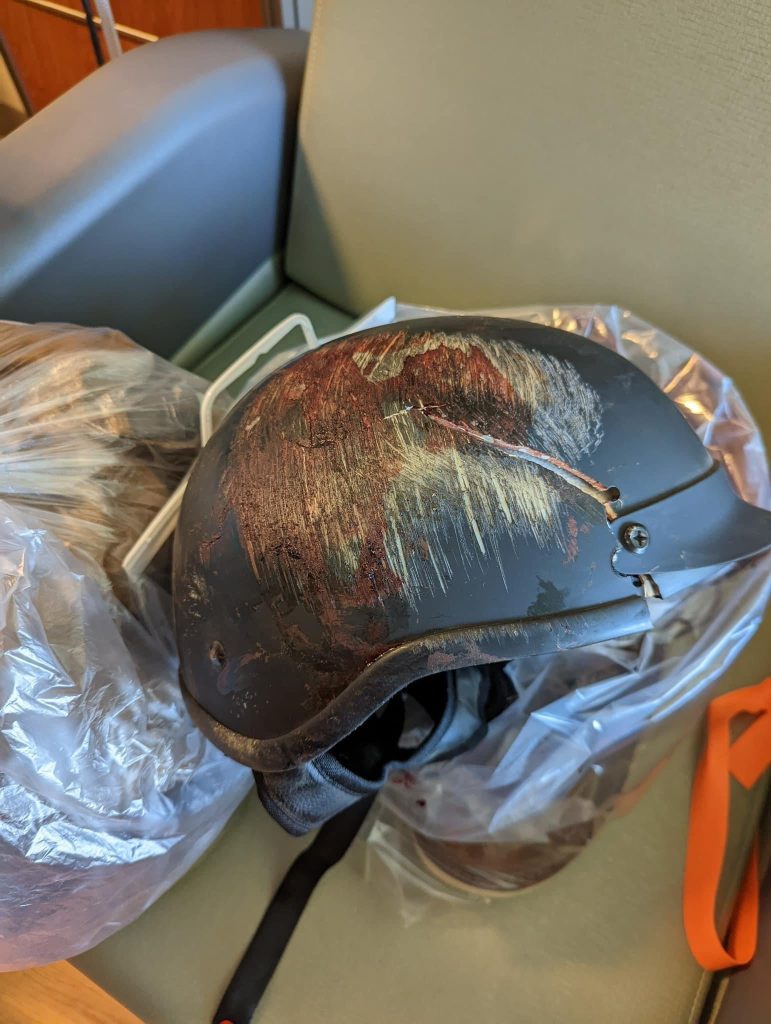
Check your helmet for cracks, dents, or deep scratches. These damages can weaken the helmet’s structure.
- Cracks in the outer shell
- Broken or missing foam pieces inside
- Loose or damaged straps or buckles
- Any signs of wear that expose the inner layers
Impact History
Helmets are built to take one major impact. Even if it looks fine, a helmet may not protect well after a crash.
| Impact Type | Helmet Status |
| Single minor bump | Inspect carefully, may still be usable |
| Strong impact or fall | Replace immediately |
| Unknown impact | Consider replacing to be safe |
| No impacts | Replace every 5 years |
Fit And Comfort Changes
If your helmet feels loose or uncomfortable, it may not protect well. Fit can change over time due to wear or damage.
Signs your helmet fit needs checking:
- Helmet moves easily on your head
- Straps do not hold the helmet tightly
- Pads inside wear out or fall off
- Helmet causes pressure or pain points
Helmet Storage Tips
Proper storage helps keep your bike helmet safe and effective. Storing it the right way can extend its life.
Knowing how to avoid damage from heat and sun is key. Also, following good storage habits protects the helmet’s materials.
Avoiding Heat And Sun Exposure
Heat and sunlight can weaken your helmet’s protective shell and foam. Avoid leaving your helmet in direct sun or hot places.
- Do not store your helmet on a car dashboard or near windows.
- Keep it away from heaters and radiators inside your home.
- Avoid leaving it outside in the sun for long periods.
- Use a helmet bag or cover if you must leave it in the sun briefly.
Proper Storage Practices
Store your helmet in a cool, dry place where it won’t get crushed or damaged. Keep it clean and dry before storing.
| Storage Location | Why It Works |
| Helmet shelf or hook | Keeps helmet safe and prevents deformation |
| Helmet bag or soft pouch | Protects from dust and scratches |
| Dry indoor closet | Prevents moisture damage and mold |
| Away from heavy objects | Avoids crushing or dents |
Choosing The Right Helmet
Picking the right bike helmet is very important for your safety. It protects your head in crashes and reduces injury risks.
Helmets come in many styles and safety levels. Knowing what fits your needs helps you stay safe on every ride.
Safety Certifications
Safety certifications show that a helmet meets basic protection standards. Look for these marks before buying a helmet.
Certified helmets undergo tests for impact absorption, strap strength, and coverage. These ensure your helmet will protect you well.
- CPSC (USA) – Required for all bike helmets sold in the U.S.
- CE EN 1078 (Europe) – European safety standard for bike helmets
- ASTM F1447 – Standard for helmets used in recreational cycling
- Snell B90/B95 – Higher safety standards, mostly for racing helmets
Helmet Types And Uses
Different helmets fit different riding styles. Choose a helmet type that matches how you use your bike.
Helmet shape, ventilation, and weight vary. This affects comfort and protection for each type of ride.
- Road Helmets – Lightweight and well-ventilated for speed and long rides
- Mountain Bike Helmets – Stronger build, more coverage, often with visors
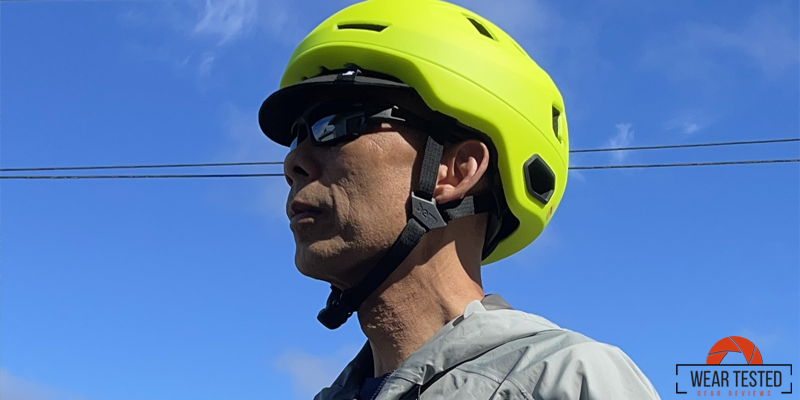
- Commuter Helmets – Balanced for comfort and safety in city riding
- Kids’ Helmets – Smaller sizes with bright colors and extra padding
- Full-face Helmets – Maximum protection for downhill and BMX biking
Helmet Maintenance
Bike helmets protect your head during falls. Keeping them in good shape is very important.
Regular maintenance helps helmets last longer and stay safe to use.
Cleaning Guidelines
Clean your helmet often to remove dirt and sweat. Use mild soap and warm water only.
Avoid strong chemicals or solvents. They can damage the helmet’s material.
- Use a soft cloth or sponge for cleaning
- Do not soak the helmet in water
- Let the helmet air dry away from sunlight
- Remove and wash any removable padding separately
Strap And Buckle Care
Check straps and buckles for wear or damage every time you use the helmet.
Keep straps clean and dry. Dirt and sweat can weaken the straps over time.
- Wipe straps with a damp cloth and mild soap
- Rinse well and air dry completely
- Test buckles to make sure they lock securely
- Replace damaged straps or buckles immediately

Credit: lazersport.ca
Impact Of Technology
Bike helmets have changed a lot with new technology. These changes help protect riders better.
Technology also affects how often you should replace your helmet. New features can wear out or get outdated.
Mips And Advanced Safety Features
MIPS stands for Multi-directional Impact Protection System. It helps reduce brain injury in crashes.
Many helmets now include MIPS or similar features. These help protect against angled impacts.
- MIPS uses a low-friction layer inside the helmet.
- This layer lets the helmet move slightly on impact.
- It lowers the force transferred to the brain.
- Other features may include better padding and stronger shells.
When To Upgrade For Safety
Replace your helmet after any crash. Damage may not always be visible but can weaken protection.
Technology also changes fast. Helmets older than five years may lack newer safety features.
- Check helmet age on the label or inside the shell.
- Replace helmets every five years even without damage.
- Upgrade if your helmet lacks MIPS or other new safety tech.
- New helmets may protect better in modern crash tests.

Credit: road.cc
Frequently Asked Questions
How Often Should You Replace A Bike Helmet?
You should replace your bike helmet every 3-5 years. Over time, materials degrade and safety standards improve. Always check for visible damage after accidents. Even if it looks fine, wear and tear can compromise protection.
Can A Bike Helmet Expire?
Yes, bike helmets can expire due to material degradation. Exposure to sunlight, sweat, and weather can weaken them. Manufacturers often suggest replacement every 3-5 years for optimal safety.
What Signs Indicate It’s Time To Replace A Helmet?
Replace your helmet if you notice cracks, dents, or frayed straps. Also, if the fit becomes loose or uncomfortable, it’s time for a new one. Always prioritize safety over aesthetics.
Does Dropping A Helmet Mean Replacement Is Needed?
Dropping a helmet can compromise its integrity. Inspect for visible damage, like cracks or dents. If in doubt, it’s safer to replace it. Helmets are designed for one-time impact protection.
Conclusion
Bike helmets protect your head during rides. Replace them every three to five years. Cracks or dents mean immediate replacement. Sweat and sunlight wear down the materials. Old helmets lose their safety features. Always check the manufacturer’s guidelines too. A fresh helmet ensures better protection.
Stay safe and enjoy your biking trips. Don’t wait until damage shows. Regular replacement keeps your helmet reliable. Your head deserves the best care.