Is your refrigerator on its last legs, or is it still cooling strong? Knowing when to replace your refrigerator isn’t just about avoiding spoiled food—it’s about efficiency, saving money, and peace of mind.
You may wonder if your trusty kitchen companion is due for an upgrade or if it can keep chilling for a few more years. We’ll explore the signs that suggest it’s time for a new fridge and how often you should consider replacing it.
By the end, you’ll have a clear understanding of how to keep your kitchen running smoothly and efficiently. Don’t let a malfunctioning fridge throw your routine off balance. Let’s ensure your kitchen stays the heart of your home, fresh and functional.
Signs It’s Time To Replace
Knowing when to replace your refrigerator saves money and prevents food spoilage. Some signs clearly show your fridge is past its prime. Watch closely for unusual noises, cooling problems, frequent breakdowns, and rising energy costs. These signals mean it’s time to consider a new unit.
Unusual Noises
Strange sounds like loud humming, clicking, or buzzing are warning signs. These noises often mean parts are failing or the motor struggles. A healthy fridge should run quietly without constant noise.
Poor Cooling Performance
If your fridge doesn’t keep food cold enough, it’s a big problem. Warm spots or frost buildup inside indicate cooling issues. A fridge that can’t maintain temperature risks food safety and wastes energy.
Frequent Repairs
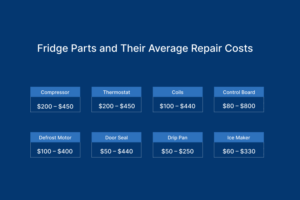
Regular fixes cost time and money. Constant visits from the repair person show your fridge is unreliable. At some point, repair bills exceed the price of a new refrigerator.
Rising Energy Bills
An old fridge uses more electricity to run. Noticeable increases in your energy bill can trace back to an inefficient fridge. New models use less power, saving money in the long run.
Credit: www.selecthomewarranty.com
Average Lifespan Of Refrigerators
Knowing the average lifespan of refrigerators helps you plan your kitchen upgrades and avoid unexpected breakdowns. Refrigerators don’t last forever, but understanding how long yours might serve you can save time and money. The lifespan varies widely based on the type and brand, as well as other factors affecting its longevity.
By Type And Brand
Different types of refrigerators come with different life expectancies. For example, top-freezer models often last longer than side-by-side or French door refrigerators because they have fewer complex parts.
- Top-Freezer:Usually lasts about 14 to 17 years.
- Bottom-Freezer:Typically lasts 12 to 15 years.
- Side-by-Side:Expect around 10 to 15 years.
- French Door:Usually lasts 10 to 15 years but may require more maintenance.
Brand also plays a significant role. Some brands are known for durability, while others may prioritize features over longevity.
| Brand | Average Lifespan (Years) | Notes |
|---|---|---|
| Whirlpool | 14-17 | Reliable with straightforward designs |
| Samsung | 10-14 | Feature-rich but may need more repairs |
| LG | 10-15 | Good balance of technology and durability |
| GE | 12-16 | Known for solid build quality |
Factors Affecting Longevity
How you use and maintain your refrigerator impacts its lifespan as much as its type or brand. Do you clean the coils regularly? Neglecting this can cause your fridge to overwork and wear out faster.
Temperature settings matter too. Setting your fridge too cold won’t keep food fresher longer but will strain the compressor. Are you aware of the ideal temperature ranges?
- Keep fridge between 37-40°F (3-4°C)
- Freezer should be at 0°F (-18°C)
- Ensure door seals are tight to prevent cold air leaks
Power surges and electrical issues also shorten your appliance’s life. Using a surge protector can be a simple fix to protect your investment.
Finally, consider usage intensity. A large family fridge working nonstop will wear out sooner than a single-person household’s model. Have you noticed performance changes as your household size changed?
Energy Efficiency And Savings
Energy efficiency plays a big role in deciding when to replace your refrigerator. New models use less electricity, which directly cuts down your utility bills. Understanding how energy savings work can help you decide if it’s time to upgrade your fridge.
Comparing Old Vs New Models
Older refrigerators can use up to twice the energy of modern units. If your fridge is more than 10 years old, it’s likely costing you more than necessary. New models have improved insulation and compressors that run smarter, not harder.
Think about your last electric bill. Could a newer fridge reduce those charges? Many people don’t realize how much energy their old appliances waste until they see the difference firsthand after replacing them.
Energy Star Ratings
Look for the Energy Star label when shopping for a new refrigerator. This rating means the appliance meets strict energy efficiency guidelines set by the government. It can save you hundreds of dollars over its lifespan.
Energy Star fridges often use features like LED lighting and advanced temperature controls to minimize power use. Choosing one means you’re making a smart choice for both the environment and your wallet.
Long-term Cost Benefits
Replacing your fridge isn’t just about upfront cost—it’s about long-term savings. New refrigerators may cost more initially but use less energy and require fewer repairs. This lowers your overall spending.
Consider how much you spend on electricity each year. Will these savings add up to cover the price of a new fridge? Many find that within a few years, the reduced energy bills justify the investment.
Credit: www.oliverdyersappliance.com
When To Repair Vs Replace
Deciding whether to repair or replace a refrigerator can be tricky. The choice depends on several factors. Understanding these can save money and avoid frustration. This section helps to weigh the options clearly.
Cost Of Repairs
Check the repair estimate before making a decision. Small repairs under $200 may be worth it. Expensive repairs close to half the cost of a new fridge usually mean replacement is better. Also consider if the part is easy to find or rare. Sometimes, repair costs add up quickly.
Age Of The Appliance
Look at how old the refrigerator is. Most fridges last 10 to 15 years. If the appliance is older than 10 years, replacement might be smarter. New models use less energy and work more efficiently. An old fridge may break down again soon after repair.
Impact On Performance
Assess how well the fridge cools and preserves food. If it struggles to keep temperature or makes strange noises, it might be failing. Frequent problems and poor performance mean replacement is likely better. A new fridge keeps food fresh longer and saves energy costs.
Smart Features In Modern Refrigerators
Modern refrigerators come packed with smart features that can change how you manage your kitchen and food storage. These innovations do more than just keep your groceries cold; they offer convenience, efficiency, and control right at your fingertips. Understanding these features can help you decide when it’s time to upgrade your old fridge for a smarter, more efficient model.
Connectivity And Controls
Many newer refrigerators connect to your home Wi-Fi, allowing you to control settings from your smartphone. Imagine adjusting the temperature or checking what’s inside your fridge while you’re at the grocery store. This connectivity also enables alerts, like when the door is left open or if the temperature rises unexpectedly, helping you avoid food spoilage.
Have you ever wished you could get a reminder to buy milk before you run out? Some smart fridges can track your groceries and suggest shopping lists based on your usage. This level of control makes managing your kitchen easier and reduces waste.
Temperature Management
Precise temperature control is a game changer in preserving food freshness. Modern refrigerators often feature multiple temperature zones that you can customize for different types of food. This means your meats, fruits, and dairy products each get the perfect environment to stay fresh longer.
Some models even use sensors to detect humidity levels and adjust cooling accordingly. This helps prevent freezer burn and keeps vegetables crisp. Have you noticed how your old fridge sometimes freezes or wilts food? These smart temperature features solve that problem.
Storage Innovations
Smart refrigerators offer clever storage solutions that maximize space and improve organization. Adjustable shelves, flexible compartments, and clear drawers make it easier to find what you need quickly. Some models even have dedicated zones for items like deli meats or beverages.
With features like door-in-door access, you can grab frequently used items without opening the entire fridge, saving energy. Have you ever opened your fridge and struggled to find that one item buried at the back? These storage innovations help you avoid that hassle every day.
Environmental Impact And Recycling
Replacing a refrigerator impacts the environment in many ways. Old fridges contain harmful chemicals and materials that must be handled with care. Recycling and proper disposal help reduce pollution and save natural resources. Understanding these steps helps protect the planet and promotes a cleaner future.
Proper Disposal Methods
Discarding a refrigerator requires special care. Avoid throwing it in regular trash bins. Many parts contain refrigerants that harm the ozone layer. Contact local waste facilities for safe disposal options. Some areas offer pickup services for large appliances.
Recycling Programs
Recycling programs recover valuable materials from old refrigerators. Metals, plastics, and glass get reused in new products. These programs reduce landfill waste and conserve energy. Check for certified recycling centers nearby. Many manufacturers also run take-back programs for old units.
Reducing Carbon Footprint
Replacing a fridge with an energy-efficient model lowers carbon emissions. New refrigerators use less electricity and produce fewer greenhouse gases. Maintaining your fridge well extends its life and cuts waste. Proper recycling of old fridges stops harmful gases from escaping into the air.
Tips For Choosing A Replacement
Choosing the right refrigerator replacement takes some thought. It should fit your space, needs, and budget well. Picking the wrong size or type leads to wasted money or frustration. Focus on key factors to get the best fridge for your home.
Size And Capacity
Measure your kitchen space before buying. The fridge should fit without blocking doors or walkways. Think about how much food your family stores. A bigger fridge is useful for large families. Smaller ones save space and energy for fewer people.
Energy Consumption
Check the energy rating label on new models. Look for fridges with high efficiency ratings. They use less electricity and lower your bills. Energy-efficient models also help the environment. Consider models with LED lighting and good insulation.
Budget Considerations
Set a spending limit before shopping. Prices vary by size, brand, and features. Decide what features are must-haves and what you can skip. Sometimes paying a bit more saves money on energy later. Balance upfront cost with long-term savings for best value.
Maintaining Your New Refrigerator
Maintaining your new refrigerator helps it last longer and work well. Proper care saves energy and keeps food fresh. Small efforts every week keep problems away. Follow simple tips to keep your fridge clean and efficient.
Cleaning And Care
Wipe shelves and drawers with warm, soapy water. Avoid harsh chemicals that can damage surfaces. Clean the door seals to keep cold air inside. Remove food spills quickly to prevent odors. Empty and defrost freezer if frost builds up.
Regular Inspections
Check the temperature settings monthly. Keep the fridge between 37-40°F (3-4°C). Look for unusual noises or leaks. Inspect door seals for cracks or gaps. Ensure vents and coils are free from dust and dirt.
Optimizing Performance
- Keep the fridge away from heat sources.
- Do not overload; allow air to circulate.
- Close the door quickly after use.
- Set the correct temperature for energy savings.
- Use energy-efficient light bulbs if needed.

Credit: www.sloanappliance.com
Frequently Asked Questions
How Often Should I Replace My Refrigerator?
Most refrigerators last 10 to 20 years. Replace yours if it’s over 15 years old or shows frequent issues. Newer models are more energy-efficient and cost-effective in the long run.
What Are Signs I Need A New Fridge?
Look for excessive noise, inconsistent cooling, leaks, or high energy bills. These signs suggest your refrigerator is failing and may need replacement soon.
Is It Worth Repairing An Old Refrigerator?
If repair costs exceed 50% of a new fridge’s price or problems recur, replacement is better. New models save energy and reduce maintenance costs over time.
How Can I Extend My Refrigerator’s Lifespan?
Regularly clean coils, check door seals, and avoid overloading. Proper maintenance can help your refrigerator work efficiently and last longer, delaying replacement.
Conclusion
Replacing your refrigerator depends on its age and performance. Most last about 10 to 15 years. Watch for signs like strange noises or poor cooling. Regular cleaning helps it work better longer. Choosing energy-efficient models saves money and power. Keep an eye on repair costs; sometimes replacement is smarter.
A well-maintained fridge keeps food fresh and safe. Decide based on your needs and budget. Stay informed to make the best choice for your home.