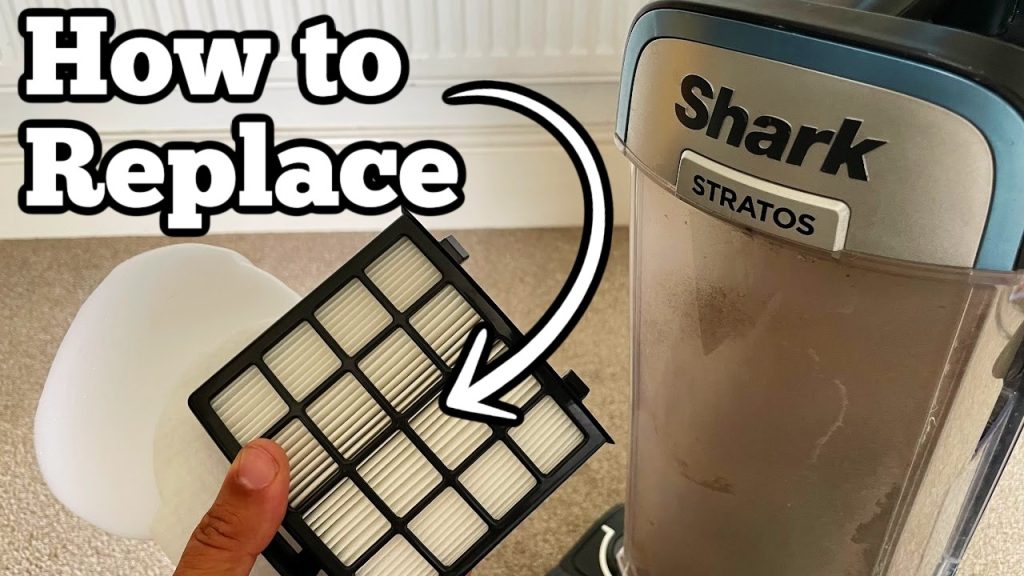
Are you noticing that your Shark vacuum isn’t performing as well as it used to? It might be time to check the filter.
Many vacuum owners overlook this crucial maintenance step, yet it can make a world of difference in your vacuum’s efficiency. Knowing how often to replace your Shark vacuum filter can save you time, money, and the hassle of dealing with a machine that just doesn’t clean like it should.
In this guide, you’ll discover the optimal replacement schedule to keep your vacuum in top shape. Stick around to learn the secrets to maintaining a powerful, reliable cleaning tool that keeps your home pristine. Don’t let a clogged filter stand in the way of a spotless floor!
When To Change Shark Vacuum Filters
Knowing when to change your Shark vacuum filter is key to keeping your cleaner working effectively. Filters trap dust, dirt, and allergens, but over time they get clogged and lose their ability to do so. Paying attention to certain signs and following guidelines helps you decide the right time to replace them.
Signs Of A Dirty Filter
You might notice your vacuum losing suction power or making unusual noises. These are common signs that the filter is clogged and needs cleaning or replacement.
Another clear indication is a visible layer of dust or discoloration on the filter. If you see particles building up or the filter looks worn, it’s time to change it.
Have you observed more dust around your home despite vacuuming? That can mean the filter is no longer trapping dirt efficiently.
Manufacturer’s Recommendations
Shark suggests replacing vacuum filters every 3 to 6 months depending on usage. If you vacuum daily or have pets, you might need to change filters more often.
Check your vacuum’s user manual for specific advice. Some models come with washable filters that still require periodic replacement to maintain performance.
Following these guidelines helps avoid damage to your vacuum’s motor and prolongs its lifespan.
Impact On Vacuum Performance
A clogged filter forces your vacuum to work harder, which can reduce suction and cleaning efficiency. This means you spend more time and effort cleaning.
Dirty filters also strain the motor, potentially leading to costly repairs or a shorter vacuum lifespan.
Replacing filters regularly keeps your vacuum running smoothly and saves you money in the long run. Would you rather keep your vacuum at peak power or struggle with weak suction?
Types Of Shark Vacuum Filters
Shark vacuum cleaners use different types of filters to keep dust and allergens trapped, ensuring your home stays clean and the air stays fresh. Knowing the type of filter your Shark vacuum uses helps you decide how often to replace it and maintain peak performance. Let’s look at the main types of Shark vacuum filters and what makes each unique.
Foam Filters
Foam filters are soft and flexible, designed to trap larger dust particles and debris before they reach the motor. You can usually wash these filters with water, which makes them last longer if you clean them regularly. If you notice your vacuum losing suction, it might be time to check the foam filter for clogs or damage.
Hepa Filters
HEPA filters capture tiny allergens like pollen, pet dander, and dust mites, making them ideal for allergy sufferers. These filters are not washable, so you need to replace them as recommended, often every 6 months to a year. If you or someone in your home has allergies, keeping the HEPA filter fresh can make a noticeable difference in air quality.
Felt Filters
Felt filters act as an additional layer to catch fine dust and protect the vacuum’s motor. They are less common but still important for certain Shark models. Felt filters can sometimes be washed, but if they start falling apart or look worn, replacing them promptly will keep your vacuum running smoothly.
Cleaning Vs. Replacing Filters
Deciding between cleaning and replacing your Shark vacuum filter can be tricky. Both play a key role in keeping your vacuum working well, but knowing when to clean and when to replace can save you time and money. Understanding the difference helps maintain suction power and improves air quality in your home.
How To Clean Filters Properly
Cleaning your Shark vacuum filter is simple but requires attention to detail. First, remove the filter carefully to avoid damaging it. Then, rinse it under cold water without using any soap or detergent.
Let the filter air dry completely for at least 24 hours before putting it back. Never put a wet filter back into the vacuum because it can cause mold growth and damage the machine. Regular cleaning every 1-3 months keeps your vacuum running smoothly and extends the filter’s life.
When Cleaning Is Not Enough
You might wonder how to tell if cleaning the filter is enough or if it needs replacement. If you notice a constant drop in suction power, despite cleaning, your filter may be worn out. Filters also lose their ability to trap dust and allergens after long use.
Look for visible damage such as tears or holes in the filter material. If your vacuum starts making strange noises or overheating, it’s a sign the filter isn’t working properly. Replacing the filter every 6-12 months ensures your vacuum stays efficient and your home stays clean.

Credit: www.reddit.com
Steps To Replace Shark Vacuum Filters
Replacing your Shark vacuum filter might seem like a small task, but it plays a huge role in keeping your vacuum running smoothly. Knowing exactly how to swap out the old filter for a new one ensures your vacuum maintains strong suction and cleans efficiently. Here’s a straightforward guide to help you replace your Shark vacuum filters without any hassle.
Removing The Old Filter
Start by unplugging your vacuum for safety. Locate the filter compartment, which is usually behind the dust cup or near the dustbin.
Open the compartment carefully and take out the old filter. If it feels stuck, gently wiggle it free to avoid damaging the vacuum parts.
Have you noticed a drop in suction lately? This step often reveals why—the filter might be clogged or too worn to work well.
Installing The New Filter
Take your new filter out of its packaging and check for any protective covers or plastic films. Remove those before placing the filter.
Insert the new filter into the compartment, making sure it aligns properly with the vacuum’s design. Don’t force it—filters should slide in smoothly.
Remember, using the right filter model for your Shark vacuum is key. A mismatched filter won’t fit correctly and can reduce cleaning performance.
Ensuring Proper Fit
After installing, close the filter compartment securely. A loose fit can cause dust to escape and reduce suction power.
Turn on your vacuum and listen for any unusual noises or check for suction issues. This quick test confirms if the filter is seated correctly.
Have you ever skipped this step and later found dust leaking out? Taking a moment to double-check can save you from cleaning up messes later.
Cost And Availability Of Replacement Filters
Knowing the cost and availability of Shark vacuum replacement filters helps maintain your vacuum efficiently. Replacement filters vary in price depending on model and type. Finding genuine filters is important for performance and longevity. Budgeting for regular filter changes keeps your vacuum working well without surprises.
Where To Buy Genuine Filters
Genuine Shark filters are available from multiple sources. Buying from official Shark websites ensures authenticity. Major online retailers also stock genuine filters for many models. Physical stores with vacuum or home appliance sections carry genuine Shark filters too. Always check the filter model number before purchase to match your vacuum.
Price Range And Budget Tips
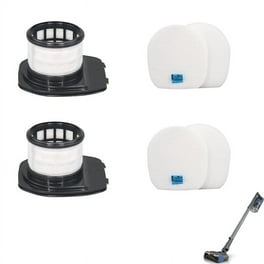
Shark vacuum filters usually cost between $10 and $30. Prices depend on filter type and vacuum model. Buying filters in packs can lower the cost per filter. Look for sales or discounts on trusted websites. Avoid very cheap filters; they may wear out faster and reduce vacuum efficiency.
Credit: vacuumwars.com
Tips To Extend Filter Life
Extending the life of your Shark vacuum filter not only saves you money but also keeps your vacuum running at peak performance. Small habits and care routines can make a big difference in how long your filter stays effective. Let’s look at practical tips you can apply right away to get the most out of your filter.
Regular Maintenance Practices
Cleaning your filter regularly prevents dust buildup that can clog and reduce its efficiency. After every few uses, tap the filter gently to remove loose dirt or rinse it under cold water if the manufacturer allows. Make sure the filter is completely dry before placing it back to avoid mold growth.
Check for any visible tears or wear during each cleaning session. Replacing a damaged filter early prevents further strain on your vacuum’s motor. Have you noticed your vacuum losing suction? It might be time to inspect your filter more closely.
Proper Storage And Usage
Store your vacuum and filter in a dry, cool place to avoid moisture damage. Avoid using the vacuum on wet surfaces unless it’s designed for that purpose, as wet debris can ruin the filter. Keeping your vacuum upright and not leaning it on one side helps maintain the filter’s shape and function.
Also, avoid overfilling the dustbin, as this can force particles into the filter, clogging it faster. Are you careful about what you vacuum? Picking up large debris or liquids can shorten filter life significantly. Treat the filter gently during handling to extend its lifespan even more.
Common Issues From Neglecting Filter Replacement
Neglecting to replace your Shark vacuum filter causes several problems. The filter traps dirt, dust, and allergens. Over time, it gets clogged and less effective. This impacts the vacuum’s performance and your home’s cleanliness. Understanding these common issues helps keep your vacuum working well.
Reduced Suction Power
A dirty filter blocks airflow inside the vacuum. This reduces suction power significantly. Your vacuum struggles to pick up dust and debris. Floors stay dirty despite cleaning efforts. The vacuum motor works harder but cleans less. Regular filter replacement restores strong suction.
Overheating And Motor Damage
Clogged filters cause the vacuum motor to overheat. Poor airflow forces the motor to work harder. Heat builds up inside the machine. Over time, this damages the motor parts. Motor damage leads to costly repairs or replacement. Clean filters help the motor run cool and last longer.
Allergen Build-up
Filters capture allergens like dust mites and pet dander. When filters are old, allergens stay trapped inside. This reduces indoor air quality and worsens allergies. Dust and allergens escape back into your home. Changing the filter regularly keeps allergens contained. It helps maintain a healthier environment for your family.
Credit: www.walmart.com
Frequently Asked Questions
How Often Should I Replace My Shark Vacuum Filter?
Replace your Shark vacuum filter every 3 months for optimal performance. Frequent replacement ensures efficient suction and cleaner air. If you use the vacuum heavily or have pets, consider replacing it more often.
Can I Clean Shark Vacuum Filters Instead Of Replacing?
Yes, some Shark vacuum filters are washable and reusable. Clean them every 1-2 months by rinsing with water. Allow the filter to dry completely before reinstalling to prevent damage or mold growth.
What Happens If I Don’t Replace Shark Vacuum Filters?
Not replacing filters reduces suction power and traps dirt inefficiently. This leads to poor cleaning and may cause motor strain. Regular filter replacement maintains vacuum efficiency and prolongs its lifespan.
How Do I Know When Shark Vacuum Filter Needs Replacing?
Replace the filter if you notice reduced suction or visible dirt buildup. Also, check for unpleasant odors or longer cleaning times. Following the manufacturer’s replacement schedule ensures top vacuum performance.
Conclusion
Replacing your Shark vacuum filter keeps your cleaner working well. Change the filter every 3 to 6 months. This helps your vacuum pick up dirt better. A clean filter also stops bad smells from building up. Watch for signs like less suction or dust escaping.
These tell you it’s time to swap the filter. Taking care of your vacuum saves money and time. Keep your home fresh and clean by staying on top of filter changes. Simple steps make a big difference in cleaning power.