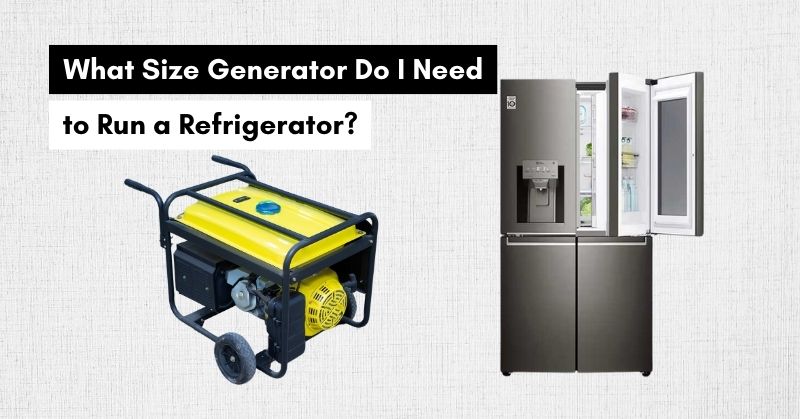
Have you ever wondered how often you should run your generator to keep your refrigerator running smoothly? If you rely on a generator during power outages or in off-grid situations, knowing the right schedule is crucial.
Run it too little, and your food might spoil; run it too much, and you could waste fuel or damage your equipment. You’ll discover simple, practical tips to balance your generator use perfectly, so your refrigerator stays cold without any hassle.
Keep reading to find out exactly how to protect your food and get the most out of your generator.
Generator Basics
Understanding the basics of generators is important before running one for your refrigerator. Generators vary in type, power, and fuel. These factors affect how often you need to run the generator and its efficiency. Knowing these basics helps keep your refrigerator running smoothly during power outages.
Types Of Generators
Generators come in different types. Portable generators are small and easy to move. They work well for short power outages. Standby generators are larger and connect to your home’s electrical system. They start automatically during a blackout. Inverter generators provide cleaner power. They are good for sensitive electronics like refrigerators.
Generator Capacity And Power Output
Generator capacity is measured in watts. Your refrigerator needs a certain wattage to run. Starting watts are higher than running watts. The generator must handle the starting surge. Choosing a generator with enough power prevents damage. Running a generator at full capacity is not recommended. It reduces the generator’s life span.
Fuel Types And Efficiency
Generators run on different fuels: gasoline, propane, or diesel. Gasoline is common but less efficient for long use. Propane burns cleaner and stores longer. Diesel engines last longer and use fuel efficiently. Fuel choice affects run time and maintenance. Efficient fuel use saves money and reduces refueling frequency.
Refrigerator Power Needs
Understanding your refrigerator’s power needs helps decide how often to run your generator. Refrigerators use electricity differently when starting and running. Knowing these details ensures your generator can handle the load without issues.
Average Wattage Consumption
Most refrigerators use between 100 and 800 watts during normal operation. Smaller models tend to use less power, around 100 to 400 watts. Larger or older models often consume more energy, closer to 600 to 800 watts.
Energy-efficient models use less power than older ones. Watching your fridge’s wattage helps plan your generator use better.
Starting Vs Running Power
Refrigerators need extra power to start the compressor. This surge can be two to three times the running wattage. For example, a 200-watt running fridge may need up to 600 watts to start.
Your generator must supply this surge without tripping. Check the starting watt rating before buying or using a generator.
Energy Efficiency Of Refrigerators
Modern refrigerators use advanced technology to reduce power use. Look for Energy Star labels, which show better efficiency. Efficient fridges lower generator run time and fuel use.
Regular maintenance keeps your refrigerator running efficiently. Clean coils and check door seals often. Efficient fridges save energy and reduce generator wear.
Running Frequency Factors
Understanding how often to run a generator for a refrigerator depends on several factors. Each factor affects the generator’s efficiency and the refrigerator’s cooling. Let’s explore these critical aspects.
Generator Fuel Limitations
Fuel availability directly affects generator run time. A limited fuel supply means running the generator less often. It’s essential to calculate fuel needs to avoid running out. Efficient fuel use helps maintain a steady power supply for the refrigerator.
Refrigerator Usage Patterns
Usage patterns influence how often the generator should run. Frequent door openings increase the need for power. A heavily stocked refrigerator also demands more energy. Less use reduces the generator’s running frequency.
Ambient Temperature Impact
Ambient temperature plays a crucial role. High temperatures make refrigerators work harder. This increases the need for longer generator runs. Cooler ambient temperatures reduce the generator’s workload. Adjust the running frequency based on the outside temperature.
Credit: do-daddy.com
Recommended Running Intervals
Knowing how often to run your generator for your refrigerator is key to keeping your food fresh without wasting fuel or causing damage. The recommended running intervals depend on your generator type, the refrigerator’s model, and your power needs. Let’s look at practical ways to find the right balance.
Continuous Vs Intermittent Operation
Running your generator continuously keeps the refrigerator cool at all times but uses more fuel and wears the generator faster.
Intermittent operation, where you run the generator only when the fridge needs power, saves fuel and extends generator life.
Think about how often your fridge’s compressor cycles on and off. Does your generator need to run 24/7, or just during compressor activity?
Optimal Run Times For Different Models
Small, energy-efficient fridges often need less power, so running the generator for short bursts—about 10 to 15 minutes every hour—can be enough.
Larger models or older refrigerators with less insulation may need longer run times, around 20 to 30 minutes every hour to maintain the right temperature.
Check your fridge’s energy consumption specs. Tailoring run times to your model prevents food spoilage and reduces generator strain.
Balancing Fuel Consumption And Cooling
Fuel is expensive, and running your generator too often can drain your supplies quickly.
Try using a fridge thermometer to monitor internal temperature. Run the generator just enough to keep the temp between 37°F and 40°F (3°C to 4°C).
Have you considered using a timer or automatic transfer switch? These tools help you control running intervals precisely, saving fuel while protecting your food.
Maintenance And Safety Tips
Running a generator for your refrigerator is not just about power supply; it’s also about keeping the generator in top shape and ensuring safety at all times. Skipping maintenance or ignoring safety tips can lead to costly repairs or dangerous situations. Let’s look at key practices that help you maintain your generator effectively and keep your home safe.
Preventing Generator Overload
Overloading your generator can cause it to shut down unexpectedly or damage the unit permanently. Always check the wattage rating of your generator and compare it with the power needs of your refrigerator plus any other devices connected.
One trick I learned is to list all appliances you plan to run and add their starting watts, which are often higher than running watts. This simple step helped me avoid overloads and saved me from inconvenient outages during storms.
- Use a watt meter to measure actual consumption.
- Don’t connect too many appliances at once.
- Keep a margin of about 20% below your generator’s max capacity.
Regular Generator Servicing
Generators need routine checks to stay reliable. Changing the oil, cleaning air filters, and inspecting spark plugs are tasks you can do yourself or hire a professional to handle.
Ignoring servicing can reduce efficiency and shorten the generator’s life. Think about when you last serviced your car; your generator deserves the same attention to keep running smoothly.
- Change oil every 50-100 hours of use.
- Clean or replace air filters monthly during heavy use.
- Test run your generator monthly to spot any issues early.
Safe Placement And Ventilation
Where you place your generator matters a lot. Running it indoors or in a closed space can cause carbon monoxide buildup, which is deadly.
Always set your generator outdoors, at least 10 feet away from doors or windows. Position it on a flat, dry surface to prevent accidents or damage from moisture.
- Never run a generator inside your home, basement, or garage.
- Ensure exhaust fumes are directed away from living areas.
- Use a carbon monoxide detector near your home’s entry points.
Have you checked your generator’s placement recently? Small changes can make a huge difference in safety.

Credit: www.reddit.com
Energy Saving Strategies
Saving energy while running a generator for your refrigerator is not just good for your wallet but also extends your generator’s life. Smart energy strategies help you run the generator only when necessary, reducing fuel consumption and noise. How often you run your generator can change dramatically when you apply these practical tips to your setup.
Using Insulation To Reduce Run Time
Good insulation keeps cold air inside your fridge longer, meaning the compressor doesn’t have to work as often. You can add foam panels or weather stripping around the fridge door to improve its seal. Even placing blankets or insulated covers over the fridge during power outages can help maintain temperature and cut down generator run time.
I once added a simple insulated blanket to my fridge during a weekend blackout. The temperature stayed stable longer, and I only needed to run the generator for short bursts. Could a small insulation upgrade save you hours of generator fuel?
Temperature Settings For Efficiency
Setting your refrigerator to an optimal temperature can save energy without risking food safety. Aim for about 37-40°F (3-4°C) in the fridge and 0°F (-18°C) in the freezer. Higher temperatures cause the compressor to run less often, so avoid setting it colder than necessary.
Adjust the settings slightly higher during generator use and check your food regularly to ensure it stays fresh. Have you ever noticed how a minor tweak in temperature can make your generator run half as much?
Alternative Power Solutions
Consider pairing your generator with solar panels or a battery backup system to reduce reliance on fuel. Solar energy can power your fridge during daylight hours, letting you run the generator less frequently. Batteries store excess solar power, providing energy when the sun isn’t shining.
In my experience, a small solar setup cut my generator run time by nearly 50%. It’s worth asking if investing in alternative power options could help you save on fuel costs and noise in the long run.

Credit: www.jackery.com
Frequently Asked Questions
How Often Should I Run My Generator For The Refrigerator?
Run your generator for the refrigerator at least 1-2 hours weekly. This prevents fuel from stagnating and keeps the engine in good condition. Regular use ensures your fridge stays cold during power outages and extends the generator’s lifespan.
Can Running The Generator Too Often Harm My Refrigerator?
No, running the generator properly won’t harm your refrigerator. It provides stable power needed for operation. However, avoid overloading or sudden power surges to prevent any damage. Always use a quality generator with proper wattage for your fridge.
What Is The Ideal Runtime To Keep The Refrigerator Cold?
Run the generator continuously for 4-6 hours during power outages. This maintains the refrigerator’s cool temperature and prevents food spoilage. Adjust runtime based on the fridge size and ambient temperature for best results.
Should I Run The Generator When The Refrigerator Is Full Or Empty?
It’s better to run the generator when the refrigerator is full. A full fridge retains cold longer, reducing generator runtime. This practice saves fuel and keeps food fresh during power interruptions.
Conclusion
Running your generator regularly keeps your refrigerator safe and cold. Short, steady use prevents fuel waste and engine wear. Check your generator’s manual for recommended run times. Avoid running it too long to save fuel and reduce noise. Keep your food fresh and avoid spoilage with proper power.
Routine generator use helps in emergencies and daily power needs. Stay prepared, stay safe, and protect your food supply. Small efforts keep your fridge running smoothly without problems. Simple steps make a big difference in power backup.