
Facing prostate surgery can be a challenging experience, and recovery often brings many questions to mind. One common concern is how to regain sexual function and improve overall recovery.
If you’re wondering about the role of vacuum pumps in your post-surgery journey, you’re not alone. Using a vacuum pump can be an effective way to enhance blood flow and assist in your healing process. But how often should you use it to see optimal results without overdoing it?
In this blog post, you’ll discover the recommended frequency for using a vacuum pump after prostate surgery, ensuring you balance effectiveness with comfort. We’ll provide you with clear, straightforward guidance to help you navigate this crucial aspect of your recovery, giving you the confidence and peace of mind you deserve. Keep reading to empower yourself with the knowledge that can make a significant difference in your healing journey.

Credit: www.goodrx.com
Purpose Of Vacuum Pump After Surgery
After prostate surgery, using a vacuum pump is more than just a routine; it serves a clear and important purpose in your recovery journey. Understanding why this device is recommended can help you stay motivated and consistent with its use. The vacuum pump plays a key role in supporting your healing process and maintaining your sexual health during a time when your body is adjusting.
Role In Recovery
The vacuum pump helps improve blood flow to the penis, which is often compromised after prostate surgery. This increased circulation can prevent tissue damage and reduce the risk of long-term complications like penile shrinkage. Using the pump regularly encourages oxygen-rich blood to reach the healing tissues, which is essential for restoring normal function.
Think about it this way: your body needs movement and stimulation to heal properly. The vacuum pump acts as a gentle assistant, keeping the tissues active even when natural erections might be limited or absent. This ongoing stimulation can make a real difference in how quickly and effectively you recover.
Benefits For Erectile Function
One of the main benefits of using a vacuum pump after prostate surgery is its positive impact on erectile function. It helps maintain the elasticity of penile tissues, which can be affected by nerve damage or reduced blood flow. Regular use can support the return of natural erections over time.
Many men notice that using the pump not only aids recovery but also boosts confidence. It provides a sense of control and progress during a period that can feel uncertain. Have you considered how this tool might help you feel more proactive about your sexual health?
Recommended Usage Frequency
Knowing how often to use a vacuum pump after prostate surgery helps in recovery. The right frequency supports healing and improves blood flow. It also helps prevent tissue damage and maintain penile health. Using the pump too often or too little can affect results. Follow guidelines carefully for the best outcome.
Initial Weeks After Surgery
In the first weeks after surgery, use the vacuum pump gently. Start using it about 2 to 3 times each week. Each session should last around 10 to 15 minutes. Avoid using strong suction to prevent discomfort or injury. Your doctor may adjust this schedule based on your healing progress. Rest days are important to let tissues recover.
Long-term Use Guidelines
After the initial healing phase, increase use to 3 to 5 times weekly. Sessions can last 15 to 20 minutes to improve blood flow. Consistency is key for long-term penile health and function. Use the pump even if you feel no immediate changes. Stop and consult your doctor if you feel pain or bruising. Regular use supports tissue elasticity and reduces scar tissue buildup.
How To Use The Vacuum Pump Safely
Using a vacuum pump after prostate surgery can aid recovery and improve blood flow. Safety during use is crucial to avoid harm and get the best results. Follow clear and careful steps. Pay attention to your body’s signals. Proper handling helps prevent injury and discomfort.
Step-by-step Usage
- Begin with clean hands and a clean pump device.
- Apply a water-based lubricant around the base of the penis for comfort.
- Place the cylinder over the penis gently, creating a good seal.
- Slowly pump to create suction, drawing blood into the penis.
- Stop pumping when you notice firmness or slight pressure.
- Use the constriction ring at the base to maintain the erection.
- Remove the pump carefully after securing the ring.
- Limit use sessions to about 10-15 minutes to avoid strain.
- Clean the device thoroughly after each use to maintain hygiene.
Precautions To Avoid Injury
- Do not over-pump; too much suction can cause bruises or pain.
- Avoid use if you feel sharp pain or numbness.
- Consult your doctor before starting to use the pump.
- Do not use the pump more than recommended by your healthcare provider.
- Inspect the pump regularly for cracks or damage.
- Never share your vacuum pump with others to prevent infections.
- Stop use and seek medical advice if swelling or persistent pain occurs.

Credit: www.allohealth.com
Signs To Adjust Usage
Knowing when to adjust the use of a vacuum pump after prostate surgery is important. The body sends clear signs to help guide the right frequency. Paying attention to these signs helps avoid discomfort or injury. It also supports healing and better results.
When To Reduce Frequency
Reduce vacuum pump use if you notice:
- Increased pain or tenderness in the treated area.
- Swelling or bruising that worsens after pumping.
- Skin irritation or redness around the penis.
- Difficulty achieving an erection or discomfort during use.
- Feeling very tired or weak after sessions.
These signs suggest the tissue needs more time to heal. Cutting back helps prevent further damage and aids recovery.
When To Consult A Doctor
Contact a doctor if you experience:
- Severe or persistent pain after using the vacuum pump.
- Unusual bleeding or discharge from the penis.
- Loss of sensation or numbness in the area.
- Signs of infection like fever or chills.
- Any sudden changes in erection quality or size.
A doctor can check for complications and adjust your treatment plan. Early advice ensures safer and more effective healing.
Common Challenges And Solutions
Using a vacuum pump after prostate surgery can bring challenges. Understanding these common issues helps improve comfort and results. Many men face discomfort or difficulty in using the pump effectively. Finding practical solutions is key to steady progress and healing.
Dealing With Discomfort
Discomfort is common during initial use. The suction may cause mild pain or bruising. Try these tips to reduce discomfort:
- Start with low suction settings and increase slowly.
- Use a lubricant to reduce friction and skin irritation.
- Limit pumping time to avoid tissue strain, usually 10-15 minutes.
- Take breaks if you feel pain or numbness.
- Consult your doctor if discomfort persists or worsens.
Improving Pump Effectiveness
Proper use of the pump boosts its effectiveness. Follow these steps for better results:
- Ensure a tight seal around the base of the penis to maintain suction.
- Use the pump regularly, as advised, often daily or every other day.
- Practice relaxation techniques to reduce tension during use.
- Combine vacuum therapy with pelvic floor exercises to enhance strength.
- Keep the device clean to avoid infections and maintain function.
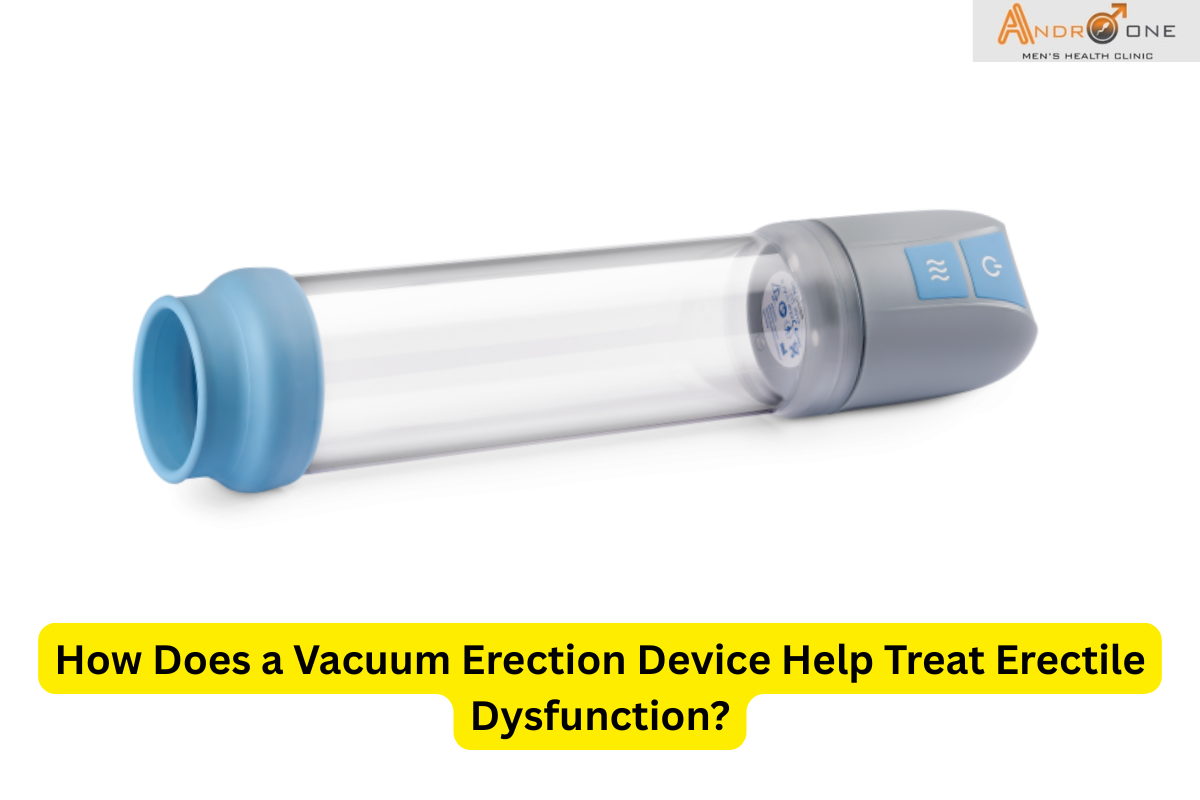
Credit: androone.com
Combining Therapy With Other Treatments
After prostate surgery, using a vacuum pump can be an important part of your recovery. But relying on it alone may not be enough to achieve the best results. Combining vacuum therapy with other treatments often leads to better outcomes and faster progress.
Medication Support
Medications can work alongside your vacuum pump to improve blood flow and support erectile function. Drugs like PDE5 inhibitors (such as sildenafil) are commonly prescribed to help maintain erections and enhance the effects of vacuum therapy.
Sometimes, medications reduce the discomfort or side effects you might feel when using the pump. Have you talked to your doctor about which medications might fit your recovery plan? They can tailor treatments based on your health and response to therapy.
Physical Therapy Options
Physical therapy can strengthen pelvic muscles and improve circulation, making vacuum pump sessions more effective. Simple exercises like Kegels help regain control and support natural function over time.
Working with a therapist also provides guidance on posture and relaxation techniques to reduce tension during therapy. Could adding a few targeted exercises to your routine make a noticeable difference in your recovery speed?
Combining these therapies creates a comprehensive approach that addresses multiple aspects of healing. Don’t hesitate to ask your healthcare provider about the best mix of treatments for your specific needs.
Frequently Asked Questions
How Often Should I Use A Vacuum Pump After Prostate Surgery?
Use the vacuum pump 3 to 4 times per week initially. Each session should last about 10 to 15 minutes. Follow your doctor’s specific recommendations for frequency and duration to ensure safe and effective recovery.
When Can I Start Using A Vacuum Pump Post-surgery?
Most patients can start using the vacuum pump 2 to 4 weeks after prostate surgery. Always get your surgeon’s approval before beginning to avoid complications and ensure proper healing.
Can Vacuum Pumps Improve Erectile Function After Prostate Surgery?
Yes, vacuum pumps help improve blood flow and preserve erectile tissue. Regular use may aid in faster recovery of erectile function after prostate surgery.
Is It Normal To Feel Discomfort Using A Vacuum Pump?
Mild discomfort is normal when using a vacuum pump. If pain or bruising occurs, reduce usage frequency and consult your doctor for guidance.
Conclusion
Using a vacuum pump after prostate surgery helps with healing and blood flow. Follow your doctor’s advice on how often to use it. Consistency matters, but don’t overdo it. Pay attention to your body’s signals. Rest when you need to.
Regular use can improve recovery and maintain function. Always ask your healthcare provider if you feel unsure. Taking care of yourself is the top priority. Small steps lead to better results over time. Keep patient and stay positive during healing.