Dealing with fleas can be a nightmare for you and your furry friends. You’ve finally managed to treat your home, and now you’re wondering how often you need to vacuum to keep those pesky fleas at bay.
This is a crucial step that can make all the difference in ensuring your home remains flea-free. You’ll want to know the secrets to maintaining a clean and comfortable environment for both you and your pets. Stick around, because discovering the right vacuuming routine could be the key to keeping those unwanted guests away for good.
Get ready to dive into easy-to-follow tips that will help you safeguard your home and give you peace of mind.
Timing Your Vacuuming
Timing your vacuuming after flea treatment is crucial to maximizing the effectiveness of your efforts. Vacuuming too soon or too late can reduce the chances of completely removing fleas and their eggs. Understanding when and how often to vacuum helps you keep your home flea-free without wasting time or effort.
Immediately After Treatment
Right after applying flea treatment, wait at least 1-2 hours before vacuuming. This pause allows the product to settle and start working on the fleas. Vacuuming too quickly may remove the treatment before it has a chance to kill the pests.
Once the waiting period is over, vacuum thoroughly to pick up dead fleas, eggs, and larvae. Focus on carpets, rugs, and areas where your pets spend most of their time. Don’t forget to empty or dispose of the vacuum bag or canister contents immediately to prevent reinfestation.
Regular Vacuum Schedule
Keep vacuuming at least 2-3 times a week for a few weeks following treatment. This routine helps catch any fleas that hatch after the initial treatment. It also disrupts the flea life cycle by removing eggs and larvae before they mature.
Vacuuming regularly also keeps your home clean and reduces the chance of fleas returning. If you have pets, vacuum pet bedding and favorite resting spots more often. Consistency is key to maintaining a flea-free environment.
Adjusting Frequency Based On Infestation
If the flea problem is severe, increase vacuuming to daily sessions until you see clear improvement. Heavy infestations require more attention to break the cycle quickly. Monitor flea activity and adjust your vacuuming schedule accordingly.
On the other hand, if you notice fewer fleas after a couple of weeks, you can reduce vacuuming to once a week. Are you ready to tailor your cleaning routine based on the actual flea activity in your home? This flexibility saves effort while keeping your space safe.
Vacuuming Techniques
Vacuuming after flea treatment is more than just a quick sweep across your floors. The way you vacuum can significantly impact how effective the treatment is in eliminating fleas and preventing their return. Understanding specific vacuuming techniques will help you target the problem areas efficiently and keep your home flea-free for longer.
Targeting High-risk Areas
Focus your vacuuming on spots where fleas are most likely to hide. These include pet bedding, carpets, upholstered furniture, and cracks along baseboards. Fleas often gather in warm, dark, and textured areas, so don’t overlook places like under cushions or along carpet edges.
Think about where your pets spend most of their time. Vacuum those areas daily, especially right after flea treatment, to catch any remaining eggs or larvae. Skipping these zones could allow fleas to multiply again quickly.
Using The Right Vacuum Attachments
Different vacuum attachments serve different purposes in flea removal. A crevice tool helps reach tight spaces like corners and under furniture, while a brush attachment loosens fleas and eggs from carpet fibers and pet hair.
Using a vacuum with strong suction and a rotating brush can increase your chances of pulling out eggs and larvae. Have you ever noticed how much more dirt a brush attachment picks up compared to just the nozzle? It’s the same with fleas.
Disposing Vacuum Contents Safely
Vacuuming alone won’t solve the flea problem if you don’t dispose of the vacuum contents properly. Fleas and eggs trapped in the vacuum can survive if left inside and reinfest your home. Empty the vacuum bag or canister immediately after use.
Seal the contents in a plastic bag and throw it in an outdoor trash bin away from your living area. This step is crucial to prevent fleas from escaping and starting the cycle again. Are you making sure your vacuum disposal routine is part of your flea control plan?
Complementary Flea Control Measures
Vacuuming after flea treatment is crucial, but it’s just one part of a broader strategy. Complementary flea control measures help ensure you don’t miss hidden eggs or larvae that can restart the infestation. Addressing all areas where fleas might hide strengthens your efforts and protects your home and pets effectively.
Washing Bedding And Fabrics
Your pet’s bedding and any fabrics they frequently contact are prime flea hotspots. Washing these items in hot water kills fleas and their eggs instantly. Don’t forget to include blankets, cushions, and even your pet’s favorite toys if washable.
How often should you wash these? Aim for at least once a week during an active flea problem. This simple step can prevent fleas from returning and keeps your pet comfortable.
Treating Pets And Home Environment
Flea treatment on your pet is essential but treating the home environment is equally important. Use veterinarian-recommended flea medications on your pets regularly to keep adult fleas away. Meanwhile, apply appropriate insecticides or flea sprays around your home, focusing on carpets, baseboards, and furniture.
Have you checked every room where your pet spends time? Fleas often hide in cracks and dark corners, so thorough coverage is necessary. Remember, some flea sprays require reapplication, so follow the product instructions closely.
Using Flea Traps And Other Tools
Flea traps are a handy tool to monitor and reduce flea populations in your home. These devices attract fleas using light or heat and trap them on sticky pads. Placing traps near pet resting areas can give you a sense of how many fleas remain after treatment.
Consider combining traps with other tools like flea combs for your pet. Regular combing can catch fleas before they multiply. Using multiple control methods together gives you the best chance to break the flea lifecycle completely.

Credit: www.reddit.com
Signs You Need To Vacuum More Often
Knowing when to vacuum more often after flea treatment is key to stopping fleas fast. Some signs show fleas might still be active in your home. These signs help decide if you need to clean more often. Pay attention to your pet and surroundings.
Persistent Flea Activity
Fleas that keep jumping or biting mean more cleaning is needed. Flea activity shows that eggs or larvae may still be in your home. Vacuuming helps remove these hidden fleas and stops their growth. Increase vacuum frequency if fleas stay active.
Increased Pet Scratching
Pets scratching more than usual can signal flea problems. Fleas cause itching and discomfort, making pets scratch or bite their fur. More vacuuming removes fleas and eggs from carpets and furniture. Keep vacuuming often until your pet stops scratching.
Visible Flea Dirt And Eggs
Spotting flea dirt or eggs on your pet or floors means more vacuuming is needed. Flea dirt looks like small black specks, while eggs appear as tiny white dots. These signs show fleas are still present. Vacuum areas thoroughly and frequently to clean them out.
Avoiding Common Mistakes
Vacuuming after flea treatment helps remove fleas, eggs, and dirt. Avoid common mistakes to keep your home flea-free. Proper vacuuming supports treatment and stops flea return. Focus on correct vacuum habits and areas to clean well.
Over-vacuuming Concerns
Vacuuming too often can waste time and damage floors or carpets. It can also spread flea eggs if the vacuum is not emptied regularly. Vacuum once or twice a day after treatment to balance cleaning and safety.
Ignoring Hard-to-reach Spots
Fleas hide in corners, under furniture, and along baseboards. Missing these spots lets fleas survive and multiply. Use attachments to reach edges, upholstery, and small spaces. Check these areas carefully each time you vacuum.
Neglecting Regular Maintenance
Vacuum bags and canisters fill up quickly with flea debris. Not emptying them reduces vacuum power and spreads fleas inside. Clean and change bags often. Wipe vacuum parts to keep it working well and safe for your home.
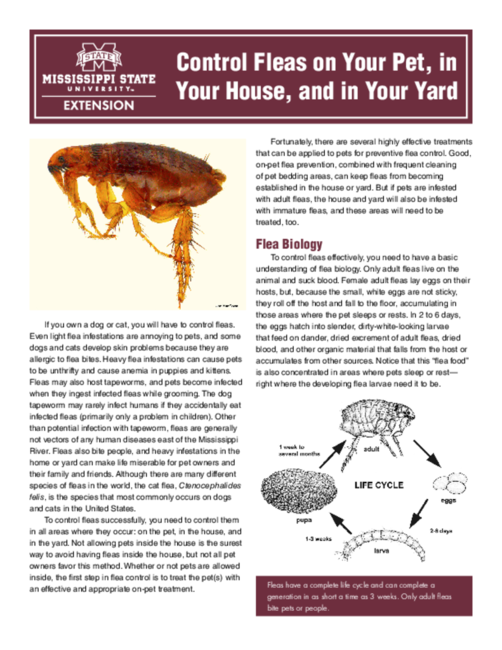
Credit: extension.msstate.edu
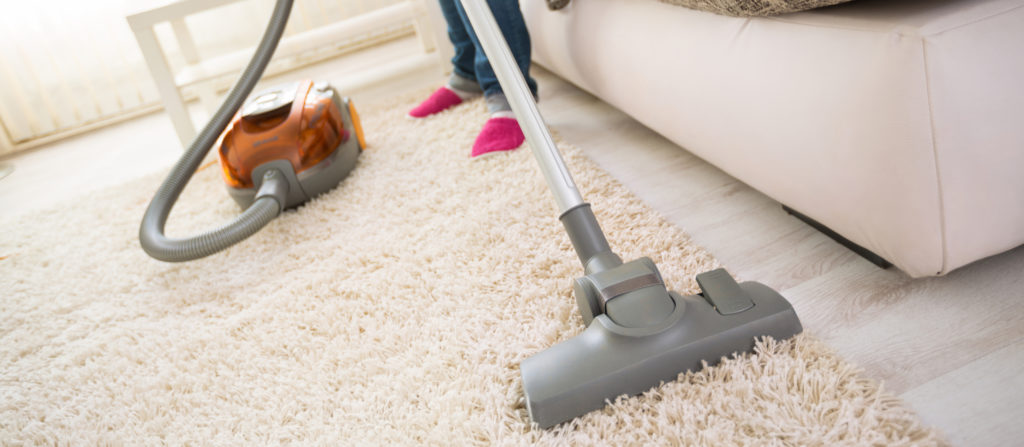
Credit: moxieservices.com
Frequently Asked Questions
How Soon Should I Vacuum After Flea Treatment?
Vacuum your home 24 to 48 hours after flea treatment. This helps remove flea eggs and larvae before they hatch. Avoid vacuuming immediately to let the treatment settle effectively. Regular vacuuming afterward keeps fleas under control and prevents reinfestation.
How Often Is Vacuuming Needed Post Flea Treatment?
Vacuum daily for the first week after treatment. Then, vacuum two to three times weekly for several weeks. Frequent vacuuming removes flea eggs and dirt. This routine supports the treatment’s effectiveness and helps eliminate remaining fleas.
Can Vacuuming Alone Eliminate Fleas After Treatment?
Vacuuming alone cannot fully eliminate fleas. It reduces fleas and eggs but does not kill adult fleas. Flea treatment combined with vacuuming provides the best results. Always follow the treatment instructions and maintain cleaning to control fleas.
Should I Vacuum Furniture After Flea Treatment?
Yes, vacuum all furniture and upholstery thoroughly. Fleas often hide in fabric and crevices. Vacuuming these areas removes fleas, eggs, and larvae. Clean cushions, carpets, and pet bedding regularly for effective flea control.
Conclusion
Vacuuming often helps keep your home free from fleas. Start by vacuuming daily for the first two weeks after treatment. This removes flea eggs and larvae before they hatch. After two weeks, vacuum two to three times a week. Focus on carpets, rugs, and pet areas.
Regular vacuuming works with flea treatments to stop the problem. Keep cleaning until you see no more fleas. This simple habit protects your family and pets. Clean floors mean fewer fleas and a happier home.