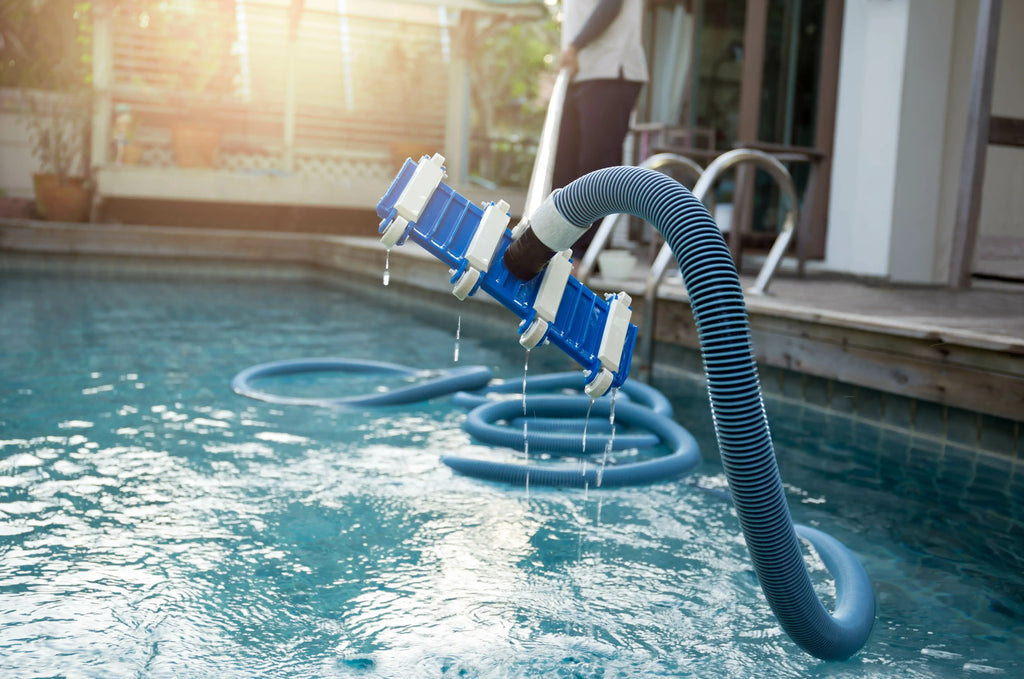
Keeping your pool clean and inviting is a top priority, but you might be wondering how often you should vacuum it. This is a common question for pool owners, and getting the answer right can save you time, money, and hassle.
Imagine stepping into your backyard oasis, the water sparkling under the sun. You want that pristine look every day, right? By understanding the perfect vacuuming routine, you can ensure your pool stays in top condition, enhancing its beauty and extending its lifespan.
We’ll dive into the factors that determine how often you should vacuum your pool, so you can enjoy a crystal-clear swim every time. Stick with us, and you’ll discover the secrets to maintaining a flawless pool effortlessly.
Benefits Of Regular Pool Vacuuming
Regular pool vacuuming offers more than just a clean surface; it protects your investment and keeps your swimming experience enjoyable. When you vacuum consistently, you actively remove unwanted materials that can affect water quality and pool health. Have you ever noticed how a few leaves or dirt patches can quickly make your pool look less inviting? Regular vacuuming stops that from happening.
Removing Debris And Dirt
Vacuuming pulls out leaves, dirt, and small debris that your pool filter might miss. These particles settle at the bottom and can create a messy, unsanitary environment. If left unchecked, this debris can clog your filtration system, leading to costly repairs or reduced water flow.
Think about the last time you skipped vacuuming—did you notice cloudy water or a gritty feeling on your feet? That’s debris accumulating. Regular vacuuming keeps your pool floor spotless and protects your pump and filter from extra strain.
Preventing Algae Growth
Algae love to grow where dirt and organic matter sit undisturbed. Vacuuming removes these breeding grounds before algae can take hold. This simple act helps you avoid the headache of green, slippery pool surfaces and the need for harsh chemical treatments.
Vacuuming also helps maintain the right chemical balance by reducing organic waste. When you cut down algae growth naturally, you use fewer chemicals and create a safer swimming environment. Isn’t it better to prevent problems rather than fix them later?
Maintaining Water Clarity
Clear water isn’t just about aesthetics—it’s a sign your pool is healthy. Vacuuming removes the tiny particles that cause cloudiness and dullness. When these particles stay suspended in the water, they reduce visibility and make the pool less appealing.
Imagine jumping into a pool where you can see the bottom clearly. That feeling of freshness comes from consistent cleaning, especially vacuuming. It ensures your pool looks inviting and signals that the water is properly balanced and cared for.
Factors Influencing Vacuum Frequency
Knowing how often to vacuum your pool depends on several key factors that affect how quickly dirt and debris accumulate. These factors influence not only the cleanliness but also the health of your pool water. Understanding what impacts vacuum frequency helps you maintain a sparkling pool without wasting time or resources.
Pool Usage And Activity Level
The more you and your guests use the pool, the faster it gets dirty. High activity stirs up dirt, oils, and skin flakes, which settle on the pool floor. If your pool is a popular spot for daily swims or pool parties, plan to vacuum at least twice a week.
On the other hand, a pool used sparingly might only need vacuuming once every 10 to 14 days. Think about your routine: Are kids splashing around every weekend? Or is it more of a quiet retreat? Adjust your vacuum schedule based on how much swimming happens.
Surrounding Environment
Is your pool surrounded by trees, gardens, or dusty areas? Leaves, pollen, and dirt blowing into the pool can speed up how often you need to vacuum. I once had a pool near a large oak tree and found myself vacuuming every other day during fall.
Urban environments with less greenery usually mean fewer natural debris but watch for dust and pollution. Also, animals like birds and squirrels can add unexpected messes. Keep an eye on your surroundings to gauge the vacuuming demand.
Weather Conditions
Weather plays a big role in pool cleanliness. After windy days, expect more debris in your pool and plan to vacuum sooner. Rain can wash dirt and contaminants into the water, increasing the need for cleaning.
During dry, calm weather, debris settles more slowly, allowing longer intervals between vacuuming. But if you live in a region with frequent storms or heavy winds, you might find yourself vacuuming multiple times a week. Have you noticed your pool getting dirtier after certain weather events? Use that knowledge to set your vacuum schedule.
Recommended Vacuuming Schedule
Knowing how often to vacuum your pool can save you time and keep your water crystal clear. The right vacuuming schedule depends on your pool type, usage, and environment. Let’s look at practical routines that fit different needs and seasons.
Weekly Routine For Residential Pools
For most home pools, vacuuming once a week is enough to prevent dirt buildup. This keeps the water inviting and reduces strain on your filtration system.
Try setting a consistent day, like Saturday morning, to vacuum. You’ll find it becomes a simple habit, not a chore.
If you notice leaves or debris faster than usual, add a quick vacuum midweek. It’s better to spot clean than let dirt settle.
Adjusting Frequency For Commercial Pools
Commercial pools see heavy use and need more frequent cleaning. Daily vacuuming or vacuuming every other day is often necessary to maintain hygiene standards.
Staff should monitor water clarity and debris levels closely. When crowds increase, like weekends or events, increase vacuuming accordingly.
Ask yourself: Are you vacuuming enough to keep swimmers safe and happy? Adjust based on real pool conditions, not just a fixed schedule.
Seasonal Considerations
Vacuuming needs change with the seasons. In fall, more leaves and debris drop into the pool, so vacuum more often—sometimes twice a week.
During winter, if your pool is covered and unused, vacuuming can slow down. But don’t ignore it completely; debris trapped under the cover can cause problems.
Spring requires a good clean-up to remove winter grime. Think of vacuuming as part of your pool’s “wake-up” routine to prepare for summer fun.
Credit: us.mammotion.com
Choosing The Right Vacuum Cleaner
Choosing the right vacuum cleaner for your pool is essential for keeping it clean and safe. The right vacuum saves time and effort. It also protects your pool’s surfaces and equipment.
Pool vacuums come in different types and designs. Each type has its own benefits. Knowing these helps you pick the best one for your pool size and debris type.
Manual Vs. Automatic Vacuums
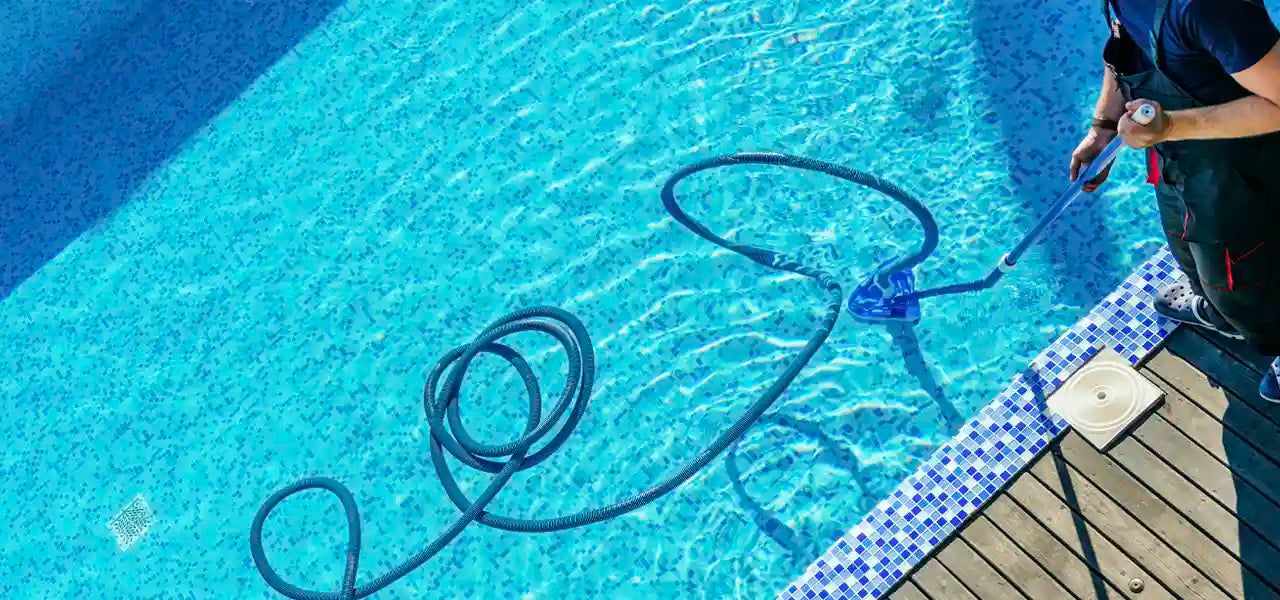
Manual vacuums need you to control them. You move the vacuum head around the pool. This gives you control over hard-to-reach spots. Manual vacuums are usually less expensive. They work well for small pools or pools with light debris.
Automatic vacuums clean the pool on their own. You just set them in the water and turn them on. These vacuums save time and effort. They work best for large pools and heavy debris. Some models run on batteries, while others connect to the pool’s pump system.
Key Features To Look For
- Strong suction power to remove dirt and leaves
- Durable materials that resist pool chemicals
- Easy to assemble and use
- Good filtration system to trap small particles
- Flexible hose length that suits your pool size
- Ability to clean different pool surfaces like tile or vinyl
Maintenance Tips For Vacuums
- Rinse vacuum parts with fresh water after each use
- Check hoses for cracks or blockages regularly
- Clean or replace filters as needed to maintain suction
- Store vacuum in a dry, shaded place to avoid damage
- Inspect brushes and wheels for wear and tear
Additional Pool Cleaning Practices
Keeping a pool clean goes beyond vacuuming. Regular maintenance helps keep water clear and safe. Simple tasks done often prevent bigger problems. These extra steps make your pool more inviting and extend its lifespan.
Skimming And Brushing
Skimming removes leaves, bugs, and debris floating on the water surface. Use a net skimmer daily to keep the pool clean. Brushing scrubs dirt and algae off pool walls and floors. Brush at least once a week to stop buildup. Focus on corners and steps where dirt hides.
Water Circulation And Filtration
Good water circulation spreads chemicals evenly and prevents stagnant areas. Run the pool pump for 8 to 12 hours each day. Check and clean the filter regularly to keep it efficient. Filters trap dirt and particles that skimming misses. Proper filtration reduces cloudy water and algae growth.
Chemical Balance Management
Balancing pool chemicals protects swimmers and pool surfaces. Test water 2 to 3 times a week using a reliable kit. Adjust pH, chlorine, and alkalinity levels to recommended ranges. Proper chemical balance stops algae and harmful bacteria. Keep chemicals stored safely and follow instructions carefully.

Credit: pool.dreametech.com
Common Mistakes To Avoid
Vacuuming your pool is essential for keeping it clean, but doing it wrong can cause more harm than good. Many pool owners make common mistakes that reduce efficiency and even damage their pool surfaces. Avoiding these errors ensures your pool stays inviting and your vacuum lasts longer.
Over-vacuuming Risks
Vacuuming too often can wear down your pool’s surface, especially if it’s vinyl or plaster. It also wastes your time and energy without significant benefits.
Consider how often your pool actually needs vacuuming based on how much debris falls in. Too much vacuuming can stir up dirt, making the water cloudy instead of clear.
Ask yourself: Is vacuuming daily really necessary, or would a weekly schedule suffice? Adjust based on your pool’s usage and environment.
Ignoring Hard-to-reach Areas
Many people focus only on the main swimming area, leaving corners, steps, and behind ladders dirty. These spots often collect algae and debris that affect water quality.
Use attachments or manual methods to reach these tricky areas. Overlooking them can lead to bigger cleaning issues later.
Have you checked your pool’s hidden spots during your last cleaning? Spotting trouble early keeps problems small.
Neglecting Vacuum Maintenance
Your pool vacuum needs regular upkeep to work well. Clogged filters, worn brushes, or torn hoses reduce its cleaning power.
Clean the vacuum parts after each use and inspect for damage. This simple habit saves you money and effort over time.
Think about how often you’ve skipped vacuum maintenance. Could a little care improve your vacuum’s performance?

Credit: us.mammotion.com
Frequently Asked Questions
How Often Should I Vacuum My Pool?
Vacuum your pool at least once a week to keep it clean. More frequent vacuuming may be needed in high-use or debris-prone areas.
Can Over-vacuuming Damage My Pool?
Yes, over-vacuuming can wear out pool surfaces and filters. Stick to recommended vacuuming schedules to maintain pool health.
What Time Of Day Is Best To Vacuum?
Vacuum your pool in the early morning or late afternoon. Avoid peak sun hours to reduce algae growth and chemical loss.
Does Pool Size Affect Vacuuming Frequency?
Larger pools may require more frequent vacuuming due to increased surface area. Adjust vacuuming based on pool usage and environmental factors.
Conclusion
Vacuuming your pool keeps the water clean and clear. It helps remove dirt, leaves, and small debris. Regular vacuuming stops algae and bacteria growth. Aim to vacuum at least once a week. More often if the pool gets heavy use or lots of debris.
Clean water makes swimming safer and more fun. Keep your pool inviting all season long. Simple steps make a big difference in pool care. Stay consistent, and enjoy a sparkling pool every day.