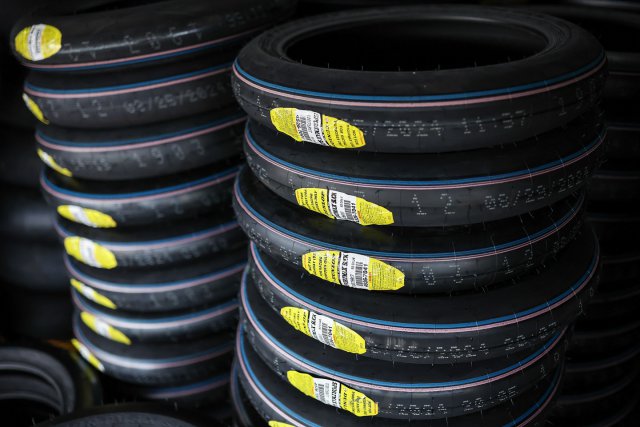
Have you ever wondered how old your motorcycle tires really are? You might be surprised to learn that even if they look fine, tires can lose their grip and safety over time.
Knowing the age of your tires isn’t just about numbers—it’s about keeping you safe on every ride. You’ll discover why tire age matters, how to check it, and when it’s time to replace those tires. Keep reading to protect yourself and get the most out of every mile.
Tire Age And Safety
Motorcycle tires wear out over time, even if they look good. Age affects tire safety and performance. Knowing how old a tire is helps riders stay safe on the road.
Tire rubber breaks down with heat, sunlight, and oxygen. Old tires can crack or lose grip. This increases the risk of accidents and tire failure.
How To Find Tire Age
Every tire has a date code on the sidewall. This code shows when the tire was made. The code is four numbers in a small oval or rectangle.
The first two numbers show the week, and the last two show the year. For example, “2319” means the tire was made in the 23rd week of 2019.
Recommended Tire Age Limits
Tire makers and safety experts give age guidelines. These help riders decide when to replace tires. Using old tires is risky, even if tread looks fine.
- New tires: Best performance and safety.
- 3 to 5 years old: Check for cracks or dry rot.
- 5 to 7 years old: Replace if used regularly.
- 7 years or older: Replace immediately, no matter what.
Signs Of Tire Aging
Look for cracks, dry rot, or hard spots on the tire surface. These signs mean the tire is no longer safe. Also, check for bulges or uneven wear.
| Sign | What it Means |
| Sidewall Cracks | Rubber is drying and weakening |
| Dry Rot | Loss of elasticity and grip |
| Bulges or Bumps | Internal tire damage |
| Uneven Wear | Possible alignment or inflation issues |
Tips To Extend Tire Life
- Store tires in a cool, dark place away from sunlight.
- Keep tires inflated to the correct pressure.
- Clean tires regularly to remove dirt and chemicals.
- Avoid riding on damaged or old tires.
Factors Affecting Tire Longevity
Motorcycle tires do not last forever. Many things affect how long a tire stays safe and strong. Understanding these factors helps riders know when to replace tires.
Some key factors that affect tire longevity include the materials used, the environment, and how the motorcycle is ridden.
Material And Construction
Tire materials and how they are made play a big role in how long they last. Stronger materials resist wear better. Good construction also helps prevent damage.
High-quality rubber and solid sidewalls make tires last longer. Tires with advanced tread designs can also handle rough roads well.
Environmental Conditions
Where and how the motorcycle is stored affects tire life. Heat, sunlight, and moisture can cause the rubber to break down faster.
- Hot climates speed up tire aging
- Cold temperatures can make tires brittle
- Direct sunlight causes rubber to dry out
- Moisture may lead to tire damage over time
Riding Habits
How a rider uses the motorcycle changes tire wear. Hard braking, fast cornering, and rough roads wear tires faster.
Regular, smooth riding helps tires last longer. Overloading the bike or riding on poor surfaces also reduces tire life.
Identifying Tire Age
Knowing how old a motorcycle tire is helps keep you safe. Tires get weaker as they age, even if they look fine.
You can check the tire age by reading the code on the tire and looking for signs of wear.
Reading The Dot Code
The DOT code shows when the tire was made. It is on the tire sidewall and starts with “DOT”.
The last four numbers tell the week and year of production. For example, “2519” means the 25th week of 2019.
- First two digits: Week of the year (01 to 52)
- Last two digits: Year of manufacture
- Older tires might have only three digits for week and year
Signs Of Aging
Tire rubber breaks down over time. You can see cracks or dry spots on old tires.
Other signs include hardening of the rubber and loss of tread depth. These signs mean the tire should be replaced.
- Small cracks on sidewalls or tread
- Rubber feels hard or brittle
- Tread is worn down below safety limits
- Uneven wear or flat spots

Credit: www.reddit.com
Risks Of Using Old Tires
Motorcycle tires age even if you do not use them. Old tires can cause safety problems. It is important to know the risks before riding with old tires.
Using tires past their safe age can reduce your bike’s control. It can also increase the chance of accidents.
Decreased Performance
Old tires lose their grip on the road. The rubber becomes hard and less sticky over time. This makes it harder to stop or turn quickly.
Worn-out tires also handle water poorly. They may slip on wet roads, raising the risk of falls.
- Less traction on dry and wet surfaces
- Longer stopping distances
- Reduced cornering ability
Increased Risk Of Failure
Old tires are more likely to get punctures or blowouts. The rubber and internal parts weaken as the tire ages. This can cause sudden tire failure while riding.
Failure at high speeds can lead to loss of control and serious crashes. It is unsafe to use tires that are too old, even if they look fine.
- Higher chance of tire bursts
- Increased risk of sudden air loss
- Potential for accidents due to tire failure
Recommended Replacement Timeline
Motorcycle tires wear out over time. Riding on old tires can be unsafe. Knowing when to replace them is important for safety.
Different sources give guidelines on how old a tire can be before replacement is needed. These recommendations help riders keep their bikes safe.
Industry Guidelines
Tire makers and safety groups suggest replacing motorcycle tires after a certain age, even if they look fine. Rubber gets hard and loses grip with time.
Most industry experts say tires should be replaced every 5 to 6 years from the date of manufacture. This is true even if the tread looks good.
- Check the tire’s manufacturing date on the sidewall (DOT code).
- Replace tires older than 5 years regardless of use.
- Store tires properly to slow aging.
- Inspect tires regularly for cracks or damage.
Expert Opinions
Motorcycle experts agree that age affects tire safety. They advise not to rely only on tread depth when deciding to keep tires.
Many experts suggest replacing tires every 5 years if you ride often. For rare riders, 6 years might be acceptable with careful checks.
- Older tires become brittle and can fail suddenly.
- Heat and sunlight speed up tire aging.
- Riders should watch for cracks, bulges, and hard spots.
- When in doubt, replace the tire for safety.
Proper Tire Maintenance
Motorcycle tires need care to stay safe and last longer. Knowing how old your tire is helps you keep control on the road.
Proper maintenance includes checking tires often and storing them right. These actions prevent damage and wear.
Regular Inspections
Look at your tires before every ride. Check for cracks, cuts, or uneven wear. Also, measure tire pressure with a gauge.
- Check tread depth to ensure enough grip.
- Look for bulges or bubbles on the sidewall.
- Remove any stones or debris stuck in the tread.
- Inspect the tire’s age code on the sidewall.
- Make sure valve stems are intact and not leaking.
Proper Storage
Store tires in a cool, dry place away from sunlight and chemicals. Keep them off the ground if possible.
| Storage Tip | Reason |
| Keep tires upright or hang them | Prevents deformation |
| Avoid direct sunlight | Stops rubber from hardening |
| Store in sealed bags | Protects from dust and moisture |
| Keep away from oil and solvents | Prevents chemical damage |
Choosing The Right Tires
Motorcycle tires affect safety and ride quality. Picking the right tires keeps you safe on the road.
It is important to know how old a tire can be. Age affects tire performance and durability.
New Vs. Used
New tires offer the best grip and safety. They have full tread life and no damage.
Used tires may save money but carry risks. They can be worn or have hidden damage.
- New tires last longer and perform better.
- Used tires may be older than they look.
- Check for cracks, cuts, or uneven wear on used tires.
- Always verify the tire’s manufacturing date.
Tire Specifications
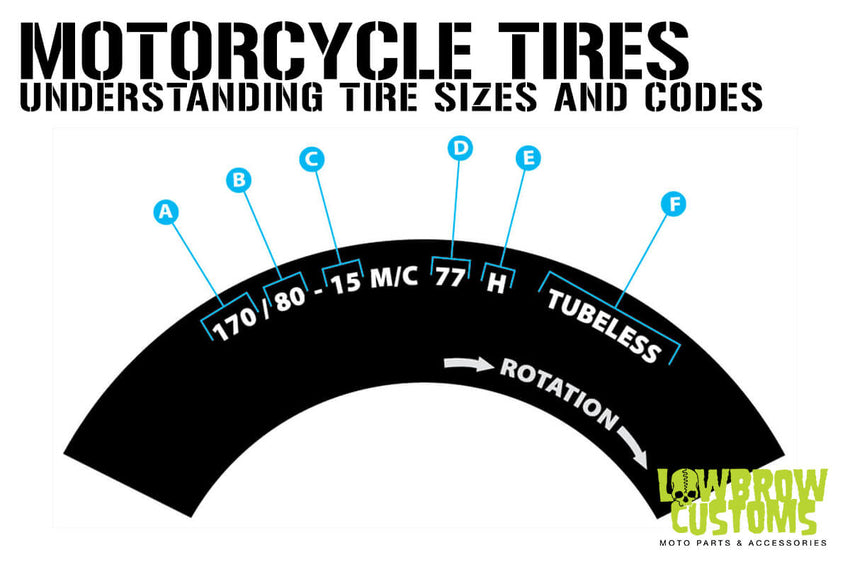
Tire size, speed rating, and load capacity must fit your motorcycle. Using the right specs ensures safety.
Look for the DOT code on the tire sidewall. It shows the tire’s manufacturing week and year.
- Check tire width and aspect ratio matching your bike.
- Speed rating must meet or exceed your bike’s speed.
- Load capacity should support your weight and cargo.
- Replace tires older than 5-6 years, regardless of use.
Credit: www.lowbrowcustoms.com

Credit: www.reddit.com
Frequently Asked Questions
How Old Is Too Old For A Motorcycle Tire?
Motorcycle tires older than 5-6 years are generally considered too old. Rubber hardens and loses grip over time, even if unused. Check the tire’s manufacture date stamped on the sidewall. Replace tires if they show cracks, wear, or age beyond recommended limits for safety.
How To Check The Age Of A Motorcycle Tire?
Look for the DOT code on the tire’s sidewall. The last four digits indicate the week and year of manufacture. For example, “2319” means the tire was made in the 23rd week of 2019. This helps determine the tire’s age and safety status.
Can Old Motorcycle Tires Cause Accidents?
Yes, old tires lose flexibility and grip, increasing accident risk. Aging rubber becomes brittle and cracks, reducing traction and handling. Riding on outdated tires compromises safety, especially in wet or challenging conditions. Always inspect and replace tires regularly to prevent accidents.
Do Unused Motorcycle Tires Degrade Over Time?
Yes, unused tires still degrade due to rubber aging and environmental exposure. Heat, UV rays, and oxygen cause the rubber to harden and crack. Even stored tires should be checked for age and condition before use to ensure safe performance.
Conclusion
Motorcycle tires do not last forever. Most experts say tires should be replaced after five to six years. Even if the tire looks fine, the rubber can dry out and crack. Old tires can be dangerous and affect your bike’s safety.
Always check the tire’s manufacture date before buying. Regular inspections help catch problems early. Riding on fresh tires keeps you safer and improves performance. Remember, taking care of your tires protects you on every ride. Stay safe and replace tires on time.