Have you ever wondered how old Porsche really is? If you’re curious about the history behind this iconic car brand, you’re in the right place.
Knowing Porsche’s age isn’t just about numbers—it reveals a story of innovation, passion, and performance that might surprise you. By the end of this article, you’ll see why Porsche’s legacy matters to you, whether you’re a car lover or just someone who appreciates quality and design.
Ready to uncover the truth behind Porsche’s age? Let’s dive in.

Credit: www.porschewestpalmbeach.com
Origins Of Porsche
The origins of Porsche trace back to a time when automotive innovation was just beginning to take shape. Understanding where Porsche started offers valuable insight into how it became one of the most iconic car brands today. If you’ve ever wondered how a company with such a rich legacy began, let’s dive into its early days.
Ferdinand Porsche’s Early Career
Ferdinand Porsche was not just a name but a visionary engineer. He began his career in the automotive world designing electric vehicles and advanced automotive technology. His early work included developing the first hybrid car as early as 1900, showing his knack for innovation.
His experiences working for companies like Austro-Daimler and Mercedes gave him the skills to push automotive boundaries. Think about your own career—how much does early experience shape your future success? For Porsche, it was foundational.
Founding The Company
Porsche officially started as a company in 1931. Instead of just making cars, the company began as a design and consulting firm. Ferdinand Porsche set up shop in Stuttgart, Germany, with a small team focused on automotive development.
What stands out here is their focus on innovation over immediate production. They worked on projects for other manufacturers, which helped build their reputation. This approach might inspire you to think about how starting small and focusing on your strengths can lead to bigger opportunities.
First Projects And Designs
One of Porsche’s earliest projects was designing the Volkswagen Beetle. This design became one of the most recognizable cars in history. It highlights the company’s ability to create simple yet effective designs that appeal to a wide audience.
Besides the Beetle, Porsche developed race cars and military vehicles, showcasing versatility. These early projects laid the groundwork for the brand’s future in performance and engineering excellence. Have you ever thought about how diverse experiences can strengthen your core skills?
Iconic Models Through The Decades
Porsche’s legacy is built on a lineup of cars that have defined sports car culture over the years. Each iconic model reflects the brand’s commitment to performance and design. Understanding these vehicles helps you appreciate why Porsche remains a benchmark in automotive history.
The Birth Of The 356
The journey began with the Porsche 356, introduced in 1948. It was lightweight, nimble, and perfect for drivers who wanted thrill without excess. I remember seeing one at a vintage car show and feeling how its simple design still captured attention decades later.
This model set the stage for Porsche’s reputation. It proved that engineering excellence could come in a compact package. Have you ever driven a car that made you feel connected in every turn? That’s the 356’s legacy.
Introduction Of The 911
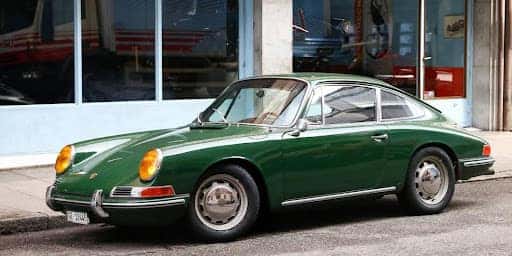
The 911 arrived in 1964 and changed everything. It wasn’t just a car; it was a statement of innovation with its rear-engine layout. If you’ve ever experienced a 911, you know the unique balance of power and control it offers.
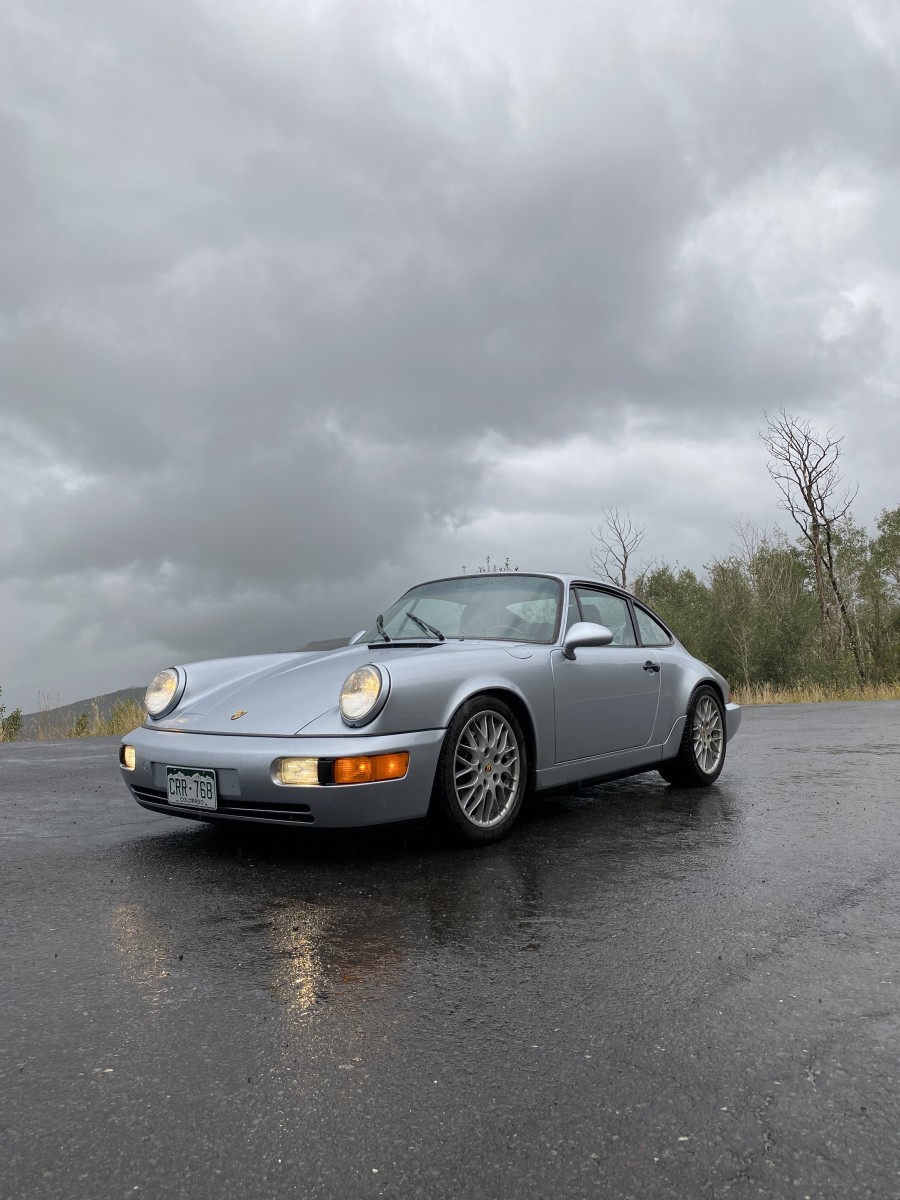
This model evolved continuously but stayed true to its original spirit. Porsche used the 911 to push boundaries without losing the essence that made it special. Would you guess that the 911 has remained largely recognizable after more than 50 years?
Evolution Of Sports Cars
Over the decades, Porsche expanded its lineup, blending tradition with new technologies. Models like the Boxster and Cayman brought mid-engine designs, while the Taycan introduced electric power to the brand.
Each new model adds features that improve your driving experience, from better handling to advanced safety. What’s exciting is how Porsche keeps evolving while respecting its heritage. How do you think future sports cars will balance performance and sustainability?
Porsche’s Role In Motorsports
Porsche’s involvement in motorsports is a key part of its identity and history. The brand’s continuous presence on race tracks around the world has shaped its engineering and performance standards. Understanding Porsche’s role in racing helps you appreciate the precision and power behind every model.
Racing Heritage
Porsche’s motorsport journey began shortly after its founding in 1931. The company quickly gained attention with its lightweight, agile cars designed for endurance and speed. This heritage builds a foundation that still influences Porsche’s road cars today.
Have you ever wondered why Porsche models feel so balanced and responsive? It’s because the brand tested these traits on some of the toughest racing circuits globally, from Le Mans to the Nürburgring.
Notable Victories
Porsche holds an impressive record with over 30 wins at the 24 Hours of Le Mans alone. Victories in other major events, like the World Sportscar Championship and various rally championships, underline its dominance.
These wins don’t just add trophies to the shelf—they drive technological advancements. For example, Porsche’s success with turbocharged engines in racing helped bring that technology to everyday cars, improving your driving experience.
Impact On Brand Image
Porsche’s motorsport success adds a layer of credibility and excitement to the brand. It signals to you that every Porsche is built with racing DNA, promising exceptional performance and reliability.
This connection to racing creates a community of enthusiasts who value precision engineering and driving thrills. How does knowing your car shares technology with championship winners change the way you drive or view the brand?
Credit: pro.thestreet.com
Technological Innovations
Porsche has a long history of pushing the limits of technology. Its innovations have shaped modern sports cars. The brand combines tradition with cutting-edge solutions. This blend keeps Porsche at the forefront of automotive development.
Engineering Breakthroughs
Porsche engineers focus on precision and durability. They develop advanced engines that deliver power and efficiency. Lightweight materials like carbon fiber reduce vehicle weight. This improves speed and handling. Innovative suspension systems enhance ride comfort and control. Each breakthrough improves the driving experience and reliability.
Advancements In Performance
Porsche uses technology to boost car performance. Turbocharging and direct fuel injection increase engine output. Aerodynamics are optimized for better stability at high speeds. Porsche’s all-wheel-drive system improves grip on different surfaces. High-performance brakes ensure safe stopping power. These advancements help drivers enjoy speed without sacrificing safety.
Sustainability Initiatives
Porsche is committed to reducing its environmental impact. The company invests in electric and hybrid vehicle technology. Battery development focuses on longer life and faster charging. Porsche uses renewable energy in manufacturing plants. Recycling and waste reduction programs support sustainability goals. These efforts help Porsche build a greener future.
Global Expansion And Influence
Porsche’s journey is more than just building cars. It’s about reaching people around the world. The brand has grown beyond its home in Germany. It now influences many cultures and markets. This global expansion shapes Porsche’s identity and legacy.
From sports cars to SUVs, Porsche adapts to many markets. The brand’s influence spreads through culture, partnerships, and innovation. It connects with diverse audiences and creates a lasting impact.
Entering New Markets
Porsche started in Europe but quickly moved beyond. The brand entered North America, Asia, and the Middle East. Each market brought unique challenges and opportunities. Porsche tailored its cars to local tastes and needs.
Expanding globally helped Porsche boost sales and brand recognition. New showrooms and service centers appeared worldwide. The company also focused on electric vehicles to meet global trends.
Cultural Impact
Porsche is not just a car brand; it’s a cultural icon. It appears in movies, music, and art. The brand symbolizes luxury, performance, and success. Many people admire Porsche’s design and heritage.
The brand’s influence is visible in lifestyle and fashion. Porsche clubs and events gather fans around the world. This connection builds a strong community and brand loyalty.
Collaborations And Partnerships
Porsche works with other brands to expand its reach. Collaborations include technology, fashion, and motorsport. These partnerships bring fresh ideas and new audiences.
- Joint projects with tech companies improve car features.
- Fashion collaborations create exclusive merchandise.
- Motorsport partnerships enhance Porsche’s racing reputation.
These efforts keep Porsche relevant and exciting in a changing world.
Porsche Today
Porsche today stands as a symbol of innovation and high performance, continuing a legacy that began over 70 years ago. The brand balances its rich heritage with cutting-edge technology, appealing to both traditional enthusiasts and new-age drivers. Whether on the road or on the track, Porsche’s modern lineup offers something for everyone who values precision and excitement.
Current Lineup
Porsche’s current lineup features a mix of iconic sports cars and versatile SUVs. The 911 remains a flagship model, loved for its powerful engines and sharp handling. Alongside it, the Cayman and Boxster offer thrilling mid-engine performance at a more accessible price.
For those needing space without sacrificing sportiness, the Macan and Cayenne SUVs deliver impressive power and comfort. The Panamera sedan provides luxury with a sporty edge, blending performance with everyday usability. This range shows Porsche’s commitment to catering to diverse driving preferences.
Electric And Hybrid Models
Electric and hybrid vehicles are no longer the future for Porsche—they are very much the present. The Taycan, Porsche’s fully electric sports car, has garnered praise for its rapid acceleration and sleek design. It challenges the notion that electric cars can’t be exciting to drive.
Hybrid options are available in the Panamera and Cayenne, offering a balance of power and efficiency. These models allow you to enjoy Porsche’s performance while reducing your carbon footprint. Have you ever considered how a hybrid could change your daily driving experience?
Future Plans
Porsche is investing heavily in electric technology and sustainability. Plans include expanding the Taycan family with new models and improving battery performance. The brand also aims to offer more electric and hybrid versions across its entire lineup.
Additionally, Porsche is exploring innovative digital features to enhance your driving experience. From advanced driver aids to connected car services, the future promises more convenience and safety. How ready are you to embrace a Porsche that’s as smart as it is fast?

Credit: www.evo.co.uk
Frequently Asked Questions
When Was Porsche Founded?
Porsche was founded in 1931 by Ferdinand Porsche in Stuttgart, Germany. Initially, the company offered vehicle development consulting. The first car under the Porsche brand, the Porsche 356, was produced in 1948. Over the decades, Porsche has become synonymous with luxury and high-performance sports cars.
How Did Porsche Get Its Name?
Porsche is named after its founder, Ferdinand Porsche. He was an automotive engineer and visionary. The brand has maintained a legacy of innovation and excellence. Today, Porsche is renowned globally for its iconic sports cars and engineering prowess.
What Was Porsche’s First Car?
Porsche’s first car was the Porsche 356, produced in 1948. It was a lightweight, rear-engine sports car. The 356 was designed by Ferdinand “Ferry” Porsche, son of the company’s founder. This model set the foundation for Porsche’s future design and engineering philosophy.
How Has Porsche Evolved Over The Years?
Porsche has evolved from producing sports cars to offering a diverse range of vehicles. It now includes SUVs and electric models. The brand has maintained a focus on performance and innovation. Porsche continues to be a leader in automotive design and engineering.
Conclusion
Porsche has a rich history that dates back over 90 years. The brand started in 1931 with a clear vision for sports cars. Today, Porsche remains a symbol of quality and performance. Its long journey shows passion and innovation. People worldwide admire Porsche’s timeless design and engineering.
Learning about Porsche’s age helps appreciate its legacy. The story of Porsche continues to inspire car lovers everywhere.