When children travel in cars, safety is very important. Parents and caregivers want to keep kids safe. One big question many have is: how old must a child be to use a booster seat in California? This article will explain the rules in simple words. It will also tell you why booster seats matter and how to use them right.
Why Booster Seats Are Important
Booster seats help children sit at the right height. This helps seat belts fit properly. When seat belts fit well, they protect children better in crashes. Without a booster seat, the seat belt can hurt a child or not protect well.
Booster seats raise a child so the seat belt fits across the chest and hips. This is safer than having the belt on the neck or stomach. It also keeps kids comfortable. Comfortable kids will stay buckled up.
California Law on Booster Seats
California has rules about booster seats. These rules tell us when a child must use a booster seat. The law helps keep children safe on the road. Here are the main points:
- Children under 8 years old must use a booster seat.
- Children under 4 years must use a child safety seat, not just a booster.
- Children 8 years or older can use a regular seat belt if it fits well.
So, in simple words, kids younger than 8 need a booster seat unless they are very small. The law wants kids to be protected until they are big enough for the seat belt to fit right.
Details of the Law
| Child’s Age | Required Seat Type | Notes |
|---|---|---|
| Under 2 years | Rear-facing child safety seat | Must be in rear-facing seat in back seat |
| 2 to under 4 years | Forward-facing child safety seat | Use a child safety seat with harness |
| 4 to under 8 years | Booster seat | Use booster seat until child is 8 or tall enough |
| 8 years and older | Seat belt | Child can use regular seat belt if it fits properly |
This table shows how the seat type changes as children grow. Following these rules is important for safety and to avoid fines.
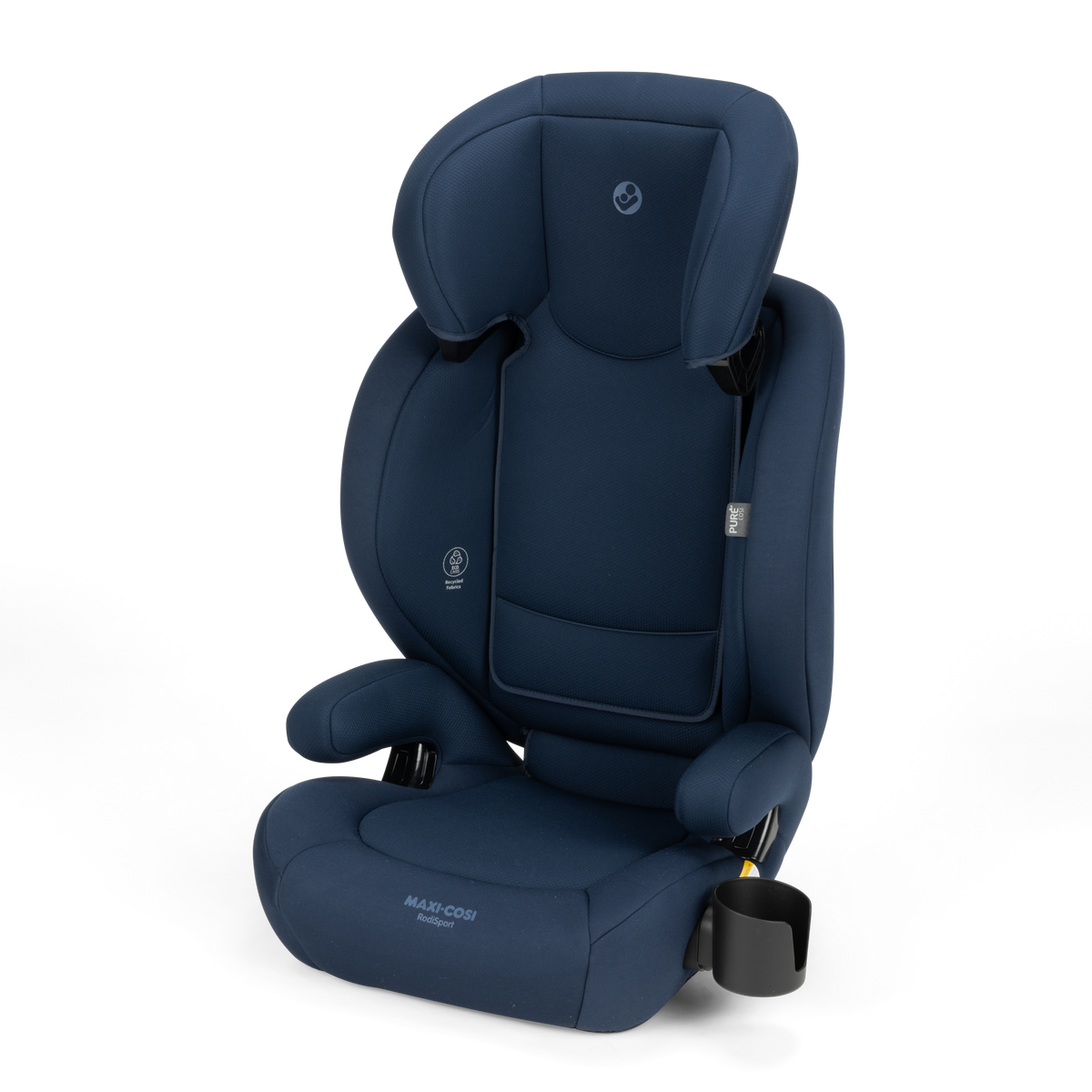
Credit: maxicosi.com
What Does “Tall Enough” Mean?
Some children grow faster or slower than others. The law also says a child can stop using a booster seat when they are tall enough. But what does “tall enough” mean?
A child should be at least 4 feet 9 inches (57 inches) tall to stop using a booster seat. At this height, a regular seat belt fits well. The belt should lie across the upper thighs, not the stomach. The shoulder belt should cross the chest, not the neck or face.
If the belt does not fit right, the child should keep using a booster seat. The booster helps the belt fit safely. Parents must check the fit every time.
Where Should Children Sit in the Car?
California law also says children under 8 must sit in the back seat. The back seat is safer than the front seat. Airbags in the front can hurt small children in crashes.
So, even if a child is old enough to stop using a booster seat, if they are younger than 8, they should still sit in the back seat. This rule helps keep children safer during travel.
How to Choose the Right Booster Seat
There are many types of booster seats. You can find high-back booster seats and backless booster seats. Both types help with seat belt fit.
- High-back booster seats give head and neck support. They are good for cars without headrests.
- Backless booster seats are smaller and easier to carry. They work well if the car has good headrests.
When choosing a booster seat, check the child’s weight and height limits on the label. Make sure the seat matches the child’s size. Also, read the instructions carefully for correct installation.
Steps to Use a Booster Seat Properly
Using a booster seat correctly is very important. Here are simple steps:
- Place the booster seat in the back seat of the car.
- Make sure the child sits all the way back on the booster.
- Put the lap belt low across the child’s hips and upper thighs.
- Place the shoulder belt across the chest and shoulder.
- Check that the belt is not twisted or loose.
- Never put the shoulder belt behind the child’s back or under the arm.
These steps help the seat belt protect the child well in case of a crash.
When Can a Child Stop Using a Booster Seat?
A child can stop using a booster seat when all these are true:
- The child is at least 8 years old.
- The child is at least 4 feet 9 inches tall.
- The seat belt fits properly without the booster.
- The child can sit with back against the seat and knees bent at the edge.
If any of these are not true, the child should keep using a booster seat. Safety is more important than age alone.

Credit: safety1st.com
Penalties for Not Following Booster Seat Laws
California law has fines for not using child safety seats properly. If a child under 8 is not in a booster seat or proper car seat, the driver can be fined.
Besides fines, not using the right seat puts the child at risk of injury. Car crashes can cause serious harm. Using the correct seat helps reduce that risk.
Tips for Parents and Caregivers
- Always use a booster seat for children under 8 unless they are very tall.
- Check your car manual for special instructions about child seats.
- Make sure the booster seat is installed correctly each time.
- Teach children to always wear seat belts properly.
- Replace booster seats after a car crash or if damaged.
Following these tips helps keep children safe every time they ride in a car.
Frequently Asked Questions
What Is The Minimum Age For Booster Seats In California?
Children must be at least 4 years old to use a booster seat in California.
Until What Age Should Kids Use Booster Seats In California?
California law recommends booster seats until children are 8 years old.
What Height Requires A Child To Stop Using A Booster Seat?
Kids should use booster seats until they reach 4 feet 9 inches tall.
Can A 6-year-old Ride Without A Booster Seat In California?
No, children under 8 years old must use booster seats unless tall enough.
Conclusion
In California, children under 8 years old must use a booster seat. They must also sit in the back seat. When children grow tall enough and reach 8 years, they can use a regular seat belt if it fits well.
Booster seats are very important for child safety. They help seat belts fit better and protect children in crashes. Parents and caregivers should always follow the law and use the right seats for their children.
Remember, safety is the top priority. Using booster seats the right way saves lives and prevents injuries.