Have you ever wondered how plants make their own food without a kitchen or a grocery store? It’s a fascinating process that happens right inside their leaves, using sunlight, water, and air.
Understanding how plants manufacture their food not only reveals the magic of nature but also helps you appreciate the green world around you even more. Keep reading, and you’ll discover the simple yet powerful way plants feed themselves and, in turn, support life on Earth—including yours.

Credit: sizzlekidz.com
Photosynthesis Basics
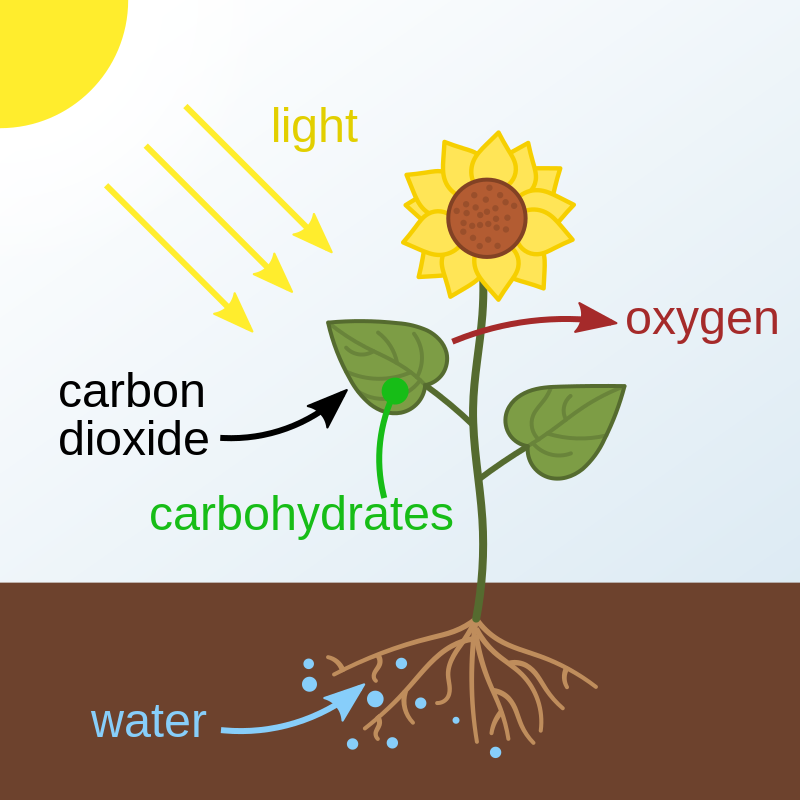
Plants make their own food through a process called photosynthesis. This process uses sunlight to turn water and carbon dioxide into energy.
Photosynthesis is very important because it provides food for plants and oxygen for living things.
What Photosynthesis Means
Photosynthesis is how plants use light to create food. They change sunlight, water, and air into sugar and oxygen. The sugar gives plants energy to grow.
Key Components Involved
- Sunlight – the energy source
- Water – taken from the soil
- Carbon dioxide – taken from the air
- Chlorophyll – the green pigment that captures sunlight
- Oxygen – released as a byproduct
- Glucose – the sugar made as food
Where Photosynthesis Occurs
| Plant Part | Function |
|---|---|
| Leaves | Main place where sunlight is absorbed |
| Chloroplasts | Inside leaf cells, contain chlorophyll for capturing light |
| Stomata | Small openings on leaves that allow carbon dioxide in |
Light Absorption
Plants make their food through a process called photosynthesis. Light absorption is the first step in this process. Plants capture sunlight to turn it into energy.
Without light absorption, plants cannot produce the food they need to grow. This makes understanding how plants absorb light very important.
Role Of Chlorophyll
Chlorophyll is a green pigment in plant leaves. It helps plants absorb light from the sun. This pigment is key for photosynthesis to work.
Chlorophyll mainly absorbs blue and red light. It reflects green light, which is why plants look green to us.
Light Spectrum And Energy
Sunlight contains many colors of light. Each color has different energy levels. Plants use specific parts of this light for food making.
- Blue light has high energy and helps growth.
- Red light has medium energy and aids photosynthesis.
- Green light is mostly reflected, not used much.
Capturing Sunlight
Leaves have special cells that capture sunlight. These cells contain chloroplasts, which hold chlorophyll. Chloroplasts convert light energy into chemical energy.
Plants open tiny pores called stomata to take in carbon dioxide. The captured light helps turn this gas and water into food.
The Photosynthesis Process
Plants make their food through a process called photosynthesis. They use sunlight, water, and carbon dioxide to create energy.
This process happens in the leaves of plants. It is essential for plant growth and oxygen production.
Light-dependent Reactions
Light-dependent reactions occur when sunlight hits the plant’s leaves. The chlorophyll absorbs sunlight and converts it into energy.
This energy splits water molecules into oxygen and hydrogen. Oxygen is released into the air.
- Sunlight is absorbed by chlorophyll
- Water molecules are split
- Oxygen is released
Light-independent Reactions
Light-independent reactions do not need sunlight. They use the energy from light-dependent reactions.
These reactions turn carbon dioxide and hydrogen into glucose. Glucose is the food for the plant.
- Carbon dioxide is used
- Glucose is produced
- Energy from previous reactions is utilized
Energy Conversion
During photosynthesis, energy is converted from sunlight into chemical energy. This energy is stored in the form of glucose.
Plants use this stored energy to grow and reproduce. It is also used to perform other functions necessary for survival.
| Input | Output |
| Sunlight | Energy |
| Water | Oxygen |
| Carbon Dioxide | Glucose |

Credit: www.youtube.com
Water And Carbon Dioxide Role
Plants make their own food using sunlight, water, and carbon dioxide. These two elements play key roles in the process called photosynthesis.
Water and carbon dioxide work together in different parts of the plant to create energy and food for growth.
Water Splitting Mechanism
Water molecules split during photosynthesis to release oxygen. This process also provides electrons and protons needed for energy creation in the plant.
- Water enters the plant roots from the soil.
- It moves up to the leaves through the stem.
- In the chloroplasts, water splits into oxygen, protons, and electrons.
- Oxygen is released into the air.
- Electrons and protons help convert sunlight into energy.
Carbon Fixation
Carbon fixation is the process where plants change carbon dioxide into sugar. This sugar serves as food and energy for the plant.
| Stage | Description |
| CO₂ Uptake | Carbon dioxide enters the leaf through tiny openings. |
| Enzyme Action | An enzyme called Rubisco helps attach CO₂ to a sugar molecule. |
| Sugar Formation | The fixed carbon forms glucose, which the plant uses for energy. |
Gas Exchange In Leaves
Leaves have small pores called stomata. These allow gases to move in and out of the leaf easily.
The stomata open and close to control:
- Entry of carbon dioxide for photosynthesis
- Release of oxygen produced by the plant
- Loss of water vapor during transpiration
Factors Affecting Photosynthesis
Photosynthesis is how plants make their food using sunlight. Several factors affect how well plants can do this.
These factors include light intensity, carbon dioxide levels, temperature, and water availability. Each one changes the rate of photosynthesis.
Light Intensity
Light provides the energy plants need for photosynthesis. When light intensity is low, plants make less food.
As light gets stronger, photosynthesis speeds up until it reaches a limit. After that, more light does not help.
Carbon Dioxide Levels
Carbon dioxide is a raw material in photosynthesis. Higher carbon dioxide levels make photosynthesis faster.
- Low CO2slows down the process.
- High CO2boosts food production.
- Extremely high levels have little extra effect.
Temperature Effects
Temperature affects enzymes that help photosynthesis. Plants work best at certain temperatures.
| Temperature (°C) | Photosynthesis Rate |
| 0 – 15 | Slow |
| 15 – 35 | Optimal |
| Above 35 | Declines |
Water Availability
Water is essential for photosynthesis and keeps plant cells healthy. Lack of water stops the process.
Plants lose water through leaves. If water loss is high, stomata close to save water.
This stops carbon dioxide from entering, lowering photosynthesis.

Credit: www.youtube.com
Photosynthesis And Plant Growth
Plants make their own food using sunlight, water, and air. This process is called photosynthesis.
Photosynthesis helps plants grow and stay healthy. It creates the energy plants need.
Glucose Production
Plants produce glucose during photosynthesis. They use sunlight to turn water and carbon dioxide into glucose.
Glucose is a type of sugar that plants use as food. It gives them energy to grow and live.
Energy Storage
Plants store extra glucose as starch. Starch is a long-term energy reserve.
This stored energy helps plants survive when sunlight is low or during cold seasons.
- Glucose is made in leaves
- Excess glucose turns into starch
- Starch is stored in roots, stems, and seeds
Supporting Plant Functions
Glucose supports many plant functions. It helps build cell walls and produce new cells.
Energy from glucose powers activities like growing roots, making flowers, and healing wounds.
- Builds strong cell walls
- Supports root and stem growth
- Helps in flower and fruit formation
- Repairs damaged parts
Photosynthesis In Different Plants
Plants make their food using a process called photosynthesis. They use sunlight, water, and carbon dioxide to create energy. Different plants have special ways to do photosynthesis.
These ways help plants live in many places. Some plants use the C3 pathway, others use C4 or CAM pathways. Each type works best in certain conditions.
C3 Pathway
The C3 pathway is the most common type of photosynthesis. Most plants like wheat, rice, and soybeans use this way. They take in carbon dioxide and make a 3-carbon compound first.
C3 plants work well in cool and wet places. They close their leaves during hot weather to save water. But this can slow down photosynthesis.
C4 Pathway
C4 plants have a special way to catch carbon dioxide. They make a 4-carbon compound first. Corn, sugarcane, and sorghum are C4 plants. They keep working well in hot and sunny places.
C4 plants save water and avoid losing carbon dioxide. They have special cells that help photosynthesis work faster and better in heat.
- Better in strong sunlight
- Save more water
- Grow well in hot weather
Cam Pathway
CAM plants open their leaves at night to take in carbon dioxide. They store it and use it during the day for photosynthesis. Cacti and pineapple use this way to save water.
CAM plants live in dry places. They keep water inside by closing leaves during the hot day. This helps them survive in deserts.
- Open leaves at night
- Store carbon dioxide for daytime
- Save water in dry conditions
Adaptations To Environment
Plants change how they do photosynthesis to live in different places. C3 plants like cooler, wetter climates. C4 plants live in hot, sunny areas. CAM plants survive in dry, desert spots.
These adaptations help plants use sunlight and water well. They reduce water loss and keep making food in tough conditions.
Efficiency Variations
C4 plants are more efficient than C3 plants in hot weather. They lose less water and capture carbon dioxide better. CAM plants are best at saving water but grow slower.
| Pathway | Best Condition | Water Use | Photosynthesis Speed |
|---|---|---|---|
| C3 | Cool, wet | High water loss | Moderate |
| C4 | Hot, sunny | Low water loss | Fast |
| CAM | Dry, desert | Very low water loss | Slow |
Human Impact And Photosynthesis
Plants make their food using sunlight in a process called photosynthesis. This process is very important for life on Earth. Humans affect plants and photosynthesis in many ways.
Understanding how human actions change photosynthesis helps us protect nature and food supply. Let’s look at some key impacts.
Deforestation Effects
Cutting down trees reduces the number of plants that can do photosynthesis. This lowers oxygen production and carbon dioxide absorption.
Loss of forests harms animals and changes local climates. It also makes the air quality worse for humans.
- Less oxygen in the air
- More carbon dioxide remains in the atmosphere
- Fewer habitats for wildlife
- Soil erosion increases
Climate Change Influence
Rising temperatures and changing weather affect how plants perform photosynthesis. Some plants may grow slower or stop growing.
Too much carbon dioxide can help plants grow, but extreme heat and drought often cause damage. This makes food production harder.
- Heat stress reduces photosynthesis rate
- Drought limits water needed for plants
- Extreme weather damages plant life
- Changes in seasons affect growth cycles
Enhancing Photosynthesis For Agriculture
Scientists and farmers work to improve photosynthesis in crops. Better photosynthesis means higher food production and stronger plants.
Techniques include using better seeds, adding nutrients, and controlling light and water. These help plants make food more efficiently.
- Using fertilizers to supply nutrients
- Breeding plants for faster photosynthesis
- Controlling irrigation for water supply
- Using greenhouses to manage light and temperature
Frequently Asked Questions
How Do Plants Make Their Own Food?
Plants make food through photosynthesis, using sunlight, water, and carbon dioxide. Chlorophyll in leaves captures sunlight. This energy converts carbon dioxide and water into glucose and oxygen, providing energy for growth and development.
What Role Does Chlorophyll Play In Food Production?
Chlorophyll absorbs sunlight, which powers photosynthesis. It gives leaves their green color. Without chlorophyll, plants cannot convert sunlight into chemical energy needed to produce food.
Why Is Photosynthesis Important For Plants?
Photosynthesis creates glucose, the main energy source for plants. It also releases oxygen, essential for life on Earth. This process sustains plant growth and supports the food chain.
Which Parts Of The Plant Help In Food Manufacturing?
Leaves are the primary site for photosynthesis due to chlorophyll. Roots absorb water, and stomata in leaves allow carbon dioxide intake. All these parts work together to manufacture food.
Conclusion
Plants make their own food using sunlight, water, and air. This process keeps them alive and helps the environment. Photosynthesis turns sunlight into energy in simple steps. Leaves play a big role by capturing sunlight. Understanding this process shows how nature supports life.
Plants provide oxygen and food for many living things. This natural system works quietly but is very important. Every green leaf tells a story of energy and life. Nature’s design is smart and efficient. It keeps the world green and healthy.