Have you ever wondered how a portable air conditioner cools down your space so quickly? Understanding how this handy device works can help you use it more effectively and keep your home comfortable all summer long.
You’ll discover the simple steps behind the cooling process and why portable air conditioners are a smart choice for beating the heat. Keep reading, and you’ll learn everything you need to know to make your environment cooler and your life easier.
Basic Components
Portable air conditioners cool rooms using several key parts. These parts work together to remove heat and moisture from the air.
Understanding each part helps you see how the air conditioner keeps your space comfortable.
Compressor Role
The compressor pumps the refrigerant through the system. It raises the pressure and temperature of the refrigerant gas.
This process helps move heat from inside your room to the outside.
Evaporator Function
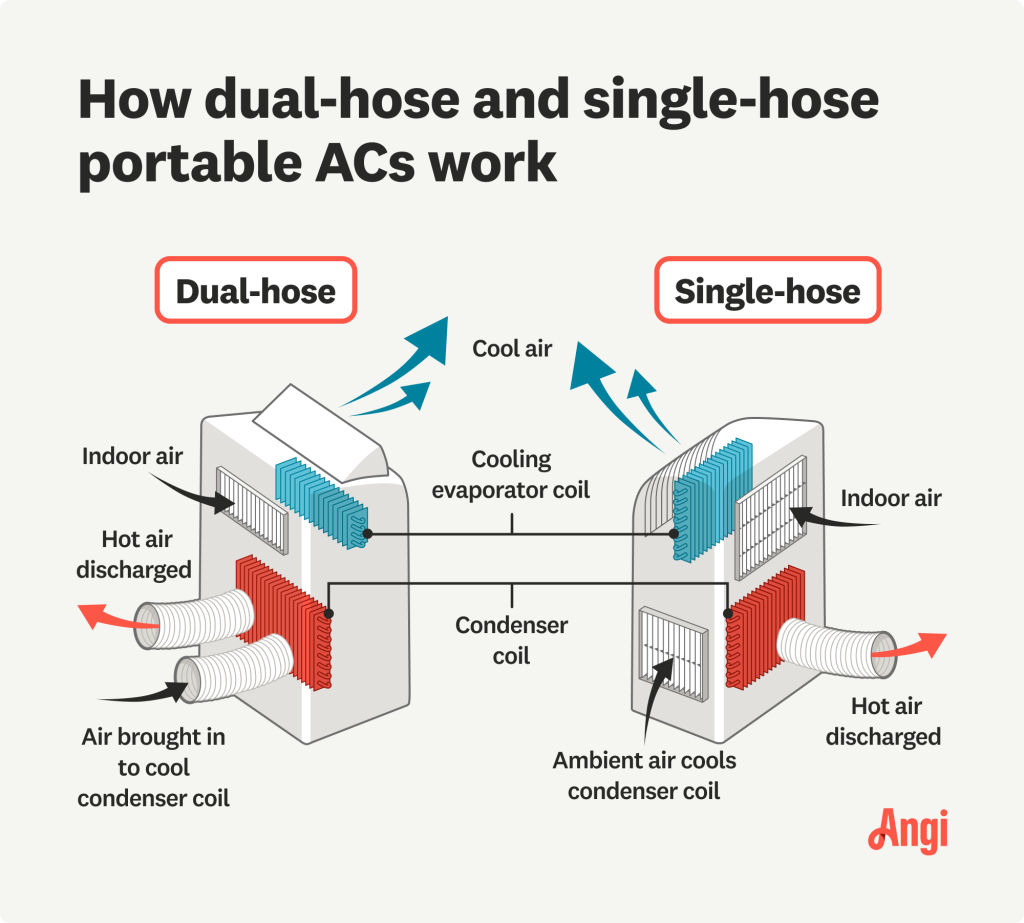
The evaporator absorbs heat from the indoor air. It cools the air by letting the refrigerant evaporate inside its coils.
As warm air passes over the evaporator, it loses heat and becomes cooler before returning to the room.
Condenser Importance
The condenser releases heat outside the room. It cools the hot refrigerant gas and turns it back into a liquid.
This process helps remove heat from inside and keeps the cycle going.
Expansion Valve Purpose
The expansion valve controls the flow of refrigerant into the evaporator. It lowers the refrigerant’s pressure and temperature.
This change allows the refrigerant to absorb heat easily from the indoor air.
Cooling Cycle Steps
Portable air conditioners cool a room by moving heat outside. They use a special cooling cycle to do this. This cycle has four main parts. Each part helps the air conditioner remove heat from the indoor air.
Understanding these steps helps you see how the air conditioner works. The main parts are refrigerant flow, heat absorption, heat release, and air circulation.
Refrigerant Flow
The refrigerant is a special fluid that moves inside the air conditioner. It flows through pipes and changes between liquid and gas. This flow carries heat from inside to outside.
The refrigerant starts as a cool liquid. It absorbs heat and turns into a warm gas. Then it moves to the outside part of the unit.
Heat Absorption
The air conditioner pulls warm air from the room. The refrigerant absorbs heat from this air. This process cools the air inside the room.
Heat absorption happens inside the evaporator coil. The refrigerant inside the coil takes in heat and changes to a gas.
Heat Release
The refrigerant carries the heat outside. It passes through the condenser coil where it releases heat into the air. This cools the refrigerant back to a liquid.
The heat release happens outside the room. This keeps the indoor air cooler and comfortable.
Air Circulation
The air conditioner moves air inside the room. Warm air goes into the unit and cool air flows out. This circulation spreads the cool air evenly.
- Warm indoor air enters the unit
- Air passes over cold evaporator coil
- Heat is taken from the air
- Cool air blows back into the room
Types Of Portable Ac Units
Portable air conditioners come in different designs to fit your cooling needs. Two main types are single hose and dual hose models.
Each type works differently and has its own advantages. Knowing these helps you pick the right unit.
Single Hose Models
Single hose units use one hose to push hot air outside. They take air from the room to cool the unit and then expel warm air outdoors.
- Simple design and easy to set up
- Usually less expensive
- Can lower air pressure inside the room
- May bring in warm air from outside
- Works well for small rooms
Dual Hose Models
Dual hose units have two hoses: one pulls air from outside to cool the unit, and the other pushes hot air out. This keeps room air sealed better.
| Feature | Single Hose | Dual Hose |
| Number of Hoses | One | Two |
| Air Pressure | May lower room pressure | Maintains room pressure |
| Cooling Efficiency | Lower | Higher |
| Setup Complexity | Simple | More complex |
| Best For | Small rooms | Larger rooms |
Credit: karinearappliances.com
Installation Tips
Installing a portable air conditioner correctly helps it work better. Good setup keeps your room cool and saves energy.
Follow simple steps to set up the unit safely and efficiently. This guide will cover key tips for installation.
Window Venting Setup
Portable air conditioners need to vent hot air outside. Most units come with a hose and window kit for this.
Choose a window near the unit to connect the exhaust hose. Make sure the hose is straight and not bent.
- Open the window and place the window kit in the gap.
- Attach the exhaust hose to the air conditioner and the window kit.
- Secure the window kit to prevent air leaks.
- Check that the hose is tight and not leaking hot air.
Sealing And Insulation
Sealing gaps around the window kit stops warm air from entering the room. It also keeps cool air inside.
Use weatherstripping or foam tape to seal gaps. Cover any open spaces to improve cooling efficiency.
- Check around the window kit for any gaps.
- Apply foam tape or weatherstripping around edges.
- Seal small holes with caulk if needed.
- Use curtains or blinds to block sunlight and heat.
Energy Efficiency Factors
Portable air conditioners cool rooms by removing heat and moisture. Their energy use depends on certain key factors. Understanding these helps you save electricity and reduce costs.
Two main factors affect energy efficiency: BTU ratings and Energy Star ratings. Each plays a role in how well a unit cools and how much power it uses.
Btu Ratings
BTU means British Thermal Unit. It shows how much heat a portable air conditioner can remove per hour. The higher the BTU, the bigger the room it can cool.
- Choose the right BTU size for your room to avoid waste.
- Too high BTU uses more energy than needed.
- Too low BTU means the unit runs longer, using more power.
- Proper BTU sizing improves cooling and saves energy.
Energy Star Ratings
Energy Star is a label for efficient appliances. Portable air conditioners with this rating use less electricity. They meet strict government standards for performance.
| Feature | Energy Star Certified | Non-Certified |
| Energy Use | Lower | Higher |
| Cost Savings | Better | Worse |
| Environmental Impact | Reduced | Greater |

Credit: www.cnet.com
Common Issues And Fixes
Portable air conditioners cool rooms but can face some problems. Knowing common issues helps fix them fast.
This guide covers poor cooling, strange noises, and maintenance checks to keep your unit working well.
Poor Cooling Causes
Sometimes the air conditioner does not cool the room well. This can happen for simple reasons.
Check the air filter first. A dirty filter blocks air and lowers cooling power.
- Dirty or clogged air filter
- Blocked or closed vents
- Low refrigerant levels
- Unit placed in direct sunlight
- Room size too large for the unit
Noise Troubleshooting
Noises can mean something is wrong with your air conditioner. Listen for unusual sounds.
Rattling often means loose parts. Buzzing can be an electrical issue. Hissing may show a refrigerant leak.
- Tighten loose screws and parts
- Check for objects touching the unit
- Inspect power cord and outlet
- Call a technician for leaks or electrical issues
Maintenance Checks
Regular maintenance keeps your portable air conditioner running well. Do simple checks often.
Clean or replace the air filter every month. Empty the water tank if your unit has one.
- Clean air filters monthly
- Clear vents and hoses of dust
- Empty water collection tray or tank
- Keep unit away from heat sources
- Store properly in off-season
Benefits Of Portable Ac
Portable air conditioners offer a flexible way to cool your space. They work by taking warm air from a room and releasing cool air back inside.
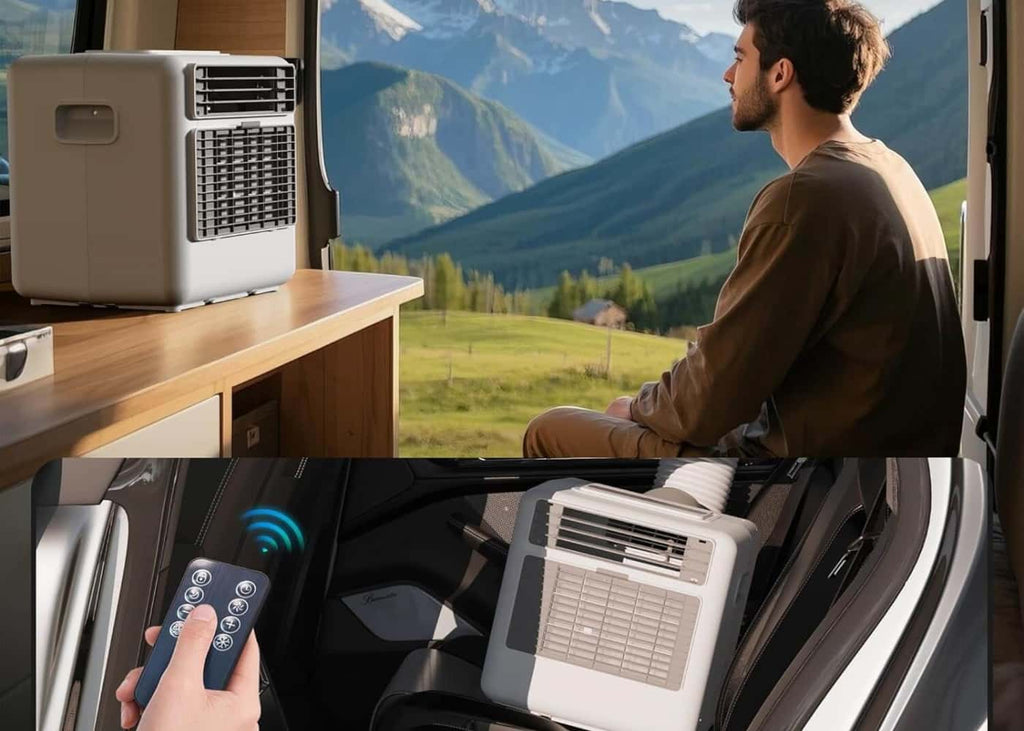
These units are easy to move and fit well in small areas. They help keep you comfortable without a big installation.
Mobility Advantages
One main benefit of portable ACs is their mobility. You can move them from one room to another with ease.
- Roll the unit on wheels to any room
- Use it in rooms without window access
- Cool different spaces as needed
- Store it away during cold months
Space Saving Features
Portable air conditioners save space compared to traditional units. They do not need permanent installation or window mounts.
| Feature | Benefit |
| Compact design | Fits in small rooms easily |
| Vertical shape | Uses less floor space |
| No window installation | Good for rooms without windows |
| Easy storage | Store when not in use |

Credit: www.youtube.com
Frequently Asked Questions
What Is A Portable Air Conditioner?
A portable air conditioner is a self-contained unit that cools individual rooms. It is easy to move and doesn’t require permanent installation. It works by removing warm air and moisture, then expelling cool air. You just need a window or vent to exhaust warm air outside.
How Does A Portable Ac Remove Heat?
A portable AC removes heat by drawing in warm air and cooling it with refrigerant. The warm air is cooled through the coils, and the moisture is collected in a tank or expelled outside. The cool air is then circulated back into the room, while the heat is vented out.
Do Portable Air Conditioners Need A Vent?
Yes, portable air conditioners need a vent to expel heat. The venting process is essential for cooling efficiency. Without proper venting, the unit will not cool effectively. Most units come with a window venting kit, making installation straightforward and necessary for optimal performance.
Are Portable Air Conditioners Energy Efficient?
Portable air conditioners can be energy efficient, especially with an Energy Star rating. They are designed to cool small spaces efficiently, using minimal energy. Choosing the right size and model can further enhance efficiency. Regular maintenance, like cleaning filters, also boosts energy efficiency and performance.
Conclusion
Portable air conditioners cool rooms by moving heat outside. They use a fan, compressor, and refrigerant to work. These units are easy to move and set up anywhere. They help keep your space comfortable during hot days. Knowing how they work can help you use them better.
Choose the right size for your room to get the best cooling. Portable air conditioners offer a simple way to stay cool without much effort.