Are you ready to catch more fish but unsure how to set up your fishing line correctly? Knowing how to rig a fishing line is the first step to improving your chances on the water.
Whether you’re a beginner or just need a quick refresher, this guide will show you simple, clear steps to get your line ready fast. By mastering this skill, you’ll feel more confident and enjoy your fishing trips even more. Keep reading, and you’ll learn how to rig your fishing line like a pro in no time.
Choosing The Right Line
Choosing the right fishing line is important for a good catch. The line must fit the fish you want to catch and the fishing conditions.
Knowing the types of lines and how to match them helps you fish better. This guide covers the main points to help you pick the right line.
Types Of Fishing Lines
There are three main types of fishing lines: monofilament, fluorocarbon, and braided. Each has different features for fishing.
- Monofilament:Flexible and easy to handle. Good for beginners.
- Fluorocarbon:Less visible underwater. Sinks faster than other lines.
- Braided:Very strong and thin. Has low stretch but is visible in clear water.
Matching Line To Fish Species
Different fish need different line types and strengths. Small fish need light lines. Bigger fish require stronger lines.
| Fish Species | Recommended Line Type | Line Strength (pounds) |
| Trout | Monofilament | 4-8 |
| Bass | Fluorocarbon | 8-12 |
| Salmon | Braided | 12-20 |
| Catfish | Braided | 20-30 |
Line Strength And Diameter
Stronger lines have bigger diameters. Thinner lines are less visible but may break easily. Pick a line that balances strength and size.
- Check the line’s pound test, which shows how much weight it can hold.
- Use thicker lines for heavy fish and rough conditions.
- Use thinner lines for clear water and cautious fish.
Selecting The Proper Rod And Reel
Fishing is a fun hobby that many people enjoy. Choosing the right rod and reel is important for a good fishing experience.
Understanding how to match them with your fishing line is key. This guide will help you select the proper rod and reel.
Rod Compatibility With Line
Rods come in different sizes and strengths. Each rod is made for a specific line type. Check the rod’s label to see the line weight it supports.
Using the right line ensures the rod bends correctly. This helps in catching fish without breaking the line.
- Light rods for light lines
- Medium rods for medium lines
- Heavy rods for heavy lines
Reel Types And Line Capacity
Reels come in spinning, baitcasting, and spincast types. Each reel has a line capacity, which shows how much line it can hold.
Choose a reel that matches your line’s length and strength. This helps you cast and reel in fish smoothly.
- Spinning reels are great for beginners
- Baitcasting reels offer more control
- Spincast reels are easy to use
Balancing Rod And Reel
Balancing the rod and reel is important for comfort. A balanced setup makes fishing easier and reduces arm fatigue.
Place the reel on the rod and check the weight. It should feel comfortable in your hands.
- Match the reel size with the rod size
- Avoid too heavy reels on light rods
- Check the grip for comfort
Attaching The Line To The Reel
Attaching the fishing line to the reel is the first step in rigging your fishing gear. It ensures the line stays secure while you fish.
Doing this correctly helps prevent problems like line slipping or tangling during casting.
Spooling Techniques
Spooling means winding the line onto the reel. Start by threading the line through the rod guides.
Tie the line to the reel spool using a strong knot like the arbor knot. Pull the knot tight to secure it.
- Make sure the line is tight on the spool
- Wind the line evenly without overlaps
- Fill the spool to about 80% capacity
Preventing Line Twist
Line twist causes tangles and weak spots. It happens when the line spins during casting or reeling.
Use a swivel to reduce twist. Let the line spool off the reel under light tension to avoid loops.
- Attach a swivel between the line and lure
- Keep the line tight while spooling
- Check for twists and fix them before fishing
Maintaining Proper Tension
Keep the line under steady tension as you spool. This stops loose loops that cause tangles.
Ask someone to hold the line spool or use a cloth to add friction. Slowly wind the line onto the reel.
- Apply gentle pressure on the line spool
- Reel at a steady, slow speed
- Stop if the line loosens and tighten again

Credit: greatdaysoutdoors.com
Tying Strong Knots
Tying strong knots is important for fishing. A good knot holds the line and hook tight.
Strong knots help prevent losing fish and make your fishing experience better.
Improved Clinch Knot
The Improved Clinch Knot is simple and strong. It works well with most fishing lines.
To tie it, pass the line through the hook eye. Wrap the tag end around the line five times.
Then, pass the tag end through the small loop near the eye. Pull tight to secure.
- Pass line through hook eye
- Wrap tag end five times
- Pass tag end through loop
- Pull tight to secure knot
Palomar Knot
The Palomar Knot is very strong and easy to tie. It works great for braided and monofilament lines.
Double the line and pass it through the hook eye. Tie a loose overhand knot with the doubled line.
Pass the hook through the loop of the overhand knot. Pull both ends to tighten the knot.
- Double the line and pass through hook eye
- Tie a loose overhand knot
- Pass hook through knot loop
- Pull ends to tighten knot
Loop Knots For Lures
Loop knots create a small loop that lets lures move freely. This makes the lure look more natural.
One popular loop knot is the Non-Slip Loop Knot. It holds strong and keeps the lure active.
- Make an overhand knot in the line
- Pass tag end through lure eye
- Pass tag end back through overhand knot
- Wrap tag end around standing line five times
- Pass tag end back through overhand knot
- Pull tight and trim excess line
Adding Terminal Tackle
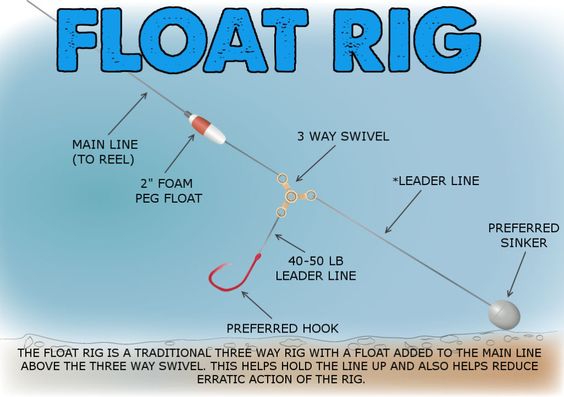
Adding terminal tackle is an important step in rigging your fishing line. Terminal tackle includes hooks, sinkers, swivels, and leaders. These parts help you catch fish and control your bait.
Choosing the right terminal tackle depends on the type of fishing you will do and the fish you want to catch. Let’s look at how to select and use these items.
Selecting Hooks And Sinkers
Hooks come in many sizes and shapes. Pick a hook size that fits the fish you want. Small hooks catch small fish, large hooks catch big fish.
Sinkers add weight to your line. They help your bait sink to the right depth. Choose sinkers based on water current and fishing depth.
- Use small hooks for panfish and trout
- Use large hooks for bass and catfish
- Use light sinkers for calm water
- Use heavy sinkers for strong currents
Using Swivels And Leaders
Swivels stop your line from twisting. Twisting can cause knots and weak spots. Attach a swivel between your main line and leader.
Leaders protect your line from sharp teeth or rough surfaces. Use a leader made of strong material like fluorocarbon or wire.
- Attach a swivel to prevent line twist
- Use a leader to protect against fish teeth
- Choose leader length based on fishing style
Adjusting For Fishing Conditions
Fishing conditions change often. Water clarity, current, and weather affect how you rig your line. Adjust your terminal tackle to fit these changes.
For clear water, use light line and small hooks. In murky water, use bigger hooks and brighter bait. Change sinker weight if the current gets stronger.
- Use light tackle in clear water
- Use heavier tackle in rough water
- Change hooks and sinkers based on fish behavior
Line Maintenance Tips
Taking care of your fishing line helps you catch more fish and avoid breaks. Proper maintenance keeps your line strong and ready for action.
Regular checks and good storage habits extend the life of your line. Knowing when to replace it saves you from losing big catches.
Checking For Wear And Damage
Look closely at your line before each use. Small cracks, frays, or discoloration show damage. Damaged spots weaken the line and cause breaks.
- Run the line through your fingers to feel for rough spots
- Check near knots and guides for signs of wear
- Look for any cuts or abrasions on the line surface
- Discard sections that feel thin or weak
Storing Your Line Properly
Keep your fishing line in a cool, dry place away from sunlight. Heat and UV rays can weaken the line quickly. Use a spool or container to avoid tangles.
| Storage Tip | Reason |
| Store in a dark box or drawer | Protects from sunlight damage |
| Keep away from heat sources | Prevents line from weakening |
| Use a spool to hold the line | Stops tangling and knots |
| Avoid moisture exposure | Prevents mold and mildew |
Replacing Line When Needed
Replace your fishing line often to keep it strong. Old line loses strength even if it looks fine. Replace after heavy use or every few seasons.
- Remove old line from the reel
- Clean the reel before adding new line
- Attach new line carefully to avoid knots
- Check line tension while spooling to prevent slack
- Trim excess line once spooled
Common Rigging Mistakes
Rigging a fishing line seems easy, but many anglers make simple mistakes. These errors can cause fishing problems and lost catches.
Learning about common rigging mistakes helps you avoid them. It improves your fishing experience and line performance.
Overloading The Reel
Putting too much line on the reel is a common problem. It causes tangles and reduces casting distance.
Overloaded reels also increase the chance of line breakage. Keep the line below the reel’s capacity for best results.
- Check your reel’s line capacity before spooling
- Leave about 1/8 inch space from the reel edge
- Use the correct line weight for your reel
Incorrect Knot Tying
Tying knots poorly weakens the fishing line. Knots that slip or break cause lost fish and tackle.
Practice common knots like the improved clinch knot or Palomar knot. Make sure knots are tight and neat.
- Wet the line before tightening knots
- Pull knots slowly to avoid breaking the line
- Trim excess tag ends close to the knot
Ignoring Line Compatibility
Using a line that does not match your rod or reel causes problems. The line may snap or not cast well.
Match the line type and strength to your gear and fishing style. This improves control and fish landing chances.
- Check the rod’s recommended line weight
- Match line type: monofilament, fluorocarbon, or braid
- Consider fish species and water conditions

Credit: mysterytacklebox.com

Credit: fishingbooker.com
Frequently Asked Questions
How Do I Choose The Right Fishing Line?
Choose fishing line based on fish type and water conditions. Consider strength, flexibility, and visibility. Monofilament suits beginners; braided lines offer strength.
What Is The Best Knot For Rigging A Fishing Line?
The improved clinch knot is popular for rigging. It’s strong, easy to tie, and reliable for most fishing lines.
How Do I Attach A Hook To The Fishing Line?
Thread the line through the hook eye. Tie a secure knot like the improved clinch knot. Trim excess line close to the knot.
When Should I Replace My Fishing Line?
Replace your fishing line if it shows frays, discoloration, or loss of strength. Regular replacement ensures better casting and catch success.
Conclusion
Rigging a fishing line takes practice but is simple to learn. Start with the right tools and follow basic steps carefully. A well-rigged line improves your chances of catching fish. Remember to check knots and gear before casting. Keep practicing to gain confidence and skill.
Enjoy your time by the water and happy fishing!