
Your bike helmet is more than just gear—it’s your lifeline on the road. But how do you know if it fits right?
A helmet that doesn’t fit properly can put you at serious risk, no matter how expensive or high-tech it is. You might be surprised how a simple adjustment can make all the difference in comfort and safety. Keep reading, and you’ll learn exactly how your bike helmet should fit to protect you best every time you ride.
Choosing The Right Helmet Size
Wearing a bike helmet that fits well keeps you safe. The right size feels snug but not tight. A good fit helps protect your head in a fall.
Choosing the correct helmet size starts with measuring your head. Then, use size charts and try on helmets. This ensures comfort and safety on every ride.
Measuring Your Head Accurately
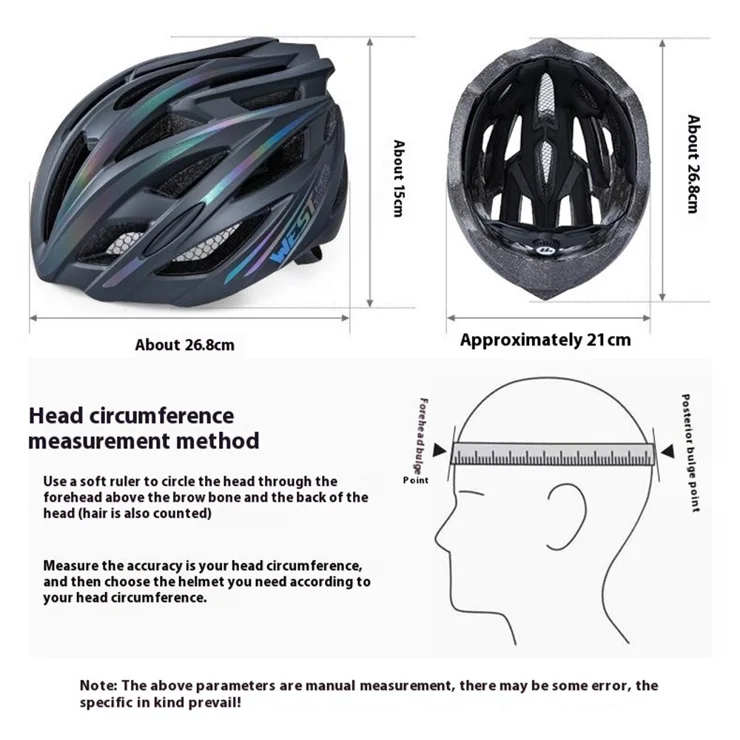
Use a soft tape measure to find your head size. Measure just above your eyebrows and ears. This is the widest part of your head.
Take the measurement in centimeters or inches. Measure two or three times for accuracy. Write down the size for helmet shopping.
- Place tape above eyebrows
- Wrap around the widest head area
- Keep tape snug but not tight
- Record the measurement
Size Charts And Their Importance
Helmet brands use size charts to match head measurements to helmet sizes. These charts show the size range for small, medium, and large helmets.
Checking the chart helps you pick the right size before trying on helmets. Size charts vary by brand, so always check for the brand you want.
| Head Size (cm) | Helmet Size |
|---|---|
| 50 – 54 | Small |
| 55 – 59 | Medium |
| 60 – 64 | Large |
Trying Helmets On For Fit
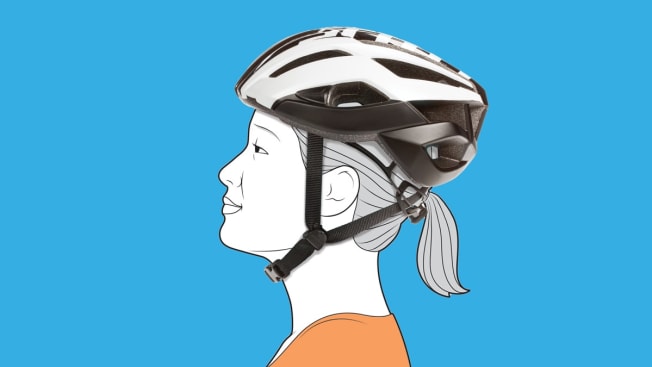
Put the helmet on with the chin strap undone. The helmet should sit level on your head. It should cover your forehead without blocking your view.
Tighten the straps and check for movement. The helmet should feel snug but not cause pain. Shake your head to see if it stays in place.
- Helmet sits low on forehead
- Straps form a “V” under each ear
- Chin strap tight but comfortable
- Helmet does not move when shaking

Credit: ibikesafe.org
Positioning The Helmet Correctly
Wearing a bike helmet properly can protect your head during a fall. It is important to position it correctly for maximum safety.
This guide will help you understand the best way to position your helmet. Follow these steps to ensure a safe and secure fit.
Helmet Placement On The Head
The helmet should sit level on your head. It must cover the top of your forehead and should not tilt backwards or forwards.
Adjust the straps so the helmet stays in place. It should fit snugly without causing discomfort.
- Center the helmet on your head
- Check the alignment with your eyebrows
- Ensure the front edge is low on the forehead
Ensuring Proper Coverage
A helmet must cover the top, sides, and back of your head. It should not leave any part of your skull exposed.
Make sure the helmet covers the highest point of your head. It should also wrap around your temples.
| Area | Coverage |
| Top | Fully covered |
| Sides | Reach down to ears |
| Back | Cover base of skull |
Avoiding Common Positioning Mistakes
Many people wear helmets incorrectly. Avoid these mistakes to ensure your helmet protects you properly.
Do not wear the helmet too high on your forehead. Avoid loose straps that might cause the helmet to shift.
- Avoid tilting the helmet back
- Do not wear hats underneath
- Ensure straps are not twisted
Adjusting Straps And Buckles
A bike helmet fits best when its straps and buckles are adjusted well. Proper fit keeps the helmet in place and protects your head.
Adjusting straps and buckles is easy. You just need to check tightness, chin strap position, and buckle security.
Strap Tightness Guidelines
Straps should be snug but not too tight. They hold the helmet firmly on your head.
Loose straps let the helmet move. Tight straps can cause discomfort.
- Adjust straps so you can fit one finger between strap and chin.
- Check that straps lie flat and do not twist.
- Make sure the helmet does not slide side to side or front to back.
Chin Strap Adjustment Tips
The chin strap keeps the helmet on your head. It must fit closely under your chin.
Adjust the chin strap so it feels tight but comfortable when you open your mouth wide.
- Fasten the buckle before adjusting the chin strap.
- Pull the strap to tighten or loosen it.
- Test by shaking your head gently to check if the helmet stays put.
Checking Buckle Security
The buckle locks the straps in place. It should close firmly without gaps.
Make sure the buckle snaps easily and stays closed during use.
- Listen for a click sound when fastening the buckle.
- Try pulling the straps to test if the buckle holds tight.
- Replace the buckle if it shows signs of damage or does not close securely.
Credit: daniellemcfaddenforlowell.com
Testing Helmet Stability
A bike helmet must stay steady during your ride. Testing its stability helps ensure safety and comfort. A loose helmet can cause injury.
Simple checks can tell if your helmet fits well. Try these tests to confirm your helmet stays in place.
Shake And Movement Tests
Shake your head gently from side to side and up and down. The helmet should not slide or shift much. It should move slightly but stay firm.
Try moving the helmet with your hands. If it moves easily or feels loose, adjust the straps or try a smaller size. A good fit resists small movements.
Ensuring No Excessive Movement
Wear the helmet and fasten all straps. Then try to push the helmet forward, backward, and side to side. It should not shift more than one inch.
- Helmet stays in place when you move your head
- Straps hold the helmet snugly
- No gaps between helmet and head
If the helmet moves too much, tighten the straps or try a different size. A stable helmet protects better in crashes.
Comfort Vs. Security Balance
Your helmet should feel snug but not painful. Too tight causes discomfort; too loose reduces safety. Find a balance that feels secure and comfortable.
Try wearing the helmet for a few minutes. If you feel pressure points or pain, adjust the fit. A well-fitted helmet keeps you safe and comfortable during rides.
Recognizing Signs Of Poor Fit
A bike helmet must fit well for safety and comfort. A poor fit can reduce protection during a crash.
Knowing the signs of a bad fit helps you adjust or replace your helmet in time.
Pressure Points And Discomfort
If your helmet causes pressure or pain, it may not fit right. This can happen on your forehead, temples, or back of the head.
Discomfort can make you avoid wearing the helmet, which is unsafe.
- Pressure on one spot means the helmet is too tight there
- Pain after short use shows poor helmet shape match
- Uneven straps can cause discomfort and pressure
Helmet Slippage Indicators
A helmet that moves or slips during rides fits poorly. It should stay firmly in place without tight straps.
Slippage can reduce helmet protection and cause distractions while riding.
- The helmet slides forward or backward when you shake your head
- It moves side to side easily without adjusting straps
- Straps feel loose even after tightening
When To Replace Your Helmet
Replace your helmet if it no longer fits well or shows damage. Old helmets may lose protection.
Regular checks help keep your helmet effective and safe.
- Helmet is cracked, dented, or damaged
- Straps or buckles break or wear out
- Helmet fits poorly despite adjustments
- Helmet is more than 5 years old
Credit: www.consumerreports.org
Additional Safety Features To Consider
Choosing the right bike helmet means looking beyond fit. Extra features can improve safety and comfort. These features help protect better and make riding more enjoyable.
Below are some important safety features to check when picking a helmet. They add value and improve your overall biking experience.
Ventilation And Comfort
Good ventilation keeps your head cool and dry. Look for helmets with air vents placed to allow airflow. Soft padding inside adds comfort during long rides.
- Multiple vents for airflow
- Moisture-wicking padding
- Adjustable straps for a snug fit
- Lightweight materials to reduce fatigue
Reflective Elements And Visibility
Visibility is key for safety, especially at night or in bad weather. Helmets with reflective parts help drivers see you from a distance. Some models also include mounts for lights.
| Feature | Benefit |
| Reflective stickers or strips | Improves visibility in low light |
| Bright colors | Easier to spot during the day |
| Light mounts | Allows attaching front or rear lights |
Compatibility With Accessories
Check if the helmet works with other gear you use. Some helmets fit well with goggles, sunglasses, or communication devices. This keeps your helmet practical and flexible.
- Goggle-friendly design for clear vision
- Slots for headphones or ear pads
- Mount points for cameras or lights
- Easy strap adjustment with accessories attached
Frequently Asked Questions
How Tight Should A Bike Helmet Fit?
A bike helmet should fit snugly without causing discomfort. It should not move when you shake your head. Proper fit ensures safety and comfort during rides.
Where Should A Bike Helmet Sit On The Head?
The helmet should sit level on your head, covering the forehead. It should be about one inch above your eyebrows for optimal protection.
How To Adjust Bike Helmet Straps Correctly?
Adjust straps to form a “V” under each ear. Buckle the chin strap snugly, allowing one or two fingers between strap and chin.
When To Replace A Bike Helmet For Fit?
Replace your helmet every 3-5 years or after any impact. Helmets lose protective quality over time and after crashes.
Conclusion
A bike helmet must fit snugly to protect your head well. It should sit level and cover your forehead. Straps need to be tight but comfortable, not loose. Check the fit before every ride to stay safe. A proper helmet fit can reduce injury risk.
Take time to adjust it right—it matters. Remember, safety starts with the right fit. Your head deserves the best protection every ride. Stay alert, ride smart, and wear your helmet correctly.