Finding the right fit for your climbing shoes can make all the difference in your performance and comfort on the wall. You might think any snug shoe will do, but if your shoes don’t fit properly, you could miss out on better grip, control, and even risk injury.
How tight should they be? Where should they pinch, and where should they leave room? Getting this right isn’t just about comfort—it’s about climbing smarter and safer. Keep reading to discover exactly how your climbing shoes should fit, so you can climb with confidence every time.

Credit: www.vertical-addiction.com
Choosing The Right Size
Finding the right climbing shoe size is important for comfort and performance. Shoes that fit well help you climb better and avoid injuries.
Each foot is unique. Taking time to choose the correct size will improve your climbing experience.
Measuring Your Foot Accurately
Measure your foot length and width before buying climbing shoes. Use a ruler or tape measure and a piece of paper.
- Place your foot flat on the paper.
- Mark the heel and the longest toe points.
- Measure the distance between the marks in centimeters or inches.
- Measure the width at the widest part of your foot.
- Repeat the process for both feet.
Sizing Differences By Brand
Climbing shoe sizes vary by brand. Some brands run small, others run large. Always check brand size charts before buying.
| Brand | Size Tendency | Note |
| Brand A | Runs small | Consider going up half a size |
| Brand B | True to size | Buy your measured size |
| Brand C | Runs large | Try a smaller size |
Trying Shoes On At Different Times
Your feet change size during the day. Try shoes on at different times to find the best fit.
- Try shoes in the afternoon or evening when your feet are largest.
- Wear the socks or liners you plan to use while climbing.
- Walk and stretch your toes inside the shoe to check comfort.
- Test the shoes with climbing movements if possible.
Fit Characteristics To Look For
Choosing the right fit for climbing shoes is very important. A good fit helps you climb better and stay safe.
Look for key fit features that make the shoe comfortable and secure on your foot.
Snugness Without Pain
Your climbing shoe should feel tight but not hurt. It should hold your foot firmly without causing sharp pain.
If the shoe hurts, it can cause blisters or numbness. If it is too loose, your foot will slide inside.
- Feel snug around the whole foot
- Allow no big gaps or looseness
- Stop if you feel sharp pain
Toe Position And Curl
Your toes should lie flat or slightly curled inside the shoe. Avoid too much bending or cramping.
Climbing shoes often have a curved shape to help grip. Your toes should touch the front but not be painfully bent.
- Toes close to the shoe’s front
- Light curl but no pinching
- Check for enough room to move slightly
Heel Fit And Lockdown
The heel should fit tightly and not slip when you move. A good lockdown keeps your foot stable on small holds.
Look for shoes with firm heel cups and secure straps or laces. This helps prevent heel lift during climbing.
- Heel cup hugs your heel firmly
- No slipping or lifting of the heel
- Straps or laces hold the foot in place
Arch Support And Midsole Stiffness
Good arch support helps your foot stay strong and reduces fatigue. The midsole stiffness affects how you feel the rock.
Softer midsoles allow more sensitivity. Stiffer soles give more support for standing on small edges.
- Match arch support to your foot shape
- Choose midsole stiffness based on climbing style
- Try different types to find what feels best
Types Of Climbing Shoes And Fit Variations
Climbing shoes come in different types, each designed for specific climbing styles. The fit varies based on the shoe’s purpose and design. Here, we’ll explore the fit for three main types of climbing shoes.
Choosing the right fit is crucial for performance and comfort. Understanding the shoe types helps in selecting the best fit for your needs.
Aggressive Shoes
Aggressive shoes have a downturned shape. This design helps in climbing steep terrains. They are snug, focusing power on the toes.
- Perfect for overhangs and bouldering
- Tight fit for maximum control
- May feel uncomfortable for long wear
Neutral Shoes
Neutral shoes are flat and comfortable. These are ideal for beginners and all-day wear. They provide a relaxed fit, allowing toes to lie flat.
| Shoe Type | Best For | Fit Description |
| Aggressive | Steep Climbing | Snug and Downturned |
| Neutral | All-day Comfort | Relaxed and Flat |
| Moderate | Versatile Use | Slightly Downturned |
Moderate Shoes
Moderate shoes have a slight downturn. They balance comfort and performance. Suitable for varied climbing styles, these shoes fit snugly yet comfortably.
Breaking In Your Climbing Shoes
Climbing shoes need to fit well for the best performance. New shoes can feel tight or stiff. Breaking them in helps make them comfortable.
Properly broken-in shoes will fit snugly but not cause pain. This guide explains how to stretch your shoes and what to expect over time.
Methods For Stretching
Shoes often feel tight at first. You can stretch them gently to fit better. Use safe methods to avoid damage.
- Wear your shoes at home for short times to soften them.
- Use thick socks to stretch shoes slightly while wearing them.
- Apply heat with a hairdryer on low heat, then wear shoes until cool.
- Use a shoe stretcher designed for climbing shoes.
- Avoid soaking shoes in water to prevent material damage.
Expected Changes Over Time
Climbing shoes will stretch and mold to your feet after use. Leather shoes stretch more than synthetic ones.
Expect shoes to loosen slightly after a few climbs. The fit will feel better and less tight. Padding inside may compress too.
When To Replace Old Shoes
Old climbing shoes lose grip and support. Check for worn soles, holes, or stretched-out fit. These signs mean replacement is needed.
- Soles are thin or smooth, reducing friction.
- Holes or tears appear on the upper material.
- Shoes feel loose and no longer support your foot well.
- Padding and heel cups lose shape.
Common Fit Problems And Solutions
Climbing shoes must fit well to keep you comfortable and safe. Poor fit can cause pain and reduce your climbing ability.
Here are common fit problems and ways to solve them for better climbing performance.
Dealing With Hot Spots And Pain
Hot spots and pain happen when your shoes press too hard on certain parts of your feet. This can cause blisters or soreness.
- Try shoes with softer materials to reduce pressure points.
- Use thicker or padded socks if your shoes allow.
- Adjust straps or laces to change tightness in problem areas.
- Break in new shoes slowly by wearing them for short periods.
Avoiding Numb Toes
Numb toes happen when your shoes squeeze your toes too tightly or block circulation. This affects your balance and feeling.
Choose climbing shoes with enough toe space without being loose. Avoid shoes that force toes into a narrow shape.
| Cause | Solution |
| Too tight toe box | Pick a shoe with a wider toe area |
| Excess pressure on toes | Loosen laces or straps near toes |
| Poor circulation | Wear thin socks or go sockless |
Preventing Heel Slippage
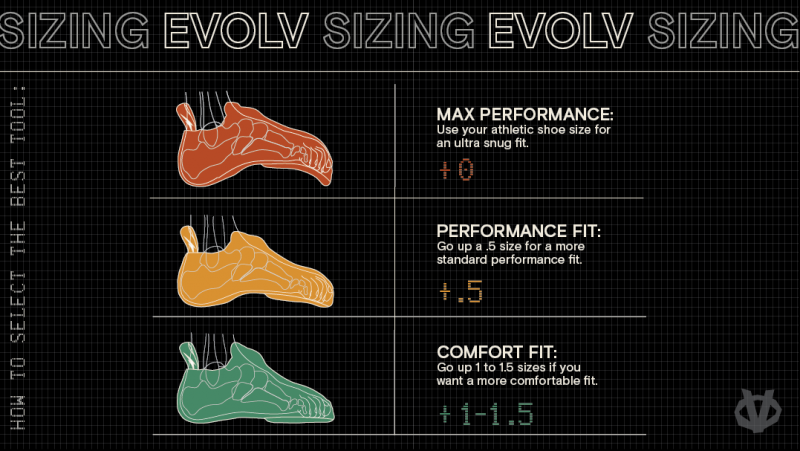
Heel slippage happens when your shoe’s heel does not fit snugly. It reduces control and can cause blisters.
Tips to stop heel slippage:
- Choose shoes with a snug heel cup.
- Use adjustable heel straps or laces.
- Try heel pads or inserts for a tighter fit.
- Make sure the shoe size matches your foot length and width.

Credit: www.evolvsports.com
Tips For Different Climbing Styles
Choosing the right climbing shoe fit depends on your climbing style. Each style needs different shoe features for comfort and performance.
Understanding these differences helps you pick shoes that improve your climbing experience.
Bouldering Fit Preferences
Bouldering shoes usually fit tighter than other types. You want a snug fit to help with precision on small holds.
The toe should feel curled but not painful. A downturned shape helps with steep problems and overhangs.
- Tight fit with little extra space
- Downturned toe for power
- Snug heel to prevent slipping
- Comfort is important for longer sessions
Sport Climbing Fit Needs
Sport climbing shoes fit a bit looser than bouldering shoes. Comfort is key for long climbs on vertical walls.
The shoe should still be snug to give control but not cause pain. A flatter profile helps with edging and smearing.
- Snug but comfortable fit
- Flatter sole for diverse footwork
- Good heel fit for stability
- Enough padding for long climbs
Trad Climbing Considerations
Trad climbing shoes prioritize comfort because climbs take longer. A relaxed fit reduces foot fatigue.
Shoes should fit securely without being too tight. A moderate downturn can help but is not always needed.
- Comfortable fit for all-day wear
- Secure heel fit to prevent slipping
- Moderate downturn or flat sole
- Durable materials for rough terrain

Credit: www.reddit.com
Frequently Asked Questions
How Tight Should Climbing Shoes Fit?
Climbing shoes should fit snugly without causing pain. They must hold your foot firmly to provide control and precision. Avoid overly tight shoes that restrict blood flow or cause discomfort. Proper fit balances comfort and performance for effective climbing.
Why Is Toe Fit Important In Climbing Shoes?
Toe fit is crucial because toes help with balance and grip. Shoes should allow toes to lie flat or slightly curled, without cramping. Proper toe fit improves foot sensitivity and precision on small holds, enhancing climbing efficiency and safety.
Can Climbing Shoes Stretch Over Time?
Yes, most climbing shoes stretch slightly with wear. Leather shoes tend to stretch more than synthetic ones. Expect about half a size of stretch, so buy shoes that feel snug but not painfully tight initially.
How To Check Climbing Shoe Fit At The Heel?
The heel should fit snugly without slipping when walking or climbing. A secure heel prevents foot movement inside the shoe, which ensures stability and control. If the heel gaps or slips, the shoe is too big.
Conclusion
Choosing the right climbing shoe fit matters a lot for comfort and performance. Shoes should feel snug but not cause pain. Your toes should be slightly curled but not crushed. Always try shoes on and walk around before buying. Remember, every brand fits differently.
Proper fit helps you climb better and avoid injuries. Take your time to find the best fit for your feet. This small step makes climbing more fun and safe. Keep these tips in mind for your next shoe purchase.