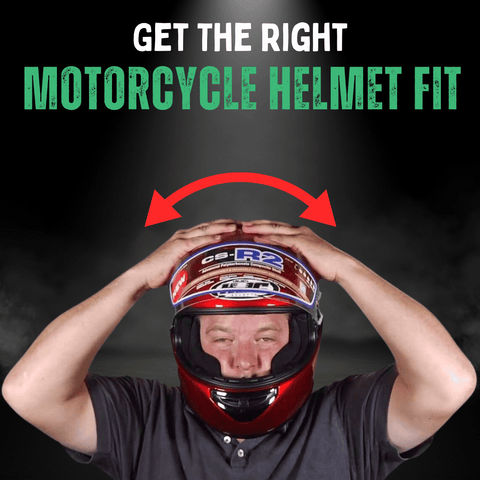
When you’re gearing up for a dirt bike ride, your helmet is the most important piece of equipment you put on. But how do you know if your dirt bike helmet fits just right?
A helmet that’s too loose won’t protect you properly, and one that’s too tight can be uncomfortable and distracting. Getting the perfect fit isn’t just about comfort—it’s about keeping you safe when the unexpected happens. Keep reading to find out exactly how your dirt bike helmet should fit so you can ride with confidence and peace of mind.

Credit: agvsport.com
Choosing The Right Size
Wearing a dirt bike helmet that fits well keeps you safe on the trail. A helmet that is too loose or too tight can cause discomfort and reduce protection.
Choosing the right size starts with knowing your head size and understanding helmet sizing rules. This guide helps you find the perfect fit.
Measuring Your Head
To find the right helmet size, measure your head carefully. Use a soft tape measure and wrap it around your head.
Place the tape about one inch above your eyebrows. Make sure it goes over the widest part of your head.
- Keep the tape snug but not tight
- Measure twice to be sure
- Note the measurement in centimeters or inches
Size Charts And Standards
Helmet sizes vary by brand and standard. Use size charts to compare your head measurement to helmet sizes.
Different helmets follow different sizing standards like DOT, ECE, or Snell. These may affect helmet shape and size.
| Head Circumference (cm) | Helmet Size |
|---|---|
| 53-54 | Small (S) |
| 55-56 | Medium (M) |
| 57-58 | Large (L) |
| 59-60 | Extra Large (XL) |
| 61-62 | XXL |
Trying Different Brands
Helmet sizes can feel different across brands. Try helmets from several brands to find what fits best.
Wear the helmet and fasten the strap. The helmet should feel snug but not painful. Move your head to check if it stays in place.
- Check for even pressure around your head
- Make sure the helmet does not slide up or down
- Look for comfort in the cheek pads and forehead area
Helmet Shape And Fit
Choosing the right dirt bike helmet is key for safety and comfort. The helmet must fit your head shape well.
Fit depends on the helmet shape and if you can customize it for your head.
Round Vs. Oval Shapes
Helmets come in different shapes to fit various head types. The two main shapes are round and oval.
- Round Shape:Best for people with wider heads. It fits evenly all around.
- Oval Shape:Fits longer heads. It is narrower from side to side.
- Knowing your head shape helps you pick a helmet that fits snugly.
- Try on both shapes to see which feels comfortable and secure.
Custom Fit Options
Many helmets offer ways to adjust the fit. Custom fit options help make the helmet perfect for your head.
| Adjustment Type | Description | Benefit |
| Removable Padding | Extra foam pads inside the helmet that can be added or removed. | Improves comfort and fit by filling gaps. |
| Chin Straps | Straps that tighten under your chin to keep the helmet secure. | Prevents helmet from moving in a crash. |
| Adjustable Visors | Visors that can be moved up or down for better fit and vision. | Enhances comfort and protection from sun or dirt. |
Key Fit Areas
A dirt bike helmet must fit well for safety and comfort. A poor fit can cause pain or reduce protection.
Focus on three key areas to check the fit: crown and top of head, sides and cheeks, and chin and jaw.
Crown And Top Of Head
The crown is the highest part of your head. The helmet should sit evenly on this area.
Make sure the helmet does not feel too tight or leave gaps at the top. It should hold snugly without pressure points.
Sides And Cheeks
The helmet sides should fit closely around your cheeks. Check that the cheek pads touch your skin without squeezing.
If the sides are loose, the helmet can move too much. If too tight, it can cause discomfort or numbness.
- Pads should press gently, not painfully
- No large gaps between helmet and skin
- Helmet should not shift when you move your head
Chin And Jaw
The chin strap must fit firmly under your jaw. It keeps the helmet secure during rides.
Adjust the strap so it is snug but not tight. You should be able to open your mouth comfortably.
- Strap should hold helmet in place
- Comfortable fit under the chin
- Check strap regularly for proper tightness
Adjusting Helmet Straps
Properly adjusting your dirt bike helmet straps is essential for safety and comfort. A well-fitted helmet can prevent injuries and ensure a better riding experience.
In this guide, we’ll cover how to position the straps, secure the buckle, and maintain comfort without looseness.
Strap Positioning
The straps should form a “V” shape under your ears. This ensures they hold the helmet securely in place.
- Ensure the straps are flat and not twisted.
- Adjust the length so they fit snugly under your ears.
- Check that the “V” shape is even on both sides.
Buckle Security
The buckle is crucial for keeping the helmet on your head. It must be fastened correctly every time you ride.
Always double-check the buckle by pulling on the straps. If it comes loose, readjust and secure it again.
Comfort Without Looseness
Your helmet should be comfortable without being too loose. A loose helmet can move during a ride and cause distractions.
| Check | Action |
| Helmet shifts when you shake your head | Tighten the straps |
| Straps press uncomfortably against your skin | Loosen slightly |
| Buckle feels unstable | Re-secure the buckle |
Signs Of A Proper Fit
A dirt bike helmet must fit well to protect you properly. A good fit keeps you safe and comfortable on every ride.
Knowing the signs of a proper fit helps you choose the right helmet. Look for these key points before you ride.
Snug But Comfortable
The helmet should feel snug on your head without causing pain. It should hold firmly but not squeeze your skull.
- Fits close to your skin all around the head
- Does not move when you shake your head gently
- Feels even pressure, not tight spots
- Comfortable enough to wear for hours
No Pressure Points
Pressure points can cause headaches and distract you while riding. A well-fitted helmet spreads pressure evenly.
| Pressure Check Area | What to Feel |
|---|---|
| Forehead | Even contact without sharp pain |
| Temples | Gentle hold, no pinching |
| Back of Head | Stable but soft touch |
| Cheeks | Firm but comfortable pressure |
Stable Movement
The helmet should stay in place during quick moves or bumps. It must not slide or shift easily.
Test helmet stability by following these steps:
- Fasten the chin strap securely.
- Try to move the helmet side to side and up and down.
- Helmet should move only a little, if at all.
- If it shifts, try a smaller size or adjust the fit pads.

Credit: riiroo.com
Common Fit Issues
Choosing the right dirt bike helmet fit is very important. A bad fit can cause discomfort or safety problems.
This section talks about common fit issues riders face and what they feel like.
Helmet Too Tight
A helmet that is too tight feels like it squeezes your head. It can cause headaches and pressure points.
Wearing a tight helmet for a long time can hurt your skin and make you uncomfortable.
- Feels painful around the forehead or temples
- Hard to put the helmet on or take it off
- Red marks on the skin after removing the helmet
Helmet Too Loose
A loose helmet moves around on your head. This can distract you while riding.
If the helmet shifts or falls off, it does not protect you properly in a crash.
- Helmet can be pushed from side to side easily
- Strap feels loose even when fastened
- Helmet lifts when you open your mouth wide
Uneven Pressure
Uneven pressure means the helmet pushes harder on some spots than others. This causes pain and discomfort.
It may happen if your head shape does not match the helmet shape well.
- Pressure on one side of the head or above ears
- Feeling like the helmet tilts or leans
- Discomfort after short wear time
Helmet Safety Features
A dirt bike helmet protects your head during riding accidents. The right fit and safety features reduce injury risks.
Knowing important helmet features helps you choose the best protection for your ride.
Impact Protection
Impact protection is the helmet’s ability to absorb shock in a crash. The shell and inner liner work together to reduce force.
- Outer shell made from strong materials like polycarbonate or fiberglass
- Energy-absorbing foam liner inside the helmet
- Proper helmet fit to keep it in place during impact
Ventilation
Ventilation keeps you cool and comfortable when riding. Good airflow reduces heat and sweat inside the helmet.
| Vent Type | Purpose | Location |
| Intake vents | Bring fresh air in | Front and top of helmet |
| Exhaust vents | Let hot air escape | Rear of helmet |
| Chin vents | Improve airflow to face | Lower front |
Visor And Eye Protection
The visor shields your eyes from sun, dirt, and debris. Clear vision is essential for safe riding.
- Adjustable visor to block sun glare
- Built-in eye port for goggles or shields
- Anti-scratch and anti-fog coatings on visors
- Removable and washable goggle straps

Credit: www.bsemotor.com
Maintaining Helmet Comfort
Wearing a dirt bike helmet that fits well keeps you safe and comfortable. Over time, you need to maintain it for the best fit. Small fixes can make your rides more enjoyable.
Focus on the padding, cleaning, and knowing when to get a new helmet. These steps help your helmet feel right every time you wear it.
Padding Replacement
Helmet padding wears out after use. Replace it to keep your helmet snug and soft. New pads also help absorb sweat and prevent bad smells.
- Remove old padding carefully.
- Buy pads made for your helmet model.
- Install pads evenly for a balanced fit.
- Check the fit after replacement.
Cleaning And Care
Clean your helmet often to keep it fresh and safe. Dirt and sweat can damage the materials and cause discomfort.
| Cleaning Item | How to Clean | Frequency |
| Helmet Shell | Use mild soap and water with a soft cloth | After every few rides |
| Padding | Remove and hand wash with gentle detergent | Monthly or as needed |
| Visor | Wipe with a microfiber cloth and water | After each ride |
When To Replace Your Helmet
Replace your helmet after a crash, or if it shows damage. Old helmets lose their protective power. Check the helmet’s age and condition regularly.
- If the helmet has cracks or dents, replace it.
- Helmets older than five years should be replaced.
- Replace if padding no longer fits well or is damaged.
- Buy a new helmet if straps or buckles break.
Frequently Asked Questions
How Tight Should A Dirt Bike Helmet Fit?
A dirt bike helmet should fit snugly without causing discomfort. It must not move when you shake your head. Proper fit ensures maximum protection during rides.
Where Should A Dirt Bike Helmet Sit On The Head?
The helmet should sit level on your head, covering the forehead. It must not tilt backward or forward. This position protects vital areas in case of impact.
Can A Dirt Bike Helmet Be Too Tight?
Yes, a helmet can be too tight if it causes pain or headaches. Excessive pressure reduces comfort and may distract you while riding.
How To Check If A Dirt Bike Helmet Fits Correctly?
Wear the helmet and fasten the chin strap securely. Shake your head side to side; the helmet should stay in place without excessive movement.
Conclusion
Choosing the right dirt bike helmet matters a lot. It should fit snugly without feeling tight. A helmet that moves or feels loose is unsafe. Check the straps and padding for comfort and security. Take time to try different sizes before buying.
A well-fitted helmet protects your head better. Riding becomes safer and more enjoyable. Remember, your helmet is your best safety gear. Keep these tips in mind every time you ride. Stay safe, ride smart, and protect yourself well.