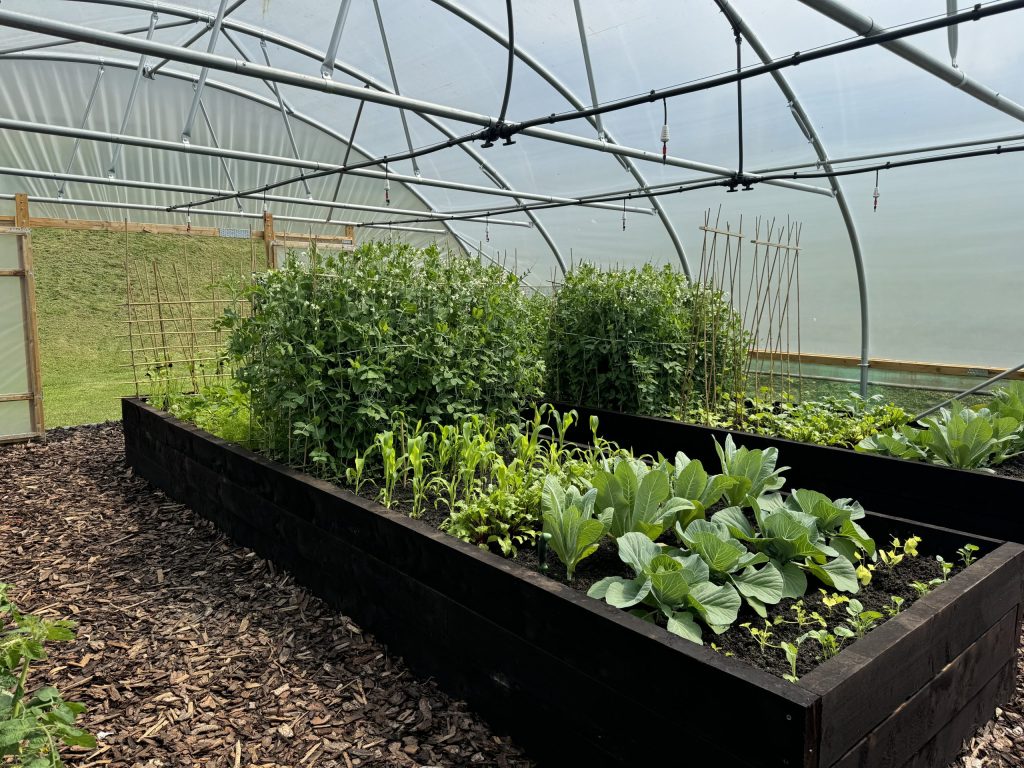
Are you ready to transform your raised garden bed into a thriving oasis? How you layer your garden bed can make all the difference between struggling plants and a lush, productive space.
By stacking the right materials in the right order, you give your plants the perfect environment to grow strong and healthy. In this guide, you’ll discover simple, effective steps to layer your raised garden bed like a pro—no guesswork, no wasted effort.
Keep reading, and you’ll unlock the secret to a garden that flourishes season after season.
Choosing The Right Location
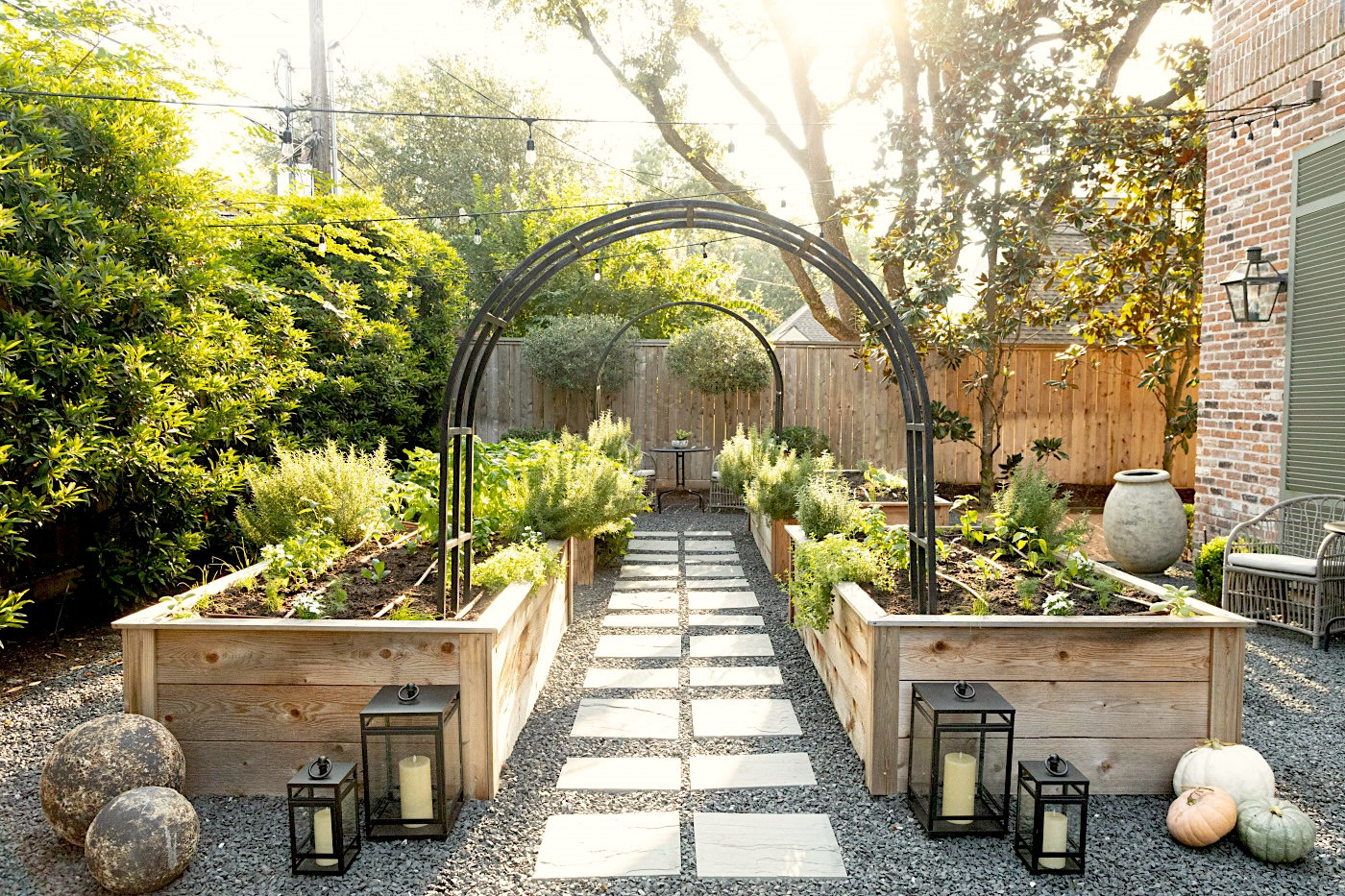
Picking the right spot for your raised garden bed helps plants grow well. The location affects sunlight, water, and ease of care.
Think about sun, soil, and how easy it is to reach your bed before you start layering.
Sunlight Requirements
Most vegetables need at least six hours of sunlight daily. Make sure your garden bed is in a sunny place.
- Choose a spot with full sun for best growth.
- Avoid areas shaded by trees or buildings.
- Watch sunlight changes through the seasons.
- Morning sun is better than hot afternoon sun for some plants.
Soil Drainage And Accessibility
Good drainage stops water from pooling and harming roots. Also, the bed should be easy to reach for planting and harvesting.
| Factor | Why It Matters | What to Check |
| Soil Drainage | Prevents root rot | Look for dry spots after rain |
| Accessibility | Makes gardening easy | Check path width and bed height |
| Nearby Water Source | Convenient watering | Distance to hose or rain barrel |
Credit: www.gardenary.com
Essential Materials For Layering
Layering your raised garden bed is important for healthy plants. It helps in nutrient absorption and water drainage.
Use a mix of organic and inorganic materials. This ensures a balanced environment for your plants.
Organic Matter Options
Organic matter is crucial for your garden bed. It adds nutrients and improves soil structure.
- Compost: Rich in nutrients, enhances soil quality.
- Grass clippings: Provide nitrogen, decompose quickly.
- Leaves: Offer carbon, help retain moisture.
- Straw: Keeps soil warm, prevents weed growth.
Inorganic Base Layers
Inorganic layers are important for drainage. They prevent waterlogging and root rot.
- Gravel: Enhances drainage, prevents soil compaction.
- Sand: Improves aeration, keeps soil loose.
- Perlite: Lightweight, promotes good water flow.
Step-by-step Layering Process
Layering your raised garden bed properly helps plants grow healthy. Each layer has a role to improve soil and water flow.
Follow the steps below to build strong layers for your garden bed. This guide makes it easy to understand.
Starting With Base Layers
Begin by placing coarse materials at the bottom. This layer helps with drainage and stops soil from compacting.
- Use small branches or twigs
- Add dry leaves or straw
- Place cardboard or newspaper to block weeds
Adding Compost And Soil Mix
The middle layer should have nutrient-rich compost mixed with garden soil. This feeds plants and holds moisture.
| Material | Purpose |
|---|---|
| Compost | Provides nutrients for plants |
| Garden soil | Gives structure and holds roots |
| Peat moss or coconut coir | Improves moisture retention |
Topsoil And Mulching
Finish with a layer of topsoil for planting seeds or seedlings. Add mulch on top to keep moisture and reduce weeds.
- Spread good quality topsoil evenly
- Plant your seeds or seedlings
- Cover soil with straw, wood chips, or leaves
- Water gently to settle the layers

Credit: migardener.com
Balancing Nutrients And Ph Levels
Layering a raised garden bed needs care for the soil’s nutrients and pH balance. These factors help plants grow strong and healthy.
Testing and adjusting soil pH and nutrients ensures your garden bed supports a variety of plants well.
Testing Soil Ph
Soil pH measures how acidic or alkaline your soil is. Most plants grow best in soil with pH between 6.0 and 7.0.
Use a soil test kit to check the pH before layering your garden bed. Testing helps you know what changes to make.
- Take soil samples from different spots in your bed.
- Mix the samples to get an average reading.
- Follow the test kit instructions carefully.
- Record the pH result for later use.
Amending Soil For Plant Health
Adjust soil pH by adding materials that raise or lower acidity. Adding nutrients helps plants absorb food well.
| Amendment | Effect on pH | Best For |
| Lime | Raises pH (makes soil less acidic) | Acidic soils |
| Sulfur | Lowers pH (makes soil more acidic) | Alkaline soils |
| Compost | Balances nutrients and pH | Most garden soils |
| Wood Ash | Raises pH | Low pH soils |
Adding compost improves nutrients and helps keep pH steady. Use amendments carefully to avoid overcorrection.
Maintaining Your Raised Bed Layers
Keeping your raised garden bed healthy means caring for the layers inside. These layers help plants grow strong and get nutrients.
Regular care keeps the soil loose and full of life. It also stops problems that can hurt your plants.
Seasonal Layer Refreshing
Each season, add fresh organic matter to the top layer. This helps replace nutrients plants used during growth.
Use compost, shredded leaves, or grass clippings. Spread them evenly to keep the soil rich and healthy.
- Add 2-3 inches of compost or mulch each season
- Lightly mix new material with the top soil
- Avoid disturbing deep soil layers to protect roots
Preventing Soil Compaction
Soil compaction makes it hard for roots to grow and water to drain. It happens when soil gets pressed down too much.
To prevent this, avoid walking on your raised bed. Use paths or stepping stones around the bed for access.
- Do not step inside the raised bed area
- Use mulch to keep the soil loose
- Turn soil gently only when needed
- Add organic matter to improve soil texture
Common Layering Mistakes To Avoid
Layering a raised garden bed is important for healthy plants. Using the wrong layers can cause problems.
Knowing what to avoid helps your garden grow better and last longer.
Overloading With Heavy Materials
Putting too many heavy items in the bed can squash plants and soil. It also makes the bed hard to manage.
Heavy materials like large rocks or thick wood layers stop roots from growing well. They can also block water flow.
- Use light materials like straw or leaves on top of heavier layers.
- Avoid filling the bed with heavy stones or thick branches.
- Keep soil and compost as the main growing layers.
Ignoring Drainage Needs
Good drainage stops water from sitting in the bed. Water buildup can cause root rot and kill plants.
Not adding a drainage layer or blocking drainage holes traps water. This makes soil too wet for healthy growth.
- Start with a layer of small rocks or coarse material at the bottom.
- Make sure the bed has holes or gaps for water to escape.
- Use well-draining soil to keep water moving through the layers.

Credit: www.epicgardening.com
Frequently Asked Questions
How Do I Start Layering A Raised Garden Bed?
Begin with coarse materials like straw or twigs at the bottom. Add compost, soil, and organic matter in layers. This improves drainage and nutrients, creating an ideal environment for plants to grow strong and healthy.
What Materials Are Best For Layering Raised Beds?
Use organic materials like straw, leaves, compost, and garden soil. Avoid synthetic or treated materials. These natural layers break down, enriching the soil and promoting healthy plant growth while improving moisture retention.
How Thick Should Each Layer Be In Raised Beds?
Aim for 2-4 inches per layer depending on the material. Coarser layers can be thicker for drainage. Finer materials like compost should be thinner to create balanced soil texture and nutrient levels.
Can Layering Improve Raised Bed Soil Quality?
Yes, layering boosts soil fertility and structure. Organic layers decompose, adding nutrients and improving moisture retention. This method supports healthy root development and increases overall plant productivity.
Conclusion
Layering your raised garden bed right helps plants grow strong. Start with coarse materials at the bottom for good drainage. Add compost and soil in the middle for nutrients. Top with fine soil for seeds and seedlings. This method keeps water flowing and roots healthy.
It also reduces weeds and pests naturally. Take your time to build each layer carefully. Your garden will thank you with better growth and harvest. Happy gardening!