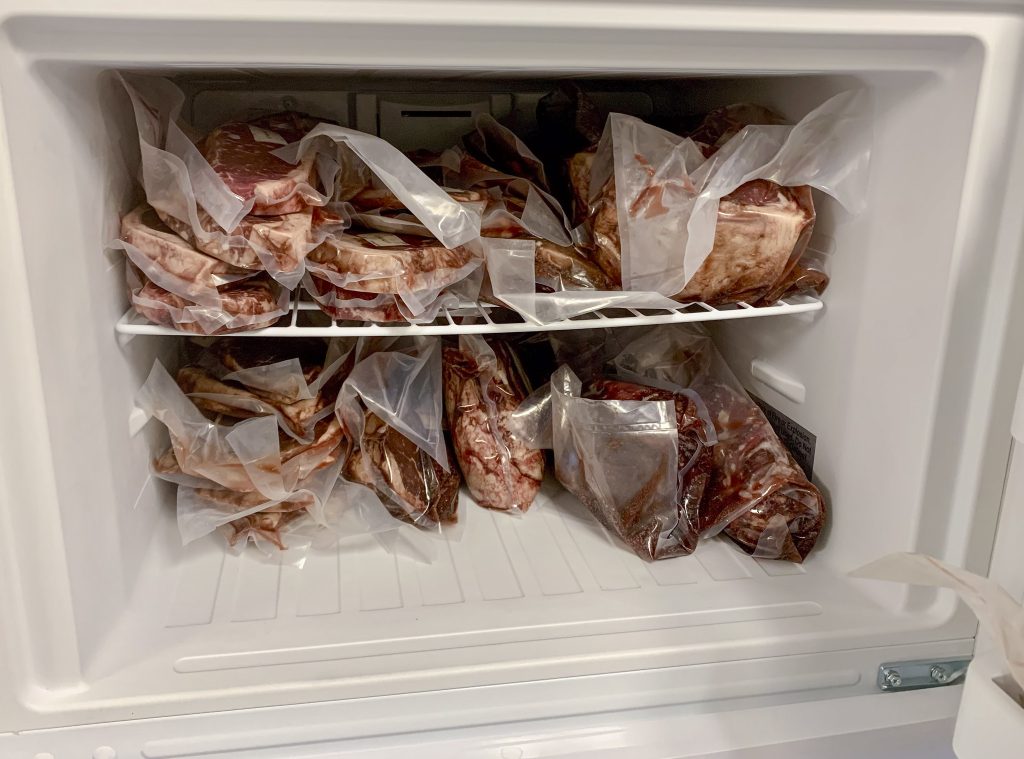
Ever opened your refrigerator and wondered if you’re storing your food safely? You’re not alone.
Many people overlook the importance of proper food storage, especially when it comes to raw animal meat. Improper stacking can lead to contamination, spoilage, and even health risks for you and your family. But don’t worry, we’re here to help you get it right.
You’ll discover the best practices for stacking raw meat in your fridge, keeping your meals safe, fresh, and delicious. Curious to learn how a simple change can make a big difference? Let’s dive in and make your refrigerator a fortress of food safety.

Credit: www.clatsopcounty.gov
Safe Storage Basics
Storing raw animal meat safely in the refrigerator is vital to avoid contamination and spoilage. Proper stacking and handling keep your kitchen clean and your food fresh. Understanding basic storage rules helps reduce the risk of foodborne illnesses.
Temperature Guidelines
Keep your refrigerator temperature at or below 40°F (4°C). This slows bacterial growth and keeps meat fresh longer. Use a fridge thermometer to check the exact temperature regularly. Avoid frequent door opening to maintain steady cold air.
Choosing The Right Container
Use clean, leak-proof containers or sealed plastic bags. They stop raw meat juices from dripping onto other foods. Choose shallow containers to spread the meat evenly. This helps it cool faster and stay fresh. Avoid using containers that are too large to prevent excess air exposure.

Credit: argentineasado.com
Proper Meat Placement
Proper meat placement in your refrigerator is essential for food safety and maintaining freshness. How you stack raw animal meat can prevent harmful bacteria from spreading and keep your fridge organized. It also helps you avoid spoilage and reduces the risk of cross-contamination that could affect other foods.
Bottom Shelf Benefits
Placing raw meat on the bottom shelf is a smart choice. Gravity works in your favor here—any juices that leak won’t drip onto other foods below. This simple step protects ready-to-eat items from contamination.
The bottom shelf also tends to be one of the coldest spots in many refrigerators. This helps meat stay at a safer temperature, slowing bacterial growth. Have you noticed that your meat lasts longer when stored low? That’s no coincidence.
Avoiding Cross-contamination
Cross-contamination happens when harmful bacteria spread from raw meat to other foods or surfaces. To prevent this, always store meat in sealed containers or tightly wrapped packages. This keeps juices contained and fridge surfaces cleaner.
Keep raw meat separate from fruits, vegetables, and cooked foods. Even if you think your fridge is clean, bacteria can transfer easily. Ask yourself: Are you confident your food is protected from these unseen risks?
- Use a dedicated meat tray or plate on the bottom shelf.
- Label packages with dates to track freshness.
- Clean spills immediately to stop bacteria buildup.
Separation By Meat Type
Separating raw animal meat by type in your refrigerator is essential for both food safety and maintaining quality. Different meats carry varying bacteria, so keeping them apart reduces the risk of cross-contamination. Plus, it helps you organize your fridge better, making meal prep faster and safer.
Red Meat Vs Poultry
Red meat, like beef and lamb, should always be stored separately from poultry. Poultry tends to carry bacteria such as salmonella, which can easily spread to red meat if placed too close.
Keep red meat on the bottom shelves of your fridge to catch any drips. Use sealed containers or tightly wrapped packaging to further prevent juices from contaminating other foods.
Have you noticed how your chicken tends to drip more than steak? That’s a clear sign to give them their own space. Also, consider labeling the containers to avoid mix-ups during busy cooking times.
Seafood Storage Tips
Seafood requires special attention since it spoils faster and can carry unique bacteria. Store seafood on a separate shelf, ideally on a plate or tray lined with paper towels to absorb moisture.
Keep seafood wrapped tightly in plastic wrap or in an airtight container. This prevents the strong smell from affecting other foods and reduces the risk of cross-contamination.
Wondering where to place your fish fillets? The coldest part of your fridge, usually the bottom back shelf, is best. Regularly check seafood for freshness and use it quickly to enjoy its best flavor and safety.
Packaging Techniques
Proper packaging is key to keeping raw animal meat fresh and safe in your refrigerator. It helps prevent contamination and preserves the meat’s quality for longer. How you wrap and label your meat can make a big difference in both hygiene and convenience.
Using Airtight Wraps
Airtight wraps like plastic wrap or vacuum-sealed bags create a barrier that stops air and moisture from reaching the meat. This reduces the risk of freezer burn and bacterial growth. If you don’t have a vacuum sealer, tightly wrapping meat in plastic wrap followed by aluminum foil works well too.
Think about how often you’ve found meat with a strange odor or dry edges in your fridge. Airtight wrapping can prevent that by locking in freshness. It’s also smart to use wraps that don’t easily tear, so juices don’t leak and contaminate other foods.
Labeling And Dating
Labeling each package with the type of meat and the date you stored it helps you keep track of freshness. This simple step can save you from guessing when the meat was bought or frozen. Use a permanent marker on masking tape or adhesive labels for clear, easy-to-read tags.
Have you ever thrown away meat because you weren’t sure how long it had been in the fridge? Labeling removes that uncertainty. It also helps you plan meals better and reduces food waste by reminding you to use older packages first.
Additional Safety Measures
Proper stacking of raw animal meat is just one part of refrigerator safety. Extra care helps stop bacteria spread and keeps food fresh longer. These additional safety measures protect your health and maintain fridge cleanliness.
Cleaning Spills Immediately
Spills from raw meat can carry harmful bacteria. Clean these spills right away to stop germs from spreading. Use hot, soapy water and a clean cloth or paper towel. Dispose of cloths properly to avoid cross-contamination. Always wash your hands after cleaning spills.
Regular Fridge Maintenance
Keep your fridge at the right temperature, below 40°F (4°C). Check the temperature regularly with a fridge thermometer. Clean shelves and drawers often with mild detergent. Remove expired or old food to prevent bad odors and bacteria growth. Proper maintenance ensures a safe environment for storing raw meat.

Credit: www.nhrifleman.com
Frequently Asked Questions
How Should Raw Meat Be Stored In The Fridge?
Raw meat should be placed on the lowest shelf in a leak-proof container. This prevents juices from contaminating other foods and maintains hygiene.
Why Stack Raw Meat Below Other Foods?
Stacking raw meat below cooked or ready-to-eat foods stops cross-contamination. It ensures harmful bacteria from raw meat do not spread to safer items.
Can Raw Meat Be Stored Next To Vegetables?
No, raw meat should never be stored next to vegetables. This avoids bacteria transfer, keeping fresh produce safe and reducing foodborne illness risks.
What Containers Are Best For Storing Raw Meat?
Use airtight, leak-proof containers or sealed plastic bags. This prevents spills, keeps the fridge clean, and helps preserve meat freshness and safety.
Conclusion
Properly stacking raw meat keeps your fridge clean and safe. Place heavier meats at the bottom to stop drips. Use sealed containers to avoid cross-contamination. Keep raw meat separate from cooked foods. This simple step helps prevent foodborne illness. Regularly check your fridge temperature for safety.
Remember, safe storage preserves freshness and quality. Follow these tips for a healthier kitchen. Safe meat storage is easy and worth it. Stay careful, and enjoy your meals worry-free.