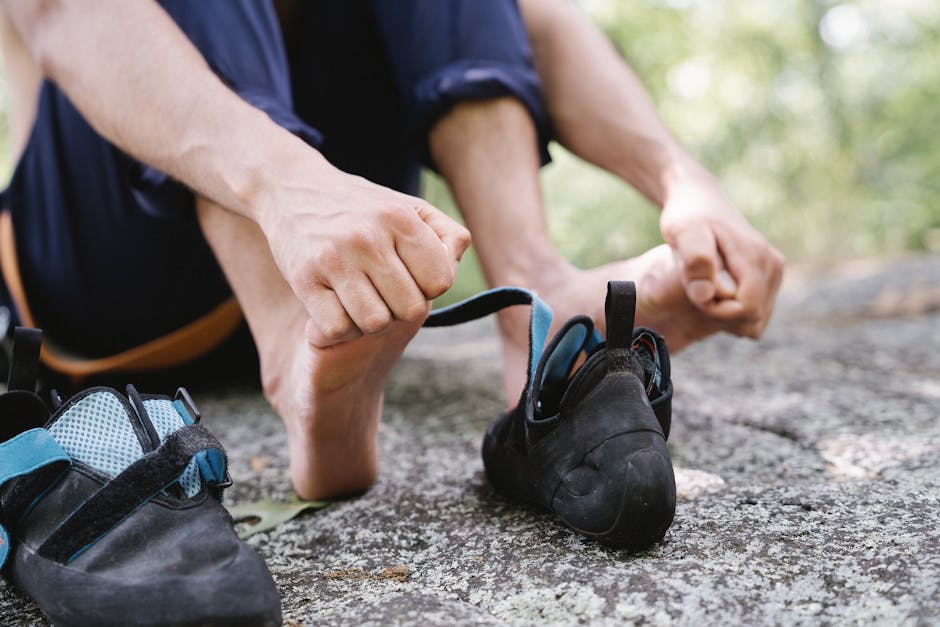
Are your rock climbing shoes feeling a bit too tight? You’re not alone.
Many climbers struggle with uncomfortable shoes that don’t fit just right. The good news is, you don’t have to suffer through the pain or rush to buy a new pair. Learning how to stretch out your rock climbing shoes can make a huge difference in your comfort and performance.
You’ll discover simple, effective methods to gently expand your shoes, so they fit like they were made just for you. Keep reading, and get ready to climb with ease and confidence.

Credit: www.reddit.com
Reasons To Stretch Climbing Shoes
Climbing shoes need to fit well for good performance. Sometimes new shoes feel too tight or uncomfortable.
Stretching climbing shoes helps solve fit problems. It makes the shoes more comfortable for your feet.
Common Fit Issues
Many climbers find their shoes too tight at first. This can cause pain and reduce climbing ability.
Tight spots often appear around the toes or the sides of the foot. Shoes may also feel stiff and hard to wear.
- Pressure on the toes causes discomfort
- Shoes squeeze the sides of the feet
- Heel cup feels too tight or loose
- Stiff material limits foot movement
Benefits Of A Better Fit
Stretching shoes improves comfort and foot health. It reduces pain and lets you climb longer.
A better fit also helps you climb more precisely. Your foot feels secure and moves easily inside the shoe.
- Less foot pain during climbs
- Improved balance and control
- Better grip on small holds
- Longer wear without discomfort
Credit: www.vertical-addiction.com
Materials And Their Stretching Properties
Rock climbing shoes come in different materials. Each material stretches in its own way. Knowing this helps you stretch your shoes properly.
Leather and synthetic materials react differently to wear and stretching. This affects how you should stretch out your climbing shoes.
Leather Shoes
Leather climbing shoes stretch more than synthetic ones. They mold to your feet over time. This makes them very comfortable if stretched right.
- Leather absorbs moisture and softens with use.
- Stretching leather shoes by wearing them helps shape the fit.
- Leather can stretch up to 10% of its original size.
- Using a shoe stretcher or heat can speed up the process.
Synthetic Shoes
Synthetic shoes stretch less than leather shoes. They keep their shape better but can feel tight at first.
| Material | Stretch Amount | Stretching Method |
| Leather | Up to 10% | Wear, heat, shoe stretcher |
| Synthetic | Up to 3% | Wear, light heat |
Simple Methods To Stretch Shoes At Home
Rock climbing shoes often fit tight for better control. Sometimes, they need a little stretch to feel comfortable. You can stretch them at home with easy methods.
Use simple tools and steps to make your shoes fit better without harming them. Here are some ways to try.
Using Thick Socks
Wearing thick socks can help stretch your shoes gently. The extra thickness pushes the shoe material outward.
- Put on a pair of thick socks.
- Wear the climbing shoes over the socks.
- Walk around the house for 30 to 60 minutes.
- Take off the shoes and try them without socks.
- Repeat if more stretch is needed.
Applying Heat
Heat softens the shoe material, making it easier to stretch. Use warm air carefully to avoid damage.
Follow these steps to apply heat:
- Wear thick socks and put on the shoes.
- Use a hairdryer to warm the tight areas for about 30 seconds each.
- Keep the shoes on while they cool down.
- Walk around slowly to stretch the material.
- Repeat if the shoes still feel tight.
Using Shoe Stretchers
Shoe stretchers are tools designed to widen and lengthen shoes safely. They work well for precise stretching.
| Step | Action |
|---|---|
| 1 | Insert the shoe stretcher into the shoe. |
| 2 | Turn the handle to expand the stretcher. |
| 3 | Leave the stretcher inside for 6 to 12 hours. |
| 4 | Remove the stretcher and try on the shoes. |
| 5 | Repeat if more stretch is needed. |

Credit: gearjunkie.com
Professional Stretching Options
Climbing shoes often feel tight at first. A proper stretch can improve comfort. Professional services offer safe and effective shoe stretching.
Experts use special tools to stretch shoes without damage. This helps fit the shoe better to your foot shape.
Shoe Repair Shops
Shoe repair shops often provide stretching services. They use a shoe stretcher that applies pressure evenly.
- Use wooden or plastic stretchers designed for climbing shoes
- Apply stretching liquid or conditioner for better results
- Focus on specific tight areas like the toe box or heel
- Stretch shoes slowly to avoid damage
Climbing Store Services
Some climbing stores offer professional shoe stretching. They understand climbing shoe materials and shape.
| Service | Details |
| Custom Stretch | Stretching shoes to match your foot size |
| Targeted Pressure | Focus on pressure points for comfort |
| Material Care | Use of safe stretch sprays and conditioners |
| Quick Turnaround | Most services completed within a day |
Tips To Maintain Shoe Shape And Comfort
Stretching out rock climbing shoes can help improve comfort. Proper care keeps their shape and fit long-lasting. Use simple methods to avoid damage.
Follow these tips to dry, clean, and wear your shoes carefully. This helps keep them comfortable and ready for your next climb.
Proper Drying Techniques
Dry your climbing shoes naturally after each use. Avoid direct heat sources that can warp the material or glue. Stuffing shoes with newspaper helps absorb moisture.
- Remove insoles before drying
- Place shoes in a cool, dry area
- Use newspaper to soak up sweat
- Do not use heaters or direct sunlight
Regular Cleaning
Keep shoes clean to maintain their shape and lifespan. Dirt and sweat can break down materials over time. Clean gently using mild soap and water.
| Cleaning Step | What to Do |
| Remove dirt | Brush off with a soft brush |
| Wash surface | Use a damp cloth with mild soap |
| Dry | Air dry at room temperature |
| Store | Keep in a dry, ventilated place |
Avoiding Overstretching
Stretching shoes too much causes loss of support and shape. Use gradual methods and avoid forcing them. This keeps comfort and performance balanced.
Tips to avoid overstretching:
- Wear shoes for short periods at first
- Use a shoe stretcher slowly over days
- Do not stretch beyond your foot size
- Avoid stretching wet shoes excessively
When To Replace Instead Of Stretching
Stretching rock climbing shoes helps if they feel tight. But sometimes shoes need replacing instead of stretching. Knowing when to replace saves your feet and improves climbing.
Old or damaged shoes may not fit well even after stretching. This can cause pain and reduce climbing ability. Check your shoes often to know if it’s time for new ones.
Signs Of Wear
Look closely at your shoes for signs of wear. Holes, tears, or worn-out soles mean shoes need replacing. Stretching will not fix these problems.
- Holes in the fabric or upper material
- Cracks or deep cuts in the sole
- Loose or missing stitching
- The rubber sole is very thin or peeling
- The shoe shape is permanently distorted
Performance Impact
Worn shoes reduce climbing performance. They lose grip, support, and comfort. Stretching old shoes will not restore these important features.
Bad shoes make it harder to climb safely. They cause foot pain and reduce control on holds. Replacing shoes keeps your feet protected and improves climbing.
Frequently Asked Questions
How Can I Safely Stretch Out Rock Climbing Shoes?
Use thick socks and gently heat the shoes with a hairdryer. Wear them while warm to stretch gradually. Avoid excessive heat to prevent damage. Repeat as needed for a comfortable fit.
What Materials Stretch The Most In Climbing Shoes?
Leather climbing shoes stretch more than synthetic ones. Leather adapts to your foot shape over time. Synthetic materials stretch minimally and maintain their original fit.
Can I Stretch Rock Climbing Shoes At Home?
Yes, you can stretch shoes at home using socks, heat, or shoe stretchers. These methods are affordable and effective for minor stretching. Always proceed carefully to avoid damaging your shoes.
How Long Does It Take To Stretch Climbing Shoes?
Stretching time varies from a few hours to days. Leather shoes usually stretch faster than synthetic ones. Consistent wear and gentle stretching speed up the process.
Conclusion
Stretching rock climbing shoes can enhance comfort and performance. Properly stretched shoes fit better, reducing discomfort during climbs. Techniques like wearing them around the house or using a shoe stretcher work well. Remember, patience is key. Rushing the process might damage your shoes.
Take time and let them gradually adjust. Enjoy the improved fit and tackle those challenging routes with confidence. Your feet will thank you, and your climbing experience will be more enjoyable. Keep climbing, stay safe, and have fun exploring new heights.