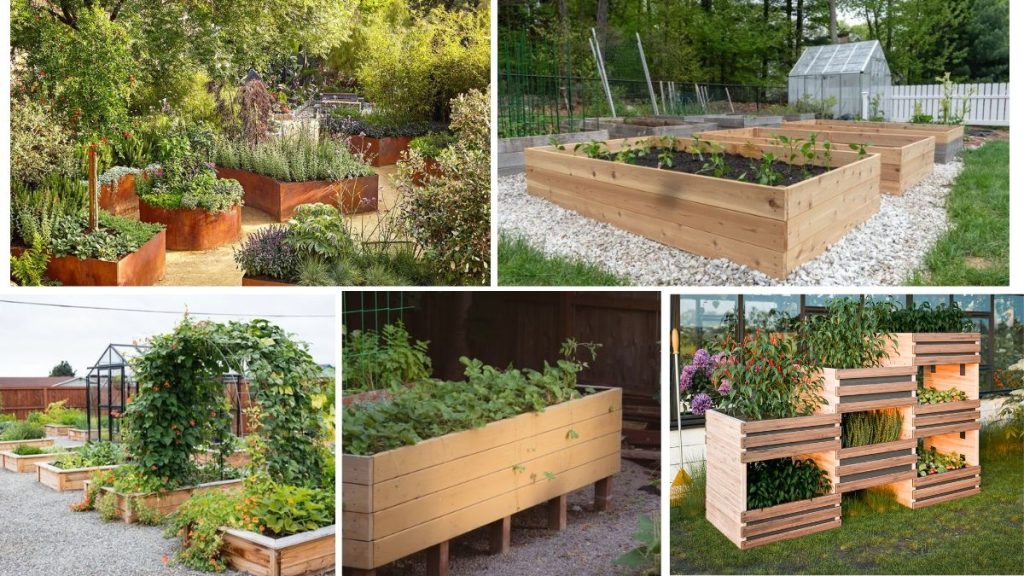
Are you wondering how tall to make your raised garden beds for the best results? The height of your garden bed can make a big difference in how well your plants grow, how easy it is to care for them, and even how much you enjoy gardening.
Choosing the right height isn’t just about looks—it affects soil quality, drainage, and accessibility. You’ll discover simple tips to help you pick the perfect height for your raised beds, so your garden can thrive and your work feels easier every day.
Keep reading to find out what height works best for your space and your needs.
Choosing The Right Height
Raised garden beds make gardening easier and more organized. Choosing the right height helps plants grow well and suits your needs.
The height affects how easy it is to work in the garden and how healthy your plants will be. Let’s look at what to consider.
Factors Influencing Bed Height
Many things affect how tall you should make your raised bed. Think about who will use the bed and the types of plants you want.
Soil type and drainage also matter. Some plants need deep soil. Others do fine in shallow beds.
- Comfort: Taller beds reduce bending and strain.
- Plant roots: Deeper beds support bigger root systems.
- Soil quality: Poor soil may need deeper beds filled with good soil.
- Drainage: Higher beds help water drain better in wet areas.
- Space: Taller beds take more materials and room.
Standard Raised Bed Dimensions
Most raised beds have standard heights that work well for many gardens. These sizes are easy to build and maintain.
| Height | Use |
|---|---|
| 6 to 8 inches | Good for shallow-rooted plants like lettuce |
| 12 inches | Standard height for most vegetables and flowers |
| 18 to 24 inches | Best for deeper roots and easy access |
| 24+ inches | Ideal for accessibility and wheelchair use |

Credit: www.amazon.ca
Benefits Of Different Heights
Raised garden beds come in various heights. Choosing the right height helps your plants grow better.
Each height offers unique benefits for gardening comfort, soil health, and plant types.
Low Raised Beds
Low raised beds are usually 6 to 8 inches tall. They are easy to build and use less soil.
These beds warm up quickly in spring. They work well for shallow-rooted plants like lettuce.
- Good for small spaces
- Cost-effective
- Easy to reach for kids
- Faster soil warming
Medium Height Beds
Medium height beds range from 12 to 18 inches tall. They suit most garden plants well.
This height provides enough soil for root growth. It also reduces bending for gardeners.
- Better root development
- Good for vegetables and herbs
- Easier weeding and maintenance
- Retains moisture well
Tall Raised Beds
Tall beds are usually 24 inches or more in height. They offer great comfort for gardeners.
These beds are easier to access without bending. They hold more soil and improve drainage.
- Ideal for gardeners with back problems
- Supports deep-rooted plants
- Better control over soil quality
- Good for adding compost layers
Soil Depth Needs For Plants
Raised garden beds are popular for growing vegetables and flowers. The depth of the soil is important for plant health. Different plants need different soil depths.
Knowing the right depth helps plants grow better. It also makes gardening easier and more successful.
Shallow Root Crops
Some plants have shallow roots and need less soil depth. These include lettuce, spinach, and radishes. Raised beds for these plants can be 6 to 8 inches deep.
Shallow root crops grow well in less soil. They are perfect for small spaces and quick harvests.
- Easy to plant and harvest
- Good for limited space gardens
- Ideal for beginner gardeners
Deep Root Crops
Deep root crops need more soil to grow well. Carrots, tomatoes, and potatoes are examples. Raised beds for these plants should be 12 to 18 inches deep.
Deep soil helps these plants spread their roots. It supports better growth and larger yields.
| Crop Type | Recommended Soil Depth |
| Carrots | 12-18 inches |
| Tomatoes | 18 inches |
| Potatoes | 12-18 inches |
Mixing Plant Types
Mixing different plant types in one bed is common. It saves space and boosts diversity. Choose plants with similar soil depth needs for best results.
Plan the layout so all plants get enough light and nutrients. This helps each plant grow strong and healthy.
- Combine shallow and deep root crops carefully
- Ensure all plants have enough space
- Monitor water and nutrient needs
Credit: crystelmontenegrohome.com
Accessibility Considerations
Raised garden beds can help make gardening easier for many people. Choosing the right height is key to comfort and usability.
We look at how to design garden beds for seniors and those with physical limits. This helps create a safe and fun gardening space.
Gardening For Seniors
Seniors often need garden beds that reduce bending and reaching. A height of 24 to 30 inches works well for many.
- This height lets seniors work while standing or sitting on a chair.
- It helps avoid strain on knees and backs.
- Wide paths around beds improve wheelchair access and walking ease.
Accommodating Physical Limitations
Raised beds for people with physical limits should focus on ease of use. Height and design make a big difference.
| Physical Limitation | Recommended Bed Height | Additional Features |
| Back Pain | 24-30 inches | Side seating ledges |
| Knee Problems | 30 inches or higher | Wide, smooth access paths |
| Wheelchair Use | 28-34 inches | Open sides for knee clearance |
| Limited Strength | 24-28 inches | Lightweight materials, raised shelves |
Materials And Construction Tips
Raised garden beds need the right height for healthy plants. Choosing strong materials helps the beds last long. Building them well keeps soil and plants safe.
This guide explains how to pick good materials and build stable beds with proper drainage.
Choosing Durable Materials
Pick materials that resist rot and weather. Wood is popular but needs treatment. Cedar and redwood last longer without chemicals. Metal and plastic can work too.
Avoid soft woods like pine unless sealed well. Use thick boards to hold soil weight. Durable materials reduce repair needs and keep beds sturdy.
- Cedar and redwood resist rot naturally
- Treated wood lasts but check for chemicals
- Metal frames are strong but may heat soil
- Plastic lasts long and is lightweight
- Use thick boards, at least 2 inches thick
Ensuring Stability And Drainage
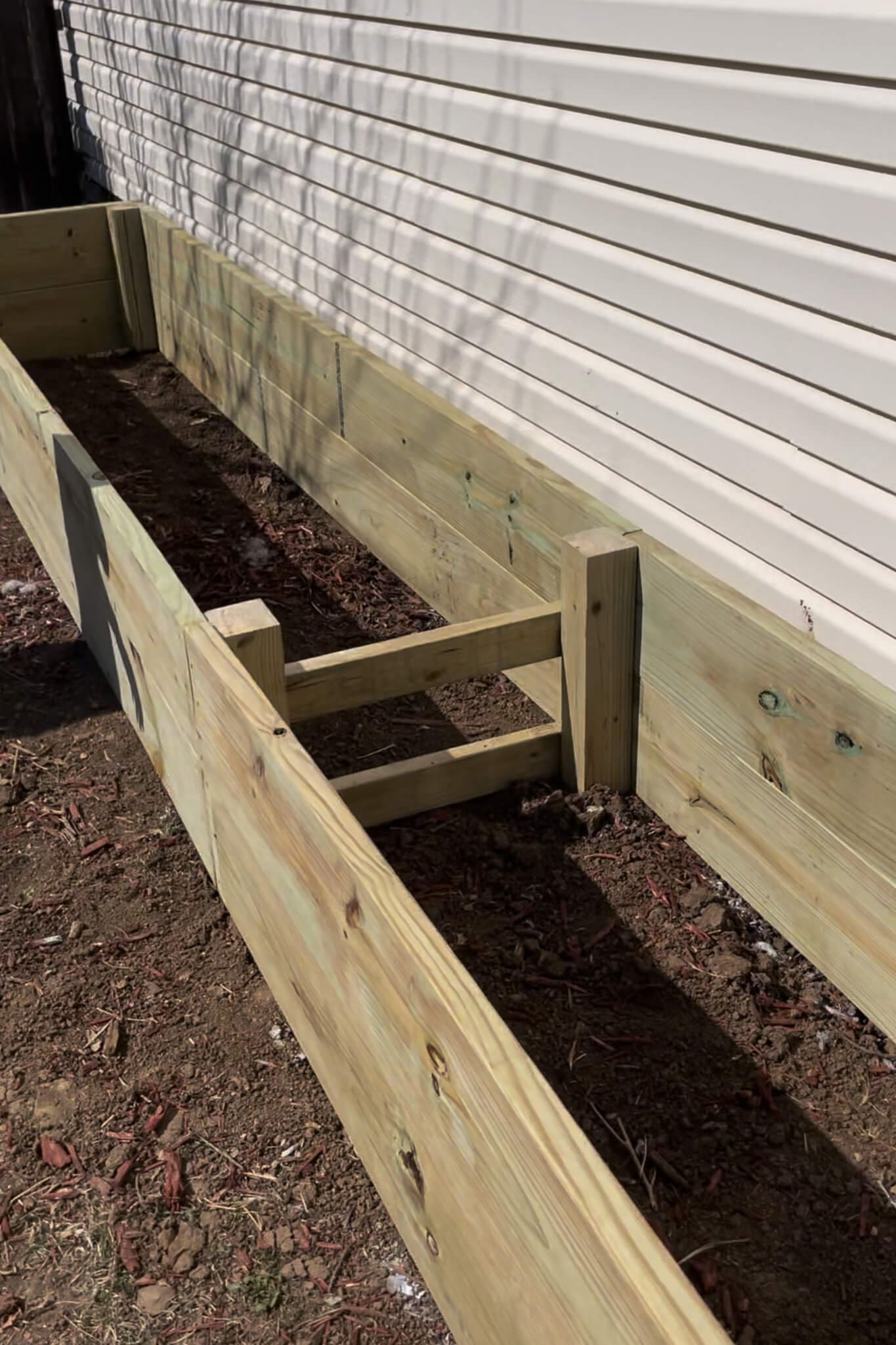
Build raised beds with strong corners and supports. Use screws or bolts to hold boards tight. This stops walls from leaning or falling.
Good drainage stops water from pooling. Drill holes or leave gaps at the bottom. Add gravel or coarse sand under soil to help water flow.
- Reinforce corners with brackets or stakes
- Use long screws or bolts, not nails
- Drill drainage holes or leave small gaps
- Place gravel layer below soil for drainage
- Keep bed height between 12 to 24 inches

Credit: www.addisonfarmssc.com
Customizing Bed Height
Raised garden beds can be built in different heights. Choosing the right height helps with planting and care.
Customizing bed height makes gardening easier for your needs. It can also improve plant growth.
Multi-level Beds
Multi-level beds have different heights in one garden. This helps grow many plants with different needs.
Taller levels can hold deep-rooted plants. Shorter levels are good for shallow roots.
- Use tall beds for carrots and potatoes
- Use medium height for tomatoes and peppers
- Use low beds for lettuce and herbs
Adjustable Height Options
Adjustable beds let you change height as needed. This fits different plants and gardener comfort.
These beds use removable sides or stackable parts. You can add or remove layers easily.
- Raise bed height for deep-root plants
- Lower bed for easy access and small plants
- Adjust height to reduce bending and strain
Frequently Asked Questions
What Is The Ideal Height For Raised Garden Beds?
The ideal height for raised garden beds is between 12 and 24 inches. This range allows for proper root growth and easy maintenance. Taller beds are helpful for limited mobility or poor soil conditions. Choose height based on your plants’ needs and your comfort level.
How Does Bed Height Affect Plant Growth?
Bed height influences soil warmth, drainage, and root space. Taller beds warm faster and drain better, promoting healthier roots. Shallow beds may limit root depth and reduce yields. Proper height ensures plants get enough nutrients and water for optimal growth.
Can Raised Beds Be Too Tall For Gardening?
Yes, raised beds can be too tall if they exceed 36 inches. Extremely tall beds can dry out quickly and require more watering. They may also be harder to manage. Balance height with accessibility and plant type for best results.
Why Choose Shorter Raised Garden Beds?
Shorter raised beds, around 6-12 inches, are easier to build and fill. They suit shallow-rooted vegetables and herbs. These beds warm quickly and conserve water. However, they may need more frequent watering and fertilizing than taller beds.
Conclusion
Choosing the right height for raised garden beds helps plants grow healthy. A height between 12 and 24 inches works well for most vegetables. Taller beds make gardening easier on your back and keep soil warmer. Keep the bed height comfortable for your space and needs.
Simple, proper design leads to a better garden and happy plants. Start with the right height and enjoy growing your own food.