Have you ever wondered how a pressure cooker speeds up cooking while keeping your food tender and full of flavor? Understanding how the pressure cooker works can change the way you prepare meals, saving you time and energy.
You’ll discover the simple science behind this kitchen marvel and learn why it’s a must-have tool for anyone who loves quick, delicious meals. Keep reading, and you’ll unlock tips that make cooking easier and more enjoyable every day.
Pressure Cooker Basics
A pressure cooker uses steam pressure to cook food faster than usual. It traps steam inside a sealed pot.
This increases the pressure and temperature inside, which cooks food quickly and saves energy.
Key Components
A pressure cooker has several important parts that help it work safely and efficiently.
- Pot:Holds the food and liquid.
- Lid:Fits tightly to seal the pot.
- Sealing Ring:A rubber or silicone ring that prevents steam from escaping.
- Pressure Valve:Controls the pressure by releasing steam when needed.
- Handle:Helps to safely open and close the cooker.
How It Seals
The pressure cooker seals tightly to keep steam inside and build pressure.
| Part | Function in Sealing |
| Lid | Locks onto the pot to close the cooker securely. |
| Sealing Ring | Fits between lid and pot to stop steam leaks. |
| Pressure Valve | Keeps pressure safe by letting steam out if it gets too high. |

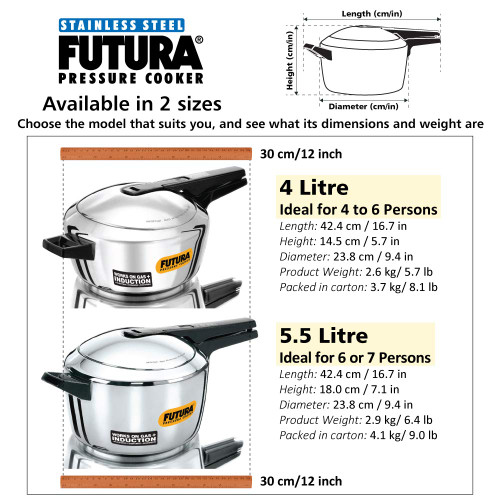
Credit: www.amazon.in
Science Behind Pressure Cooking
Pressure cookers use steam and pressure to cook food faster. The sealed pot traps steam, raising pressure inside.
This higher pressure increases the boiling point of water. Food cooks at a higher temperature than normal boiling.
Pressure And Temperature Link
Inside a pressure cooker, steam builds up and creates pressure. More pressure means higher temperature.
Normally, water boils at 100°C (212°F). Under pressure, it can reach 120°C to 130°C (248°F to 266°F).
- Higher pressure raises water’s boiling point
- Steam temperature increases with pressure
- Food cooks at temperatures above 100°C inside
Effect On Cooking Time
The higher temperature inside the cooker speeds up cooking. Food cooks faster than on a stove.
Pressure cooking can reduce cooking time by up to 70%. This saves energy and keeps food moist.
- Faster cooking due to higher temperature
- Less time needed to soften tough foods
- Energy efficient by reducing cooking duration
Benefits Of Pressure Cooking
Pressure cooking uses steam and high pressure to cook food faster. It saves time and energy in the kitchen. Many people use pressure cookers to make meals quickly without losing taste or nutrition.
This cooking method works well for a variety of dishes, from soups to tough cuts of meat. Understanding its benefits can help you decide if a pressure cooker fits your cooking style.
Speed And Efficiency
A pressure cooker cooks food faster than regular pots. It traps steam and raises the boiling point of water. This process reduces cooking times significantly.
- Food cooks 2 to 10 times faster.
- Less energy is used during cooking.
- It reduces the time needed for meal preparation.
Flavor Enhancement
The sealed environment keeps flavors from escaping. This makes the food taste richer and more intense. Spices and herbs blend deeply in a pressure cooker.
| Factor | Effect on Flavor |
|---|---|
| Sealed Lid | Traps steam and aromas |
| High Pressure | Improves flavor penetration |
| Short Cooking Time | Prevents flavor loss |
Nutrient Retention
Pressure cooking preserves more nutrients than boiling or frying. The short cooking time and less water reduce nutrient loss. This helps keep vitamins and minerals in your food.
- Vitamins like C and B remain intact.
- Minerals stay in the food instead of leaking out.
- Less exposure to air reduces oxidation.
Types Of Pressure Cookers
Pressure cookers help cook food faster by using steam pressure. They come in different types. Each type has unique features and uses.
Choosing the right pressure cooker depends on your cooking style and kitchen setup. The two main types are stovetop models and electric variants.
Stovetop Models
Stovetop pressure cookers work on gas or electric burners. They heat quickly and build pressure fast. Many cooks prefer them for their control and durability.
- Usually made of stainless steel or aluminum
- Require manual heat adjustment
- Pressure is controlled by a weighted valve or spring valve
- Cook times are shorter due to higher pressure levels
- Often less expensive than electric models
Electric Variants
Electric pressure cookers have built-in heating elements. They use digital controls to set pressure and time. These are convenient for slow cooking and multi-use cooking.
| Feature | Electric Pressure Cooker | Stovetop Pressure Cooker |
|---|---|---|
| Power Source | Electricity | Gas or electric burner |
| Control | Digital and automatic | Manual and manual heat control |
| Pressure Levels | Usually lower | Usually higher |
| Multi-function | Yes, can slow cook, sauté, steam | No, mainly pressure cook only |
| Price Range | Higher | Lower |
Safety Features And Tips
Pressure cookers use high pressure to cook food quickly. This makes safety very important. Many features keep the cooker safe during use.
Knowing how these features work helps you use the cooker safely. Also, taking simple precautions protects you and your kitchen.
Built-in Safety Mechanisms
Pressure cookers have safety parts that stop accidents. These parts control pressure and prevent damage.
- Pressure Release Valve:Lets steam out if pressure gets too high.
- Locking Lid:Stops the lid from opening while the cooker is pressurized.
- Gasket Release System:Releases steam if the valve fails to keep pressure safe.
- Pressure Indicator:Shows when the cooker is under pressure.
- Safety Plug:Melts to release pressure if all other systems fail.
Common Precautions
Following simple rules helps avoid accidents and keeps the cooker working well.
| Precaution | Reason |
| Check the gasket for cracks before use | Prevents steam leaks that can cause burns or reduce pressure |
| Do not overfill the cooker | Leaves room for steam and stops food from blocking valves |
| Release pressure fully before opening | Prevents hot steam from escaping suddenly and causing injury |
| Clean valves and gasket regularly | Keeps safety parts working properly and stops blockages |
| Use only recommended heat levels | Avoids excess pressure and damage to the cooker |
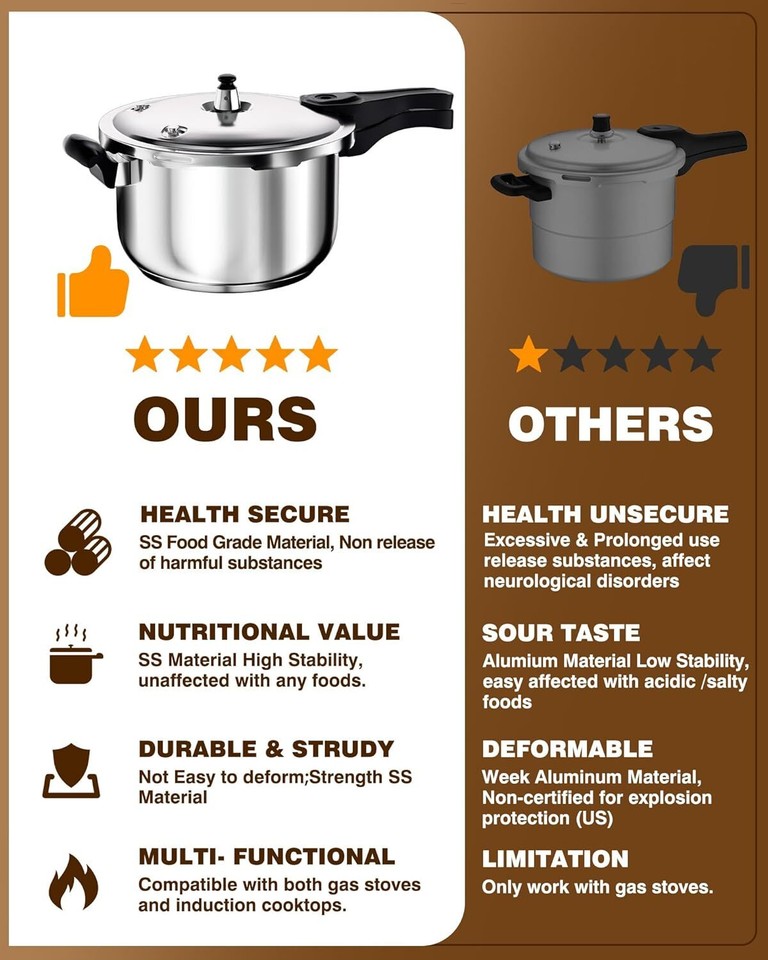
Credit: sc-electricals.com
Using A Pressure Cooker Effectively
A pressure cooker cooks food faster by using high pressure steam. It traps steam inside, raising the boiling point of water. This speeds up cooking and saves energy.
To use a pressure cooker well, you need to choose the right recipes, adjust cooking times, and care for your cooker properly. These steps help you get good results every time.
Choosing Recipes
Not all recipes work well in a pressure cooker. Choose recipes with ingredients that cook evenly and quickly under pressure. Foods like beans, tough meats, and vegetables are good choices.
Avoid recipes that need careful stirring or delicate textures. Soups, stews, and rice dishes work best. Follow pressure cooker recipes to avoid overcooking or undercooking.
- Use recipes designed for pressure cooking
- Pick foods that cook evenly under pressure
- Avoid recipes needing frequent stirring
- Try soups, stews, beans, and tough meats
Adjusting Cooking Times
Pressure cookers cook faster than regular pots. You need to lower cooking times in recipes to avoid mushy food. Start by cutting cooking time by two thirds.
Check food early to prevent overcooking. If the food is not done, cook for a few more minutes. Use a timer and follow your pressure cooker’s instructions closely.
- Reduce regular cooking time by about 70%
- Use a timer to track cooking time
- Check food early for doneness
- Adjust time in small steps if needed
Maintenance And Care
Keep your pressure cooker clean and in good shape. Clean the lid, gasket, and valves after every use. Check parts regularly for wear or damage.
Store your cooker with the lid off or upside down. This prevents odors and keeps the gasket flexible. Replace worn parts to keep your cooker safe and working well.
- Clean all parts after use
- Inspect gasket and valves often
- Store with lid off or upside down
- Replace damaged parts promptly

Credit: www.certainteed.me
Frequently Asked Questions
How Does A Pressure Cooker Speed Up Cooking?
A pressure cooker speeds up cooking by trapping steam. This increases the pressure inside, raising the boiling point of water. Higher temperatures cook food faster and more efficiently. The sealed environment also retains nutrients and flavors, enhancing the quality of meals.
Why Is Steam Important In A Pressure Cooker?
Steam is crucial as it increases pressure and temperature inside the cooker. This combination cooks food faster than traditional methods. Additionally, the steam helps preserve nutrients and infuse flavors, resulting in delicious, healthy meals with reduced cooking time.
Can A Pressure Cooker Be Used For All Foods?
A pressure cooker is versatile but not suitable for all foods. It’s ideal for tough meats, beans, and grains. However, delicate foods like fish and pasta may overcook. Always consult your pressure cooker’s manual for specific guidelines to ensure optimal results.
What Safety Features Do Pressure Cookers Have?
Modern pressure cookers are equipped with several safety features. These include pressure release valves, locking lids, and overpressure plugs. These features prevent accidents by controlling pressure levels and ensuring the lid remains securely fastened during cooking.
Conclusion
Pressure cookers save time and energy by cooking food faster. They use steam and high pressure to raise temperature. This process breaks down food quickly and locks in flavors. Using a pressure cooker can make meals tender and tasty. Always follow safety steps to avoid accidents.
Understanding how it works helps you cook smarter. Try it yourself and enjoy the benefits. Simple, quick, and effective cooking.