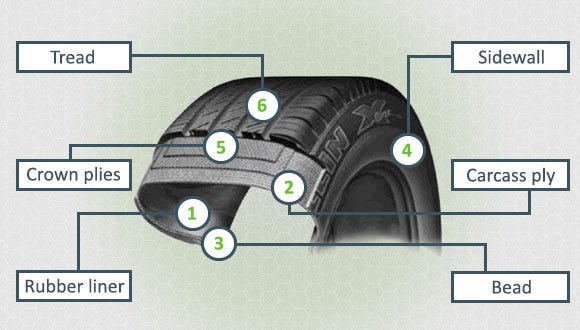
Have you ever wondered just how thick your car tires really are? It’s a simple question, but knowing the answer can make a big difference for your safety and driving experience.
Your tires are the only part of your car touching the road, so understanding their thickness helps you know when it’s time for a change. You’ll discover exactly how thick car tires are, why that thickness matters, and how it affects your grip, comfort, and control on the road.
Keep reading—you’ll want to make sure your tires are up to the mark before your next drive.

Credit: www.tirereview.com
Tire Width Basics
Car tires come in many widths to fit different vehicles and driving needs. Tire width is the distance across the tire’s tread from side to side.
Knowing tire width helps you choose the right tire for safety and performance. It also affects the look of your car.
Measuring Tire Width
Tire width is measured in millimeters. It is the width of the tread, the part that touches the road.
The number you see on a tire, like 205/55R16, shows the width first. Here, 205 means the tire is 205 millimeters wide.
- Width is the first number in the tire size code
- Measured in millimeters across the tread
- Does not include the sidewalls of the tire
Common Width Sizes
Car tires usually range from 145 mm to 275 mm in width. Smaller cars use narrower tires, while bigger cars use wider ones.
| Vehicle Type | Common Tire Width (mm) |
|---|---|
| Small Cars | 145 – 185 |
| Mid-Size Cars | 185 – 225 |
| SUVs and Trucks | 225 – 275 |
Choosing the right width helps with grip, fuel efficiency, and ride comfort.
Aspect Ratio And Sidewall Height
Car tires have numbers that tell you their size. One important number is the aspect ratio. It shows how thick the tire sidewall is compared to the tire’s width.
The sidewall height affects how the tire looks and how the car rides. Understanding these helps you choose the right tires for your car.
What Aspect Ratio Means
The aspect ratio is a percentage. It compares the sidewall height to the tire width. For example, if a tire is 200 mm wide and has an aspect ratio of 60, the sidewall height is 60% of 200 mm, which is 120 mm.
- Aspect ratio is shown as the middle number in the tire size (e.g., 205/55R16).
- It tells how tall the tire sidewall is compared to its width.
- A lower aspect ratio means a shorter sidewall.
- A higher aspect ratio means a taller sidewall.
Impact On Ride Comfort
The sidewall height affects how smooth or hard the ride feels. Taller sidewalls can absorb bumps better. Shorter sidewalls give better handling but a firmer ride.
| Aspect Ratio | Sidewall Height | Ride Comfort | Handling |
|---|---|---|---|
| High (70-80%) | Taller | Smoother ride | Less precise |
| Medium (50-70%) | Moderate | Balanced | Good |
| Low (30-50%) | Shorter | Firm ride | Better control |
Tire Diameter And Its Role
The diameter of a car tire is the total distance across the tire from one edge to the other. It includes the wheel size and the tire’s thickness. Tire diameter affects how the vehicle drives and handles on the road.
Tire diameter is important to choose the right tires that fit your car. It impacts safety, fuel efficiency, and ride comfort. Understanding tire diameter helps you pick tires that match your vehicle’s needs.
Wheel Size Compatibility
Tires must fit the wheel size exactly. The wheel size is the diameter of the wheel rim. Tires with the wrong diameter will not fit properly and can cause damage.
Matching tire diameter to wheel size ensures the tire sits correctly on the rim. This helps keep the tire balanced and safe for driving.
- Wheel size is measured in inches
- Tire diameter must match wheel diameter
- Incorrect sizes can cause poor fit and damage
Effect On Vehicle Performance
Tire diameter affects how a car accelerates and brakes. Bigger tires cover more ground but can reduce acceleration. Smaller tires improve acceleration but may lower top speed.
The right tire diameter helps with fuel efficiency and ride comfort. It also affects the accuracy of the speedometer and odometer readings.
- Larger diameter tires can slow acceleration
- Smaller diameter tires improve acceleration
- Proper size helps maintain fuel efficiency
- Correct diameter keeps speedometer accurate

Credit: www.tirereview.com
Reading Tire Codes
Car tires have codes that tell you their size and capability. Understanding these codes helps you pick the right tires for safety and performance.
These codes include numbers and letters about the tire’s width, height, load limit, and speed rating. Let’s explore how to read them.
Decoding Width And Height
The first part of a tire code shows the width and height. For example, in “205/55R16”, 205 is the width in millimeters.
- Width:The tire’s width from sidewall to sidewall in millimeters.
- Aspect Ratio:The height of the sidewall as a percentage of the width.
- Diameter:The wheel diameter the tire fits, measured in inches.
Knowing these numbers helps you find tires that fit your wheels and maintain proper clearance.
Understanding Load And Speed Ratings
After the size, the tire code shows load and speed ratings. These tell you how much weight the tire can carry and its safe speed limit.
| Code | Meaning | Example |
|---|---|---|
| Load Index | Maximum load tire can carry | 91 = 615 kg |
| Speed Symbol | Maximum speed tire can handle | H = 210 km/h (130 mph) |
Check these ratings to match your car’s weight and driving speed. Using the right ratings keeps you safe on the road.
Choosing The Right Tire Thickness
Car tire thickness affects safety and performance. Picking the right thickness helps your car drive well.
Different tires suit different driving needs. Knowing how thick your tires should be is key.
Matching Tires To Driving Needs
Thicker tires offer better grip and last longer. Thin tires can improve fuel efficiency but wear out fast.
- City driving: Medium thickness tires balance comfort and durability.
- Highway driving: Thinner tires improve fuel economy and handling.
- Off-road driving: Thick tires resist cuts and provide better traction.
- Sport driving: Low profile tires improve steering but wear quicker.
Considerations For Weather And Terrain
Weather and terrain affect how tires perform. Choose thickness based on where and how you drive.
| Condition | Recommended Tire Thickness |
| Snow and ice | Thick tread for better grip |
| Wet roads | Medium thickness to prevent hydroplaning |
| Dry pavement | Thin to medium thickness for smooth ride |
| Rough terrain | Thick tires resist damage |

Credit: www.tirereview.com
Impact Of Tire Thickness On Safety
Tire thickness plays a big role in keeping a car safe. Thicker tires can protect better against road damage.
Thin tires wear out faster and may not grip the road well. This can make driving risky.
Traction And Handling
Thicker tires usually have more rubber touching the road. This helps the car stay steady on turns.
Good traction stops the car faster and avoids slipping. Thin tires lose grip faster, especially on wet roads.
- Thick tires improve grip on dry and wet roads
- Better handling in curves and sharp turns
- Helps avoid skidding and sliding
Wear And Tear Factors
Thinner tires wear out quickly because they have less material. This means you must replace them often.
Thick tires resist cuts and damage from rough roads. They last longer and keep your car safer.
- Thin tires are more prone to punctures
- Thick tires handle rough roads better
- Regular checks help spot wear early
Upgrading And Customizing Tire Sizes
Changing car tire sizes affects how your vehicle drives and looks. Many drivers choose wider tires to improve performance and style. It is important to know the benefits and possible drawbacks of wider tires before upgrading.
Wider tires can change the thickness and grip of your wheels. Customizing tire size is a popular way to make a car unique. Understanding the impact helps you make a smart choice.
Benefits Of Wider Tires
Wider tires offer several advantages for drivers. They provide better traction and improve handling on dry roads. This can help with cornering and overall vehicle control.
- Increased road contact for better grip
- Improved braking performance
- Enhanced vehicle appearance
- Better stability at higher speeds
Potential Drawbacks
Wider tires also come with some downsides. They may cause higher fuel consumption because of extra rolling resistance. The ride can feel rougher due to stiffer sidewalls.
| Drawback | Explanation |
|---|---|
| Fuel Efficiency | Wider tires increase rolling resistance, reducing miles per gallon. |
| Ride Comfort | Stiffer tires make the ride less smooth on rough roads. |
| Speedometer Accuracy | Larger tires can cause incorrect speed readings. |
| Cost | Wider tires and compatible rims usually cost more. |
Frequently Asked Questions
How Thick Are Standard Car Tires?
Standard car tires typically have a tread thickness of about 10/32 to 11/32 inches. This thickness ensures safe traction and durability for everyday driving conditions.
Why Is Tire Thickness Important For Safety?
Tire thickness affects grip and handling on the road. Thicker tread provides better traction, reducing the risk of skidding, especially in wet or slippery conditions.
How Can I Measure My Car Tire Thickness?
Use a tread depth gauge or a coin test to measure tread thickness. Check multiple points across the tire for an accurate reading.
When Should Car Tires Be Replaced Due To Thickness?
Replace tires when tread depth reaches 2/32 inches or less. This is the legal limit in many regions for safe driving.
Conclusion
Car tire thickness affects safety and performance. Thicker tires often last longer and handle rough roads better. Tire thickness varies by car type and use. Checking your tires regularly helps avoid problems. Proper tire care saves money and keeps you safe.
Understanding tire thickness helps make smart choices. Keep an eye on your tires for a smooth ride. Tires matter more than many people think.