
When you’re putting together a charcuterie board, the thickness of the board might seem like a small detail. But it actually makes a big difference in how your spread looks and feels.
You want your board to be sturdy enough to hold all your delicious meats, cheeses, and snacks without wobbling or cracking. At the same time, it shouldn’t be so thick that it takes up too much space or feels awkward to carry around.
Wondering how thick your charcuterie board should be to get that perfect balance? Keep reading, because getting this right will help you impress your guests and make your gatherings even more enjoyable.
Ideal Thickness For Charcuterie Boards
Choosing the right thickness for a charcuterie board is important. The thickness affects the board’s strength and look.
A board that is too thin may break easily. A very thick board can be heavy and hard to handle.
Standard Thickness Range
Most charcuterie boards fall in the thickness range of 1/2 inch to 1 inch. This range offers a good balance.
A 1/2 inch board is light and easy to carry. A 1 inch board feels sturdy and durable.
- 1/2 inch – Lightweight, best for small servings
- 3/4 inch – Balanced thickness, versatile use
- 1 inch – Strong, ideal for heavy items
Factors Influencing Thickness Choice
The thickness you pick depends on how you plan to use the board. Consider these factors before choosing.
- Type of wood: Hardwoods can be thinner and still strong
- Board size: Larger boards need more thickness for support
- Weight: Thicker boards are heavier to carry
- Design: Some styles require thicker wood for a better look
- Usage: Frequent use needs a thicker, more durable board

Credit: www.amazon.ca
Materials And Their Impact
The thickness of a charcuterie board depends on the material used. Different materials offer various strengths and appearances. Choosing the right material affects durability and style.
Wood is the most popular choice, but there are other options. Each material has its own impact on the board’s thickness and use.
Wood Types And Thickness
Wood boards vary by type, which affects how thick they should be. Hardwoods like maple and walnut are strong and need less thickness. Softer woods may need to be thicker to avoid damage.
| Wood Type | Recommended Thickness | Reason |
|---|---|---|
| Maple | 1 to 1.5 inches | Hard and durable, resists cuts well |
| Walnut | 1 to 1.5 inches | Strong with a smooth finish |
| Bamboo | 0.75 to 1.25 inches | Dense but lightweight |
| Pine | 1.5 to 2 inches | Softer wood needs extra thickness |
Thicker wood boards last longer and are less likely to warp. Choose thickness based on how often you use the board and your style preference.
Alternative Materials
Besides wood, other materials can be used for charcuterie boards. Each material changes the ideal thickness and care needs.
- Slate: Thin boards around 0.5 to 1 inch thick, easy to clean but can chip.
- Marble: Usually 1 to 1.5 inches thick, adds elegance but is heavy.
- Plastic: Flexible thickness, often 0.5 to 1 inch, easy to wash but less natural feel.
- Glass: Thin, about 0.5 inch, stylish but can break easily.
Each material affects the board’s weight and how you should care for it. Choose based on your needs and how you plan to use the board.
Balancing Durability And Aesthetics
Choosing the right thickness for a charcuterie board matters. It affects how strong the board is and how it looks on your table.
Boards that are too thin may break easily. Boards that are too thick can look bulky and heavy. Finding the right balance is key.
Thick Vs Thin Boards
Thicker boards offer better durability and last longer. Thin boards are lighter and easier to carry. Each type fits different needs and styles.
- Thick Boards:Usually 1 inch or more. They resist warping and cracking.
- Thin Boards:Around ½ inch thick. They are sleek but can be fragile.
- Medium Thickness:About ¾ inch. Offers good strength and looks balanced.
| Thickness | Durability | Aesthetics |
| ½ inch (thin) | Low | Light, modern |
| ¾ inch (medium) | Medium | Balanced look |
| 1 inch or more (thick) | High | Rustic, sturdy |
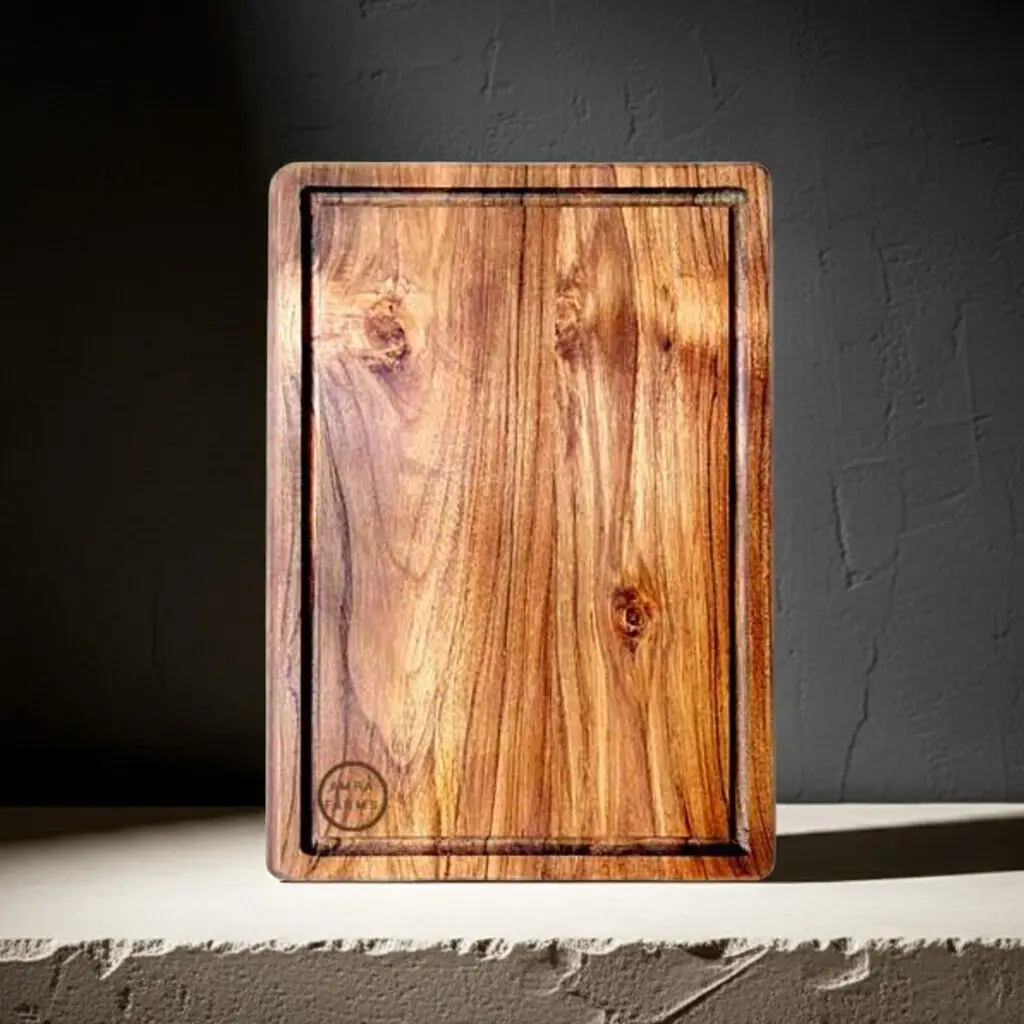
Edge Finishing Tips
Edges affect both safety and beauty of a charcuterie board. Smooth edges feel nice and prevent splinters.
- Sand edges well with fine-grit sandpaper.
- Round the corners for a soft look.
- Apply food-safe oil or wax to protect the wood.
- Use a router for decorative edge shapes if desired.
Note:Proper edge finishing improves the board’s lifespan and makes it safer for serving food.
Credit: choppingboards.in
Practical Considerations
The thickness of a charcuterie board affects its use and care. Choosing the right thickness makes serving easier.
Boards that are too thin may break, while very thick ones can be heavy and hard to store.
Portability And Storage
A thicker board often means more weight. This can make it hard to carry around.
Thin boards fit better in kitchen cabinets or shelves, saving space.
- Thin boards (about 0.5 to 1 inch) are lighter and easier to move.
- Thicker boards (1.5 inches or more) may be too heavy for quick use.
- Think about where you will store the board before choosing thickness.
Cleaning And Maintenance
Thicker boards can be harder to clean because they are heavier and bulkier.
Thin boards dry faster and are easier to handle during washing and maintenance.
- Boards that are too thin may warp or crack after washing.
- Choose a thickness that balances durability with easy cleaning.
- Regular oiling helps protect the board no matter the thickness.
Customizing Thickness For Different Uses
Choosing the right thickness for a charcuterie board depends on how you plan to use it. Different activities call for different board sizes and strengths.
Thicker boards can hold more food and handle heavier items. Thinner boards work well for light snacks and easy storage.
Entertaining Large Groups
For big gatherings, a sturdy and thick charcuterie board is best. It should support many dishes and hold up to frequent use.
| Thickness | Recommended Size | Benefits |
| 1.5 to 2 inches | Large (18-24 inches) | Strong, holds heavy foods, stable |
| 1 to 1.5 inches | Medium (14-18 inches) | Good balance of weight and portability |
| Less than 1 inch | Small (under 14 inches) | Not ideal for large groups |
Casual Snacking
For everyday use and light snacks, a thinner board is easier to handle and clean. It fits well on small tables and shelves.
- Choose boards about 0.5 to 1 inch thick
- Lighter weight makes it easy to move
- Thin boards dry faster after washing
- Works well for cheese, crackers, and small fruits

Credit: www.amazon.ca
Frequently Asked Questions
What Is The Ideal Thickness For A Charcuterie Board?
The ideal thickness for a charcuterie board is between 1 and 2 inches. This thickness provides stability and durability for presenting various foods. It ensures the board can handle the weight of meats, cheeses, and other items without bending or breaking.
Why Does Charcuterie Board Thickness Matter?
Thickness matters because it affects the board’s durability and usability. A thicker board offers more stability, preventing warping or breaking under weight. It also ensures safety when cutting and serving, enhancing the overall presentation and experience.
Can A Thin Charcuterie Board Be Effective?
A thin charcuterie board can work but may lack durability. Thinner boards are more prone to warping and may not support heavy food items effectively. Choosing the right thickness ensures better functionality and longevity for your board.
How Does Thickness Affect Charcuterie Board Aesthetics?
Thickness adds to the aesthetic appeal of a charcuterie board. A thicker board provides a more substantial and luxurious appearance. It enhances the presentation of food, making it more visually appealing and impressive for guests.
Conclusion
Choosing the right thickness for your charcuterie board makes a big difference. A board about one inch thick offers good strength and looks nice. It holds meats, cheeses, and fruits without bending or breaking. Too thin, and it may crack.
Too thick, and it feels heavy and hard to move. Keep your board simple and sturdy for the best use. Enjoy creating tasty, beautiful snacks that everyone will love. A well-chosen board helps your food shine and your guests smile.