Choosing the right cutting board can make a big difference in your kitchen. But have you ever wondered how thick your cutting board should be?
The thickness affects more than just appearance—it impacts durability, safety, and how comfortable it feels when you chop or slice. If you want to protect your knives, prevent slips, and get the best cooking experience, knowing the ideal thickness is key.
Keep reading, and you’ll discover exactly what thickness works best for your needs and why it matters more than you think.
Credit: tayfus.com
Ideal Thickness For Durability
Choosing the right thickness for a cutting board is key to making it last. A board that is too thin may warp or crack easily.
A thicker board offers better stability and can withstand regular chopping and cutting.
Standard Thickness Ranges
Cutting boards come in various thicknesses, usually between 0.5 inches and 2 inches. The choice depends on use and durability needed.
- Thin boards: 0.5 to 0.75 inches – light use, easy to store
- Medium boards: 1 to 1.5 inches – common for kitchen tasks
- Thick boards: 1.75 to 2 inches – heavy use, more durable
Impact On Longevity
Thicker cutting boards last longer because they resist warping and cracking. They handle repeated knife strikes better than thin boards.
| Thickness | Durability | Maintenance |
| 0.5 – 0.75 inches | Low | High (prone to damage) |
| 1 – 1.5 inches | Medium | Moderate |
| 1.75 – 2 inches | High | Low (more resistant) |
Material Considerations
The material of the board changes how thickness affects durability. Wood and plastic have different needs for thickness.
- Wood boards need to be thicker to avoid splitting.
- Plastic boards can be thinner but may wear faster.
- Bamboo boards offer strength with medium thickness.
- Hardwoods like maple or walnut last longer at 1.5 inches or more.
Types Of Cutting Boards
Cutting boards come in different materials and thicknesses. Choosing the right type helps keep your kitchen safe and efficient.
Each cutting board type has pros and cons. Thickness also affects how durable and stable the board is.
Wooden Boards
Wooden cutting boards are popular for their natural look and durability. They are gentle on knives and can last a long time.
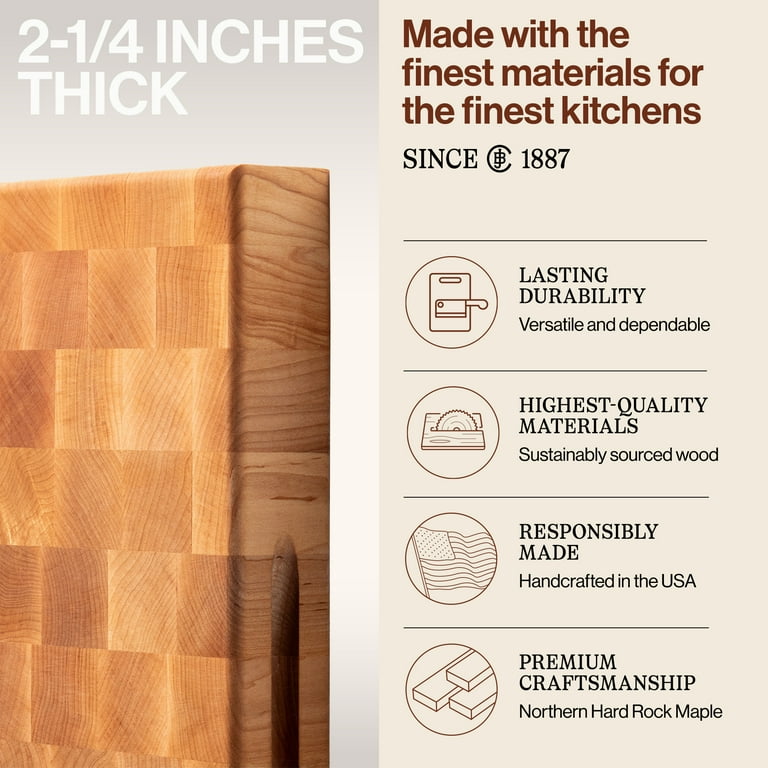
Wood boards are usually thicker, between 1 inch and 2 inches. Thicker boards stay stable and resist warping.
- Made from hardwoods like maple or walnut
- Good thickness: 1 to 2 inches
- Needs regular oiling to prevent cracks
- Heavy but stable on counters
Plastic Boards
Plastic cutting boards are lightweight and easy to clean. They often come in bright colors to help avoid cross-contamination.
Plastic boards are usually thinner than wood, around 0.5 to 1 inch thick. Thicker boards resist bending and cutting marks better.
- Made from polyethylene or polypropylene
- Thickness range: 0.5 to 1 inch
- Dishwasher safe for easy cleaning
- Lighter but can slip on surfaces
Composite Boards
Composite cutting boards blend wood fibers and resin. They combine strength with low maintenance.
These boards are usually about 0.75 to 1.5 inches thick. They resist warping and are often dishwasher safe.
- Made from wood fibers and resin
- Thickness: 0.75 to 1.5 inches
- Strong and durable
- Easy to clean and maintain
Thickness And Stability
Choosing the right thickness for a cutting board helps keep it stable. A stable board stays flat and safe during use. Thickness affects how the board handles weight and pressure.
A good cutting board should balance thickness for strength and ease of handling. Let’s look at key points about thickness and stability.
Preventing Warping
Warping happens when a cutting board bends or twists. Thicker boards resist warping better. Wood boards around 1.5 to 2 inches thick usually stay flat longer. Thin boards may warp after washing or heavy use.
- Thicker boards hold their shape well
- Use oil regularly to protect wood boards
- Avoid soaking boards in water
- Store boards flat or upright with good air flow
Weight And Handling
Thicker cutting boards weigh more. Heavy boards stay put on counters but can be hard to move. Thin boards are light and easy to handle but may slip during use. Choose thickness based on how you use the board.
| Thickness | Weight | Stability | Ease of Handling |
|---|---|---|---|
| 0.5 inch | Light | Low | High |
| 1 inch | Medium | Medium | Medium |
| 1.5 – 2 inches | Heavy | High | Low |
Surface Area Support
Thicker boards give better support for larger surface areas. They prevent the board from bending under pressure. Large boards under 1.5 inches thick may flex or feel unstable.
Tips for surface area support:
- Use thicker boards for bigger cutting surfaces
- Check for even thickness across the board
- Avoid boards that are too thin for the board size

Credit: www.amazon.ca
Thickness For Different Uses
Cutting boards come in many thicknesses. The right thickness depends on how you use the board.
Choosing the correct thickness helps keep your board strong and safe. It also makes cutting easier.
Home Kitchens
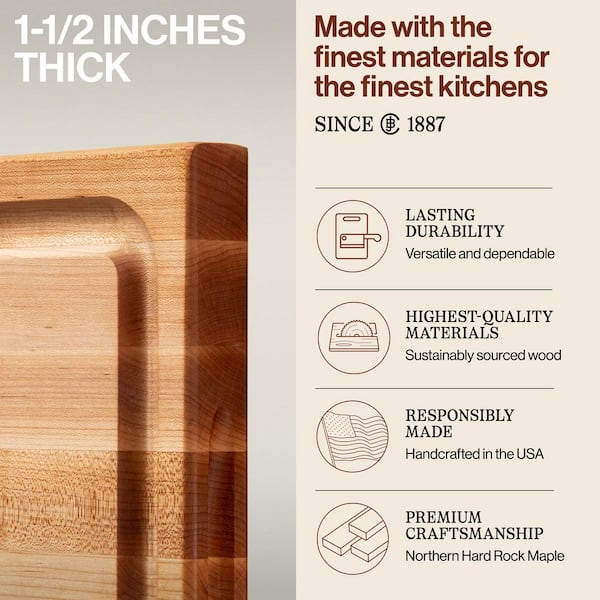
In home kitchens, cutting boards are usually thinner. Most boards range from 0.5 to 1.5 inches thick.
Thinner boards are lighter and easier to move. They work well for daily tasks like chopping vegetables.
- 0.5 inch thickness is good for small boards
- 1 inch thickness offers a balance of weight and durability
- 1.5 inches is best for heavier chopping tasks
Professional Settings
Professional kitchens need thicker cutting boards. They face heavy use and need to last longer.
Boards from 1.5 to 2.5 inches thick are common. They resist deep cuts and do not warp easily.
- 1.5 inches thick for lighter professional use
- 2 inches thick for most chef tasks
- 2.5 inches thick for heavy-duty cutting
Specialty Cutting Boards
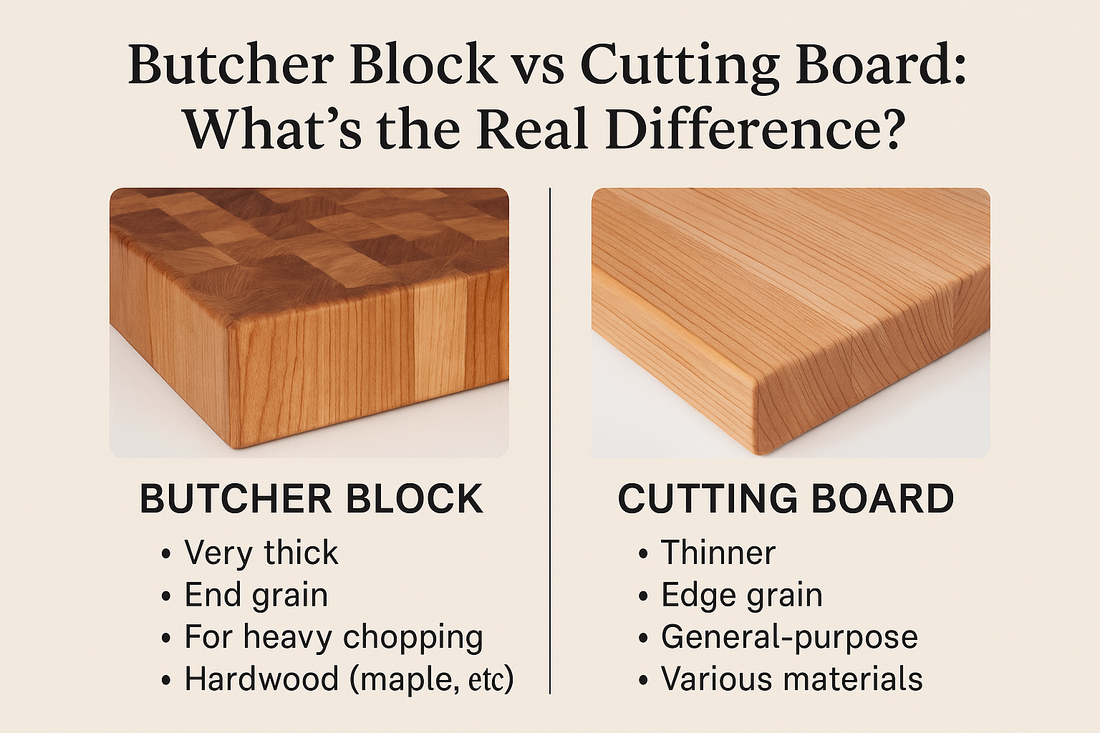
Specialty boards have unique thickness needs. For example, butcher blocks are much thicker than normal boards.
These boards range from 2.5 to 4 inches or more. They absorb heavy chopping and protect knives well.
- 2.5 to 3 inches for large meat cutting boards
- 3 to 4 inches for butcher blocks and heavy use
- Thicker boards add stability during tough tasks
Maintenance Tips By Thickness
Cutting boards come in many thicknesses. Thicker boards last longer but need more care.
Knowing how to clean and store your board helps it stay safe and strong.
Cleaning Practices
Thin boards dry faster but can warp if soaked too long. Clean them quickly with warm water.
Thick boards can hold moisture inside. Use a soft brush to clean deep cuts and dry well.
- Use mild soap and warm water for all boards.
- Do not soak boards longer than a few minutes.
- Dry boards standing up to let air circulate.
Sanding And Resurfacing
Thin boards can wear out quickly. Sand them lightly to smooth the surface often.
Thicker boards allow deeper sanding. This removes cuts and bacteria build-up safely.
- Use fine sandpaper for thin boards to avoid thinning.
- Coarse sandpaper works for thick boards to remove deep cuts.
- Always clean the board after sanding.
Storage Recommendations
Thin boards should stay dry and stored upright to prevent warping.
Thick boards can be stored flat but need good airflow underneath to avoid moisture.
- Keep boards away from direct heat or sunlight.
- Store boards in a dry place with good air flow.
- Use a rack or stand to keep boards upright or flat with space.
Common Mistakes To Avoid
Choosing the right thickness for a cutting board is important for safety and durability.
Many people make avoidable mistakes that reduce their board’s lifespan and usefulness.
Choosing Too Thin Boards
Thin cutting boards can warp or crack easily. They also move around more while cutting.
- Thin boards may not protect your countertop well.
- They can dull knives faster due to less surface stability.
- Low thickness means less durability over time.
Ignoring Material Quality
Not all materials work well for cutting boards. Poor quality wood or plastic wears out fast.
| Material | Pros | Cons |
| Hardwood | Durable, knife-friendly | Needs regular oiling |
| Plastic | Easy to clean, affordable | Can scar and trap bacteria |
| Bamboo | Eco-friendly, hard surface | May dull knives quickly |
Neglecting Board Care
Cutting boards need care to last. Ignoring cleaning and oiling causes damage.
- Do not soak wooden boards in water.
- Oil wooden boards regularly to prevent cracks.
- Clean plastic boards with hot soapy water after each use.
- Store boards in dry places to avoid warping.
Credit: www.homedepot.com
Frequently Asked Questions
What Is The Ideal Thickness For A Cutting Board?
The ideal thickness for a cutting board is typically between 1. 25 to 2 inches. This thickness provides durability and stability. It helps prevent warping and ensures the board won’t easily slide during use. Thicker boards are more robust, making them suitable for heavy-duty kitchen tasks.
Why Does Cutting Board Thickness Matter?
Cutting board thickness matters for stability, durability, and safety. Thicker boards resist warping and provide a stable surface. They are less likely to slide during use, reducing the risk of accidents. A substantial board also absorbs impact better, protecting knives and prolonging their sharpness.
Does A Thicker Cutting Board Last Longer?
Yes, a thicker cutting board generally lasts longer. Thicker boards are more resistant to warping and cracking. They provide a robust surface that withstands repeated use. This durability means they maintain their shape and function over time, making them a worthwhile investment for any kitchen.
Are There Any Downsides To Thick Cutting Boards?
Thick cutting boards can be heavy and harder to move. Their weight might be cumbersome for frequent repositioning. Additionally, they may require more storage space. Despite these downsides, their durability and stability often outweigh the inconveniences, making them a popular choice for serious cooks.
Conclusion
Choosing the right thickness for a cutting board matters a lot. Thicker boards last longer and feel sturdy while cutting. Thin boards may bend and wear out fast. A 1 to 1. 5-inch thickness works well for most kitchen tasks.
Think about your space and how you use the board. Balance durability with ease of handling. This way, you get a cutting board that fits your needs and lasts for years. Simple, strong, and practical. That’s the best choice.