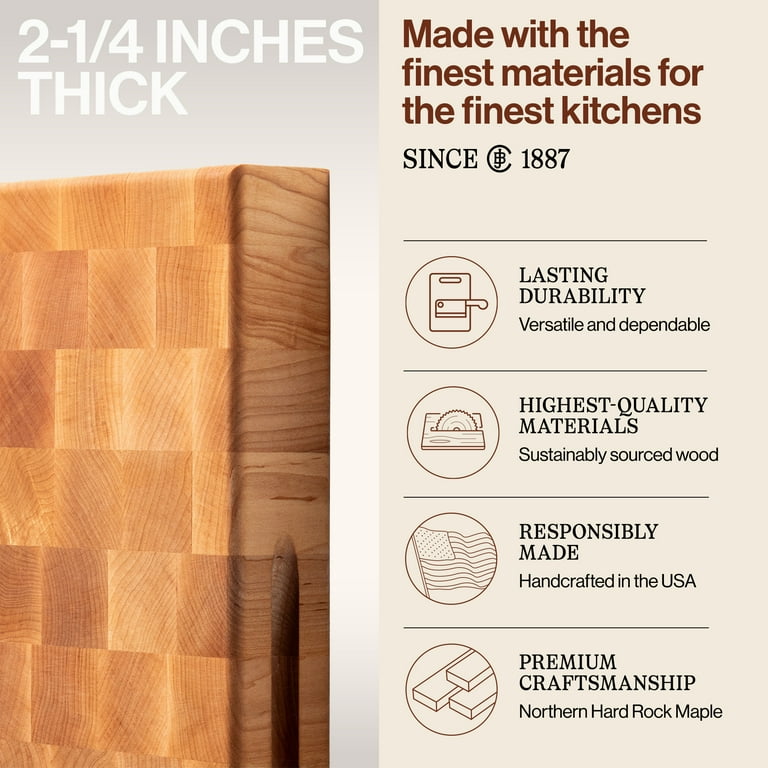
Choosing the right cutting board might seem simple, but have you ever wondered how thick it should be? The thickness of your cutting board affects more than just its look—it impacts its durability, stability, and how safe it is to use.
If your board is too thin, it might slip or wear out quickly. Too thick, and it could be heavy and hard to handle. You’ll discover the perfect thickness for your cutting board to keep your kitchen efficient and safe.
Keep reading to find out what works best for your chopping, slicing, and dicing needs.
Ideal Thickness For Durability
Choosing the right thickness for cutting boards helps them last longer. A durable board resists warping and damage from knives.
Thickness also affects the stability and safety of the board during use. It is important to find a balance between weight and strength.
Common Thickness Ranges
Cutting boards come in several standard thicknesses. Each thickness suits different kitchen tasks and preferences.
- 0.5 to 0.75 inches: Thin boards, light and easy to store
- 1 to 1.5 inches: Medium thickness, good for home kitchens
- 2 inches or more: Thick boards, very durable and stable
Thicker boards handle heavy chopping better but weigh more. Thin boards are less durable but easier to move.
Material Impact On Thickness
The material of a cutting board affects how thick it should be for good durability. Some materials need more thickness to stay strong.
| Material | Recommended Thickness | Reason |
| Wood | 1 to 2 inches | Absorbs impact well, resists knife marks |
| Bamboo | 0.75 to 1.5 inches | Hard but brittle; thinner boards may crack |
| Plastic | 0.5 to 1 inch | Lightweight but less stable if too thin |
| Composite | 1 to 1.5 inches | Strong and dense, good durability |
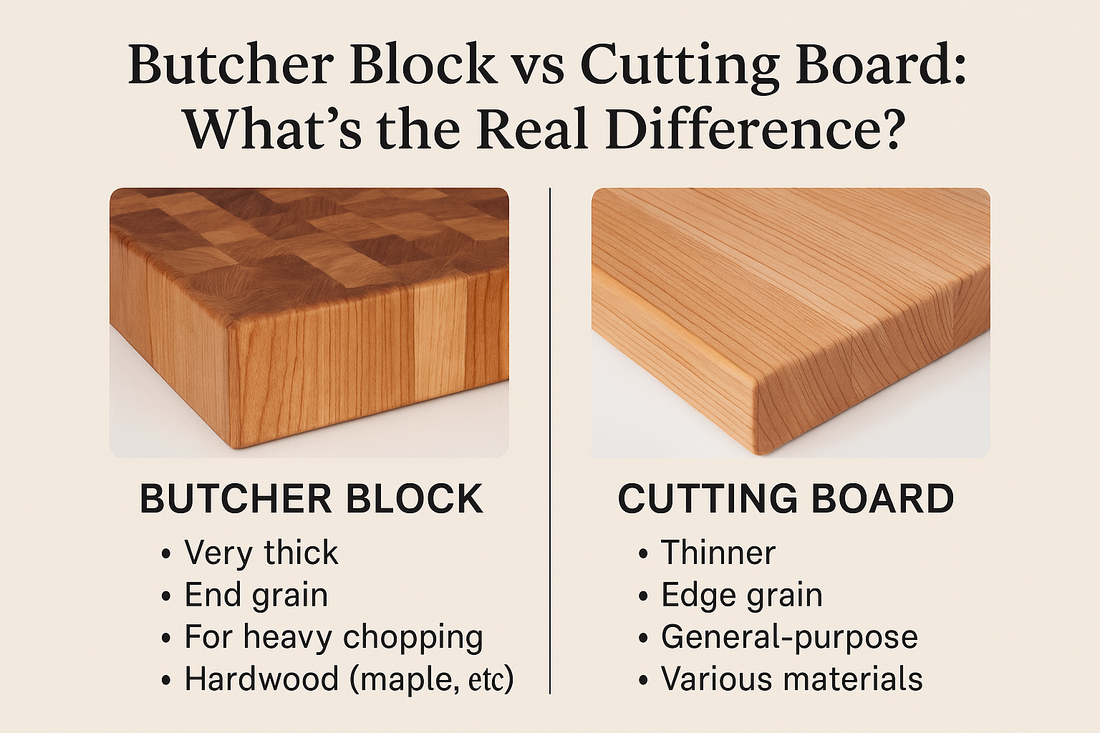
Credit: tayfus.com
Types Of Cutting Boards
Choosing the right cutting board depends on the material and thickness. Different types suit different kitchen tasks and durability needs.
Cutting boards come in wooden, plastic, and composite or bamboo options. Each type offers unique benefits and thickness choices.
Wooden Boards
Wooden cutting boards are sturdy and gentle on knives. They often come in thicknesses from 1 inch to 2 inches.
Thicker wooden boards last longer and resist warping. They also provide a solid surface for chopping and slicing.
- Ideal thickness: 1 to 2 inches
- Hardwoods like maple or walnut are best
- Need regular oiling to stay durable
Plastic Boards
Plastic cutting boards are lightweight and easy to clean. Their thickness usually ranges from 0.3 inch to 0.8 inch.
Thicker plastic boards prevent warping and last longer. They are good for raw meat and easy to sanitize.
- Common thickness: 0.3 to 0.8 inch
- Non-porous and dishwasher safe
- Replace when deep cuts appear
Composite And Bamboo Boards
Composite and bamboo boards mix durability with eco-friendliness. Thickness usually falls between 0.75 inch and 1.5 inches.
These boards resist moisture and are less likely to crack. They offer a stable cutting surface and look attractive in kitchens.
- Thickness range: 0.75 to 1.5 inches
- Resist stains and odors well
- Require minimal maintenance
Thickness And Stability
Cutting boards need the right thickness to stay stable. Too thin boards can move or bend easily.
A thicker board offers more strength and lasts longer. It also protects your counter from knife marks.
Preventing Warping And Cracking
Thick cutting boards resist warping better than thin ones. Wood can warp if it is too thin and dries unevenly.
Boards at least 1 inch thick usually stay flat. Thicker boards reduce the chance of cracks forming over time.
- Use wood with tight grain to reduce warping
- Keep boards dry and clean after use
- Store boards flat or upright with support
Weight And Handling Considerations
Thicker boards are heavier and harder to move. This can be a problem if you use the board in different places.
Choose a thickness that balances stability and ease of handling. Many prefer boards between 1 and 1.5 inches thick.
- Thicker boards offer more cutting surface and stability
- Thinner boards are lighter and easier to clean
- Consider your kitchen size and storage space
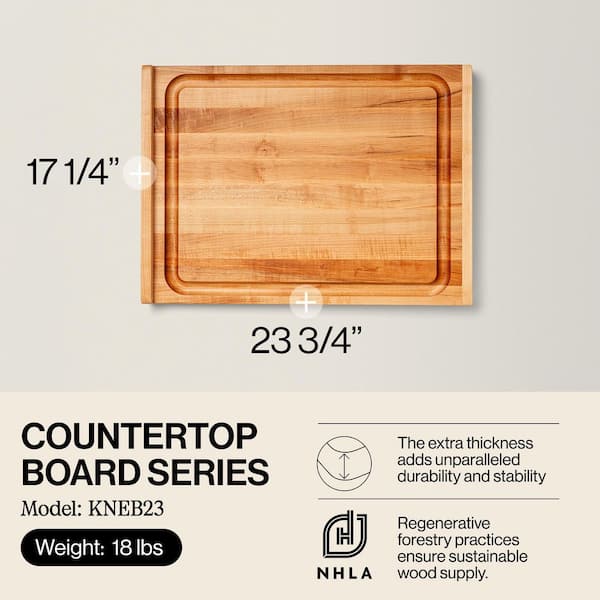
Credit: www.homedepot.com
Usage And Thickness Needs
Cutting boards come in different thicknesses. The thickness depends on how you use them. Thicker boards last longer and feel more stable. Thin boards are lighter and easier to move.
Choosing the right thickness helps protect your knives and your work surface. It also makes cutting safer and more comfortable.
Home Kitchen Vs Professional Use
Home kitchens usually need cutting boards that are not too thick. Boards about 1/2 inch to 1 inch thick work well at home. They are easy to store and clean.
Professional kitchens need thicker boards. These can be 1 1/2 inches to 2 inches thick. Thick boards handle heavy use and last longer. They also stay stable on busy workstations.
- Home kitchen: 1/2 to 1 inch thick
- Professional use: 1 1/2 to 2 inches thick
- Thicker boards resist warping and damage
Specialty Boards For Different Tasks
Some cutting tasks need special boards with specific thickness. For example, carving boards are thicker to hold large meat pieces. Thin boards work well for fruits and vegetables.
Using the right thickness can protect your board and make cutting easier. Some boards have grooves to catch juices, which may add to their thickness.
- Carving boards: 1 1/2 to 2 inches thick
- Vegetable boards: 1/2 to 3/4 inch thick
- Boards with juice grooves are usually thicker
- Thin boards are lighter and easy to handle
Maintenance And Longevity
Choosing the right thickness for your cutting board affects how long it lasts. Thick boards need different care than thin ones. Proper maintenance helps keep your board clean and durable.
Understanding how thickness impacts cleaning and repair can help you extend your board’s life. This guide covers key points on these topics.
Effect Of Thickness On Cleaning
Thicker cutting boards hold up better to frequent washing. They dry slower but resist warping and cracking. Thin boards can bend or split with too much water exposure.
- Thick boards tolerate scrubbing and hot water well.
- They take longer to dry, so air drying is best.
- Thin boards need gentle cleaning to avoid damage.
- Use mild soap and avoid soaking thin boards.
Repairing And Resurfacing Thick Boards
Thick cutting boards can be repaired and resurfaced multiple times. Sanding removes deep cuts and scratches, restoring the smooth surface.
| Repair Method | Description | Frequency |
| Sanding | Use fine-grit sandpaper to smooth surface | As needed, usually yearly |
| Oiling | Apply food-safe oil to protect wood | Every few months |
| Filling Cracks | Use wood filler or food-safe resin for deep cuts | When cracks appear |
Choosing The Right Thickness
Cutting boards come in many thicknesses. Picking the right one helps with safety and ease of use.
Thicker boards usually last longer but weigh more. Thinner boards are lighter but can wear out fast.
Balancing Durability And Portability
Thick cutting boards resist warping and deep cuts. They stay stable during chopping tasks.
Thin boards are easy to move and store. They suit small kitchens or outdoor use.
- Thick boards: 1 to 1.5 inches for heavy use
- Medium boards: 0.75 to 1 inch for regular use
- Thin boards: 0.5 to 0.75 inches for portability
Budget Considerations
Thicker boards often cost more due to more material. They also last longer.
Thin boards cost less but may need replacing sooner. Think about how often you cook.
- Thick boards: higher upfront cost, longer life
- Thin boards: lower cost, replace more often
- Medium boards: balance between cost and durability

Credit: www.amazon.ca
Frequently Asked Questions
What Is The Ideal Thickness For Cutting Boards?
The ideal thickness for cutting boards is typically between 1 to 2 inches. This thickness provides durability and stability. Thicker boards are less prone to warping and offer a better cutting experience. They also tend to be more resistant to knife marks and can last longer.
Does Thickness Affect Cutting Board Durability?
Yes, thickness significantly affects a cutting board’s durability. Thicker boards are more robust and resistant to warping. They can handle heavy chopping and cutting without sustaining damage. A thicker board also provides a stable surface that doesn’t move during use, making it safer and more effective.
Are Thicker Cutting Boards Better For Knives?
Thicker cutting boards are often better for knives as they offer a more forgiving surface. This helps to preserve the sharpness of your knives over time. The added thickness reduces the impact on the knife’s edge, resulting in less wear and tear during use.
Why Choose A Thicker Wood Cutting Board?
Choosing a thicker wood cutting board ensures better stability and longevity. Thicker boards are less likely to warp or crack. They also absorb impact better, providing a more comfortable cutting experience. Additionally, they offer a more substantial surface, which is beneficial for heavy-duty kitchen tasks.
Conclusion
Choosing the right thickness for your cutting board matters. A board around one to two inches thick offers good balance. It stays sturdy and lasts longer through daily use. Thicker boards resist warping and handle heavy chopping well. Thin boards might bend or slip, causing trouble.
Think about how you use it and what feels safe. Good boards make cooking easier and safer. Keep these tips in mind for a solid cutting board choice. Your kitchen work will feel smoother and more enjoyable.