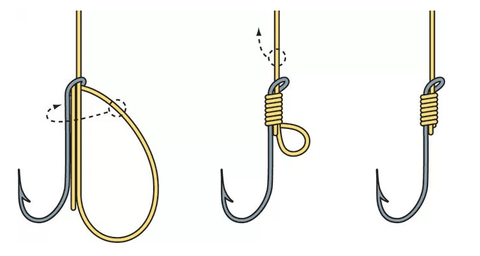
Are you tired of losing fish because your hook slips off? Knowing how to tie a hook on a fishing line the right way can make all the difference between a missed catch and a successful fishing trip.
It’s easier than you think, and once you learn the simple steps, you’ll feel confident every time you cast your line. Keep reading to discover a foolproof method that will keep your hook secure and help you catch more fish.
Choosing The Right Hook And Line
Fishing success starts with the right hook and line. Choosing them carefully improves your chances to catch fish.
Different hooks and lines suit different fish and water conditions. Learn about the types and how to match them.
Types Of Fishing Hooks
Hooks come in many shapes and sizes. Each type works better for certain fish and fishing styles.
- J-Hooks: Common and versatile, good for most fishing situations.
- Circle Hooks: Designed to reduce fish injury, popular in catch-and-release fishing.
- Trebles: Three hooks joined together, often used for lures.
- Siwash Hooks: Single hooks often used with spinners and spoons.
- Octopus Hooks: Small and curved, ideal for bait fishing.
Selecting The Proper Fishing Line
Choose a fishing line that matches your fishing style and target fish. Lines vary in strength and stretch.
- Monofilament: Stretchy and easy to handle, good for beginners.
- Fluorocarbon: Nearly invisible underwater, sinks faster.
- Braid: Very strong and thin, offers no stretch.
- Wire Line: Used for heavy fish and deep water fishing.
Matching Hook And Line Strength
| Hook Size | Fish Type | Line Strength (lb test) |
|---|---|---|
| Small (10-14) | Panfish, Trout | 2-6 |
| Medium (6-8) | Bass, Walleye | 6-12 |
| Large (2-4) | Catfish, Pike | 12-20 |
| Extra Large (1/0 and up) | Salmon, Saltwater Species | 20-50+ |
Matching hook size and line strength helps avoid breakage. Use stronger line with bigger hooks for large fish.
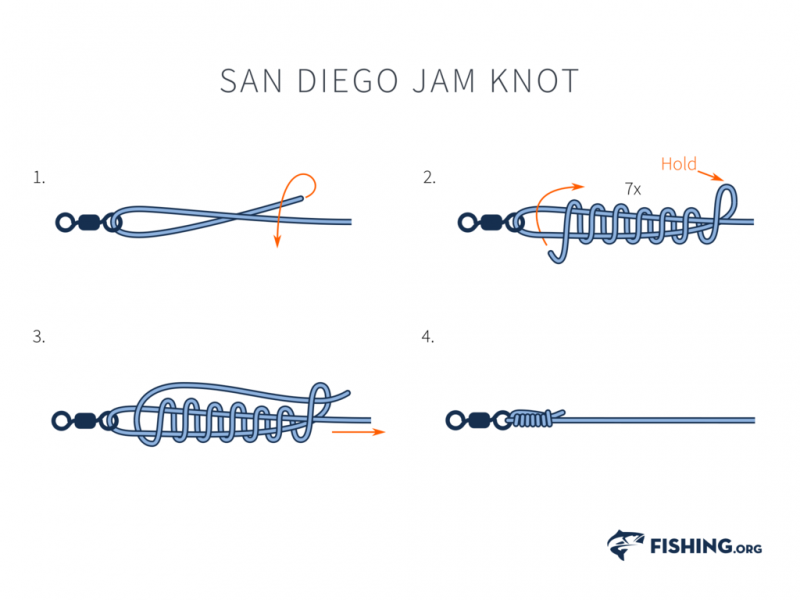
Credit: www.evoprecision.com
Essential Knot Types For Hooks
Tying a hook securely to your fishing line is very important. The right knot keeps your hook tight and helps catch fish.
There are many knots you can use. Here are three popular and reliable knots to try.
Improved Clinch Knot
The Improved Clinch Knot is simple and strong. It works well with most hooks and lines.
- Thread the line through the hook eye.
- Wrap the tag end around the standing line five times.
- Pass the tag end through the small loop near the eye.
- Then pass it through the big loop you just made.
- Pull tight and trim the excess line.
Palomar Knot
The Palomar Knot is very strong and easy to tie. It works well with braided and monofilament lines.
| Step | Action |
| 1 | Double about six inches of line and pass it through the hook eye. |
| 2 | Tie a loose overhand knot with the doubled line. |
| 3 | Pass the hook through the loop of the knot. |
| 4 | Pull the doubled line to tighten the knot around the hook. |
| 5 | Cut the tag end close to the knot. |
Uni Knot
The Uni Knot is very versatile. It can tie hooks, join lines, or attach lures easily.
How to tie a Uni Knot:
- Pass the line through the hook eye, then double back parallel to the standing line.
- Make a loop by laying the tag end over the doubled line.
- Wrap the tag end around the doubled line and through the loop five times.
- Moisten the knot and pull the tag end to tighten it down.
- Slide the knot to the hook eye and trim the excess line.
Step-by-step Knot Tying Techniques
Tying a hook on a fishing line is an important skill for fishing. A strong knot keeps the hook secure and helps catch fish.
This guide shows simple steps to tie a knot that holds well and lasts long.
Preparing The Line And Hook
Start with clean fishing line and a sharp hook. Check the line for any weak spots or damage.
Choose a hook size that fits your fishing needs. Make sure the hook eye is clear and not bent.
- Cut a fresh piece of line about 12 inches long
- Wet the line with water or saliva to reduce friction
- Hold the hook by the eye for easy tying
Tying The Knot Securely
Pass the line through the hook eye twice to form a loop. This step helps the knot hold tight.
Wrap the loose end of the line around the main line five to seven times. Then, pass the tag end back through the loop near the hook eye.
- Thread line through hook eye twice
- Make 5-7 turns around main line
- Pass tag end through the loop by the eye
- Pull tag end and main line slowly to tighten
Testing Knot Strength
After tightening the knot, pull the line hard to check its strength. The knot should not slip or come loose.
If the knot slips, cut it off and tie again. A strong knot keeps your hook safe during fishing.
- Pull line firmly to test knot
- Look for any slipping or loosening
- Retie if knot feels weak
- Trim excess tag end close to knot

Credit: www.wikihow.com
Common Mistakes To Avoid
Tying a hook on a fishing line looks easy but many make simple errors. These mistakes can cost you fish and damage your gear.
Knowing what to avoid helps you tie better knots. This guide explains common problems and how to fix them.
Loose Knots
Loose knots slip and come undone when you catch a fish. They reduce the strength of your line and hook connection.
Not pulling the knot tight enough or leaving extra slack causes loose knots. Always pull firmly but gently to secure it.
- Check knot tightness after tying
- Wet the line before tightening to reduce friction
- Trim excess tag end close to the knot
Overly Tightened Knots
Tightening knots too much can damage the fishing line. The line may weaken or even break under pressure.
Apply firm pressure but stop when the knot feels secure. Over-tightening crushes the line and lowers its strength.
- Use steady, moderate force when pulling knots
- Avoid sudden jerks while tightening
- Inspect the line for damage after knotting
Improper Line Positioning
Placing the line incorrectly when tying leads to weak knots. The line may overlap or twist wrong, causing failure.
Make sure the line runs straight and smooth through the knot. Avoid crossing or tangling the line during tying.
- Keep the line aligned with the hook eye
- Hold the line steady while making loops
- Check knot symmetry before tightening
Tips For Maintaining Knot Reliability
Tying a hook on a fishing line is easy, but keeping the knot strong is key. A reliable knot helps catch fish without losing them.
Use simple tips to check and keep your knot secure. This makes fishing more fun and less frustrating.
Regular Knot Inspection
Look at your knots often, especially before casting. Check for any signs of wear or damage in the line.
Small cracks or frays can make the knot weak. Fix or retie knots if you see any problems.
- Check knots before each fishing trip
- Look for frays or loose strands
- Retie knots that look worn
Retying After Heavy Use
After catching many fish or using the same knot for a long time, retie it. Heavy use can weaken the knot even if it looks fine.
Retying helps avoid unexpected breaks. Use fresh line if the old one feels rough or stiff.
- Retying keeps knots strong
- Use fresh line if needed
- Don’t wait for the knot to break
Using Knot Lubricants
Apply water or saliva to the knot before tightening. This reduces friction and stops the line from burning or weakening.
Lubricants help the knot tighten smoothly and stay secure. Avoid dry knots as they can slip or break easily.
- Wet the knot before pulling tight
- Use water or saliva as lubricant
- Helps prevent line damage

Credit: n1outdoors.com
Advanced Knot Techniques
Tying the right knot improves your fishing success. Advanced knots hold better and present bait naturally.
This guide covers two strong knots to tie hooks on a fishing line. Each knot suits different fishing needs.
Snell Knot For Better Hook Presentation
The Snell knot keeps the hook straight with the line. It improves bait presentation and increases hook strength.
- Thread the line through the hook eye, leaving a long tag end.
- Wrap the tag end around the shank of the hook and main line 5 to 7 times.
- Pass the tag end back through the loop near the hook eye.
- Pull the tag end tight while holding the main line steady.
- Trim any excess line from the tag end.
Loop Knot For Natural Bait Movement
The Loop knot gives bait freedom to move naturally. It creates a small loop that lets the hook swing.
| Loop Knot Type | Best Use | Benefits |
|---|---|---|
| Non-Slip Loop | Live bait fishing | Strong hold with free bait movement |
| Rapala Knot | Lure fishing | Allows lure to move freely in water |
Frequently Asked Questions
How Do I Tie A Hook On A Fishing Line Securely?
To tie a hook securely, use the improved clinch knot. Thread the line through the hook eye, twist five times, pass the end through the loop, and tighten. This knot holds strong and is easy to tie for all fishing levels.
What Is The Best Knot For Fishing Hooks?
The improved clinch knot is the best choice. It’s simple, reliable, and works well with most fishing lines. It ensures a tight grip on the hook, preventing slippage during casting or when reeling in fish.
How Much Fishing Line Should I Use When Tying A Hook?
Use about 6 inches of fishing line to tie the knot. This length allows enough line for twisting and securing the knot firmly. Avoid using too little line, as it can cause the knot to slip or come undone.
Can I Tie A Fishing Hook Without Special Tools?
Yes, you don’t need special tools. Use your fingers to hold and twist the line around the hook eye. Wet the line slightly before tightening to reduce friction and ensure the knot tightens smoothly and securely.
Conclusion
Learning to tie a hook is essential for fishing success. It ensures your bait stays secure and attracts fish. Practice different knots to find what works best for you. Don’t rush; patience is key in fishing. With time, tying hooks becomes second nature.
Remember, a well-tied hook improves your fishing experience. Enjoy the peace and relaxation fishing brings. Share your new skill with friends and family. Happy fishing!