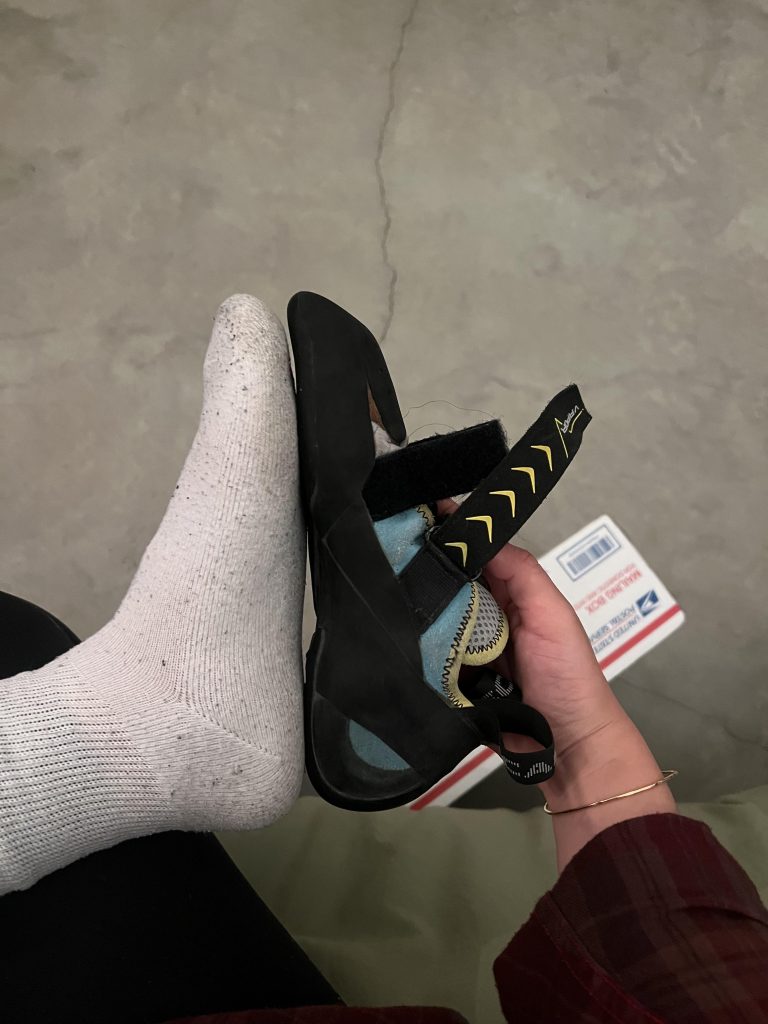
Are you struggling to find the perfect fit for your climbing shoes? You’re not alone.
Knowing how tight your climbing shoes should be can make a huge difference in your comfort, performance, and even your safety on the wall. Too loose, and you lose control; too tight, and your feet hurt. Finding that sweet spot is key, and this article will guide you step-by-step to get it just right.
Keep reading to unlock the secret to climbing shoes that feel like a second skin—so you can climb better, longer, and with confidence.

Credit: www.reddit.com
Importance Of Shoe Fit
Climbing shoes need to fit well for the best experience. The right fit helps you climb safely and comfortably.
Shoes that are too loose or too tight can cause problems. Finding the right fit is key to good climbing.
Impact On Climbing Performance
Tight shoes give better control on small holds. They help your feet feel the rock better.
Shoes that fit well improve your balance and power. Loose shoes reduce precision and make climbing harder.
- Tight shoes increase foot sensitivity
- Proper fit improves edging and smearing
- Loose shoes reduce grip and control
- Comfort affects how long you can climb
Injury Prevention
Shoes that are too tight can cause pain and damage. They may lead to blisters, bruises, or nerve problems.
Shoes that are too loose can cause your foot to slip. This increases the risk of falls and foot injuries.
- Too tight shoes can harm toes and skin
- Too loose shoes reduce foot support
- Good fit helps avoid foot injuries
- Proper shoes protect your feet during climbs
Signs Of A Proper Fit
Choosing the right climbing shoes is important for comfort and performance. The fit impacts your climbing experience, so understanding the signs of a proper fit is crucial.
Finding the perfect fit involves checking toe position, heel lock, and arch support. Let’s explore these signs to ensure your climbing shoes fit well.
Toe Position And Comfort
Your toes should be slightly curled in the shoe. This helps with grip and control. The fit should be snug, but not painful.
- Toes slightly curled for better grip
- No sharp pain or discomfort
- Snug fit without squeezing
Heel Lock And Security
A secure heel lock is essential for climbing. The shoe should hold your heel without slipping. This prevents blisters and improves stability.
Check for these signs of a proper heel fit:
- Heel stays in place while climbing
- No slipping or rubbing
- Comfortable lock around the heel
Arch Support And Pressure Points
Proper arch support is key to comfort. The shoe should hug your arch without causing pain. Be aware of pressure points that might cause discomfort.
| Feature | Importance |
| Arch Support | Provides comfort and balance |
| Pressure Points | Avoids pain and blisters |
Balancing Tightness And Comfort
Climbing shoes need to be tight to give good support. They should help you grip holds well. But tight shoes can cause pain if they are too tight.
Finding the right balance between tightness and comfort is key. Shoes that fit well improve your climbing without hurting your feet.
Avoiding Excessive Pain
Shoes that are too tight cause sharp pain and discomfort. Pain can distract you and reduce climbing performance. Your toes should feel snug but not crushed.
If your feet hurt a lot, the shoes are too tight. Try shoes that fit close without causing strong pain. This helps you climb longer and better.
Allowing Blood Flow
Good climbing shoes allow blood to flow to your toes. Tight shoes block blood flow and make feet numb. Numbness can lead to injury and poor control.
You should feel a firm fit with some pressure but no pins and needles. Check your toes often to make sure they stay warm and healthy.
Types Of Climbing Shoes And Fit Variations
Climbing shoes come in different types to fit various climbing styles. The fit of the shoe affects comfort and performance.
Choosing the right fit depends on the shoe type and how tight you want them. This guide explains aggressive, neutral, and moderate shoes.
Aggressive Shoes
Aggressive climbing shoes have a pointed toe and a downturned shape. They focus power on the toes for steep climbs.
These shoes fit very tight to keep your foot in place. They should feel snug but not cause pain or numbness.
- Best for bouldering and sport climbing
- Tight fit enhances precision on small holds
- Not ideal for long climbs due to discomfort
Neutral Shoes
Neutral shoes have a relaxed shape and flat sole. They offer comfort for long climbs and all-day wear.
These shoes fit more like regular shoes. They should be snug but leave some space for toes to move.
- Good for beginners and trad climbing
- Comfortable for long periods
- Less precise on small holds
Moderate Shoes
Moderate climbing shoes have a slight curve and moderate toe shape. They balance comfort and performance.
Fit is tighter than neutral shoes but not as tight as aggressive ones. They provide good all-around use.
- Suitable for sport climbing and indoor gyms
- Offers better precision with more comfort
- Good choice for climbers who want balance
Breaking In New Shoes
Climbing shoes should fit tight but not cause pain. New shoes often feel stiff and uncomfortable.
Breaking in helps the shoes fit your feet better. It makes climbing easier and more comfortable.
Stretching Techniques
You can stretch new shoes to reduce tight spots. Stretching helps the shoe shape match your foot.
Use safe methods to avoid damaging your shoes. Stretch areas that feel too tight for comfort.
- Wear shoes around the house for short times.
- Use a shoe stretcher tool to widen tight spots.
- Apply a damp cloth to stretch leather gently.
- Put on thick socks with shoes to stretch slightly.
- Push on tight areas with your hands carefully.
Expected Changes Over Time
New climbing shoes will loosen a bit after use. They mold to your feet and become more flexible.
Expect the shoes to feel less tight but still snug. Shoes that are too loose can reduce climbing performance.
- Leather shoes stretch about half a size after break-in.
- Synthetic shoes stretch less but soften with wear.
- Regular use speeds up the break-in process.
- Proper fit at the start helps avoid foot pain later.

Credit: www.reddit.com
Tips For Trying On Climbing Shoes
Choosing the right climbing shoe fit is key for comfort and performance. Shoes that are too loose or too tight can cause problems on the wall.
Testing shoes properly helps you find the best fit. Try them on with care and pay attention to how they feel during movement.
Testing With Climbing Movements
Put the shoes on and mimic common climbing moves. Press your toes on edges, stand on small holds, and try smearing. This shows how the shoe supports your foot.
- Check if your toes feel snug but not painfully curled.
- Make sure the heel fits tightly without slipping.
- Test edging on small surfaces to feel the shoe’s grip.
- Try smearing to see if the shoe holds well on flat surfaces.
- Move your foot inside the shoe to check for pressure points.
Timing And Environment
| Factor | Advice |
| Time of Day | Try shoes when your feet are warm to get a realistic fit. |
| Duration | Wear shoes for at least 15 minutes to notice any discomfort. |
| Location | Test shoes in a climbing gym or on real rock if possible. |
| Socks | Use the same sock type you plan to wear climbing. |
When To Replace Climbing Shoes
Climbing shoes should fit tight for better control on holds. Over time, shoes stretch and wear out. Knowing when to replace them keeps your climbs safe and comfortable.
Replacing shoes at the right time helps maintain good foot support. Worn-out shoes can cause slips or pain during climbs.
Signs Of Wear Affecting Fit
Shoes lose their snug fit as the material wears down. Look for holes, loose areas, or stretched parts. These changes reduce how well shoes hold your feet.
- Holes or tears in the fabric or leather
- Stretched or loose uppers that no longer grip
- Worn-out heel or toe areas
- Soles separating from the shoe body
Performance Decline Indicators
Old shoes reduce your climbing ability. Pay attention to slipping, less sensitivity, or poor edging. These signs show shoes need replacement.
- Feet slipping inside the shoe during moves
- Less feel of the rock through the sole
- Reduced ability to stand on small edges
- Increased discomfort or pain after climbing

Credit: www.reddit.com
Frequently Asked Questions
How Tight Should Climbing Shoes Fit?
Climbing shoes should fit snugly without causing pain. They must hold your foot securely to improve precision and support. Avoid overly tight shoes to prevent discomfort and injury. A proper fit balances comfort with performance.
Can Too Tight Climbing Shoes Harm Your Feet?
Yes, overly tight shoes can cause blisters, numbness, and long-term foot damage. Tight shoes reduce blood flow and increase pressure on toes. Always prioritize fit over extreme tightness to protect your foot health.
How Do Climbing Shoe Fit Affect Performance?
A well-fitted shoe enhances grip, balance, and control on climbs. Tight shoes improve sensitivity but should not sacrifice comfort. Proper fit allows better foot placement and reduces fatigue during climbing.
Should Climbing Shoes Stretch After Wearing?
Most climbing shoes stretch slightly with use, especially leather models. Synthetic shoes stretch less. Expect a modest stretch, so buy shoes that feel snug but not painfully tight initially.
Conclusion
Finding the right fit for climbing shoes matters a lot. Shoes should feel snug but not cause pain. Too tight shoes can hurt your feet and cause blisters. Too loose shoes make climbing harder and less safe. Aim for comfort and good grip while climbing.
Try on different sizes before buying. Remember, your feet need to breathe and move a bit. Properly fitted shoes help you climb better and longer. Keep checking your shoe fit as your feet may change. Comfort and performance go hand in hand.
Choose wisely for a better climbing experience.