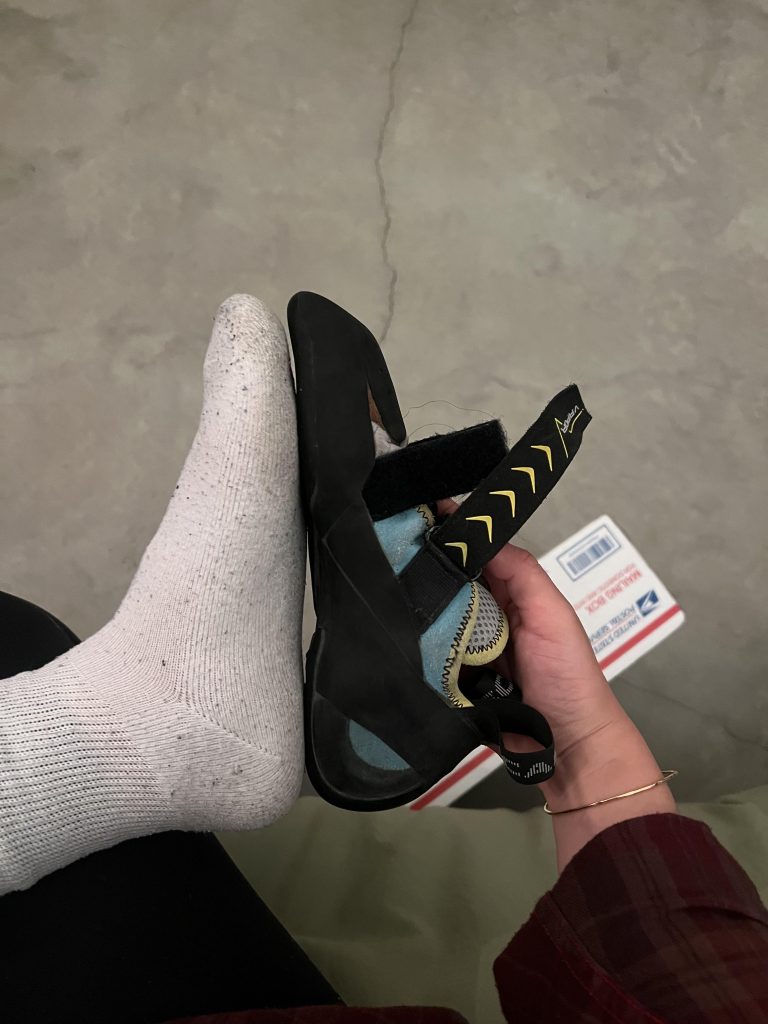
Are you wondering how tight your climbing shoes should be? Getting the right fit can make all the difference between slipping off the wall or climbing with confidence.
If your shoes are too loose, you’ll lose grip and control. But if they’re too tight, your feet will hurt, and you won’t last long on tough routes. Finding that perfect balance isn’t always easy, but it’s key to improving your climbing performance and comfort.
Keep reading to discover simple tips that will help you choose the ideal fit for your climbing shoes—so you can climb stronger, longer, and pain-free.

Credit: www.reddit.com
Why Fit Matters
The fit of your climbing shoes affects how well you climb. Shoes that are too loose or too tight can cause problems.
Finding the right tightness helps you climb with comfort and control.
Impact On Performance
Tight shoes help your feet feel the rock better. This gives you more control and precision.
Shoes that fit well let you push harder without slipping. Loose shoes reduce your ability to climb difficult routes.
- Good fit improves balance and foot placement
- Proper tightness increases sensitivity on holds
- Too tight shoes can reduce blood flow and cause pain
- Too loose shoes can cause slipping and poor control
Preventing Injuries
Shoes that fit too tight can cause blisters and nerve pain. They can also damage toenails and skin.
Loose shoes can cause your foot to slide and twist. This increases the risk of sprains and strains.
- Proper fit reduces risk of blisters and cuts
- Good tightness prevents foot movement inside the shoe
- Correct fit protects toes from injury
- Wearing the right size helps avoid long-term foot problems
Signs Of A Tight Fit
Climbing shoes should be snug but not painful. It’s important to recognize signs that shoes are too tight.
Identifying these signs can prevent discomfort and potential foot issues. Let’s explore the key indicators.
Heel And Toe Pressure
Pressure on the heel and toes is common in climbing shoes. A tight fit can cause excessive pressure.
Too much pressure may lead to blisters or bruises. It can also affect your climbing performance.
- Heel pain signals an overly tight fit
- Toe squeezing can cause numbness
- Check for redness after wearing
Comfort Vs. Pain
It’s vital to distinguish between comfort and pain in climbing shoes. Comfort allows for longer climbing sessions.
Pain indicates the shoes are too tight. Shoes should be snug but not hurt your feet.
| Comfort | Pain |
| Snug fit without pressure | Sharp pain or pinching |
| Allows normal blood flow | Causes numbness or tingling |
Shoe Types And Fit Differences
Climbing shoes come in different shapes and fits. Knowing these helps you choose the right tightness.
The right fit depends on the shoe type and how it feels on your foot. This guide explains key differences.
Aggressive Vs. Neutral Shoes
Aggressive shoes have a pointed shape. They fit very tight to help you climb steep walls.
Neutral shoes are more relaxed and comfortable. They suit long climbs and beginners better.
- Aggressive shoes:Tight fit, curved toe, less room for toes
- Neutral shoes:Roomier fit, flat shape, more comfort
- Tightness in aggressive shoes helps with precision
- Neutral shoes allow some space to avoid pain
Material Stretch Over Time
Materials in climbing shoes stretch after use. Leather stretches more than synthetic materials.
Expect your shoes to loosen a little after a few climbs. Plan the initial fit with this in mind.
- Leather shoes stretch up to one full size
- Synthetic shoes stretch less than leather
- Tight fit at first is normal for leather shoes
- Shoes should feel snug but not painful when new
Measuring Your Feet Correctly
Getting the right fit for climbing shoes starts with measuring your feet properly. This helps you find shoes that feel snug but not painful.
Measure your feet at the end of the day when they are largest. Use a ruler or tape measure for accuracy.
Length And Width Tips
Measure the length from your heel to the tip of your longest toe. Measure the width at the widest part of your foot.
- Stand on a piece of paper and trace your foot.
- Mark the heel and longest toe points for length.
- Mark the widest points across the ball of your foot for width.
- Use a ruler to measure these marks in centimeters or inches.
- Compare your measurements to the shoe size chart.
Foot Shape Considerations
Feet come in many shapes. Knowing your foot shape helps pick climbing shoes that fit well and feel comfortable.
| Foot Shape | Description | Tip for Shoe Fit |
| Wide | Broad across the ball of foot | Look for wider shoe models or stretchable materials |
| Narrow | Thin and slim foot profile | Choose narrow or low-volume shoes |
| High Arch | Raised middle part of the foot | Try shoes with good arch support or customizable insoles |
| Flat Foot | Low arch, foot lies flat | Pick shoes with firm midsoles for support |
Trying Shoes On Effectively
Climbing shoes need to fit well for safety and comfort. Trying them on properly helps you find the right fit.
A good fit means the shoes feel snug but not painful. Learning how to try them on can save time and money.
Testing Fit In Store
Test climbing shoes in the store before buying. Walk around and stand on toes to check pressure points.
Make sure your toes are slightly curled but not crushed. Shoes should feel tight, not cause sharp pain.
- Wear the shoes for at least 10 minutes
- Try climbing motions like edging or smearing
- Check for any rubbing or pinching spots
Using Socks Or Barefoot
Decide if you want to wear socks or go barefoot in your climbing shoes. This affects the fit.
Most climbers try shoes barefoot for a tighter fit. Thin socks can add comfort but change the size needed.
- Try shoes barefoot if you plan to climb without socks
- Wear the same socks you will use during climbing
- Check if shoes still feel snug with socks on
Common Fit Mistakes
Climbing shoes need to fit well for safety and performance. Many climbers make common fit mistakes.
Wearing shoes that are too loose or too tight can cause problems. Ignoring pain or discomfort also harms your climb.
Too Loose Or Too Tight
Shoes that are too loose can slip off or reduce control. Too tight shoes cause pain and reduce blood flow.
Both issues affect your climbing and can cause injuries. Find a balance that feels snug but not painful.
- Loose shoes make your foot slide inside
- Tight shoes can cause numbness or cramps
- Proper fit holds your foot firmly without pain
Ignoring Discomfort
Climbing shoes will feel tight at first, but pain is a warning. Do not ignore discomfort or try to break in shoes by hurting your feet.
Ignoring pain can cause blisters, bruises, or long-term foot problems. Always listen to your body and adjust your shoe size if needed.
- Discomfort is a sign of poor fit
- Pain can lead to injury or poor performance
- Choose shoes that fit well from the start
Adjusting To Your Climbing Style
Climbing shoes should fit well to match your climbing style. The right fit helps you climb better and stay comfortable.
This guide looks at how shoe tightness changes for different types of climbing. You will learn how to adjust your shoes for your needs.
Bouldering Vs. Sport Climbing
Bouldering needs quick, powerful moves on short routes. Sport climbing involves longer routes and more endurance. These differences affect shoe tightness.
- Bouldering:Shoes should be tight to give precise foot placement and better control.
- Sport Climbing:Shoes can be slightly less tight for comfort on longer climbs.
- Toe Box:Bouldering shoes often have a downturned toe for power, needing a snug fit.
- Flexibility:Sport climbing shoes may be more flexible to reduce foot fatigue.
Long Sessions And Fit
Long climbing sessions require shoes that balance fit and comfort. Wearing very tight shoes for hours can cause pain and reduce performance.
| Session Length | Recommended Fit | Reason |
| Short (under 1 hour) | Very tight | Maximize precision and control |
| Medium (1-3 hours) | Snug but comfortable | Balance performance and comfort |
| Long (3+ hours) | Comfort fit | Prevent foot pain and fatigue |

Credit: www.reddit.com
Breaking In New Shoes
Climbing shoes should fit snugly but not cause pain. New shoes often feel tight at first. Breaking them in helps improve comfort.
This process lets the material soften and shape to your foot. Proper fit boosts climbing performance and prevents injury.
Techniques To Soften Fit
There are several ways to make climbing shoes more comfortable faster. These techniques reduce pressure points and stiffness.
- Wear the shoes at home for short periods to stretch the material gently.
- Use a shoe stretcher or insert to expand tight areas slightly.
- Apply heat carefully with a hairdryer while flexing the shoe to soften synthetic uppers.
- Wear thick socks inside the shoes to stretch them without hurting your feet.
- Use rubbing alcohol or leather conditioner on leather shoes to make them more flexible.
When To Replace Shoes
Climbing shoes lose grip and support over time. Replacing them ensures safety and better climbing.
| Signs of Shoe Wear | What to Do |
| Worn out sole or holes | Get new shoes or resole if possible |
| Loss of tight fit after multiple uses | Consider replacing for better control |
| Uncomfortable pressure points that won’t improve | Look for a different size or model |
| Stretched or damaged upper material | Replace to avoid foot injuries |

Credit: www.reddit.com
Frequently Asked Questions
How Tight Should Climbing Shoes Fit For Beginners?
Climbing shoes should fit snugly without causing pain. Beginners need a close fit for control but enough comfort to avoid numbness or blisters. Proper fit improves performance and safety while preventing foot injuries during climbs.
Can Overly Tight Climbing Shoes Cause Foot Problems?
Yes, overly tight climbing shoes can cause pain, numbness, and blisters. Long-term use may lead to foot deformities or circulation issues. It’s important to balance tightness and comfort for healthy climbing practices.
How Do I Know If My Climbing Shoes Are Too Loose?
If your shoes slip off or your foot slides inside, they are too loose. Loose shoes reduce precision and grip, causing poor climbing performance. A snug fit ensures better control and safety on various climbing surfaces.
Should Climbing Shoes Stretch After Buying?
Most climbing shoes stretch slightly, especially leather types. Expect about a half size stretch after a few wears. Synthetic shoes stretch less, so choose a fit accordingly to avoid discomfort or looseness.
Conclusion
Finding the right tightness for climbing shoes matters a lot. Shoes should fit snugly but not hurt your feet. Too loose, and you lose control. Too tight, and your feet will ache fast. Test your shoes by standing and climbing a bit.
Comfort and performance must balance well. Remember, your feet need some space to breathe. Keep trying different fits until you feel confident. Good shoe fit helps you climb better and stay safe. Choose carefully, and enjoy every climb with ease.