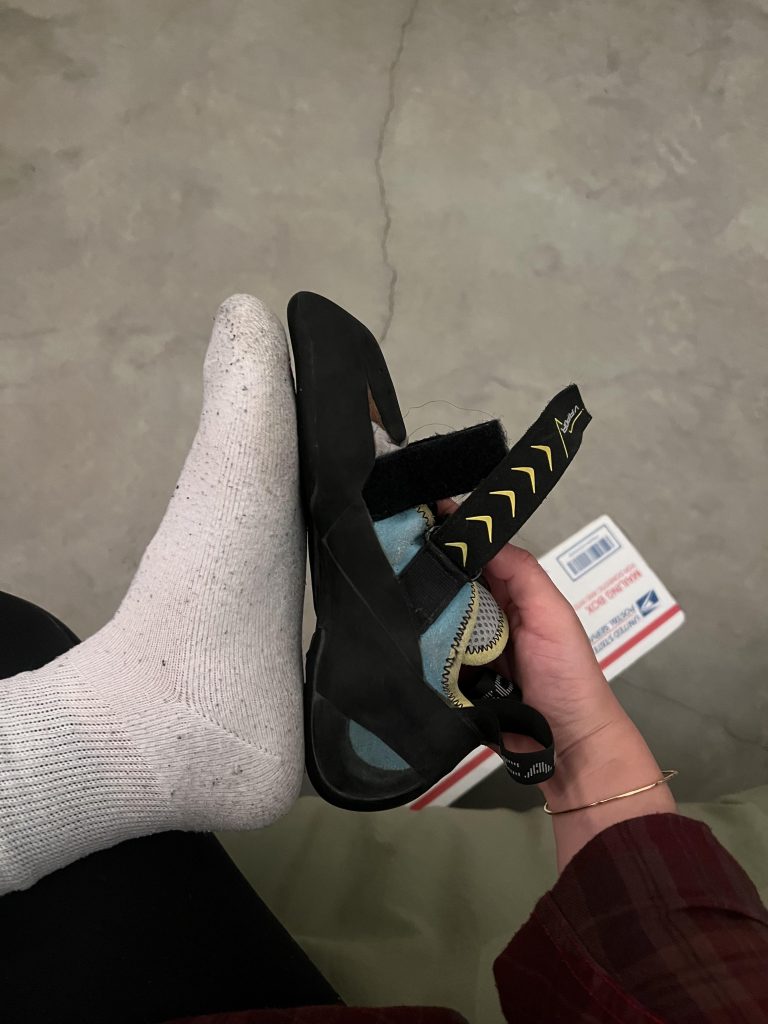
Are you struggling to find the perfect fit for your climbing shoes? You might be asking yourself, “How tight should my climbing shoes be?” Getting the right fit is more than just comfort—it can make a huge difference in your climbing performance and safety.
Too loose, and you lose control; too tight, and your feet suffer. You’ll discover exactly how to find that sweet spot where your shoes support you without causing pain. Keep reading to learn the simple steps that can boost your climbing experience like never before.

Credit: www.reddit.com
Why Fit Matters
Choosing the right fit for climbing shoes is very important. Shoes that fit well help you climb better and stay safe.
If your shoes are too loose or too tight, they can cause problems. Good fit supports your feet and improves your climbing experience.
Impact On Performance
Tight climbing shoes give better control and precision. They help you feel the rocks and edges under your feet.
- Better grip on small holds
- More power transfer from foot to rock
- Improved balance and stability
- Greater sensitivity to surface textures
But shoes that are too tight can cause pain and distract you. It is important to find a fit that is snug but not harmful.
Preventing Injuries
| Fit Issue | Possible Injury | How to Avoid |
|---|---|---|
| Shoes too tight | Toe cramps, blisters, nerve damage | Choose slightly snug fit, avoid extreme tightness |
| Shoes too loose | Foot slipping, instability, ankle strain | Ensure secure fit with no extra space |
| Wrong shape | Pressure points, calluses, foot pain | Pick shoes matching your foot shape |
Types Of Climbing Shoes
Climbing shoes come in different styles. Each style fits differently on your feet.
Choosing the right type helps you climb better and stay comfortable.
Neutral Fit Shoes
Neutral fit shoes are roomy and comfortable. They have a flat sole and little to no bend.
These shoes suit beginners and long climbing sessions. They do not squeeze your toes tightly.
Moderate Fit Shoes
Moderate fit shoes have a slight curve. They fit snug but are not painful.
- Good for all-around climbing
- Provide better grip than neutral shoes
- Comfortable for many hours
- Allow some toe movement
Aggressive Fit Shoes
Aggressive fit shoes have a strong curve and pointed toe. They fit very tight.
| Feature | Benefit |
| Downturned shape | Improves toe power on small holds |
| Tight fit | Reduces foot movement inside shoe |
| Stiff sole | Supports hard climbs and overhangs |
Signs Of A Proper Fit
Climbing shoes should fit snugly but not cause pain. A good fit helps you climb better and stay safe.
Knowing the signs of a proper fit can help you choose the right shoes for your feet.
Toe Box Fit
The toe box is where your toes sit inside the shoe. It should be tight but not squished.
Your toes should lie flat or slightly curled. Avoid dead space or painful pressure on your toes.
- Toes touch the shoe front but do not cramp
- No painful pressure points on toes
- Toes can move slightly but do not slide
Heel Fit
The heel should fit snugly with no gaps. A loose heel causes slipping and less control.
Your heel should feel locked in place but not hurt. Check for no air pockets or skin pinching.
- Heel stays in place when you walk or climb
- No heel slip or movement inside the shoe
- No discomfort or pinching on the heel
Arch Support
Good arch support helps your foot stay stable in the shoe. It prevents slipping and improves comfort.
The shoe should follow the shape of your foot’s arch. Too loose or too tight can cause pain.
- Shoe fits snugly around the arch area
- No gaps under the arch or tight pressure
- Foot feels supported during climbing moves
Common Fit Issues
Climbing shoes should fit snugly but not cause pain. Bad fit can affect your climbing and comfort.
Understanding common fit problems helps you pick the right shoes and avoid injuries.
Too Tight Problems
Shoes that are too tight can cause pain and harm your feet. Tight shoes often pinch toes and cut off circulation.
- Numbness or tingling in toes
- Red marks or blisters on skin
- Foot cramps and soreness
- Long-term foot deformities
- Reduced blood flow causing cold feet
Too Loose Problems
Shoes that are too loose reduce control and can cause slipping. Loose shoes make climbing harder and less safe.
| Issue | Effect |
| Heel slipping | Less power on heel hooks |
| Toe movement | Reduced precision on small holds |
| Blisters | Friction from shoe rubbing |
| Instability | Less confidence on tricky moves |
Breaking In Your Shoes
Climbing shoes need to fit tightly for better control. Breaking them in helps make them comfortable. This process takes time and care.
Properly breaking in your shoes avoids pain and improves your climbing experience. Use gentle methods to stretch and wear them gradually.
Stretching Techniques
Stretching your climbing shoes helps ease tight spots. Use these methods to shape the shoes carefully without damage.
- Wear thick socks and put on the shoes at home for short periods.
- Use a shoe stretcher to gently expand tight areas overnight.
- Apply warm water or a shoe stretching spray before wearing to soften the material.
- Stretch the shoes by gently pulling and bending the toe box with your hands.
Wear Time Tips
Gradually increase the time you wear your climbing shoes. This helps your feet adjust and reduces discomfort.
| Wear Time | Effect |
| 5-10 minutes | Initial fit check and light stretching |
| 30 minutes | Material starts to soften and shape |
| 1-2 hours | Feet adapt to tight fit with minor discomfort |
| 3+ hours | Comfort improves as shoes mold to feet |

Credit: www.reddit.com
Choosing The Right Size
Finding the right size climbing shoes is key to comfort and performance. Shoes that are too loose can cause slipping. Shoes that are too tight may hurt your feet.
Your climbing shoe size depends on how tight they feel on your feet. Learning how to measure and try different brands helps you pick the best fit.
Measuring Your Feet
Measure your feet to know your true size. Do this at the end of the day when your feet are largest.
Use a ruler or tape measure to check your foot length and width. Stand on a piece of paper and mark your longest toe and heel.
- Stand with full weight on your foot
- Mark the heel and longest toe
- Measure the distance between marks in centimeters or inches
- Note the width by measuring the widest part of your foot
Trying Different Brands
Climbing shoe sizes can vary between brands. Trying several brands helps you find the best fit for your foot shape.
Put on shoes and stand up. They should feel snug but not painful. Your toes should touch the front lightly without curling.
- Wear climbing socks or no socks to test fit
- Check if the shoe holds your heel firmly
- Move your foot inside to check for slipping
- Walk around to feel comfort and tightness
When To Replace Your Shoes
Climbing shoes need to fit tightly for good control. Over time, shoes wear out and lose their grip.
Knowing when to replace your shoes helps keep you safe and climbing well.
Signs Of Wear
Look for holes or tears in the shoe’s upper material. Check if the sole is worn thin or coming loose.
Worn down edges make it hard to hold small footholds. If the shoes have lost their shape, they may not fit well anymore.
- Holes or tears in fabric or leather
- Thin or peeling soles
- Edges worn smooth
- Loss of shoe shape or stiffness
Performance Decline
If your shoes slip off holds more often, it is a sign they are past their best. Reduced grip means less control and more risk of falling.
When you feel less sensitive on the rock or wall, your shoes may be too soft or stretched out. This lowers your climbing ability.
- Frequent slipping on footholds
- Less grip or traction
- Reduced sensitivity or fit
- Stretching that causes discomfort

Credit: www.reddit.com
Frequently Asked Questions
How Tight Should Climbing Shoes Fit?
Climbing shoes should fit snugly without causing pain. They should be tight enough to provide support and precision. However, they should not be so tight that they cause discomfort or restrict blood flow. A proper fit ensures better performance and control while climbing.
Can Tight Climbing Shoes Cause Pain?
Yes, overly tight climbing shoes can cause pain and discomfort. Shoes that are too tight may lead to blisters, bruising, or restricted blood circulation. It’s crucial to find a balance between a snug fit and comfort to avoid injuries and enhance climbing performance.
Should Toes Curl In Climbing Shoes?
A slight curl in the toes is normal in climbing shoes. This helps in maintaining grip and precision on holds. However, excessive curling can cause discomfort and hinder performance. Ensure your toes are slightly curled, but not cramped, for optimal balance and power.
Are Loose Climbing Shoes Bad?
Loose climbing shoes can hinder your performance. They lack the necessary support and precision required for climbing. Loose shoes can cause your feet to slip inside, reducing control on holds. It’s essential to have a snug fit for better performance and safety.
Conclusion
Finding the right fit for climbing shoes matters a lot. Shoes too tight cause pain and numbness. Shoes too loose reduce grip and control. Aim for snugness without hurting your feet. Remember, comfort helps you climb longer and better. Try different sizes and brands to find what fits best.
Your feet will thank you during every climb. Keep adjusting as your skill and needs change. Good climbing starts with good shoes.