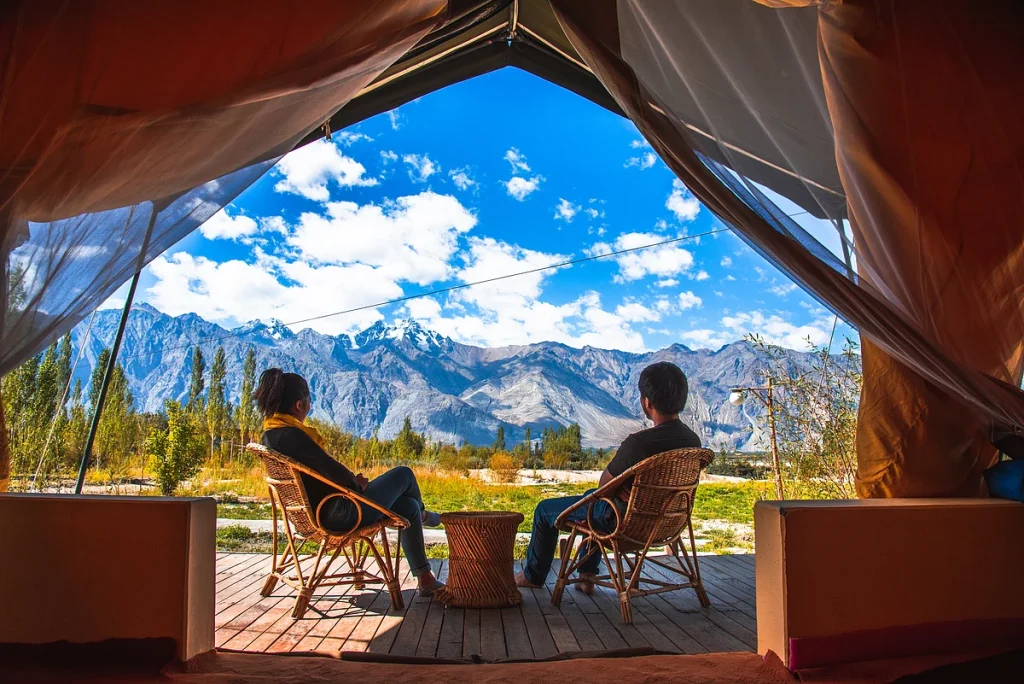
Are you planning to camp or trek at high altitudes? If so, knowing how to acclimatise in a high altitude tent can make all the difference to your comfort and safety.
High altitudes put extra stress on your body, and without proper adjustment, you risk altitude sickness, fatigue, and poor sleep. But don’t worry—this guide will show you simple, effective steps you can take inside your tent to help your body adapt smoothly.
Keep reading to discover how to protect yourself and enjoy your adventure to the fullest.
The Science Of High Altitude
High altitude means less oxygen in the air. This can make your body work harder to get enough oxygen.
Acclimatising helps your body adjust to lower oxygen levels. It reduces sickness and helps you stay safe.
How Oxygen Levels Change At High Altitude
Air pressure drops as you go higher. This means each breath has fewer oxygen molecules.
Your body feels this as less oxygen. It may cause shortness of breath and tiredness.
- Sea level has normal oxygen pressure
- At 8,000 feet, oxygen is about 25% less
- Above 10,000 feet, oxygen drops more sharply
How Your Body Adapts To Low Oxygen
Your body starts making more red blood cells. These cells carry oxygen to your organs.
Your breathing rate also increases. This helps bring more oxygen into your lungs.
- More red blood cells improve oxygen delivery
- Faster breathing brings in more air
- Heart pumps faster to move oxygen around
Why Acclimatisation In A Tent Helps
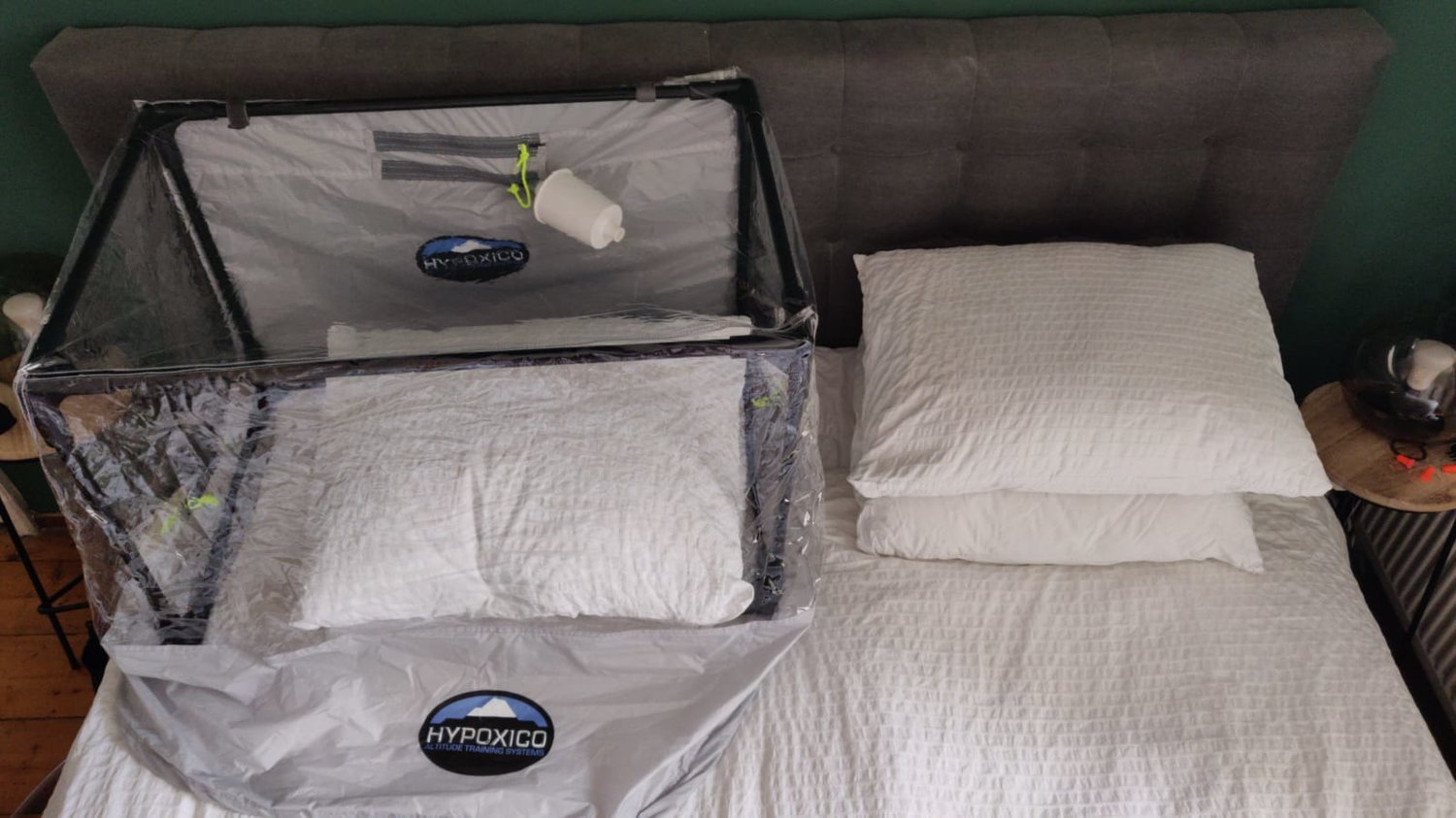
High altitude tents lower oxygen like real mountains. This lets your body adjust slowly at home.
You sleep and rest in the tent. Your body gets used to less oxygen without going outside.
- Simulates mountain oxygen levels indoors
- Supports gradual body adaptation
- Reduces risk of altitude sickness later
Signs Your Body Is Adjusting
You may feel more energetic after a few days. Breathing becomes easier at lower oxygen levels.
Some mild headaches or tiredness can happen at first. These usually go away as your body adapts.
- Improved sleep quality
- Less breathlessness
- Increased stamina and energy
Preparing For High Altitude
High altitude affects the body in many ways. Preparing well helps you avoid sickness.
Both your body and mind need training before staying in a high altitude tent.
Physical Conditioning
Physical fitness improves your ability to handle low oxygen levels. It also reduces fatigue.
- Start aerobic exercises like running or cycling three times a week.
- Include strength training for legs and core muscles.
- Practice breathing exercises to increase lung capacity.
- Stay hydrated and eat a balanced diet to support training.
- Gradually increase exercise intensity over several weeks.
Mental Preparedness
Mental readiness helps you stay calm and focused in tough conditions. It lowers stress and improves decision-making.
| Technique | Benefit |
|---|---|
| Visualization | Prepares mind for challenges |
| Mindfulness | Reduces anxiety and improves focus |
| Positive Self-talk | Boosts confidence and motivation |
| Stress Management | Keeps emotions balanced |
Choosing The Right Tent
Choosing the right tent helps you stay safe and comfortable in high altitude. The tent must protect you from cold, wind, and snow.
Focus on tents made for cold, harsh weather. Look for strong materials and good design to handle the conditions.
Tent Material And Design
Strong materials keep the tent warm and dry. Look for tents made with ripstop nylon or polyester. These fabrics resist tears and hold up well.
The design should include a sturdy frame. Aluminum poles are light and strong. A dome or geodesic shape gives good wind resistance and stability.
- Ripstop nylon or polyester fabric
- Waterproof coating to stop rain and snow
- Strong, lightweight aluminum poles
- Dome or geodesic tent shape
- Extra guy lines for stability
Ventilation Considerations
Good ventilation stops moisture inside the tent. Moisture can freeze and make you cold. Look for tents with vents or mesh panels.
Vents help fresh air flow while keeping cold air out. Open vents during the day to reduce condensation. Close vents at night to keep warmth.
- Mesh windows for airflow
- Adjustable vents on top and sides
- Ability to close vents to keep heat
- Rainfly with ventilation options
Setting Up Your Tent
Setting up your tent properly helps you stay safe in high altitudes. A good setup keeps you warm and comfortable. It also protects you from strong winds and bad weather.
Choosing the right spot and securing your tent well are key steps. These steps help you avoid damage and keep your shelter stable through the night.
Optimal Location Selection
Pick a flat area to pitch your tent. Avoid places near cliffs or loose rocks. Look for natural windbreaks like bushes or boulders.
- Check the ground for sharp rocks or roots
- Find a spot away from water runoff paths
- Set up on durable surfaces like packed dirt or grass
- Keep distance from dead tree branches that could fall
Securing Against Weather Conditions
Strong winds and snow are common in high altitudes. Secure your tent tightly to avoid damage. Use all the guy lines and stakes that come with your tent.
| Action | Purpose |
| Drive stakes deep into the ground | Hold tent firmly in place |
| Tighten guy lines evenly | Prevent tent fabric from flapping |
| Use rocks to weigh down stakes if ground is soft | Increase stability |
| Cover tent with a footprint or tarp | Protect floor from moisture |
Adapting To Altitude
Spending time in a high altitude tent helps your body adjust to thinner air. This process is called acclimatisation. It reduces the risk of altitude sickness and improves your comfort.
Acclimatising takes time. You should move slowly and listen to your body’s signals. Proper care helps you enjoy your high altitude stay safely.
Recognizing Altitude Sickness
Altitude sickness happens when your body does not get enough oxygen. It can cause headaches, nausea, and tiredness. Knowing the signs early helps you act fast.
Watch for these common symptoms:
- Headache that does not go away
- Feeling dizzy or weak
- Nausea or vomiting
- Shortness of breath even at rest
- Difficulty sleeping
Hydration And Nutrition
Drinking enough water is very important at high altitude. Dehydration makes altitude sickness worse. Drink small amounts often to stay hydrated.
Eat balanced meals to keep your energy up. Focus on foods high in carbohydrates. These give your body the fuel it needs to adapt.
- Drink at least 3 liters of water daily
- Eat plenty of fruits and vegetables
- Include grains like rice or bread
- Avoid alcohol and caffeine
- Eat small meals more often
Sleeping In High Altitude
Sleeping at high altitude can be difficult. The air is thinner and colder. This affects your body and sleep patterns.
Proper acclimatisation helps you sleep better and stay healthy. Here are two important ways to adjust.
Sleep Cycle Adjustments
Your body needs time to adapt to less oxygen. You may wake up often or feel tired during the day. Try to follow these tips for better rest.
- Go to bed and wake up at the same time daily.
- Keep your sleeping area dark and quiet.
- Avoid caffeine and heavy meals before bed.
- Take short naps if you feel very tired.
- Try to relax with deep breathing exercises.
Maintaining Warmth
Cold temperatures make it hard to sleep well. Keeping warm is key to a good night’s rest. Use proper gear and clothing.
| Item | Tip |
| Sleeping Bag | Choose one rated for low temperatures. |
| Thermal Layers | Wear moisture-wicking base layers. |
| Hat and Gloves | Keep extremities covered to prevent heat loss. |
| Insulated Sleeping Pad | Place under your sleeping bag for extra warmth. |
Safety Measures
Acclimatising in a high altitude tent needs careful safety steps. The air is thin and cold, so your body must adjust slowly.
Knowing what to do in emergencies and how to stay connected helps keep everyone safe during the climb.
Emergency Protocols
Always have a clear plan for emergencies before you start. Know the signs of altitude sickness and how to respond fast.
Keep emergency supplies like oxygen, first aid kits, and communication devices close. Check them every day.
- Recognize symptoms: headache, dizziness, nausea
- Descend immediately if symptoms get worse
- Use oxygen masks if available
- Keep a buddy system to watch each other
- Know the closest rescue points
Communication Strategies
Good communication is key at high altitude. It helps avoid confusion and ensures quick help if needed.
Use radios or satellite phones to stay in touch with your team and base camp. Check devices often.
- Set regular check-in times
- Use simple, clear language
- Have backup communication tools
- Share your location with others
- Practice emergency signals before the climb
Credit: gearjunkie.com
Essential Gear And Equipment
Acclimatising in a high altitude tent requires the right gear. Good equipment helps your body adjust safely.
This guide covers important clothing, footwear, navigation, and survival tools needed for high altitude camping.
Clothing And Footwear
Wear layers to manage changing temperatures. Start with moisture-wicking base layers to keep dry.
Use insulated jackets and waterproof shells to protect from cold and wind. Choose sturdy boots for rough terrain.
- Base layer: wool or synthetic fabric
- Mid layer: fleece or down jacket
- Outer layer: waterproof and windproof jacket and pants
- Gloves, hats, and neck gaiters for extra warmth
- Sturdy, insulated hiking boots with good grip
- Wool or synthetic socks to keep feet dry
Navigation And Survival Tools
Bring reliable navigation tools to avoid getting lost. Maps and GPS devices help track your location.
Survival tools include items for emergencies. Carry a first aid kit, multi-tool, and fire starter.
- Topographic maps and compass
- GPS device with extra batteries
- First aid kit for injuries
- Multi-tool or knife for repairs
- Fire starter like matches or lighter
- Whistle to signal for help
- Headlamp or flashlight with spare batteries
Tips For Successful Acclimatization
Acclimatising to high altitude helps your body adjust to lower oxygen levels. It lowers risks of sickness.
Following simple steps can make your stay in a high altitude tent safer and more comfortable.
Gradual Ascent
Climb slowly to allow your body time to adapt. Avoid rising more than 300 to 500 meters each day above 2,500 meters.
- Spend extra nights at intermediate heights to help your body adjust.
- Move up during the day, then return to lower camp to sleep.
- Drink plenty of water to stay hydrated.
- Avoid alcohol and heavy exercise on the first days.
Rest And Recuperation
Rest is key to successful acclimatization. Sleep well and take breaks often.
| Activity | Recommended Time | Reason |
| Sleep | 8 hours per night | Allows body repair and adaptation |
| Rest breaks | Every 1-2 hours during ascent | Prevents overexertion |
| Light exercise | Short walks at base camp | Improves circulation without strain |

Credit: mountainaircardio.com
Credit: www.project5peaks.nl
Frequently Asked Questions
How Long Does Acclimatisation Take In A High Altitude Tent?
Acclimatisation in a high altitude tent usually takes 3 to 7 days. This period allows your body to adjust to lower oxygen levels safely. Gradual exposure helps prevent altitude sickness and improves your overall high-altitude performance. Patience during this phase is essential for a safe climb.
Can I Acclimatise Faster Using A High Altitude Tent?
Yes, a high altitude tent can speed up acclimatisation. It simulates high altitude conditions while you sleep. This controlled exposure helps your body adapt without ascending physically. However, combining tent use with gradual outdoor climbs is the safest approach.
What Are The Key Signs Of Proper Acclimatisation?
Signs of good acclimatisation include improved breathing, stable heart rate, and better sleep. You should feel less fatigued and avoid symptoms like headaches or nausea. Monitoring these signs helps ensure your body is adjusting well to high altitude conditions.
How Do I Prevent Altitude Sickness In A High Altitude Tent?
To prevent altitude sickness, ascend slowly and use the tent properly. Stay hydrated, avoid alcohol, and eat light meals. Listen to your body and descend if symptoms worsen. Proper acclimatisation inside the tent reduces risks of severe altitude-related illnesses.
Conclusion
Acclimatising in a high altitude tent takes time and patience. Stay hydrated and rest often. Listen to your body’s signals closely. Move slowly to avoid altitude sickness. Use your tent to protect from cold and wind. Keep warm clothes and enough food nearby.
Small steps help your body adjust better. With care, you can enjoy your high altitude adventure safely. Take it easy and enjoy the experience.