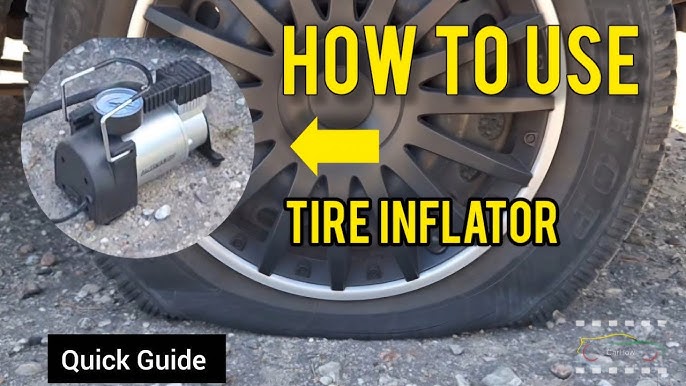
Have you ever noticed your car tire feeling a bit soft but weren’t sure how to fix it? Adding air to your car tire is easier than you think, and doing it right can save you from unexpected trouble on the road.
If your tire pressure is low, it affects your car’s safety, fuel efficiency, and tire lifespan. But don’t worry—this guide will walk you through simple steps to get your tires properly inflated. Keep reading, and you’ll learn exactly how to add air to your car tire quickly and confidently, so you can drive with peace of mind.
Credit: www.blackcircles.ca
Tools Needed
Adding air to a car tire is simple. You need a few basic tools to do it safely.
These tools help you check and add the right amount of air to your tires.
Tire Pressure Gauge
A tire pressure gauge measures the air pressure inside your tire. It shows if the tire has too little or too much air.
You can find digital or analog gauges. Both work well if you use them correctly.
- Check pressure before adding air
- Use gauge to avoid over or under inflation
- Keep gauge clean and store it safely
Air Compressor Or Pump
An air compressor or pump adds air to your tire. You can use a manual pump or an electric compressor.
Electric compressors are faster. Manual pumps work well if you do not have power nearby.
- Electric compressors plug into your car or home outlet
- Manual pumps need physical effort to inflate tires
- Choose a tool that fits your needs and budget
Valve Stem Cap
The valve stem cap covers the tire valve. It protects the valve from dirt and moisture.
Always replace the cap after adding air. It keeps the tire sealed and helps maintain air pressure.
- Check that the cap is not cracked or missing
- Screw the cap on tightly after inflating
- Keep extra caps in your car for replacements

Credit: www.youtube.com
Check Tire Pressure
Checking your car tire pressure helps keep your driving safe. It also improves fuel efficiency and tire life.
Low or high pressure can cause problems. Always check the pressure before adding air.
Locate Recommended Pressure
Find the recommended tire pressure for your car. Look inside the driver’s door or the owner’s manual.
The pressure is shown in PSI (pounds per square inch). Use this number to fill your tires correctly.
- Check the sticker on the driver’s side door frame
- Look in the glove box for the owner’s manual
- Do not use the number on the tire sidewall
Use The Pressure Gauge
Use a pressure gauge to measure your tire’s air pressure. Remove the valve cap first.
Press the gauge firmly on the valve stem to get a reading. Compare it to the recommended pressure.
- If the pressure is low, add air in small bursts
- Check the pressure often while filling
- Replace the valve cap after checking
Prepare The Tire
Before adding air to a car tire, it is important to prepare it properly. Preparing the tire helps ensure accurate pressure and prevents damage.
Start by checking the tire and valve components to get ready for inflation.
Remove Valve Cap
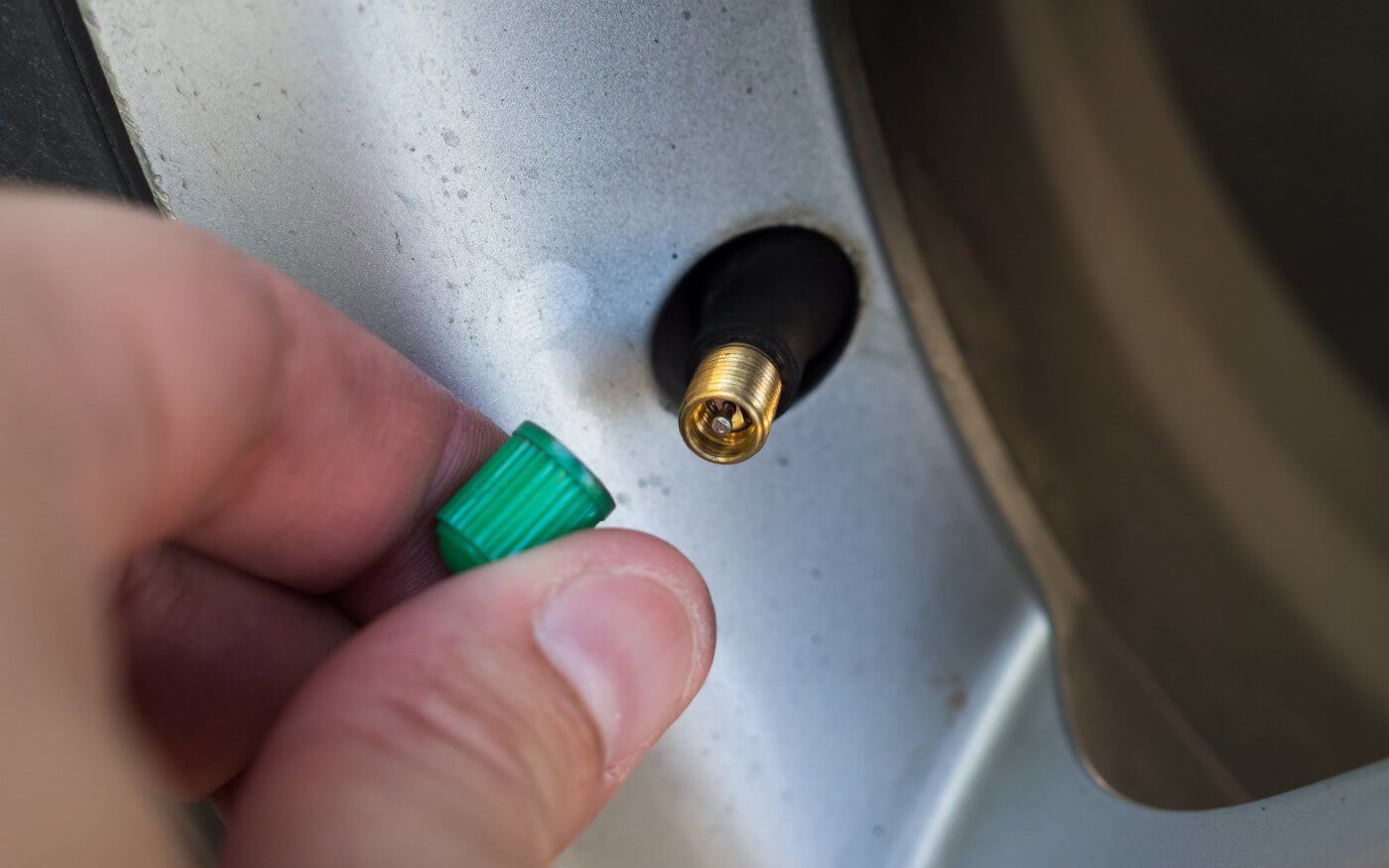
Locate the valve stem on the tire. Unscrew the small plastic or metal cap covering the valve.
Keep the valve cap in a safe place. You will need to put it back after adding air to protect the valve.
Inspect Valve Stem
Look closely at the valve stem for any signs of damage or dirt. A clean and intact valve stem helps keep air from leaking.
- Check for cracks or breaks in the valve stem
- Make sure no dirt or debris is inside the valve opening
- Confirm the valve core is not loose or missing
| Valve Condition | Action |
| Cracked or broken | Replace valve stem before inflating |
| Dirty or clogged | Clean with a soft cloth or brush |
| Valve core loose | Tighten carefully using a valve tool |
| Valve core missing | Install a new valve core |
Add Air To The Tire
Keeping your car tires at the right pressure helps your car run safely. Adding air to a tire is simple and quick.
You need to know how to attach the air hose and fill the tire to the correct pressure.
Attach Air Hose
First, remove the valve cap from the tire. Take the air hose nozzle and press it firmly on the valve stem.
Make sure the hose fits tightly to stop air from leaking. You may hear a slight hiss at first, but it should stop quickly.
Fill To Recommended Pressure
Check your car’s manual or the sticker inside the driver’s door for the right tire pressure. Use a tire pressure gauge to monitor the air.
Add air in short bursts and check the pressure often. Stop filling when the gauge shows the recommended number.
- Recommended pressure is usually between 30 and 35 PSI
- Do not overfill; too much air can be dangerous
- Replace the valve cap after filling
Recheck Tire Pressure
After adding air to your car tire, it is important to recheck the pressure. This ensures the tire is correctly inflated and safe to drive on.
Use a tire pressure gauge to measure the pressure. Check it against the recommended level for your vehicle.
Ensure Proper Inflation
Proper inflation helps the tire perform well and last longer. Underinflated tires can wear unevenly and reduce fuel efficiency.
- Find the recommended tire pressure on the driver’s door or owner’s manual.
- Use a reliable tire pressure gauge to check the pressure.
- Check all tires, including the spare if your car has one.
Adjust If Needed
If the pressure is too low, add more air and check again. If it is too high, release air slowly until it matches the recommended level.
| Pressure Status | Action |
|---|---|
| Too Low | Add air in small bursts and recheck with the gauge |
| Too High | Press the valve to release air carefully and recheck |
| Correct | Close the valve and replace the cap securely |
Replace Valve Cap
The valve cap protects the tire valve from dirt and moisture. It helps keep air inside the tire. Replacing a lost or damaged valve cap is simple and important.
Without a valve cap, dust and water can enter the valve. This may cause air leaks or valve damage. Follow these steps to replace your valve cap properly.
Check The Valve Stem
Look at the valve stem on your tire. Make sure it is clean and free of dirt. If there is any debris, wipe it off before putting the new cap on.
Choose The Right Valve Cap
Valve caps come in different types and sizes. Most cars use a standard cap that fits plastic or metal valve stems. Pick one that fits snugly on your valve stem.
- Plastic snap-on caps are lightweight and common.
- Metal screw-on caps offer extra protection.
- Some caps include a rubber seal for a tighter fit.
Install The New Valve Cap
Place the valve cap over the valve stem tip. Turn it clockwise gently until it is tight. Do not overtighten, as this can damage the valve.
| Step | Action | Tip |
| 1 | Clean valve stem | Use a dry cloth to remove dirt |
| 2 | Select correct cap | Match size and type to valve |
| 3 | Place cap on valve | Align and start screwing gently |
| 4 | Tighten cap | Stop when snug, avoid force |
Tips For Tire Maintenance
Keeping your car tires in good shape is important for safety and performance. Regular care helps your tires last longer and saves money.
This guide shows simple ways to maintain your tires and keep them properly inflated.
Check Pressure Regularly
Check your tire pressure at least once a month. Use a reliable tire gauge for accuracy. Proper pressure improves fuel efficiency and tire life.
- Check pressure when tires are cold
- Compare with the recommended pressure on the car label
- Adjust pressure if needed
- Inspect all tires, including the spare
Avoid Overinflation
Do not inflate tires beyond the recommended pressure. Overinflation can cause uneven wear and reduce traction.
| Risk | Effect |
| Overinflation | Less grip and harsher ride |
| Underinflation | More tire wear and poor fuel economy |
Inspect Tires For Damage
Look closely at your tires for cuts, cracks, or bulges. Damaged tires are unsafe and need repair or replacement.
- Deep cuts or punctures
- Cracks in sidewalls
- Bumps or bulges
- Uneven tread wear

Credit: www.oreillyauto.com
Frequently Asked Questions
How Do I Know When To Add Air To My Car Tire?
Check your tire pressure monthly using a gauge. Add air if pressure is below the recommended PSI. Low tire pressure affects fuel efficiency and safety. Refer to your vehicle manual for the correct PSI level.
What Is The Correct Tire Pressure For My Car?
The ideal tire pressure is listed on a sticker inside the driver’s door. It usually ranges between 30-35 PSI. Maintaining the correct pressure ensures better fuel economy and tire longevity. Avoid overinflating or underinflating your tires.
Can I Add Air To Tires Without A Compressor?
Yes, you can use a manual pump or visit gas stations. Most gas stations have air compressors with pressure gauges. Always check the pressure before and after adding air for accuracy.
How Long Does It Take To Add Air To A Car Tire?
Adding air usually takes 2 to 5 minutes per tire. It depends on the air source and tire size. Regular checks help prevent frequent low pressure issues, saving time.
Conclusion
Keeping your car tires properly inflated is essential for safety. It improves fuel efficiency and extends tire life. Regularly check tire pressure with a gauge. Add air if needed. It’s a simple task that anyone can do. Just follow the steps outlined earlier.
Proper tire maintenance ensures a smooth ride. It also reduces the risk of accidents. Don’t ignore low tire pressure. It only takes a few minutes to fix. Make it a habit. Your car, wallet, and safety will thank you. Stay alert, stay safe, and enjoy the journey.