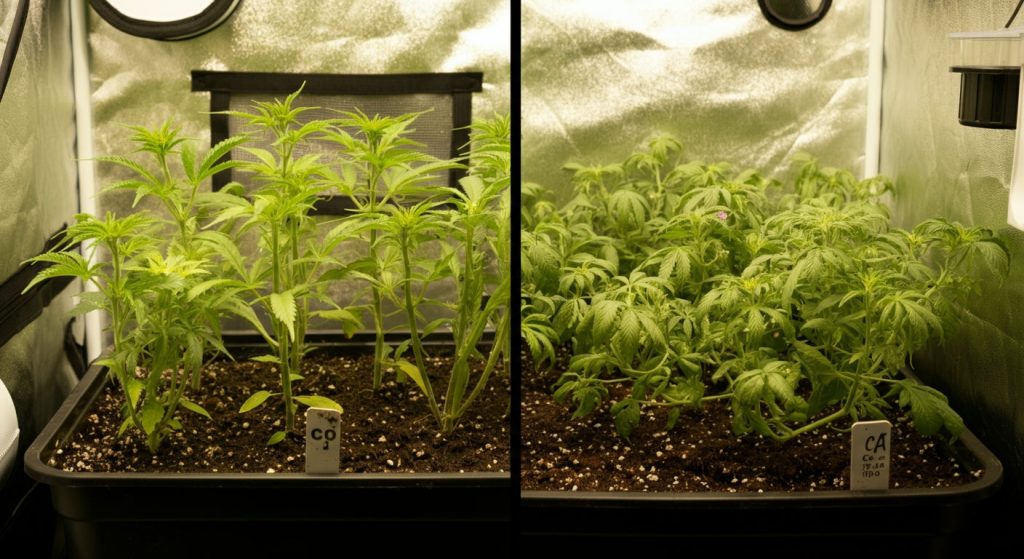
Are you looking to boost your plants’ growth inside your grow tent? Adding CO2 can be a game-changer for your indoor garden.
When done right, it helps your plants grow faster, stronger, and healthier. But how exactly do you add CO2 safely and effectively? You’ll discover simple, step-by-step methods to enrich your grow tent with CO2. By the end, you’ll know exactly what to do to give your plants the extra edge they need.
Keep reading—you’re just a few steps away from transforming your grow tent into a thriving, high-yield haven.
Benefits Of Co2 Enrichment
Adding CO2 to a grow tent helps plants use sunlight better. This can make plants grow faster and healthier.
CO2 enrichment is a common way to improve plant growth indoors. It supports strong plants and bigger harvests.
Impact On Photosynthesis
Plants use CO2 during photosynthesis to make food. More CO2 means plants can make more energy.
- Higher CO2 levels increase photosynthesis speed
- Plants produce more sugars for growth
- Improved energy helps plants stay healthy
Faster Growth Rates
With extra CO2, plants grow faster. They use nutrients better and develop strong roots and leaves.
| Growth Factor | Effect with CO2 |
| Leaf Size | Increases by 20% |
| Stem Thickness | Stronger and thicker |
| Root Development | Deeper and wider |
Improved Yield And Quality
CO2 enrichment can boost the amount and quality of your harvest. Fruits and flowers become larger and richer.
- Higher crop yields
- Better taste and aroma
- Stronger resistance to disease

Credit: blimburnseeds.com
Choosing The Right Co2 Source
Adding CO2 to your grow tent can help plants grow faster and healthier. Picking the right CO2 source is important for safety and results.
There are several ways to add CO2. Each method works best for different setups and budgets.
Co2 Tanks And Regulators
CO2 tanks store compressed gas that you release into the tent. Regulators control the flow of CO2 to keep levels steady.
This method is precise and allows you to set exact CO2 amounts. Tanks need refilling, and regulators require some setup.
- Easy to control CO2 levels
- Requires a pressure regulator
- Needs periodic tank refills
- Best for medium to large grow tents
Co2 Generators
CO2 generators burn fuel to create carbon dioxide. They work well for bigger grow areas and produce heat as a side effect.
This option gives a steady CO2 supply but needs good ventilation to avoid excess heat or fumes.
- Provides continuous CO2 output
- Produces heat and moisture
- Needs ventilation for safety
- Good for large or well-ventilated tents
Natural Methods
Natural CO2 comes from compost, yeast, or dry ice. These methods are simple but less precise than tanks or generators.
Natural sources work well for small grow tents or hobby growers. They need regular refreshing to keep CO2 levels up.
- Uses simple materials like yeast or compost
- Less control over CO2 output
- Needs frequent replenishing
- Best for small or beginner setups
Setting Up Co2 In Your Tent
Adding CO2 to your grow tent helps plants grow faster and stronger. Proper setup ensures safe and even CO2 levels inside the tent.
Follow these steps to place, seal, and monitor CO2 effectively for the best results.
Placement And Distribution
Place your CO2 source near the plants but away from fans or vents. This helps keep CO2 inside the tent longer.
Use fans to spread CO2 evenly. Proper air circulation prevents pockets of low or high CO2 concentration.
- Position CO2 emitter above plants
- Avoid placing near exhaust vents
- Use small fans for gentle circulation
- Check for even CO2 flow around plants
Sealing The Tent
Seal your grow tent well to keep CO2 from escaping. Check all zippers and seams for leaks.
Close any openings not needed for ventilation. This keeps CO2 levels stable and efficient.
- Inspect tent seams and zippers
- Use tape for small leaks
- Limit tent openings during CO2 use
- Ensure proper ventilation without losing CO2
Monitoring Co2 Levels
Use a CO2 monitor to track levels inside the tent. Keep levels between 1000 and 1500 ppm for best growth.
Adjust CO2 release based on monitor readings. Avoid too much CO2, as it can harm plants and people.
- Set alarm for high CO2 levels
- Check monitor daily
- Use automated controllers if possible
- Keep tent ventilated for safety

Credit: blimburnseeds.com
Timing And Dosage
Adding CO2 to your grow tent can help plants grow faster and stronger. It is important to know the right timing and dosage for the best results.
Too little CO2 will not help plants, and too much can harm them. This guide explains how to manage CO2 levels safely and effectively.
Optimal Co2 Concentrations
The ideal CO2 concentration for most plants in a grow tent is between 1000 and 1500 parts per million (ppm). This range supports healthy growth without risking damage.
| CO2 Level (ppm) | Effect on Plants |
| Below 400 | Normal air, slower growth |
| 1000 – 1500 | Optimal growth range |
| Above 2000 | Risk of leaf damage and stress |
Best Times To Enrich
CO2 enrichment works best during the plants’ light period. Plants use CO2 for photosynthesis, which only happens with light.
- Start CO2 when lights turn on.
- Maintain CO2 levels for 8 to 12 hours daily.
- Turn off CO2 when lights go off.
- Use timers or controllers to manage CO2 flow.
Avoiding Overexposure
Too much CO2 can harm plants and people. Always keep CO2 levels safe and check your equipment regularly.
- Do not exceed 1500 ppm inside the grow tent.
- Ensure good ventilation when CO2 is off.
- Use a CO2 monitor to track levels continuously.
- Wear a mask if you enter the tent during CO2 enrichment.
Safety Tips For Co2 Use
Adding CO2 to your grow tent can improve plant growth. It is important to use CO2 safely. Follow these tips to avoid risks.
Using CO2 requires careful attention to ventilation, handling, and leak detection. This guide covers key safety points.
Ventilation Requirements
Proper ventilation helps keep CO2 levels safe inside the tent. It prevents CO2 buildup that can harm you or plants.
- Ensure fresh air enters the grow tent regularly.
- Use exhaust fans to remove excess CO2.
- Monitor air circulation to avoid stagnant zones.
- Keep ventilation systems running during CO2 release.
Handling Equipment Safely
CO2 tanks and regulators must be handled with care. Incorrect use can cause accidents or damage.
| Equipment | Safety Tip |
| CO2 Tank | Secure upright, avoid dropping or heat exposure. |
| Regulator | Check for leaks before each use. |
| Hoses and Connectors | Inspect for cracks or wear regularly. |
| Storage | Store tanks in a cool, ventilated area away from flames. |
Detecting Co2 Leaks
Leaks can cause high CO2 levels that are dangerous. Detect leaks early to protect yourself and plants.
Use this checklist to detect CO2 leaks:
- Listen for hissing sounds near equipment.
- Smell for unusual odors (though CO2 is odorless).
- Use a CO2 detector or monitor device.
- Apply soapy water on connections; bubbles show leaks.
- Check pressure gauges for unexpected drops.

Credit: blimburnseeds.com
Common Mistakes To Avoid
Adding CO2 to a grow tent can help plants grow better. Many growers make mistakes that reduce the benefits. Avoiding these errors will improve your results.
Learn about common mistakes with tent seals, CO2 levels, and environment. Fixing these will keep your grow tent healthy and efficient.
Ignoring Tent Seals
One big mistake is ignoring how well your grow tent seals. Gaps or holes let CO2 escape. This lowers the CO2 level inside and wastes gas.
- Check all zippers and seams for leaks.
- Use tape or weather stripping to seal gaps.
- Close tent doors tightly after entering.
- Fix tears in the tent fabric quickly.
Improper Co2 Levels
Setting CO2 levels too high or too low can harm plants. Too much CO2 can cause stress. Too little does not help growth.
| CO2 Level (ppm) | Effect on Plants |
| Below 300 | Growth slows down |
| 400-1200 | Optimal growth range |
| Above 1500 | Plant stress and damage |
Neglecting Environmental Factors
CO2 works best with the right temperature, humidity, and light. Ignoring these factors lowers CO2 effectiveness.
- Keep temperature between 70-85°F (21-29°C).
- Maintain humidity around 50-70%.
- Ensure plants get enough light.
- Use fans to circulate air but avoid CO2 leaks.
Maximizing Growth With Co2
Adding CO2 to your grow tent helps plants grow faster and stronger. Plants use CO2 in photosynthesis to make food.
Using CO2 properly can improve your yields. You need to adjust other factors too, like light, nutrients, and climate.
Combining Co2 With Lighting
CO2 works best with strong lighting. Plants use more CO2 when they get enough light energy. High-intensity lights like LEDs or HPS are ideal.
- Use lights that provide full spectrum
- Keep lights on for 12-18 hours per day
- Ensure lights are close enough but not too hot
- Increase CO2 levels during light periods only
Nutrient Adjustments
Higher CO2 makes plants grow faster. They need more nutrients to keep up. Adjust your feeding schedule to support this growth.
| Nutrient | Recommended Increase |
| Nitrogen (N) | 20-30% |
| Phosphorus (P) | 15-25% |
| Potassium (K) | 20-30% |
| Micronutrients | Maintain regular levels |
Temperature And Humidity Control
CO2 absorption works best at certain temperatures and humidity. Keep your tent warm but not too hot. Control humidity to avoid stress.
- Temperature: 75-85°F (24-29°C)
- Humidity: 40-60%
- Ventilation: Low air exchange during CO2 use
Frequently Asked Questions
What Is The Best Co2 Level For A Grow Tent?
The optimal CO2 level for a grow tent is around 1000-1500 ppm. This range enhances plant photosynthesis and boosts growth rates. It’s important to monitor levels regularly to avoid exceeding this range, which can harm plants.
How To Safely Add Co2 To A Grow Tent?
To safely add CO2, use a CO2 tank with a regulator. Alternatively, opt for CO2 generators designed for grow tents. Make sure to monitor CO2 levels with a reliable meter. Proper ventilation ensures CO2 disperses evenly.
Does Adding Co2 Improve Plant Yields?
Yes, adding CO2 can significantly improve plant yields. It enhances photosynthesis, leading to faster growth and larger yields. Ensure other growing conditions, such as light and nutrients, are optimal to maximize CO2 benefits.
How Often Should Co2 Be Added To A Grow Tent?
CO2 should be added consistently during the light cycle. This is when plants photosynthesize and utilize CO2. Keep CO2 levels steady throughout this period for best results. Adjustments may be needed based on plant growth stages.
Conclusion
Adding CO2 to your grow tent can boost plant growth. Start with safe CO2 levels and monitor carefully. Use reliable equipment to control CO2 release. Keep ventilation balanced to avoid stress on plants. Watch your plants daily for signs of change.
Small steps lead to better results over time. Remember, patience and care help your garden thrive. This simple addition can improve your growing experience. Try it and see how your plants respond.