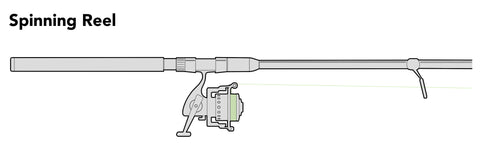
Are you tired of struggling with tangled fishing line or worrying that you’re not setting up your reel correctly? Adding fishing line to your reel might seem tricky at first, but with the right steps, you can do it quickly and easily.
Imagine casting your line smoothly, without any snags or knots holding you back. In this guide, you’ll learn exactly how to add fishing line to your reel the right way, so you can spend more time fishing and less time fixing your gear.
Ready to become confident with your fishing setup? Let’s get started.
Credit: n1outdoors.com
Choosing The Right Fishing Line
Choosing the right fishing line makes a big difference in your fishing experience. It affects casting, lure action, and fish landing.
Understanding different types of lines and their strengths helps you pick the best one. Also, consider the fishing conditions for a better choice.
Types Of Fishing Lines
There are several common types of fishing lines. Each has unique features suited for different fishing needs.
- Monofilament:Easy to handle and stretchable. Good for beginners.
- Fluorocarbon:Nearly invisible underwater. Great for clear water fishing.
- Braid:Very strong and thin. Best for heavy cover and long casts.
Selecting Line Strength
Line strength is measured in pounds, indicating how much weight the line can hold before breaking. Pick a strength that matches the fish you want to catch.
| Fish Type | Line Strength (lbs) | Recommended Line Type |
| Small Panfish | 4-6 | Monofilament or Fluorocarbon |
| Bass | 8-12 | Braid or Monofilament |
| Catfish | 15-20 | Braid or Fluorocarbon |
| Saltwater Species | 20+ | Braid |
Considering Fishing Conditions
Fishing conditions affect which line works best. Water clarity, cover, and weather all matter.
- Clear water:Use fluorocarbon for invisibility.
- Heavy cover:Use strong braid to avoid breaks.
- Cold weather:Monofilament is less stiff and easier to handle.
- Long casts:Braid casts farther with less stretch.

Credit: www.youtube.com
Preparing The Reel
Before adding new fishing line to your reel, you must prepare it. This ensures smooth operation and prolongs the reel’s lifespan.
Start by removing any old line and cleaning the spool. Check the reel mechanism for any issues.
Removing Old Line
Old fishing line can tangle and affect casting. Remove it completely from the reel.
Use scissors or a line cutter to carefully cut and dispose of the old line.
Cleaning The Spool
Dirt and grime can accumulate on the spool. Clean it with a damp cloth.
Ensure the spool is dry before adding new line. This prevents damage.
Checking The Reel Mechanism
Inspect the reel’s moving parts. Look for any signs of wear or damage.
Lubricate the reel if needed. This helps it function smoothly during fishing.
- Check the drag system
- Inspect the bail for smooth operation
- Ensure the handle turns easily
Attaching The Line To The Reel
Adding fishing line to a reel starts with attaching the line properly. This ensures the line stays secure during casting and retrieval.
Follow these steps carefully to attach the line to your reel for smooth fishing.
Threading The Line Through Guides
First, pull the fishing line from the spool. Then, thread it through each guide on your fishing rod.
Start from the tip of the rod and move down toward the reel. This helps keep the line straight and untangled.
- Hold the rod steady
- Insert line through the top guide
- Continue threading through each guide
- Stop when you reach the reel
Tying The Anchor Knot
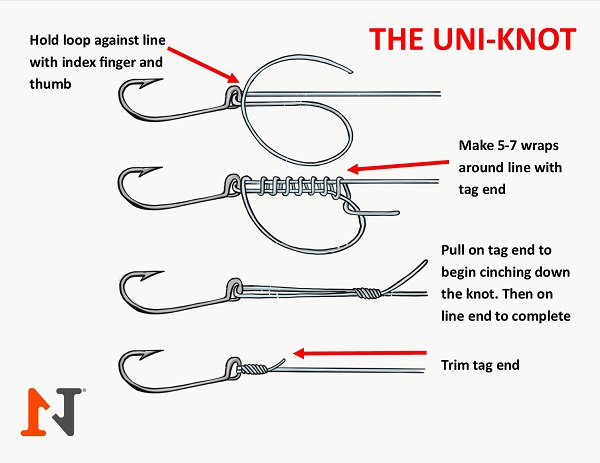
Next, tie an anchor knot to secure the line to the reel spool. The improved clinch knot is a popular choice.
This knot holds the line tightly and prevents slipping during fishing.
- Pass line around the spool
- Make 5-7 wraps around the standing line
- Thread tag end through the loop near the spool
- Pull tight and trim the excess line
Securing The Line On The Spool
After tying the knot, hold the line tight and start winding it onto the spool. Keep the line under tension.
Fill the spool evenly to avoid tangles and improve casting performance.
- Turn the reel handle slowly
- Keep slight pressure on the line
- Distribute the line evenly across the spool
- Stop when the spool is nearly full
Spooling The Line Properly
Adding fishing line to a reel is an important skill for every angler. Proper spooling helps your line last longer and fish better.
Spooling the line correctly prevents problems like tangles and twists. It also ensures smooth casting and reeling.
Maintaining Line Tension
Keep the line tight while spooling. Loose line can cause tangles and uneven winding on the reel.
Use your fingers or a cloth to hold the line firmly as it goes onto the spool. This helps keep steady tension.
- Hold the line with light but firm pressure
- Ask someone to help feed the line if needed
- Check tension regularly during spooling
Avoiding Twists And Tangles
Twists happen when the line spins as it goes on the reel. They cause knots and reduce casting distance.
Make sure the line spool faces the correct way. The line should come off the spool without twisting.
- Place the line spool so it rotates freely
- Let the line run off the spool smoothly
- Stop if you see loops or twists forming
Filling The Spool Correctly
Fill the spool almost to the edge but leave some space. Overfilling can cause line to slip off.
Fill evenly without piling line in one spot. This keeps the line balanced and ready for good casting.
- Stop spooling when 1/8 inch space remains
- Check that line lays flat and smooth
- Reel slowly to avoid uneven stacking
Final Checks And Maintenance
After adding fishing line to your reel, it is important to do final checks. These checks keep your gear working well and ready for fishing.
Good maintenance helps your reel last longer and prevents problems during use.
Trimming Excess Line
Cut off the extra fishing line near the reel spool. Leaving too much line can cause tangles and knots.
Use sharp scissors or a line clipper for a clean cut. Leave about 1/8 inch of line to avoid slipping.
Testing The Line Setup
Check if the line is tight and evenly wrapped on the spool. Loose or uneven line can cause casting problems.
Pull the line gently to see if it moves smoothly through the guides. Make sure the drag system works properly.
- Pull the line slowly to test tension
- Turn the handle to check smooth winding
- Adjust drag if it is too tight or loose
Storing The Reel Safely
Store your reel in a dry place to stop rust and damage. Avoid direct sunlight, which can weaken the line.
Keep the reel covered or in a case to protect it from dust and dirt. Regular cleaning helps keep it in good shape.
Credit: www.epicflyrods.com
Frequently Asked Questions
How Do I Start Adding Fishing Line To A Reel?
Begin by threading the line through the rod guides. Tie the line securely to the reel spool using an arbor knot. Ensure the line is tight and evenly wound during spooling to prevent tangles and improve casting performance.
What Type Of Fishing Line Suits My Reel?
Choose a fishing line based on your reel type and fishing needs. Monofilament lines are versatile, braid lines offer strength, and fluorocarbon lines are nearly invisible underwater. Match line strength to the fish species you aim to catch for best results.
How Much Fishing Line Should I Put On My Reel?
Fill your reel spool to about 1/8 inch below the spool’s edge. Overfilling can cause tangles, and underfilling reduces casting distance. Check your reel’s specifications for exact line capacity and adjust accordingly.
Can I Add Fishing Line Without A Rod?
Yes, you can spool line directly onto the reel without the rod. Secure the reel in a vise or hold it firmly. This method helps when replacing line or spooling multiple reels quickly.
Conclusion
Adding fishing line to a reel is simple with the right steps. Start by securing the line tightly to avoid slips. Keep the line even and smooth as you wind it onto the spool. Check the tension often to prevent tangles and knots.
Practice makes perfect, so don’t worry if it feels tricky at first. With patience, your reel will be ready for a great fishing trip. Enjoy the process and happy fishing!