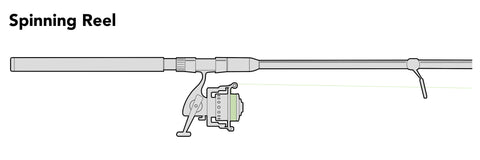
Getting ready for your next fishing trip? One of the most important steps is making sure your spinning reel has fresh, strong fishing line.
If you’ve never done it before, adding fishing line to a spinning reel might seem tricky. But don’t worry—you’re about to learn a simple, step-by-step method that will save you time and frustration. By the end of this article, you’ll feel confident and ready to cast like a pro.
Let’s dive in and get your reel ready for the big catch!

Credit: www.youtube.com
Choosing The Right Fishing Line
Choosing the right fishing line is key for a good fishing experience. It affects casting, catching, and how you handle fish.
Different fishing lines suit different reels and fishing spots. Learn about types, strength, and matching lines to conditions.
Types Of Fishing Line
There are three main types of fishing line: monofilament, fluorocarbon, and braided. Each has its own features and uses.
- Monofilament:Flexible and easy to handle. Good for beginners.
- Fluorocarbon:Nearly invisible underwater. Great for clear water fishing.
- Braided:Very strong and thin. Best for heavy cover and long casts.
Line Strength And Thickness
Line strength is measured in pounds, showing how much weight it can hold. Thickness affects casting and sensitivity.
| Line Type | Typical Strength (lbs) | Diameter (inches) |
|---|---|---|
| Monofilament | 6 – 20 | 0.012 – 0.020 |
| Fluorocarbon | 8 – 25 | 0.010 – 0.018 |
| Braided | 10 – 50 | 0.008 – 0.015 |
Matching Line To Fishing Conditions
Choose line based on water type, target fish, and obstacles. Clear water needs less visible line. Heavy cover needs strong line.
- Use fluorocarbon for clear water and shy fish.
- Use braided line for thick weeds or heavy brush.
- Use monofilament for general fishing and easy handling.
- Pick line strength that fits the size of fish you want.
Preparing Your Spinning Reel
Before adding new fishing line, you need to prepare your spinning reel. This makes sure the reel works well and lasts longer.
Preparing includes removing old line, cleaning the reel, and checking for damage. These steps help you avoid problems later.
Removing Old Line
Start by taking off the old fishing line from the spool. This clears space for the new line.
Cut the line near the reel and unwind it carefully. Remove any knots or tangles left on the spool.
Cleaning The Reel
Clean your reel to remove dirt and salt that can cause damage. Use a soft cloth and fresh water to wipe it down.
Dry the reel fully to stop rust. You can also apply a little reel oil to keep parts moving smoothly.
Inspecting For Damage
Look over your reel for cracks or broken parts. Check the bail arm, handle, and spool for any issues.
Make sure the reel spins smoothly. Fix or replace damaged parts before adding new line.
Attaching The Line To The Reel
Attaching fishing line to a spinning reel is an important skill for fishing. It ensures your line stays secure and works well. This guide will help you attach the line properly to your reel.
Follow the steps carefully to avoid line slipping or tangling. Proper attachment makes casting and reeling easier and more efficient.
Threading The Line Through Guides
First, pull the fishing line from your spool. Pass it through each guide on your fishing rod, starting from the tip and moving toward the reel. Make sure the line moves smoothly through all guides without twisting.
- Hold the rod steady.
- Feed the line through the top guide closest to the tip.
- Continue threading the line through each guide down to the reel.
- Check for any snags or tangles before attaching to the reel.
Tying The Arbor Knot
The arbor knot fastens the fishing line to the reel spool. It is strong and easy to tie. Follow these steps to tie the knot:
- Wrap the line around the spool of the reel.
- Tie an overhand knot around the main line.
- Make a second overhand knot at the tag end.
- Pull both knots tight against the spool.
- Trim any extra line from the tag end.
Securing The Line Properly
After tying the knot, make sure the line is secured well. The line should not slip or loosen during use. You can check by slowly turning the reel handle and watching the line.
| Check | What to Do |
| Line slips on spool | Re-tie the arbor knot tighter |
| Line twists or tangles | Re-thread through rod guides |
| Line looks loose | Wind line evenly on spool |
| Knots look weak | Trim tag ends and re-tie |
Spooling The Line Correctly
Adding fishing line to a spinning reel needs care. Proper spooling helps avoid problems while fishing.
Focus on keeping good tension, preventing twists, and filling the spool properly. These steps improve your fishing experience.
Maintaining Tension
Keep steady tension on the line as you spool it. This stops loops and tangles on the reel.
- Hold the line between your fingers with light pressure.
- Ask a helper to hold the line spool tight if needed.
- Turn the reel handle slowly to spool evenly.
- Check tension often and adjust your grip.
Avoiding Line Twist
Line twist causes knots and weak spots. Use these tips to prevent it:
- Let the line come off the filler spool in the same direction as the reel spool rotates.
- Use a swivel between the main line and the leader to reduce twisting.
- Do not let the line drop loose while spooling.
- Check the line for twists by letting some out and watching if it coils.
Filling The Spool To The Right Level
Do not overfill or underfill the spool. The right amount lets the line come off smoothly.
| Spool Level | Description | Result |
| Too Full | Line reaches spool edge or overflows | Increases tangles and line breakage |
| Too Low | Line is far below spool edge | Reduces casting distance and control |
| Just Right | Line is about 1/8 inch (3 mm) below spool edge | Ensures smooth casting and fewer problems |
Finishing Touches
After spooling your spinning reel with fishing line, you need to complete a few final steps. These steps ensure your setup works well and stays secure during fishing.
Paying attention to details helps prevent line slippage and improves casting performance. Let’s look at the last tasks you must do.
Cutting The Line
Trim the excess line from the spool using sharp scissors or line cutters. Leave about 6 to 8 inches of line extending from the spool’s edge. This extra length helps attach terminal tackle easily and prevents the line from slipping back into the spool.
Attaching Terminal Tackle
Attach your hook, lure, or swivel to the end of the line. Use a strong fishing knot like the improved clinch knot or Palomar knot. These knots hold well and are simple to tie.
- Thread the line through the eye of the hook or lure.
- Wrap the tag end around the standing line 5 to 7 times.
- Pass the tag end through the small loop near the eye.
- Moisten the knot and pull it tight.
- Trim the excess tag end close to the knot.
Testing The Setup
Before fishing, test your reel setup. Pull the line gently to check the knot strength and line security on the spool. Make sure the drag system works smoothly by turning the handle and feeling the resistance.
| Test | What to Check | Action If Problem |
| Line Pull | Knot holds tight | Retie knot if it slips |
| Spool Line | Line stays on spool | Re-spool if line slips |
| Drag System | Drag adjusts smoothly | Adjust drag knob or service reel |

Credit: www.youtube.com
Common Mistakes To Avoid
Adding fishing line to a spinning reel is simple but needs care. Avoiding common mistakes helps the line last longer.
Errors during spooling can cause problems like tangles and lost fish. Knowing what to avoid saves time and frustration.
Overfilling The Spool
Overfilling your reel spool can cause line to spill over the edge. This leads to tangles and knots when casting.
Leave some space on the spool. Fill it about 1/8 inch below the edge for best results.
- Overfilled spools cause line jams
- Too little line reduces casting distance
- Proper fill keeps line tight and neat
Ignoring Line Twist
Line twist happens when the line spins while casting or reeling. It causes loops and knots that weaken the line.
Use a swivel or let the line run freely during spooling to reduce twist. Check often for twists and fix them quickly.
- Line twist shortens line life
- Twisted line causes poor casting
- Fix twist by letting line hang freely
Using Incorrect Knots
Using the wrong knot can cause your line to slip or break. Some knots work better with certain line types.
Learn knots like the Arbor knot for tying line to the spool. Make sure knots are tight and trimmed properly.
- Wrong knots reduce line strength
- Loose knots can come undone
- Practice common knots for reliability

Credit: www.youtube.com
Frequently Asked Questions
How Do I Attach Fishing Line To A Spinning Reel?
Start by threading the line through the rod guides. Tie an arbor knot around the spool. Tighten the knot and trim excess line. This secures the line firmly to the reel spool.
What Type Of Fishing Line Suits Spinning Reels?
Monofilament, fluorocarbon, or braided lines work well. Choose based on fishing conditions and target species. Monofilament is beginner-friendly; braided offers strength and sensitivity.
How Much Line Should I Spool On The Reel?
Fill the spool to about 1/8 inch below the rim. Overfilling causes tangles; underfilling reduces casting distance. Proper spooling ensures smooth line release and retrieval.
How Can I Avoid Line Twist On A Spinning Reel?
Use swivel connectors to reduce line twist. Avoid reeling against drag pressure. Spool line under tension evenly to prevent twists and tangles.
Conclusion
Adding fishing line to a spinning reel is simple and quick. Take your time to follow each step carefully. Make sure the line is tight and properly wound. This helps avoid tangles and line twists. Practice a few times to get more comfortable.
Soon, you will feel confident preparing your reel. Ready for your next fishing trip! Keep your gear in good shape to enjoy fishing more.