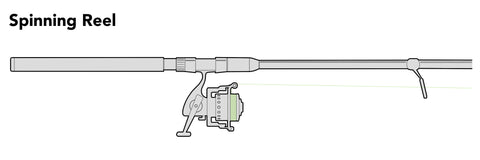
Are you tired of your fishing line tangling or breaking just when you’re about to catch a big one? Knowing how to add fishing line to your reel properly can make all the difference between a smooth fishing trip and a frustrating day by the water.
Whether you’re a beginner or just need a quick refresher, this guide will walk you through simple steps to get your reel ready fast. Keep reading, and you’ll learn how to make your gear work perfectly every time you cast.
Choosing The Right Line
Picking the right fishing line is important for a good fishing experience. The right line helps catch fish and protects your gear.
Understanding different lines and their uses will guide you to choose the best one for your needs.
Types Of Fishing Line
There are mainly three types of fishing lines: monofilament, fluorocarbon, and braided. Each has unique features and uses.
- Monofilament:Flexible and easy to handle, good for beginners.
- Fluorocarbon:Nearly invisible in water and abrasion-resistant.
- Braided:Strong with little stretch, best for heavy cover fishing.
Line Strength And Thickness
Fishing line strength is measured by its pound test, showing how much weight it can hold before breaking.
| Line Type | Strength (Pound Test) | Typical Thickness (mm) |
| Monofilament | 4-30 lbs | 0.10-0.40 |
| Fluorocarbon | 6-40 lbs | 0.09-0.35 |
| Braided | 10-80 lbs | 0.08-0.30 |
Matching Line To Reel And Rod
Choosing the correct line depends on your reel and rod’s specifications. Using the wrong line can cause problems.
- Check your reel’s maximum line capacity and weight.
- Match the line strength with your rod’s recommended pound test range.
- Consider the fishing style and target fish size.
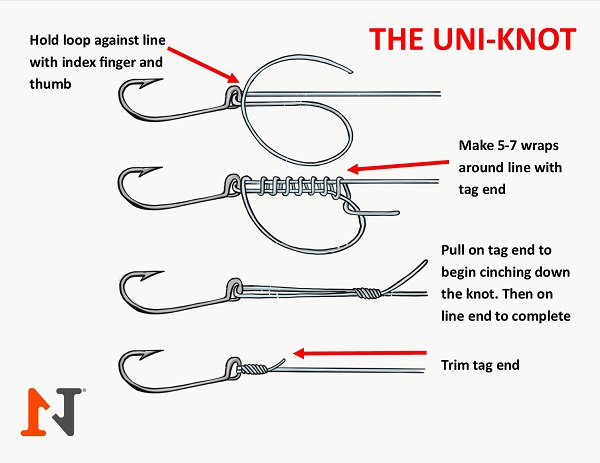
Credit: n1outdoors.com
Preparing Your Reel
Adding fishing line to your reel starts with proper preparation. This helps your reel work well and last longer.
Take time to clean and check your reel before putting on new line. This makes fishing easier and more fun.
Removing Old Line
First, remove the old fishing line from your reel. This clears space for the new line and stops tangles.
Cut the old line near the spool. Then, pull the line off carefully until the spool is empty.
Cleaning The Spool
After removing the old line, clean the spool to remove dirt and salt. Dirt can cause damage or line breakage.
Use a soft cloth and warm water to wipe the spool. Dry it well before adding new line.
Inspecting The Reel For Damage
Check your reel carefully for any signs of damage. Look for cracks, rust, or worn parts.
- Check the bail arm for smooth movement
- Look for cracks on the spool and body
- Make sure the drag system works well
- Inspect the line roller for wear or rust
Attaching The Line To The Spool
Adding fishing line to your reel starts with attaching it firmly to the spool. This step is key to avoid slipping and ensure smooth casting. A secure knot keeps the line tight and ready for action.
Focus on tying the line neatly and checking the tension. The right knot and attachment method protect your gear and improve your fishing experience.
Securing The Line With An Arbor Knot
The arbor knot is simple and strong. It holds the line tightly to the reel’s spool without slipping. Follow these easy steps to tie it correctly.
- Wrap the line around the spool.
- Tie an overhand knot around the standing line.
- Tie a second overhand knot near the tag end.
- Pull both knots tight against the spool.
- Trim the tag end close to the knot.
Ensuring A Tight Attachment
After tying the knot, keep the line tight to avoid slips. Check the tension before winding more line onto the spool.
| Check Point | What to Do |
|---|---|
| Knot Security | Pull the line firmly to test the knot’s hold |
| Line Tension | Keep slight tension while winding the line onto the spool |
| Tag End | Trim close to the knot to prevent snags |
| Spool Alignment | Ensure the line lays evenly on the spool |

Credit: www.wikihow.com
Spooling The Line
Spooling fishing line onto your reel is a key task. Doing it right helps avoid tangles and line damage. This guide covers important points to keep in mind while spooling.
Pay attention to how you keep tension, wrap the line, and fill the spool. These steps ensure smooth casting and better fishing experiences.
Maintaining Line Tension
Keeping the right tension on the line during spooling stops loose loops and knots. Use your fingers or a cloth to hold the line tight as you reel it in. Too much slack causes tangles.
Try these tips to maintain good tension:
- Hold the line firmly but not too tight
- Use a cloth to reduce friction when needed
- Reel slowly to control the line movement
- Ask someone to help hold the spool if possible
Wrapping The Line Evenly
Wrap the fishing line evenly across the spool. Uneven wrapping causes line pile-up and tangles. Guide the line back and forth with your finger while reeling to spread it out.
| Tip | Description |
| Slow Reeling | Helps control line placement |
| Finger Guiding | Move line side to side evenly |
| Consistent Tension | Prevents loose loops |
| Check Spool | Stop occasionally to fix uneven spots |
Avoiding Overfilling The Spool
Overfilling the spool causes line to spill over and tangle. Leave about 1/8 inch of space below the spool edge. This space lets the line move freely during casting.
Here are the risks of overfilling:
- Line gets caught on spool edges
- Increased chance of backlashes
- Reduced casting distance
- Difficulty in controlling the line
Finishing Touches
Adding fishing line to your reel is almost done. The final steps make sure your setup works well. These touches keep your line strong and smooth.
Careful finishing avoids problems like tangles or weak spots. Follow these tips for a good fishing experience.
Cutting The Line Properly
Cut the fishing line with sharp scissors or a line cutter. Make a clean cut to avoid frayed ends. Frayed ends can slip or tangle easily.
- Use sharp scissors or a specialized line cutter.
- Cut the line straight across for a clean edge.
- Avoid biting or tearing the line with your hands.
- Trim any loose fibers before tying knots.
Threading The Line Through Guides
Thread the line through each guide on your fishing rod. Guides keep the line in place and help control casting. Make sure the line goes through all guides, from the reel to the tip.
| Guide Location | Tip |
| Closest to reel | Ensure line passes under the guide ring |
| Middle guides | Check for smooth passage without twists |
| Tip guide | Thread carefully to avoid snagging |
Testing The Reel Function
After adding the line, test the reel to check smooth operation. Proper function ensures good casting and retrieval. Testing helps spot any problems early.
- Pull the line to check tension.
- Turn the reel handle slowly to feel for smoothness.
- Listen for any unusual noises.
- Try casting in a safe area to see how the line moves.
- Adjust the drag if needed for better control.
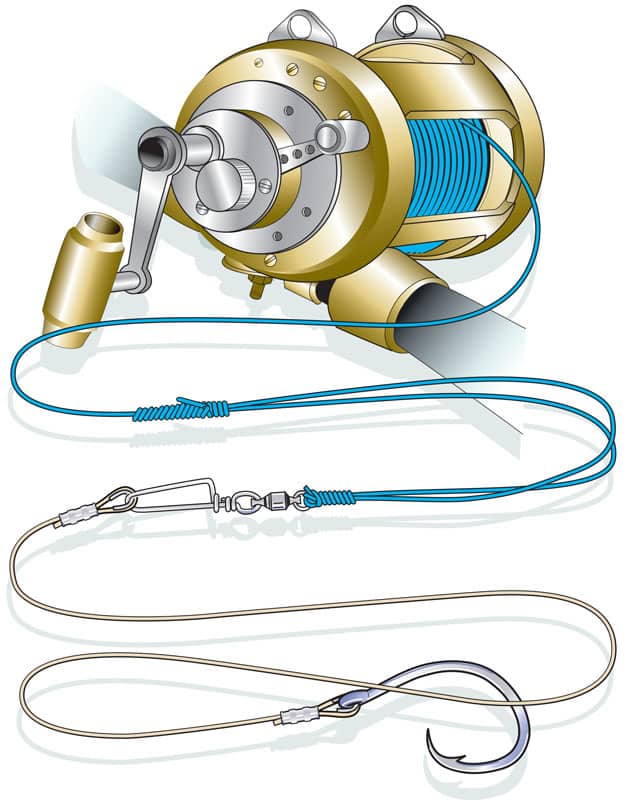
Credit: www.marlinmag.com
Common Spooling Mistakes
Adding fishing line to a reel looks easy but can cause problems if done wrong.
Common mistakes can lead to tangles, line damage, or poor casting performance.
Line Twists And Tangles
Line twists happen when the line spins too much during spooling or fishing.
Twists cause tangles and knots that are hard to fix on the water.
- Avoid letting the line twist by keeping the spool steady.
- Make sure the line comes off the filler spool in the same direction it goes on the reel.
- Use a swivel to reduce line twisting when fishing.
Loose Or Uneven Wrapping
Loose or uneven wrapping causes line to bunch up or slip on the reel.
| Problem | Effect | Solution |
| Loose wrapping | Line slips under tension | Pull line tight while spooling |
| Uneven wrapping | Line piles up on one side | Distribute line evenly across spool |
| Too tight wrapping | Line stretches or breaks | Keep steady but gentle tension |
Using Incorrect Line Type
Using the wrong line type for your reel causes poor performance and damage.
Each reel works best with certain line materials and sizes.
- Check reel specs for recommended line type and weight.
- Monofilament is good for beginners and smooth casting.
- Braid offers strength but needs special care to avoid slipping.
- Fluorocarbon sinks faster but can be stiff to spool.
Tips For Long-lasting Spools
Adding fishing line to your reel is easy but keeping the spool in good shape takes care. Long-lasting spools save money and improve fishing success. Follow simple tips to keep your line strong and ready.
Proper care helps avoid knots, breaks, and line wear. Use these tips to keep your spool working well for many fishing trips.
Regular Line Maintenance
Check your fishing line after each use to remove dirt and salt. Clean line lasts longer and performs better on the water.
Look for tiny cracks or frays and fix problems early. Replace damaged sections before they cause a break.
- Rinse line with fresh water after saltwater fishing
- Wipe line dry with a soft cloth
- Remove knots and tangles carefully
- Inspect line for damage before every trip
Proper Storage Techniques
Store your reel and line in a cool, dry place away from sunlight. Heat and UV rays weaken the line over time.
Keep the spool loose on the reel to avoid pressure that can cause line memory and tangles.
- Avoid leaving reels in direct sun or hot cars
- Store reels with some line loosened from the spool
- Use reel covers or bags to protect from dust
- Keep line away from chemicals and oils
When To Replace The Line
Fishing line wears out after repeated use. Replace it when you see damage or after a season of fishing.
Old line can snap easily and cause lost fish. Using fresh line keeps your fishing smooth and safe.
- Change line if it has cracks or frays
- Replace line after heavy catches or snags
- Swap line each year for best performance
- Use fresh line if it feels stiff or brittle
Frequently Asked Questions
How Do I Choose The Right Fishing Line?
Selecting the right fishing line depends on your fishing style. Consider factors like line strength, water type, and fish species. Monofilament is versatile for beginners, while braided lines offer strength for heavy catches. Fluorocarbon is nearly invisible underwater, making it ideal for clear waters.
What Are The Steps To Spool A Reel?
Start by attaching the line to the reel’s spool. Use the arbor knot for security. Fill the spool evenly, maintaining tension to avoid tangles. Ensure the line is tightly wound. Once full, cut the line and secure it. Test the reel to ensure smooth operation.
How Often Should I Replace My Fishing Line?
Replace your fishing line at least once a year for optimal performance. Frequent anglers might need to change it more often, depending on usage. Exposure to sunlight, water, and wear can weaken the line. Regularly check for frays and abrasions to ensure the line’s integrity.
Can I Use Any Line With Any Reel?
Not all lines work with every reel type. Match the line to the reel’s specifications. Spinning reels often use monofilament or braided lines, while baitcasting reels pair well with heavier lines. Check your reel’s manual for recommendations to ensure compatibility and prevent issues.
Conclusion
Adding fishing line to your reel is easier than it seems. Follow each step slowly and carefully. Make sure the line is tight and secure. Check the reel for smooth spinning. Practice a few times to get comfortable. You will enjoy fishing more with proper gear.
Keep your reel ready for your next trip. Fishing becomes fun and less frustrating this way. Take care of your equipment for longer use. Simple steps make a big difference in fishing success.