Is your window air conditioner not cooling like it used to? You might be low on Freon, the key refrigerant that keeps your room cool and comfortable.
Adding Freon may sound complicated, but with the right steps, you can do it yourself and save money on costly repairs. In this guide, you’ll learn exactly how to add Freon to your window air conditioner safely and effectively. Keep reading to make sure your AC is running at its best all summer long!
Signs Your Ac Needs Freon
Your window air conditioner uses Freon to cool the air. Freon is a refrigerant that helps the AC remove heat. If the Freon level is low, your AC may not work well.
Knowing the signs of low Freon helps you fix the problem early. This guide explains common signs that your AC needs Freon.
Low Cooling Performance
When your AC does not cool the room as before, Freon might be low. The air coming out feels warmer than usual. The AC takes longer to reach the set temperature.
Low cooling means the refrigerant is not enough to absorb heat. This makes the AC less effective and uncomfortable.
Ice Buildup On Coils
You may see ice or frost on the coils of your window AC. This happens because low Freon causes the coils to get too cold. The moisture in the air freezes on contact.
Ice buildup blocks airflow and reduces cooling power. It can also damage the AC if not fixed quickly.
Hissing Or Bubbling Sounds
Strange sounds like hissing or bubbling near the AC unit often mean a Freon leak. These noises come from escaping refrigerant gas or air mixing with Freon.
Listen carefully to detect these sounds. They can signal a serious issue needing repair before adding more Freon.
Increased Energy Bills
Your electric bill may rise if the AC uses more power to cool. Low Freon makes the compressor work harder and longer. This wastes energy and costs more money.
Check your bills if cooling feels weak but the AC runs often. This can point to low Freon that needs attention.
Credit: airchillac.com
Types Of Freon For Window Acs
Window air conditioners use special gases called refrigerants or Freon. These gases help cool the air inside your room. It is important to know the types of Freon your window AC uses.
Adding the right type of Freon keeps your AC working well. Using the wrong one can damage your unit or make it less effective.
Common Refrigerants Used
Many window ACs use different types of refrigerants. The most common ones are R-22 and R-410A. Each has different properties and uses.
- R-22 (Freon):This older refrigerant was popular for many years. It is being phased out because it harms the ozone layer.
- R-410A:This refrigerant is safer for the environment. It cools better and is used in newer AC models.
- R-134a:This is used in some small window AC units. It is less common but still available.
Choosing The Right Type
Check the label on your window AC to see which refrigerant it needs. Do not guess or use a different type. Using the wrong Freon can cause leaks or damage.
Older units often use R-22. New models usually require R-410A. If your AC uses R-22, consider consulting a professional because it is harder to find now.
- Look at the AC label for the refrigerant type
- Do not mix different refrigerants
- Use a professional if unsure about the refrigerant
Tools And Materials Needed
Adding Freon to your window air conditioner requires specific tools. These tools help you refill the refrigerant safely and correctly.
Using the right materials ensures the air conditioner works well and lasts longer.
Freon Canister
The Freon canister holds the refrigerant gas you need to refill your air conditioner. Make sure to buy the correct type of Freon for your unit.
Freon usually comes in small, sealed cans that connect to your gauge set. Handle the canister carefully to avoid leaks or damage.
Manifold Gauge Set
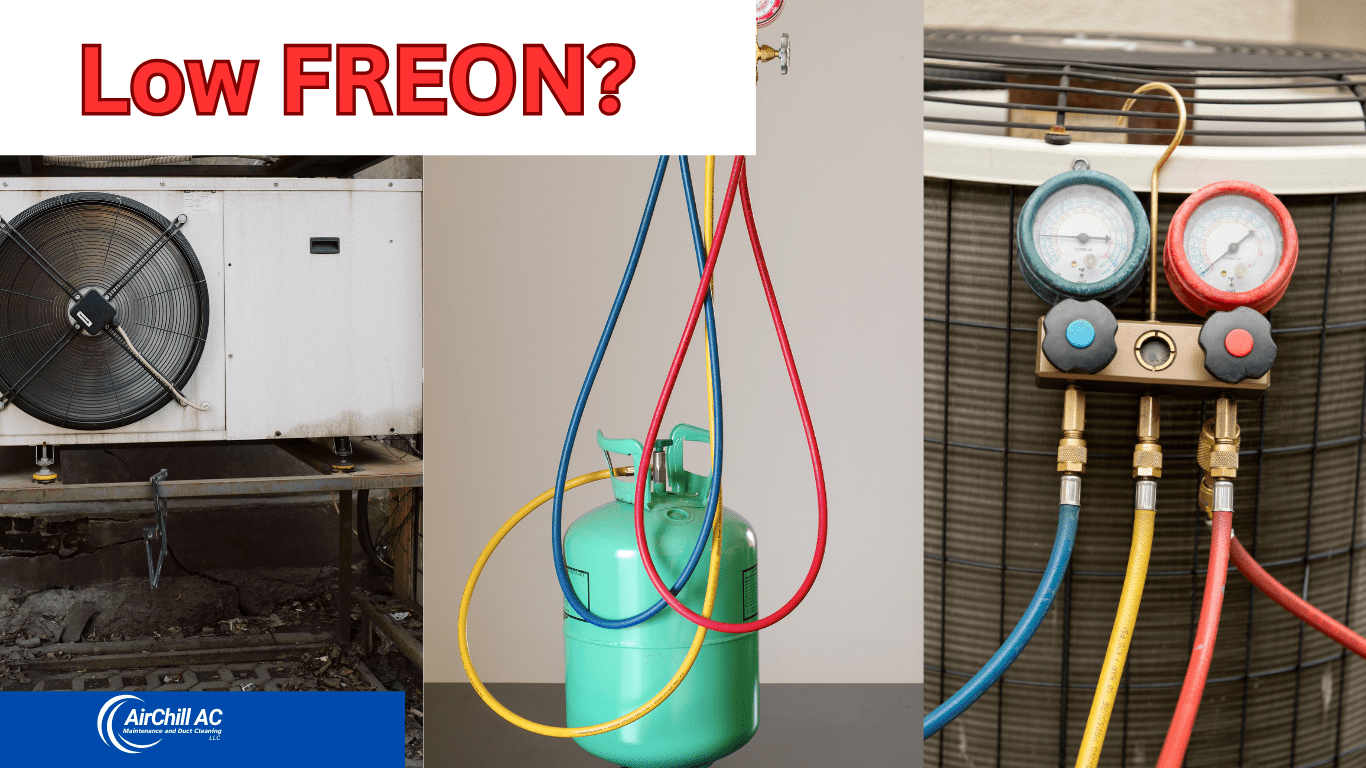
The manifold gauge set helps you check pressure in the air conditioner. It also connects to the Freon canister for refilling.
This tool has two gauges and three hoses. It shows if your system has the right amount of refrigerant.
- High-pressure gauge
- Low-pressure gauge
- Three color-coded hoses (red, blue, yellow)
- Valve handles to control gas flow
Protective Gear
Protective gear keeps you safe while handling Freon. The gas can be harmful if it touches your skin or eyes.
Wear gloves and safety glasses to avoid contact with refrigerant. Work in a well-ventilated area to prevent breathing in fumes.
- Rubber gloves to protect your hands
- Safety goggles for eye protection
- Long sleeves and pants to cover skin
- Face mask or respirator if indoors
Safety Precautions
Adding Freon to a window air conditioner requires care and attention. Safety comes first to protect yourself and others.
Understanding how to handle refrigerants and working in safe conditions helps avoid accidents and health risks.
Handling Refrigerants Safely
Freon is a chemical that can harm the environment and your health if not handled correctly. Always wear protective gloves and goggles. Avoid skin contact and breathing in the gas.
- Use gloves to protect your hands.
- Wear goggles to shield your eyes.
- Do not inhale refrigerant fumes.
- Keep Freon containers closed tightly.
- Store refrigerants away from heat and flames.
Working In A Well-ventilated Area
Good airflow reduces the risk of harmful gas buildup. Always add Freon in a space with fresh air.
| Reason | Benefit |
| Open windows and doors | Prevents gas concentration |
| Use fans if needed | Improves air circulation |
| Avoid confined spaces | Reduces risk of suffocation |
| Wear a mask if possible | Protects from inhaling fumes |
Preparing Your Window Ac
Adding Freon to your window air conditioner can help it cool better. Before starting, you need to prepare the unit correctly. This makes the process safer and easier.
Follow these steps carefully to get your window AC ready for Freon charging. Proper preparation protects your AC and ensures good results.
Turning Off And Unplugging
Always turn off your window AC before working on it. Unplug it from the power source to avoid electric shock.
Wait a few minutes to let the unit cool down. This prevents injury and damage to the parts inside.
Removing The Cover
Remove the front cover of your window AC to access internal parts. Use a screwdriver if needed to take out screws holding the cover.
Keep the screws in a safe place so you can put the cover back later. Be gentle to avoid breaking any clips or plastic parts.
Locating The Service Valve
Find the service valve on the side or back of the AC unit. This valve is where you add Freon.
The valve usually looks like a small metal cap or fitting attached to a pipe. It may have a cover or cap that you need to unscrew first.

Credit: www.youtube.com
Steps To Add Freon
Adding Freon to a window air conditioner helps improve cooling. You need the right tools and safety knowledge before starting.
This guide explains the main steps to add Freon safely and correctly.
Connecting The Gauge Set
First, connect the gauge set to the air conditioner’s service valves. Make sure the connections are tight to avoid leaks.
Use the low-pressure port to add Freon. Check the gauge colors to avoid confusion.
Checking Pressure Levels
Before adding Freon, check the current pressure levels with the gauges. This helps you know how much Freon to add.
- Turn on the air conditioner and let it run for 10 minutes.
- Read the low-pressure gauge.
- Compare the pressure to the recommended levels in the manual.
- Do not add Freon if pressure is already normal or high.
Releasing Freon Slowly
Open the valve on the Freon can slowly to release the gas. Adding Freon too fast can damage the system.
Keep the can upright and shake gently during the process. Watch the gauge for pressure changes.
Monitoring The Cooling Performance
After adding Freon, check if the air conditioner cools better. Measure the temperature of the air coming out.
| Condition | Possible Cause | Action |
| Too cold | Overcharged Freon | Release some Freon |
| Not cooling | Low Freon or other issues | Add Freon or call technician |
| Normal | Correct Freon level | Close valves and finish |
After Adding Freon
Once you add freon to your window air conditioner, you must finish the process carefully. This ensures the unit works well and stays safe. Follow the right steps to reassemble and test the air conditioner.
Cleaning up is also important to avoid any hazards. Proper disposal of materials helps keep the environment safe.
Reassembling The Unit
After adding freon, put all parts back in their place. Make sure everything fits tightly. Loose parts can cause leaks or damage.
- Replace the access panel and secure it with screws.
- Reattach the front grille carefully.
- Check that all wiring is connected properly.
- Make sure the filters are clean and in place.
- Close any open vents or covers.
Testing The Air Conditioner
Turn on the air conditioner to check if it cools well. Listen for strange sounds and watch for leaks. Testing helps confirm that adding freon worked correctly.
| Test | What to Check | Expected Result |
| Power On | Unit starts without error | Runs smoothly |
| Cooling | Air temperature drops | Cold air flows |
| Noise | Any unusual sounds | Quiet operation |
| Leaks | Signs of freon or water leaks | No leaks |
Cleaning Up And Disposal
After testing, clean your workspace. Dispose of empty freon cans and used gloves correctly. Do not throw freon cans in regular trash.
- Collect all tools and used materials.
- Seal empty freon containers for recycling.
- Follow local rules for hazardous waste disposal.
- Wash your hands thoroughly after handling chemicals.
Common Mistakes To Avoid
Adding freon to a window air conditioner needs care. Mistakes can damage the unit or cause safety problems.
Knowing what not to do helps keep your air conditioner working well. Avoid these common errors when adding freon.
Overcharging Freon
Putting too much freon in the air conditioner can cause high pressure. This may damage parts and reduce cooling.
Check the exact amount of freon your unit needs. Use gauges to measure the pressure while adding freon carefully.
- Too much freon leads to high system pressure
- High pressure can harm the compressor and coils
- Always follow the manufacturer’s freon amount guidelines
- Use proper tools to monitor pressure during charging
Ignoring Leaks
Adding freon without fixing leaks wastes the gas. The freon will escape, and the unit will not cool well.
Look carefully for leaks before adding freon. Use soapy water or a leak detector to find small holes or cracks.
- Leaks cause freon loss and poor cooling
- Fix leaks to keep freon inside the system
- Never add freon to a leaking unit without repair
- Test for leaks using soap bubbles or electronic detectors
Skipping Safety Steps
Freon is a chemical that can be dangerous if handled wrong. Skipping safety steps risks health and equipment damage.
Wear gloves and eye protection. Work in a well-ventilated area. Follow safety guidelines for handling freon.
- Wear protective gloves and safety glasses
- Ensure good ventilation to avoid inhaling fumes
- Use the correct tools to avoid leaks or spills
- Never release freon into the air
When To Call A Professional
Adding Freon to a window air conditioner can help it cool better. Sometimes, the problem is bigger than just low Freon. Knowing when to call a professional saves time and money.
A trained technician has the tools and knowledge to fix complex issues safely. Here are situations when you should get help from a professional.
Persistent Cooling Issues
If your air conditioner keeps losing its cool after adding Freon, it may have a leak. Simply refilling the Freon will not solve the problem. A professional can find and fix leaks properly.
Ignoring persistent cooling problems can cause more damage. A technician can test the system and stop Freon loss for good.
Complex Repairs
Adding Freon requires special tools and knowledge. Handling Freon incorrectly can cause injury or damage. If your unit needs more than just a refill, call a pro.
Professionals can fix broken parts, electrical issues, or clogged coils. These repairs need skills that most homeowners do not have.
Legal Regulations
Freon is a regulated chemical that can harm the environment. Laws control who can buy and use it. Only certified technicians can legally add Freon to air conditioners.
Hiring a professional ensures the job follows safety and legal rules. This protects you and the environment from harm.

Credit: www.youtube.com
Frequently Asked Questions
How Do I Know If My Window Ac Needs Freon?
If your window AC isn’t cooling effectively, it might need Freon. Signs include warm air from vents, ice on coils, and longer cooling cycles. Always check for leaks before adding Freon, as it might indicate a more significant issue. Consulting a professional is advisable for accurate diagnosis.
Can I Add Freon To My Ac Myself?
Yes, you can add Freon to your AC yourself, but it’s not recommended. Handling refrigerants requires specific knowledge and tools. Incorrectly adding Freon can damage the unit or harm the environment. It’s best to hire a professional to ensure safe and efficient service.
What Tools Are Needed For Adding Freon?
To add Freon, you’ll need a refrigerant gauge set, gloves, and safety goggles. You’ll also require a compatible Freon canister and a valve to attach it to your air conditioner. These tools ensure safe and efficient Freon addition, protecting both you and your AC unit.
Is Adding Freon To Ac Expensive?
Adding Freon to your AC can vary in cost. DIY methods are cheaper, but professional services provide safety and assurance. Costs depend on your AC’s size and the required Freon amount. Investing in professional service ensures proper handling and long-term efficiency.
Conclusion
Adding Freon to your window air conditioner can keep it cool and efficient. Always check the type of Freon your unit needs before starting. Use the right tools and follow safety steps carefully. Avoid overfilling, as it can damage the system.
Regular maintenance helps your air conditioner last longer. Now, you can try this simple task with confidence. Stay cool and comfortable during hot days.