Are you struggling to keep the right humidity levels in your grow tent? Too low or too high humidity can harm your plants, slowing their growth or even causing damage.
But don’t worry—adding humidity doesn’t have to be complicated or expensive. You’ll discover simple and effective ways to boost humidity in your grow tent. Whether you’re a beginner or looking to improve your setup, these tips will help your plants thrive and reach their full potential.
Keep reading to find out how to create the perfect environment for your plants with just a few easy steps.
Why Humidity Matters
Humidity is the amount of water vapor in the air inside your grow tent. It affects how plants breathe and grow. Keeping the right humidity helps plants stay healthy and strong.
Too much or too little humidity can hurt plants. You need to control it to get the best results from your grow tent.
Effects On Plant Growth
Plants use humidity to control water loss through their leaves. High humidity slows water loss, which keeps plants hydrated. Low humidity makes plants lose water fast and can stress them.
Proper humidity also helps plants absorb nutrients better. It can stop problems like leaf curling, wilting, and slow growth. Good humidity levels encourage strong roots and healthy leaves.
Optimal Humidity Levels
Different plants need different humidity levels. Most plants grow well with 40% to 70% humidity. Seedlings and clones need higher humidity, around 70% to 80%. Flowering plants prefer lower humidity, about 40% to 50%.
- Seedlings and clones: 70% – 80%
- Vegetative stage: 50% – 70%
- Flowering stage: 40% – 50%

Credit: www.spider-farmer.com
Measuring Humidity In Your Tent
Maintaining the right humidity level helps plants grow healthy. Measuring humidity inside your grow tent is important. It lets you adjust conditions for the best results.
You need a good tool and smart placement to get correct readings. This guide shows how to measure humidity accurately.
Choosing The Right Hygrometer
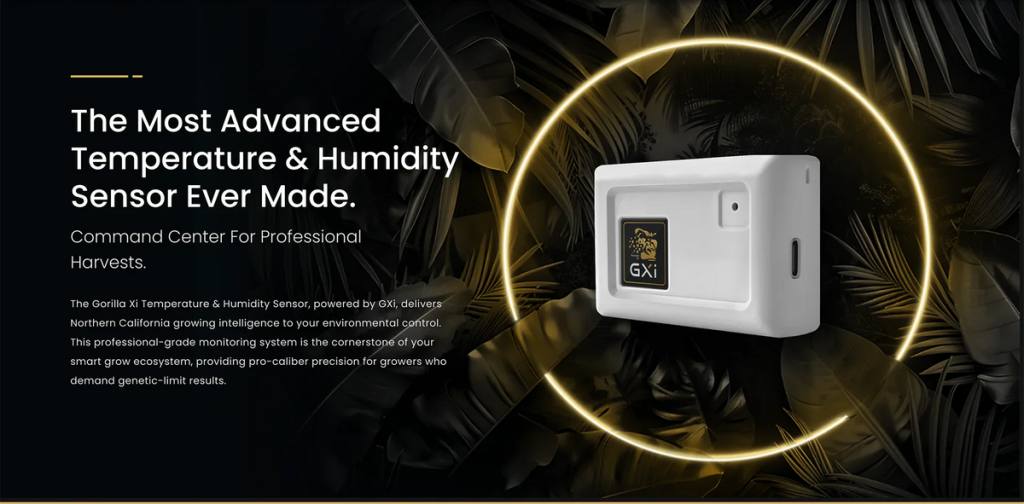
A hygrometer measures the moisture in the air. Picking the right type helps you track humidity well. Digital hygrometers are easy to read and more accurate than analog ones.
- Digital hygrometers give quick and clear readings
- Analog hygrometers work without batteries but can be less precise
- Combo devices measure both temperature and humidity
- Choose a device with a calibration option for best accuracy
Placement Tips
Where you put the hygrometer in your grow tent affects the readings. Place it where air flows but not near vents or heaters. Avoid direct contact with water or plants.
| Placement Area | Reason |
| Center of the tent | Gives average humidity level |
| Away from vents | Prevents false low or high readings |
| At plant canopy level | Shows humidity where plants grow |
| Off the floor | Avoids moisture from soil affecting sensor |
Natural Methods To Increase Humidity
Growing plants in a tent needs the right humidity. Too low humidity can hurt your plants. Natural ways can help add moisture to the air.
These methods are easy and safe. You do not need special tools. Just simple things you can do inside your grow tent.
Water Trays And Pebbles
Placing water trays with pebbles inside the tent adds moisture. Water slowly evaporates, raising humidity around plants.
- Fill shallow trays with water.
- Place clean pebbles or stones inside the trays.
- Set trays near air vents or plants.
- Refill water daily to keep humidity steady.
Misting Techniques
Misting sprays water droplets in the air. This quickly raises humidity inside the grow tent. Use a spray bottle for this.
| Misting Tips | Details |
| Use clean, room temperature water | Prevents plant damage and shock |
| Mist 2-3 times per day | Maintains steady humidity without overwatering |
| Avoid misting leaves too often | Prevents mold and fungus growth |
| Spray evenly around tent | Increases humidity in all areas |
Using Live Plants
Live plants release moisture through their leaves. Adding more plants helps raise humidity naturally. Choose plants that like humid air.
- Spider plants
- Boston ferns
- Peace lilies
- Areca palms
Keep these plants healthy and watered. They will add humidity as they grow.
Using Humidifiers
Adding humidity to your grow tent can improve plant health and growth. Using a humidifier helps keep moisture at the right level.
Humidifiers come in different types and sizes. Choosing and placing one correctly will give your plants the best environment.
Types Of Humidifiers
There are three main types of humidifiers you can use in a grow tent. Each type works differently to add moisture to the air.
- Ultrasonic Humidifiers:Use vibrations to create a cool mist. They are quiet and energy efficient.
- Evaporative Humidifiers:Use a fan to blow air through a wet wick. They adjust humidity naturally.
- Warm Mist Humidifiers:Heat water to create steam. They can raise the temperature slightly.
Placement And Maintenance
Where you place the humidifier inside the grow tent affects how well it works. Clean and maintain it often to avoid problems.
| Placement Tips | Maintenance Tips |
| Place near plants but not too close | Clean water tank every 3 days |
| Keep away from electrical equipment | Use distilled water to prevent mineral buildup |
| Elevate for better mist circulation | Check filters and replace if needed |
Safety Precautions
Using a humidifier safely prevents damage to your plants and equipment. Follow these rules to keep your grow tent safe.
- Do not over-humidify; keep humidity between 50% and 70%
- Turn off the humidifier before refilling water
- Place the humidifier on a stable surface to avoid spills
- Avoid using tap water if possible to prevent bacteria growth
- Regularly inspect the humidifier for leaks or faults
Improving Tent Sealing
Adding humidity to a grow tent needs good sealing. A well-sealed tent keeps moisture inside. This helps plants grow better and avoids dry air problems.
Two key ways to improve tent sealing are checking for leaks and using weather stripping. Both help keep the tent airtight and support higher humidity.
Checking For Leaks
Look carefully for holes or gaps in the tent fabric. Check corners, zippers, and seams where air can escape. Use a flashlight inside the tent to spot leaks from outside.
- Close all vents and openings.
- Run your hand around seams to feel drafts.
- Use soapy water on zippers and seams to find bubbles from air leaks.
- Seal small holes with tent repair tape.
- Replace damaged parts if needed.
Using Weather Stripping
Weather stripping adds a tight seal to doors and vents. It blocks gaps where humid air could escape. Use flexible foam or rubber strips made for sealing.
| Type | Best Use | Benefits |
| Foam Tape | Sealing door edges and vents | Easy to apply, good for small gaps |
| Rubber Gasket | Heavy-duty sealing on zipper areas | Durable, blocks air well |
| Felt Strips | Soft sealing around window flaps | Flexible, reduces friction |

Credit: www.reddit.com
Balancing Ventilation And Humidity
Keeping the right humidity inside a grow tent helps plants grow well. Too much or too little humidity can harm plants.
Ventilation controls air flow and affects humidity levels. Balancing both is key for a healthy grow environment.
Adjusting Fans And Vents
Fans and vents move air in and out of the grow tent. Adjusting them controls how much moisture stays inside.
Slowing fan speed or closing vents keeps more humidity inside. Opening vents or increasing fan speed lowers humidity.
- Lower fan speed to increase humidity
- Open vents slightly to avoid heat buildup
- Close vents to trap moisture
- Use adjustable fans for better control
Timing Ventilation Cycles
Running fans in timed cycles helps keep humidity steady. Turn fans on and off to balance fresh air and moisture.
Short ventilation periods keep humidity higher. Longer ventilation lowers humidity but refreshes air more.
- Run fans 10 minutes on, 20 minutes off for higher humidity
- Try 15 minutes on, 15 minutes off for balanced air and moisture
- Adjust cycles based on your tent’s humidity readings
- Use a timer for consistent ventilation control
Avoiding Common Mistakes
Adding humidity to a grow tent helps plants grow well. Many growers make mistakes that harm their plants.
Understanding common errors can save time and protect your plants from damage.
Preventing Mold And Mildew
Mold and mildew grow fast in damp, dark spaces. Too much humidity in a grow tent can cause these problems.
Keep good airflow and avoid wet spots inside the tent to stop mold from forming.
- Use fans to keep air moving
- Check humidity levels daily
- Fix leaks or water spills immediately
- Clean the tent regularly to remove spores
Over-humidification Risks
Too much humidity can slow plant growth and cause root problems. It also invites pests and diseases.
Keep humidity in the right range for your plants and avoid using too many humidifiers at once.
- Monitor humidity with a reliable meter
- Keep humidity levels between 40% and 60%
- Use a dehumidifier if humidity gets too high
- Adjust humidifiers based on plant needs and environment

Credit: www.spider-farmer.com
Frequently Asked Questions
How Do I Increase Humidity In A Grow Tent?
You can increase humidity by using a humidifier or placing water trays inside the tent. Misting plants also helps. Ensure proper ventilation to avoid mold growth and maintain ideal humidity levels for your plants.
What Is The Ideal Humidity Level For A Grow Tent?
Ideal humidity varies by plant type but generally ranges from 40% to 70%. Seedlings prefer 65-70%, while mature plants thrive at 40-50%. Maintaining this range promotes healthy growth and prevents diseases.
Can I Use A Humidifier Inside A Grow Tent?
Yes, a humidifier is an effective way to add moisture. Choose a quiet, adjustable humidifier for better control. Regularly monitor humidity with a hygrometer to avoid excess moisture and mold issues.
How Often Should I Mist Plants In A Grow Tent?
Misting once or twice daily can raise humidity temporarily. Avoid over-misting to prevent mold and mildew. Use it as a supplementary method alongside humidifiers or water trays for consistent humidity.
Conclusion
Adding humidity to your grow tent helps plants grow strong and healthy. Use simple tools like humidifiers or water trays to raise moisture. Check humidity levels daily to keep them steady and right. Avoid too much moisture to stop mold and pests.
With regular care, your plants will thrive in a balanced environment. Keep learning and adjusting for the best results. Small steps make a big difference in your grow tent.