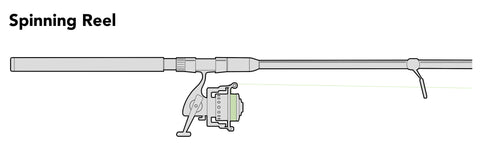
If you love fishing, you know how important it is to have your reel ready to go. Adding line to your fishing reel might seem tricky at first, but once you learn the right steps, it becomes simple and quick.
Whether you’re fixing a broken line or just replacing old one, this skill will save you time and improve your fishing experience. You’ll discover easy-to-follow tips that make adding line to your reel a breeze. Keep reading—you’ll be casting like a pro in no time!

Credit: n1outdoors.com
Tools Needed
Adding line to a fishing reel needs the right tools. These tools make the process easier and faster.
Using the correct tools helps avoid damage to your reel and line.
Fishing Reel Types
There are different fishing reels like spinning, baitcasting, and spincast. Each type needs a slightly different approach.
Knowing your reel type helps you pick the right tools and method to add line.
- Spinning reels:Easy to load and common for beginners.
- Baitcasting reels:Need careful handling to avoid tangles.
- Spincast reels:Simple design, good for kids and casual fishers.
Choosing The Right Line
Pick a fishing line that suits the type of fish and water you plan to fish in.
Different lines work better with certain reels and fishing styles.
- Monofilament line:Good for beginners and general use.
- Fluorocarbon line:Less visible in water, better for clear water.
- Braid line:Strong and thin, ideal for heavy cover fishing.
Additional Accessories
Some extra tools help make adding line easier and keep your reel in good shape.
- Line spooler:Holds the spool steady while you add line.
- Scissors or line cutter:Cuts the line cleanly without frays.
- Rod holder:Keeps your fishing rod stable during line changes.
- Lubricant:Keeps reel parts smooth after adding line.
Preparing The Reel
Before adding new line to your fishing reel, you must prepare it properly. Preparing helps the reel work smoothly and last longer.
This guide covers removing old line and cleaning the spool. Both steps are important for a good setup.
Removing Old Line
Take off the old fishing line carefully to avoid damage. Remove all line from the spool before adding new line.
- Open the bail arm to release tension on the line.
- Cut the old line near the spool with scissors.
- Pull the line slowly and evenly off the spool.
- Dispose of the old line properly to avoid litter.
Cleaning The Spool
Clean the spool to remove dirt, salt, and debris. A clean spool helps the line stay smooth and prevents tangles.
| Cleaning Step | Tool Needed | Purpose |
| Wipe spool surface | Soft cloth | Remove dust and dirt |
| Remove old grease | Rubbing alcohol | Clean sticky residue |
| Dry spool | Dry cloth | Prevent rust and moisture |
Attaching The Line
Adding line to a fishing reel starts with attaching the line properly. This step is key for smooth casting and reeling.
Secure the line tightly to avoid slippage during fishing. Take your time to make a strong connection.
Securing The Line To The Spool
First, thread the line through the reel’s guides. Then wrap it around the spool.
Tie a knot to hold the line firmly on the spool. Make sure the line lies flat and does not overlap.
- Leave a small tag end after tying the knot
- Pull the line tight to secure the knot
- Check that the line moves smoothly on the spool
Knots To Use
Use strong knots that hold well under pressure. Simple knots can work best for beginners.
- Arbor Knot: Easy to tie and holds line firmly
- Uni Knot: Strong and reliable for many lines
- Improved Clinch Knot: Common for attaching line to hooks and reels
Practice tying these knots before adding line. Good knots keep your fishing line safe and secure.

Credit: www.youtube.com
Spooling Techniques
Adding line to a fishing reel is an important skill. Proper spooling helps you catch fish without trouble.
Good spooling avoids problems like line tangles and breaks. Use right techniques for best results.
Maintaining Tension
Keep steady tension on the line while spooling. This stops the line from becoming loose or tangled.
Hold the line between your fingers or use a cloth to add gentle pressure. Do not let the line slack.
- Keep firm but gentle grip on the line
- Wind the reel slowly and evenly
- Check tension often during spooling
Avoiding Line Twist
Line twist causes knots and weak spots. It happens when the line spins too much while spooling.
Use the right spool direction. Let the line come off the filler spool in the same way it goes onto the reel.
- Place the filler spool so line unrolls without spinning
- Keep the reel level and steady
- Check for twists by letting line hang freely
Filling The Spool Properly
Fill the reel spool almost full but leave some space at the top. Overfilling can cause tangles and backlashes.
Fill the spool evenly. Spread the line from side to side as you wind it onto the reel.
- Stop filling about 1/8 inch below spool edge
- Wind line in neat, tight layers
- Avoid piling line too high in one spot
Final Checks
After adding line to your fishing reel, it is important to do some final checks. These checks help make sure the line is set correctly and ready for use.
Taking time for these steps can prevent problems when you fish. Let’s look at trimming the excess line and testing the reel.
Trimming Excess Line
Once the line is on the reel, some extra length will stick out. Trimming this excess line keeps your reel neat and avoids tangles.
Use sharp scissors or line cutters to make a clean cut. Leave a small tail of about half an inch to prevent the line from slipping back into the spool.
- Cut the line close to the reel spool.
- Leave about 0.5 inch of line as a tail.
- Check that the cut is clean and even.
Testing The Reel
After trimming, test the reel to ensure the line moves smoothly. This step confirms the line is correctly placed and ready for fishing.
Turn the reel handle slowly and watch the line. The line should spool evenly without slipping or bunching up.
- Turn the handle gently to check line movement.
- Look for even line distribution on the spool.
- Adjust the line tension if needed.
- Make sure the drag system works properly.
Tips For Longevity
Adding line to a fishing reel is simple. Doing it right helps your reel last longer.
Taking care of your fishing line and reel keeps your gear working well for years.
Line Storage Advice
Store your fishing line in a cool, dry place. Heat and sunlight can weaken it.
Keep the line away from dirt and chemicals. These can damage the line fibers.
- Use a sealed container to protect the line
- Keep the line away from sharp objects
- Check line for damage before each use
Reel Maintenance
Clean your reel after every fishing trip. Salt and dirt can cause rust and damage.
Lubricate moving parts regularly. This helps the reel work smoothly and last longer.
- Rinse the reel with fresh water after use
- Dry the reel completely before storing
- Apply reel oil to gears and bearings
- Tighten loose screws and check for wear

Credit: www.youtube.com
Frequently Asked Questions
How Do I Prepare A Fishing Reel For Line Addition?
First, clean the reel and remove old line. Check the spool for damage. This ensures smooth line addition and better casting.
What Type Of Fishing Line Suits Different Reels?
Monofilament works for most reels. Braided line suits baitcasting reels. Match line type with reel for optimal performance.
How Much Fishing Line Should I Add To A Reel?
Fill the spool to about 1/8 inch below the rim. Overfilling causes tangles, while underfilling reduces casting distance.
How Do I Tie The Fishing Line To The Reel Spool?
Use an arbor knot to secure the line. It’s simple, strong, and prevents slipping during casts.
Conclusion
Adding a line to a fishing reel is easy and rewarding. Follow the steps carefully for the best results. Always choose the right line type for your fishing needs. Keep your reel clean and well-maintained. Practice makes perfect, so don’t worry if it’s tricky at first.
Soon, you’ll be ready for your fishing adventures. Enjoy the experience and the satisfaction of a well-prepared reel. With patience and practice, you’ll master this essential skill. Happy fishing and tight lines!